
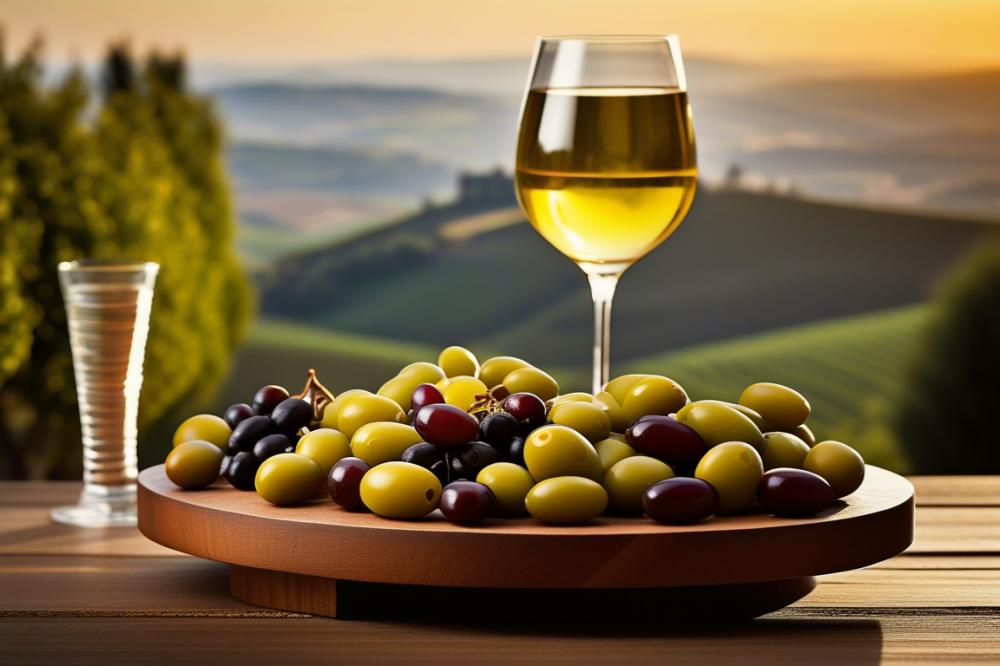
A Deep Dive into Marche’s Olive Ascolane and Local Wines
Overview of the Marche Region
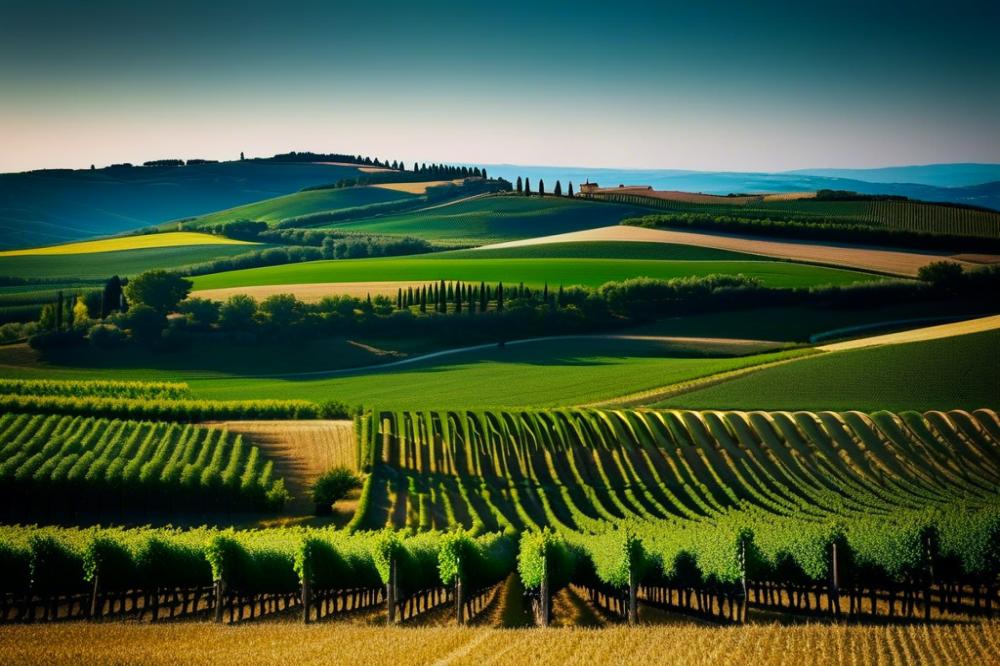
The Marche region is nestled in central Italy, bordered by the Adriatic Sea to the east. Known for its rolling hills and charming villages, this area is a hidden gem for food lovers. Agriculture thrives here, with olive groves and vineyards dotting the landscape. Local farmers take pride in their produce, cultivating high-quality products that truly represent their heritage. Visitors to Marche discover not only stunning scenery but also rich culinary traditions that reflect the land’s bounty.
Importance of Olive Ascolane in Italian cuisine
One dish that stands out in this region is a regional specialty made from green olives, stuffed with meat and deep-fried to perfection. These treats are a hallmark of Italian cuisine. Showcasing both local flavors and culinary expertise, they embody the essence of Marche. The olive oil used in preparation adds a fragrant touch that enhances their taste. Locals often serve these delicacies at family gatherings and special occasions, making them a beloved part of the culture.
Local Wines and Their Role in regional specialties
Marche wines have gained recognition for their distinct and diverse flavors. The vineyards here produce a variety of wines, each telling a story of the land. These wines pair beautifully with the region’s gourmet foods, from rich pasta dishes to fresh seafood. In wine tasting experiences, one can appreciate the artistry behind each bottle. Regional agriculture contributes to the unique characteristics of these wines, ensuring they complement local dishes perfectly. Wine lovers will find a deep connection between beverages and the culinary heritage of this enchanting region.
Exploring Olive Ascolane
Origin and History of Olive Ascolane
Olive Ascolane has deep roots in the Marche region of Italy. Its name comes from Ascoli Piceno, a city known for remarkable flavor and culinary traditions. These olives date back centuries. Local agriculture contributed significantly to their popularity. Traditionally, they were part of festive gatherings and special occasions. Over time, they became beloved throughout Italy. Today, they represent a unique piece of the region’s cultural heritage.
Culinary Traditions Associated with Olive Ascolane
These olives are not merely a snack. They hold a vital role in Italian cuisine, often featured in family meals and local festivities. Cooks prepare them with care. In Marche, they symbolize community and sharing. Guests often find them at gatherings, paired beautifully with wine. A plate of these olives can elevate any meal, showcasing the area’s regional specialties.
Preparation Methods and Ingredients Used
Making Olive Ascolane requires several steps. First, large green olives are pitted. This allows for a savory filling, typically made from a mix of meat, cheese, and herbs. After stuffing, the olives are breaded and fried until golden. The final result is crispy on the outside, with a burst of flavor within. Olive oil plays a crucial role in this preparation, enhancing the taste. Each bite reveals a blend of textures that delight the palate.
Comparison with Other Italian Olives
While many olives grace Italian tables, not all are created equal. Comparing Olive Ascolane with other varieties, such as Gaeta or Taggiasca, reveals distinct differences. Gaeta olives are smaller and often enjoyed in salads. Taggiasca olives, meanwhile, boast a rich, fruity flavor suitable for pizzas. The stuffed variety offers a more complex experience. Each type brings something special to the table, yet Olive Ascolane stands out due to its preparation method and vibrant taste. Food pairing options abound, making them versatile companions to many dishes.
Marche’s Wine Scene
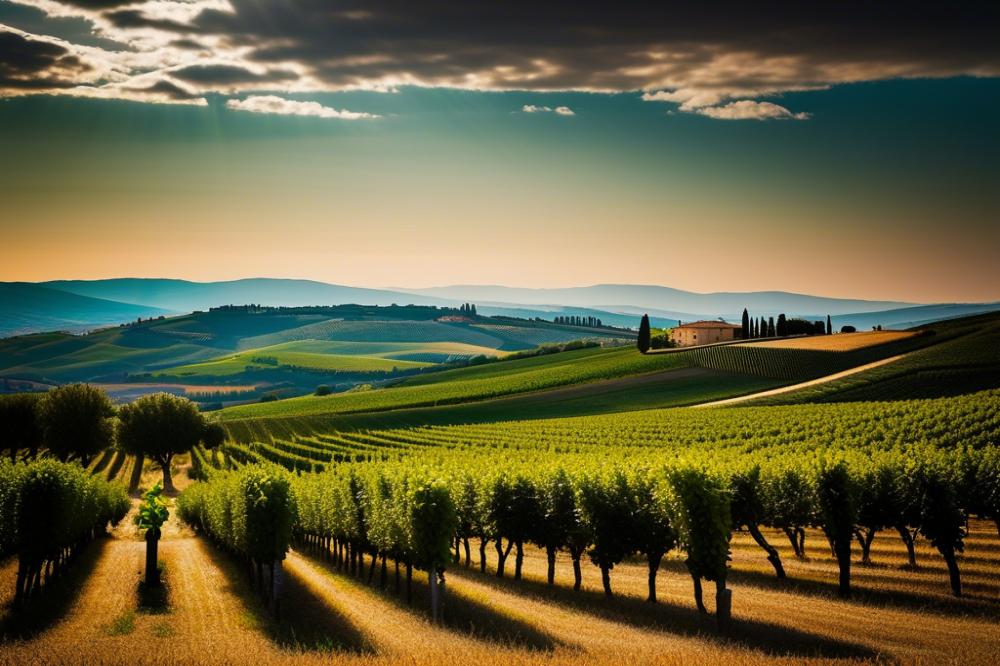
The Marche region boasts a rich wine production history. Nestled between the Adriatic Sea and the Apennines, this area benefits from diverse climates and soils. Local agriculture thrives here, allowing for unique grapes to flourish.
Key Grape Varieties and Their Characteristics
Among the prominent grape varieties is Verdicchio. Known for its crisp acidity and fruity notes, it pairs wonderfully with seafood, a staple in Italian cuisine. Another notable variety is Montepulciano. This red grape showcases rich, robust flavors, often including dark fruits and subtle spices. Sangiovese also plays a significant role, offering bright, tart cherry flavors and earthy undertones.
Wine Tasting Experiences in the Region
Visitors to Marche can find numerous wineries ready to share their craft. Many vineyards offer wine tasting events, presenting various local wines alongside gourmet foods. Exploring these tastings allows guests to delve into the region’s culinary traditions. Knowledgeable staff often guide people through the flavors, explaining how they originated and evolved. It creates a memorable experience that connects guests to Marche’s cultural heritage.
Wine Pairing with Local Dishes
Food pairing heightens the enjoyment of both wine and cuisine. Traditional dishes from this region harmonize beautifully with its wines. For instance, a crisp Verdicchio complements dishes featuring olive oil and fresh vegetables. Montepulciano pairs well with hearty meats and rich sauces, enhancing every bite. Even the fried delicacy from Marche finds a friend in Sangiovese, balancing the flavors with its acidity. Together, they elevate the dining experience.
Local Agriculture and Gourmet Foods
The Marche region is celebrated for its diverse agricultural landscape, which plays a critical role in the production of delicious foods, including the beloved Olive Ascolane. Local farmers cultivate a variety of fruits and vegetables, benefiting from the region’s fertile soil and favorable climate. This commitment to agriculture contributes significantly to the flavor and quality of the products available in the area.
Exploring other regional specialties reveals a rich tapestry of flavors. Handmade pasta, fresh seafood, and locally cured meats are just a few examples of what Marche has to offer. Each dish tells a story, woven through generations of culinary tradition. People in the region take great pride in their food, often reflecting a deep connection to the land.
Culinary traditions in the Marche region are closely tied to local produce. Meals often feature ingredients that are in season, emphasizing freshness and quality. Residents know that using local olive oil can enhance the flavors of their dishes. Additionally, food pairing is a common practice, bringing together wine and regional foods to create harmonious dining experiences.
Sustainable practices have recently gained momentum among local farmers. Many are shifting towards eco-friendly methods, which can improve food quality and preserve the environment. By reducing chemical use, these growers ensure that the land remains healthy for future generations. This focus on sustainability helps maintain the cultural heritage of the Marche region while producing superior gourmet foods.
As wine tasting becomes increasingly popular, it often highlights the connection between local agriculture and gourmet cuisine. The wines of this region, produced from indigenous grape varieties, pair beautifully with traditional dishes. Exploring the connection between local agriculture and gourmet foods reveals the heart of Italian cuisine, where every ingredient has a purpose and a story.
Cultural Heritage and Food Pairing
The beloved Olive Ascolane holds a special place in the heart of the Marche region. This dish showcases the area’s culinary heritage, deeply rooted in local agriculture. Farmers have been cultivating olives here for centuries, blending tradition with modern techniques. The process of stuffing these olives with meat and spices reflects the rich history of the region’s cuisine.
Food pairing can enhance the experience of tasting local wines. Traditional matches often include hearty red wines that balance the savory profile of gourmet foods. Many locals prefer Rosso Piceno or Sangiovese, both of which complement the seasoned flavor of the olives. Some innovative chefs experiment by pairing them with white wines that have a crisp finish, offering a delightful contrast.
Celebrations and Festivals Featuring Local Delicacies
Throughout the year, festivals celebrate regional specialties like this iconic dish. In the town of Ascoli Piceno, the annual Olive Ascolana festival attracts visitors from across the country. During these lively events, locals serve this delicacy alongside various wines from the area. Such gatherings foster a strong sense of community while showcasing the Marche region’s gastronomy.
Culinary traditions play a vital role in maintaining local identity. As families pass recipes through generations, they preserve a connection to the land and its history. Enjoying these traditional foods creates bonds within the community. Visitors are often eager to join in, understanding that food is more than just sustenance. It tells a story of culture, history, and pride in the region’s exceptional offerings.
Final Thoughts on Marche’s Treasures
In summary, the significance of Olive Ascolane, alongside the region’s local wines, speaks volumes about Marche’s rich culinary tradition. These regional specialties embody the history and culture of this beautiful part of Italy. Not only do they attract food enthusiasts, but they also provide a glimpse into the authentic lifestyle of the locals.
Exploring Marche is like opening a treasure chest filled with delightful surprises. Visitors often overlook this remarkable region, missing the chance to discover its hidden gems. From rolling hills adorned with vineyards to quaint villages brimming with charm, every corner reveals something special. Each moment spent here can deepen your appreciation for Italian cuisine.
Preserving these culinary practices is essential. As generations pass, the challenge remains to maintain the traditions that define a culture. With increasing globalization, there is a risk that unique foods and flavors may fade away. This underscores the importance of celebrating the local heritage that enriches our lives. Enjoying the distinctive flavors of Marche’s offerings can be a step toward keeping these traditions alive.
So, gather your friends and family, and embark on a culinary journey through Marche. Taste the local wines, savor the rich flavors, and immerse yourself in the customs that shape this area. The experience is not just about the food; it’s about connecting with the heart of Italy.

