
Introduction
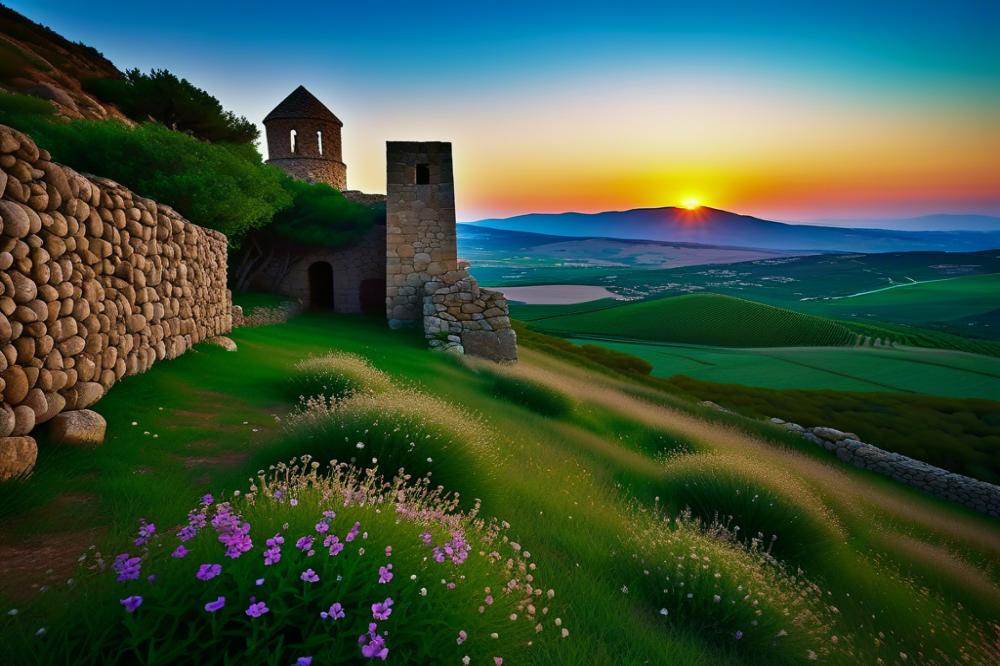
Sardinia, a Mediterranean island renowned for its stunning landscapes, has been shaped by a rich tapestry of history. ancient civilizations left their mark on the land, creating a unique cultural heritage that remains evident today. The Nuragic culture, known for its distinctive stone structures called nuraghi, serves as a reminder of the island’s prehistoric lifestyle. These structures are just one aspect of a much larger historical narrative.
The significance of Sardinia extends far beyond its picturesque coastlines and scenic mountains. Roman influence transformed the island, integrating it into a vast empire that changed its course forever. The ruins of ancient Roman towns can still be explored, offering insights into how residents lived during those times. Additionally, the Middle Ages ushered in new challenges and opportunities, as various kingdoms sought control over the strategically located island.
Spanish rule marked another pivotal chapter in Sardinian culture. With it came a blend of traditions and customs that continue to enrich the local identity. Folklore steeped in history reflects the island’s diverse past, showcasing stories passed down through generations. Understanding this historical context allows us to appreciate not just the island’s beauty, but also the legacy of its people.
Unearthing Sardinia’s history through archaeology reveals the depth of cultural influences that have shaped its development. Various historical sites scattered across the island offer a glimpse into the life and times of its inhabitants, from prehistoric eras to modern days. As we journey through this fascinating landscape of time, we begin to see how interconnected the past is with contemporary Sardinian culture.
Gaining insights into the island’s history enriches our understanding of human civilization and the diverse threads that weave together to form the vibrant tapestry we see today. Each era contributes to the complex identity of Sardinia, making the exploration of its past a vital endeavor for anyone intrigued by the stories that history has to tell.
Sardinia history

Many ancient civilizations have left their mark on Sardinia. From the early days of human habitation to modern times, these cultures shaped the identity of the Mediterranean island. One of the most significant of these is the Nuragic culture, which flourished between 1800 and 500 B.C.E. This civilization is renowned for its distinctive stone structures known as nuraghes. These towering edifices resemble architectural marvels, standing as a testament to the advanced skills of their builders.
Overview of the Nuragic culture and its contributions
The Nuragic people played an essential role in the island’s development. Their society was complex, with a rich tapestry of traditions and folklore. Artifacts from this period, such as pottery and tools, reveal much about their daily lives. Additionally, their impressive nuraghes served as fortresses and communal spaces, hinting at a well-organized community. Archaeology has uncovered numerous sites across Sardinia, showcasing the ingenuity and resilience of this culture.
Impact of Roman influence on the island
Roman influence began to emerge around the 3rd century B.C.E. The island became an important territory for the expanding empire. With the arrival of Roman settlers, Sardinia saw significant changes. New infrastructure, including roads and cities, linked the island more closely to Rome. Language, law, and customs shifted as the local population blended with their new rulers. Over time, these adaptations shaped the island’s identity even further.
During the Middle Ages, Sardinia experienced various changes in leadership. The island was caught between conflicts involving several powers, including the Spanish. Spanish rule affected the local culture and society, introducing new customs and dynamics. The legacy of these times is still visible today, particularly in the island’s historical sites scattered across its landscape. Each site tells a story, echoing the varied influences that have played a role in Sardinia’s rich history.
The Medieval Era
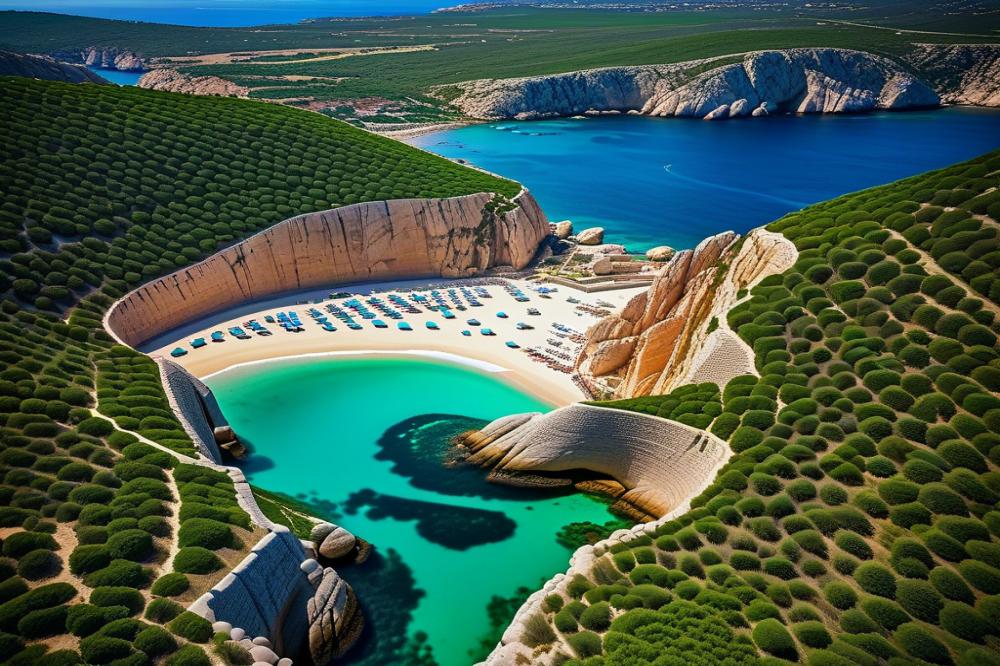
The role of Sardinia during the Middle Ages was significant but complex. Situated in the heart of the Mediterranean, this island became a crossroads of cultures. After the fall of the Roman Empire, various powers sought control over this critical maritime location. Local lords ruled different regions, creating a patchwork of principalities. The island’s strategic position attracted traders and conquerors alike.
Cultural and political changes unfolded under Spanish rule. In the 14th century, Aragonese forces seized Sardinia, bringing new governance and social structures. Castles, churches, and towns flourished during this time. Spanish influences merged with existing local traditions. Moreover, the island retained aspects of its ancient civilizations, such as remnants of the Nuragic culture. These structures showcase a unique architectural heritage that continues to intrigue historians and archaeologists.
Life in Sardinia was deeply impacted by its Mediterranean context. The sea served as a vital connection to other lands. Trade routes opened, promoting exchange with neighboring regions. Fishing, farming, and artisan crafts thrived. Folklore and traditions became intertwined with everyday existence. Festivals celebrated the island’s history, reflecting its diverse influences. Many historical sites remain today, reminding us of that vibrant past and varying influences.
The Medieval era in Sardinia exemplifies resilience and adaptation. Each wave of influence contributed to the island’s rich cultural tapestry. While the Spanish ruled, local identity endured through language and customs. Sardinians crafted a distinct way of life, blending ancient heritage with new beginnings.
Archaeological Treasures
Key archaeological sites in Sardinia
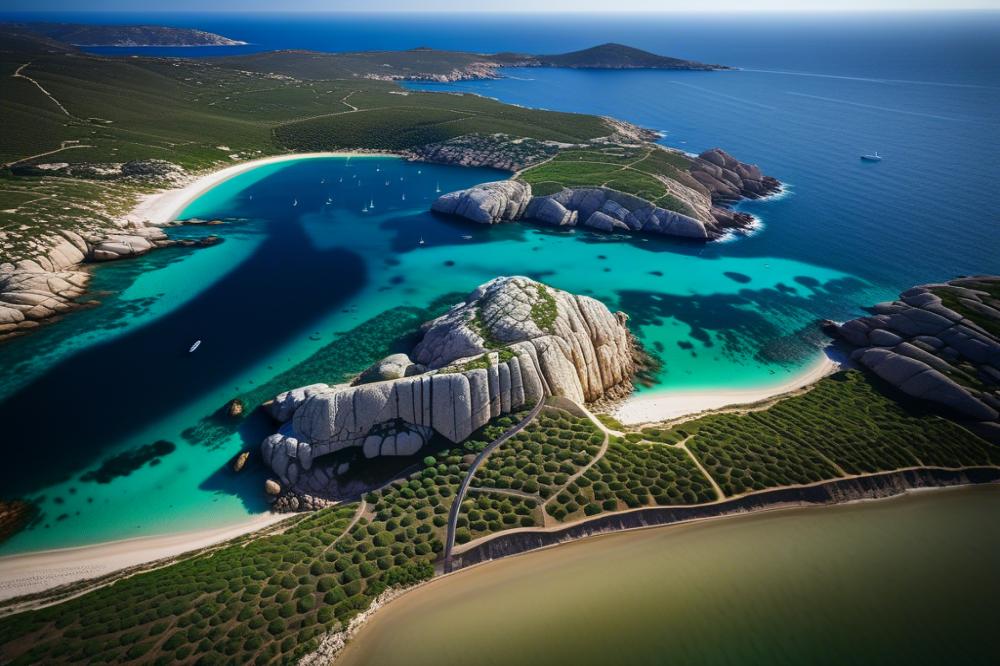
Sardinia is rich with archaeological treasures that tell stories of past civilizations. The island is home to numerous historical sites, each revealing a piece of its complex history. One prominent site is Su Nuraxi, located in Barumini. This ancient structure is a remarkable example of Nuragic culture. Towering stone towers and surrounding walls date back to around 1500 BC. Another significant location is the sacred well of Santa Cristina. Here, visitors can see intricate stonework, shedding light on the island’s spiritual practices.
Significance of Nuragic structures and artifacts
Nuragic structures are not merely ancient ruins; they symbolize the identity of Sardinia’s pre-Roman inhabitants. These relics exhibit a unique architectural style, showcasing the advanced engineering skills of their builders. Artifacts uncovered from these sites provide insights into the daily lives of the Nuragic people. Items such as pottery, tools, and bronze statues reveal much about their traditions and social organization. Residents of these ancient communities engaged in farming, animal husbandry, and trade, as evidenced by various finds.
How archaeology informs our understanding of Sardinian history
Archaeology plays a crucial role in piecing together Sardinia’s historical narrative. Researching these sites helps historians better understand the Roman influence that followed the Nuragic period. This influence led to significant changes in the island’s culture and economy. Sardinia also experienced shifts during the Middle Ages, as well as later under Spanish rule. The combination of these elements has shaped the island’s modern-day character. Today’s folklore and traditions can often be traced back to ancient customs, illustrating the continuity of Sardinian identity. Through ongoing archaeological work, the stories of these fascinating ancient civilizations come alive.
Cultural Heritage
Exploration of Sardinian Traditions and Folklore
Sardinia’s culture is a rich tapestry woven from ancient threads. Traditional Folklore remains an essential part of everyday life. Tall tales often include legends of giants and mythical beings. These stories connect the people to their past, carrying whispers of the Nuragic culture that thrived thousands of years ago. Many locals proudly share tales passed down through generations. Unique customs find their roots in ancient civilizations. This connection fosters a sense of community among Sardinians, even today.
Role of Food in Sardinian Culture and History
Food plays an integral role in Sardinian society. It often reflects the island’s long history. Dishes are influenced by Mediterranean ingredients and traditions. The famous “porceddu,” or roast suckling pig, is a staple at many gatherings. Each bite tells a story of the land and its people. Meals are more than just sustenance; they are celebrations of heritage. Local wines, such as Vermentino, showcase the island’s agricultural prowess. Recipes are often family secrets, cherished and shared at festive occasions.
Festivals and Rituals that Celebrate Sardinian Identity
Sardinia hosts numerous festivals that highlight its cultural richness. Events like the “Sardinia Carnival” attract visitors from all over. Colorful masks and vibrant costumes illustrate the island’s diversity. These gatherings are not just fun; they also convey deep-seated traditions. During the Middle Ages, many of these customs emerged amidst trials and tribulations. Even under Spanish rule, the spirit of the island endured. Historical sites, scattered across the landscape, serve as reminders of this enduring identity. Rituals often meld spiritual elements with local customs, keeping history alive. Each festival reinforces a shared Sardinian pride, inviting everyone to take part in the journey through time.
Modern Sardinia
How historical influences shape contemporary Sardinian life
Sardinia is a fascinating tapestry woven from the threads of its past. Ancient civilizations settled on its shores long ago, leaving behind a rich legacy. The Nuragic culture stands out, known for its impressive stone structures called nuraghes. These remain symbols of the island’s deep history. Over the centuries, Roman influence spread across Sardinia, shaping both its infrastructure and culture. The Middle Ages brought new layers through various kingdoms and trade routes. Later, during Spanish rule, distinct traditions emerged, blending together various influences. Today, local traditions and folklore reflect this history, as the islanders celebrate age-old festivals with pride. Understanding these roots is key to appreciating modern Sardinian life.
Travel tips for exploring Sardinia’s historical sites
Taking a journey through Sardinia’s historical sites requires some planning. Visitors should consider starting in Cagliari, the capital. Here, the Roman amphitheater and the medieval Castello district offer glimpses into the past. Travelers can explore the enchanting Nuragic ruins sprinkled around the island. Sites like Su Nuraxi in Barumini showcase the architectural genius of the ancient builders. A local guide can enrich the experience, providing insights into the stories behind each site. Don’t forget to sample traditional foods at local eateries. This part of the trip connects visitors even more with the island’s culture. Remember, the best way to soak in history is through interaction with the surroundings.
Future of Sardinia: preserving history while embracing modernity
The future of Sardinia balances on a delicate line between preservation and progress. Modern developments strive to respect and maintain historical integrity. Tourism plays a crucial role in ensuring the island’s heritage is both preserved and appreciated. Local governments and organizations engage in active archaeology efforts to uncover and protect ancient sites. Many communities are passionate about keeping their traditions intact, while also embracing sustainable practices. Green technologies and innovative projects are becoming more common. By blending the old with the new, Sardinia aims to retain its charm while adapting to modern life. This fusion of history and innovation paints a bright picture for the island’s future.
Reflecting on Sardinia’s Rich History
Sardinia presents a tapestry woven from the threads of many ancient civilizations. Travelers can trace the footsteps of the Nuragic culture, whose mysterious stone structures still dot the landscape. This island has seen the rise and fall of numerous empires, each leaving its mark on the land and its people. From the Phoenician traders to the Roman conquerors, every era contributed to a story that is both diverse and captivating.
Exploring the history of Sardinia reveals much about its islands’ character. The varied traditions, languages, and customs reflect centuries of cultural exchange. Modern Sardinia still embraces the essence of its past, showcasing vibrant festivals that celebrate its heritage. Each event offers a glimpse into the lives of those who came before, reminding us of the important role history plays in shaping identity.
Visiting Sardinia provides a unique opportunity to connect with this legacy. Wander through ancient ruins, taste traditional foods, and engage with the welcoming locals. Many well-preserved sites beckon curious minds eager to learn about the island’s stories. These experiences create lasting memories and deepen appreciation for Sardinia’s rich cultural landscape.
Ultimately, a journey through time on this enchanting island highlights the value of understanding our history. Every corner holds a lesson, waiting to be discovered. As you plan your next adventure, consider immersing yourself in the wonders of Sardinia. The island’s unique blend of history and culture promises to enrich your travels. Embrace the stories, celebrate the legacy, and let Sardinia inspire you with its timeless beauty.

