

A Taste of history: The Roots of olive growing in Italy
Olive cultivation has played a vital role in Italy‘s agricultural landscape for centuries. The significance of this activity extends beyond mere farming. Olive oil stands as a cornerstone of Italian culture and cuisine. Almost every dish incorporates this golden liquid, showcasing its importance in daily life.
Italy’s Mediterranean climate fosters ideal conditions for olive trees to thrive. These trees, resilient and enduring, tell a story of ancient traditions passed down through generations. Each region boasts its own varieties, contributing to the rich tapestry of flavors found in Italian cooking.
Understanding the history of olive oil illuminates its deep connection to the Italian way of life. Ancient practices have evolved into modern techniques, but the values of sustainability and respect for the land remain intact. Farmers often emphasize the importance of maintaining their connection to the earth, ensuring that future generations can continue to enjoy this heritage.
From the green hills of Tuscany to the sun-drenched groves of Sicily, the diversity of olive types fuels Italy’s culinary creativity. Varieties like the Tuscan Frantoio and the Sicilian Nocellara bring distinct characteristics to the table. This diversity enriches regional dishes, allowing each locale to celebrate its unique flavors. Any exploration of Italian cuisine inevitably leads back to the heart of olive growing and its rich history.
The History of Olive Growing in Italy

Originating from the Mediterranean region, olive cultivation has roots that delve deep into ancient history. The wild ancestors of the olive tree can be traced back to over 6,000 years ago. Archaeological findings suggest that early farmers began to domesticate these trees around 3000 BCE. This began a long tradition of agriculture centered around the olive, which would shape the landscapes and economies of many cultures.
From ancient Rome to modern times, the significance of olives has never wavered. Romans viewed olive oil as a staple, using it not just for cooking but also for lighting lamps and as a base for medicines. They spread their knowledge across the empire, influencing neighboring regions. As time advanced, the techniques of cultivation and pressing the fruit evolved, creating a more refined product. Today, olive oil stands as a cornerstone of Italian cuisine, praised for its flavor and health benefits.
Trade routes played a crucial role in the development of olive growing. Interactions between cultures led to the exchange of practices and ideas. For instance, techniques from the Middle East and North Africa were integrated into Italian methods. This blending resulted in diverse regional varieties, each adapted to local climate conditions. The microclimates of Italy enable the flourishing of unique flavors, which contribute to the distinctiveness found in Italian olives and oils.
Current trends highlight a focus on sustainability in the industry. Many farmers are now leaning toward organic practices and ancient traditions to preserve the land. This interest comes from a growing awareness of climate change and its impact on agriculture. Protecting biodiversity is vital for future generations of olive growers. Each region in Italy is now known not only for its oil but also for its commitment to responsible farming.
Olive Growing Agriculture
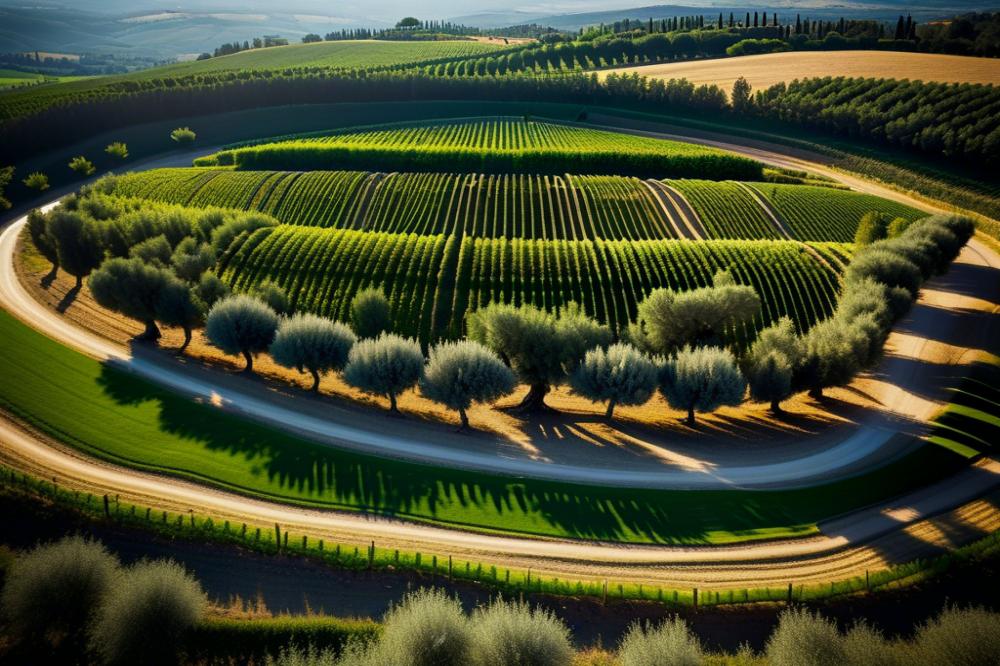
The cultivation of olives has deep roots in Italian history. For centuries, farmers have embraced methods that honor ancient traditions. These practices include careful pruning and irrigation techniques that adapt to different terrains. Sustainability plays a significant role in modern olive agriculture, with many growers focusing on organic practices. This shift helps preserve the land for future generations while maintaining the quality of produce.
Methods of Cultivation and Land Management
When it comes to land management, each region employs its own strategies. Terracing is often used in hilly areas, allowing water to flow efficiently and preventing soil erosion. In more arid regions, selecting drought-resistant varieties becomes essential. Farmers take great care in choosing the right time for planting and harvesting. Timing can dramatically influence the quality of the olive oil. Careful monitoring of soil health is also a priority, as rich soil leads to superior fruit.
Overview of Different Regional Varieties of Olives
Italy boasts a remarkable array of regional varieties, each with distinct flavors and characteristics. Some of the most well-known types include the Frantoio, known for its fruity taste, and the Taggiasca, which has a rich, nutty flavor. Each variety plays a pivotal role in Italian cuisine, enhancing dishes with its unique profile. For example, the Leccino is prized in Tuscany for its superb oil, while the Coratina shines in Puglia. These differences reflect not just agricultural practices but the culture and history of regions throughout the country.
Role of Climate in Shaping Olive Agriculture in Italy
Climate is a key player in the success of olive cultivation. The Mediterranean climate, characterized by hot, dry summers and mild, wet winters, creates ideal conditions for olive trees to thrive. Variations in temperature and rainfall among regions can significantly affect the harvest. For instance, southern regions often enjoy a longer growing season compared to the north. This climate diversity also leads to distinct flavors in the olive oil produced. Understanding these nuances allows growers to adapt their methods and maximize their yield effectively.
The Art of Olive Oil Production
Turning olives into olive oil is both an art and a science. The process begins with the careful harvesting of ripe olives. Farmers often handpick these fruits to avoid damage. This method might be labor-intensive, but it greatly enhances quality. Once collected, the olives go through cleaning and sorting. Only the best olives make it to the next stage.
Next, the olives are crushed into a paste. This step releases the oil stored within. Modern methods use machinery, while some traditional producers still use stone mills. After crushing, the paste is mixed to help separate the oil from the solids. Then comes the pressing, which extracts pure oil. Some producers use a centrifuge for a cleaner separation. This innovative technique is becoming more common.
Quality plays a crucial role in Italian olive oil. The country is known for its rigorous standards and certifications. Extra virgin olive oil is the gold standard. This classification requires a low level of acidity and superior flavor. Regional varieties contribute to the distinct tastes found across Italy. For instance, oils from Tuscany have a peppery kick, while those from Liguria are typically gentler. Such diversity reflects the rich agricultural heritage of the Mediterranean region.
In traditional Italian cuisine, olive oil is much more than a mere ingredient. It’s a key player in every kitchen. Chefs often use it as a base for sauces and dressings. Its flavor enhances dishes like bruschetta, pasta, and salads. Additionally, olive oil is commonly drizzled on vegetables or grilled meats. Many fondly remember family meals where oil is revered. The product connects generations through history and tradition.
Sustainability has become a guiding principle in modern olive oil production. Farmers increasingly adopt eco-friendly practices. These initiatives help preserve the land and ensure high-quality production in the future. As climate change poses challenges, adapting cultivation techniques is vital. Protecting ancient traditions while embracing innovation maintains Italy’s reputation for excellence in olive oil.
Sustainability in Olive Growing
Modern challenges face olive agriculture in Italy. Climate change poses serious threats. Rising temperatures affect the cultivation of regional varieties. They demand a careful approach to preserve ancient traditions associated with olive oil production. Unpredictable weather patterns disrupt the growing season. Farmers must adapt to protect their livelihoods and the Mediterranean landscape.
Practices promoting sustainability play a crucial role. Organic farming techniques help reduce chemical usage. These methods improve soil health and support biodiversity. Crop rotation and cover crops are essential strategies. They help maintain nutrients in the soil and prevent erosion. Additionally, irrigation techniques have evolved. Drip irrigation minimizes water waste, crucial in drier climates.
The future of olive farming in Italy looks complex. Innovative solutions are necessary for survival. Scientists and farmers collaborate to develop resistant plant varieties. Education about sustainable practices is essential for the next generation of farmers. The implications stretch beyond Italy; they influence global olive oil markets. Healthy ecosystems can result in better quality products for all consumers. Maintaining sustainability can ensure a thriving agricultural sector for years to come.
Preserving a Timeless Legacy
Olive cultivation in Italy has deep roots that stretch back through centuries of history. Generations have passed down knowledge and techniques, showing just how important this agriculture is to Italian culture. The craftsmanship involved in producing olive oil reflects a commitment to quality and tradition. Each drop of oil tells a story, connecting people to their ancestors and the land.
Preserving these ancient traditions is vital in our modern world. As we face challenges like climate change and globalization, a focus on heritage will keep these practices alive. Maintaining these age-old methods is essential for the rich tapestry of Italian identity. Olive oil isn’t just a cooking ingredient; it embodies a way of life.
Encouragement to explore olive oil further is essential. Tasting different varieties offers insight into various regions and their unique flavors. Each bottle is more than a product; it represents a community’s pride. As interest grows, so does the appreciation for the artisans who work tirelessly to produce high-quality oil. This exploration can lead to greater respect for the craft and a commitment to supporting local producers.
In conclusion, the significance of olive growing in Italy cannot be overstated. It is a journey through time, rich with heritage. Embracing this history allows everyone to savor the profound connection between the land and its people. Engaging with this tradition not only nourishes the palate but also strengthens ties to those who came before us.

