
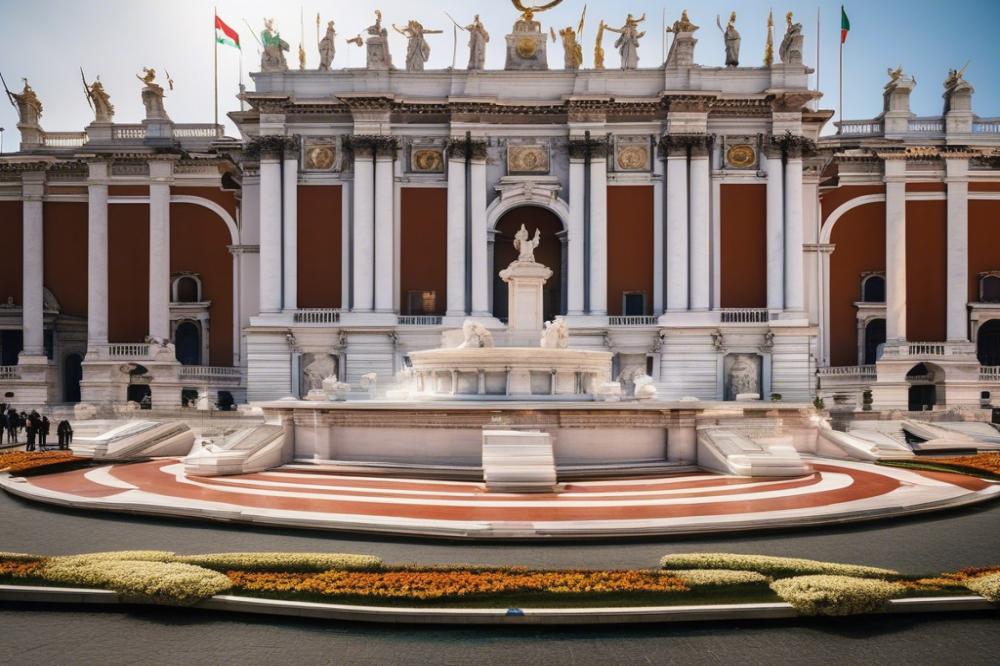
Admire the Architecture at Piazza Venezia
Piazza Venezia serves as a vibrant central hub for tourism in Rome. This area is surrounded by remarkable historic landmarks that attract visitors from around the globe. When people arrive in the city, they often find themselves here, taking in the stunning views. The surrounding architecture enhances the experience, making it unforgettable.
Among the most notable structures in the square is the Altar of the Fatherland, known as the Vittoriano. This monument honors Vittorio Emanuele II, the first king of unified Italy. Its monumental design stands as a testament to Italian architecture and the country’s rich history. Visitors frequently marvel at the beautiful buildings that tell stories of a bygone era, a time when grandeur ruled the skyline.
Tourism in Rome thrives on these incredible sites, and architecture tours often include this iconic location. Tourists appreciate Roman Architecture for its intricate details and majestic presence. Each visit offers a chance to connect with Italian culture, bringing history to life right before their eyes. Piazza Venezia’s history adds layers of significance, drawing people in and igniting a sense of wonder.
Piazza Venezia: A Marvel of Italian Architecture
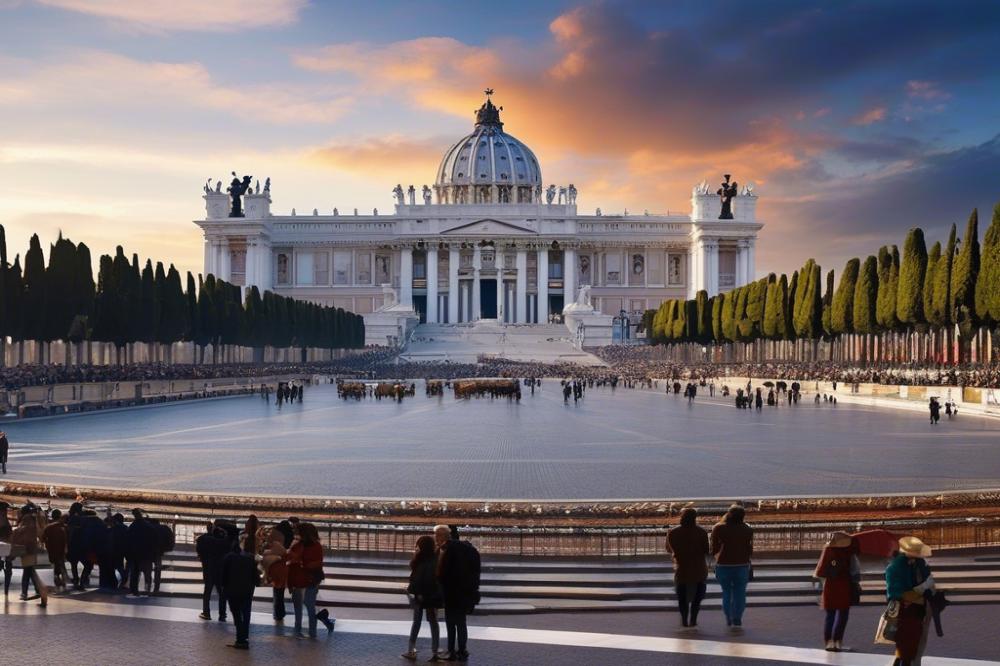
This remarkable square is known for its stunning architectural features. The centerpiece is the Altar of the Fatherland, often called the Vittoriano. This monument is impressive, made of shimmering white marble. Many visitors are struck by its grand staircases and massive columns. Visitors find themselves drawn to its intricate sculptures and expansive terraces.
The Monument to Vittorio Emanuele II honors Italy’s first king and stands as a symbol of national pride. This towering structure serves both as a tribute and a gathering place for tourists. It commemorates a pivotal moment in Italy’s history. Its scale contrasts with the surrounding buildings, creating a striking visual experience.
In terms of its significance, the Vittoriano is a cornerstone of Italian architecture. Its design combines neoclassical elements with a bold, modern aesthetic. This type of complexity makes it stand out among many historic landmarks in Rome. Each detail showcases craftsmanship, from elegant reliefs to the giant equestrian statue on top. Many consider it one of the most important monuments built in the late 19th century.
Tourism in Rome thrives around sites like this. The Vittoriano is often compared to other beautiful buildings in the city, such as the Pantheon and St. Peter’s Basilica. While these buildings possess their own unique charms, the Vittoriano stands out for its dedication to unity and nationalism. Architecture tours frequently highlight how this monument reflects Italy’s identity.
Piazza Venezia history adds layers to the experience. Visitors might enjoy exploring the stories behind the structure. They may find it fascinating how this square has been a battleground for political demonstrations and celebrations alike. Its significance as a public space cannot be overlooked. The blend of stunning architecture and rich history makes it a must-see for anyone visiting Rome.
Exploring the Historic Landmarks Around Piazza Venezia
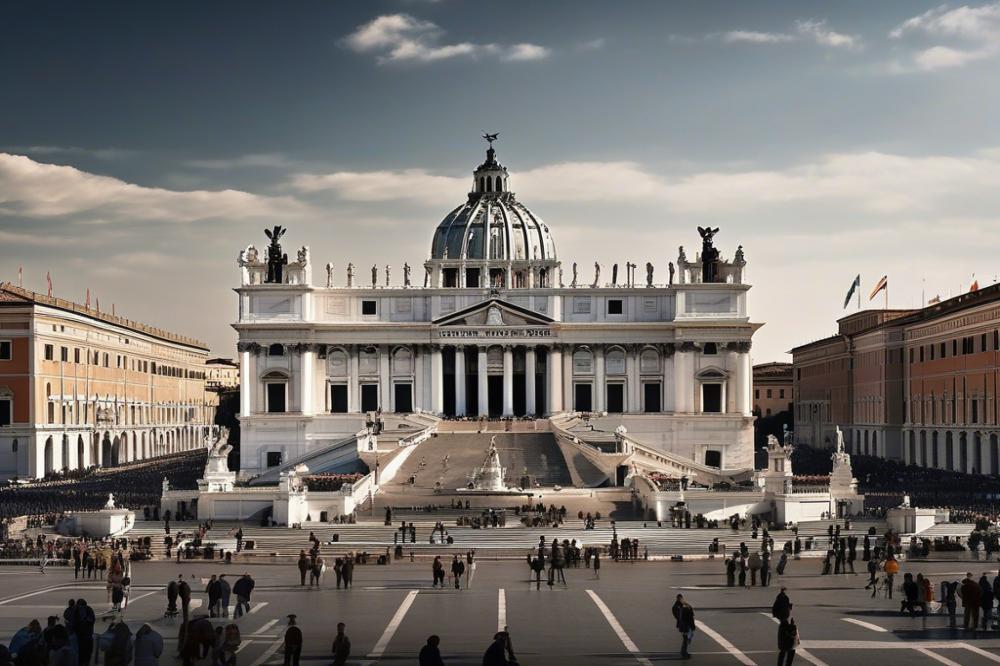
Nestled in the heart of Rome, the square is surrounded by remarkable historic landmarks that call for exploration. Among these, the Altar of the Fatherland stands out as a testament to Italian unity. This grand structure, also known as the Vittoriano, celebrates the first king of Italy, Vittorio Emanuele II. Its massive steps and towering statues capture the attention of many who visit. The monument not only honors a pivotal figure but also reflects the nation’s aspirations and identity.
Nearby lies the Monument to Vittorio Emanuele II, which boasts spectacular architecture. Visitors often admire its neoclassical style, marked by imposing colonnades and intricate sculptures. This landmark represents the beauty of Italian architecture and its historical relevance. Through various architecture tours, one can gain deeper insights into the artistic skills involved in its creation.
Rome’s tourism thrives due to these beautiful buildings that charm visitors daily. The square is a central location, making it easy for tourists to access nearby attractions. Each landmark carries its own story, contributing to the rich tapestry of Piazza Venezia history. People come from all around the world to appreciate the city’s historical significance.
As travelers wander the area, they can engage with the vibrant street life. Cafés and shops line the cobblestone streets, drawing in crowds. This makes strolling the vicinity an enjoyable experience, as the architecture matches the lively atmosphere. Each step unveils more of Rome’s past, impacting their understanding of the city.
With so much to see, it’s no wonder that this area draws thousands. Landmarks like these serve a dual purpose: they educate and enchant. Many are eager to take photos and share their moments on social media. This, in turn, promotes tourism in Rome, highlighting the city’s impressive legacy and architectural feats.
Piazza Venezia History and Its Role in Roman Culture
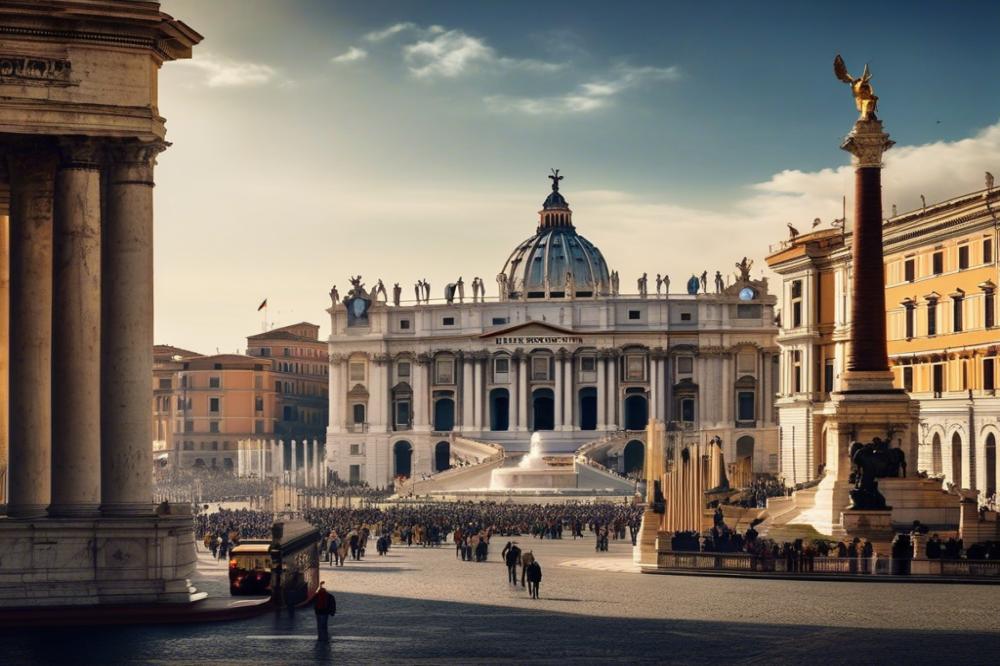
Historical context of Piazza Venezia’s construction
The origins of this square date back to the late 15th century. Initially, it served as a gathering place and the site of important buildings. Notably, the construction of the Altar of the Fatherland, or the Monument to Vittorio Emanuele II, occurred in the early 20th century. This grand structure symbolizes the unification of Italy, making it significant in Italian history. Many recognize it for its impressive columns and sculptures. The monument has become an iconic centerpiece in the heart of the city. Tourists flock to see this remarkable piece of Italian architecture.
Evolution of the square over the years
Throughout its history, the square has undergone numerous changes. Once a simple plaza, it transformed into a major hub for political and social gatherings. With its connection to key thoroughfares, it plays a crucial role in managing the flow of the city. Historic landmarks surrounding the square contribute to its charm. These beautiful buildings enhance the aesthetics of the area. Urban development in Rome has continually influenced the character of the square. Today, it serves as a meeting point for locals and tourists alike.
Cultural events and activities hosted at Piazza Venezia
Various cultural events are regularly held at this lively square. Festivals and concerts attract visitors, showcasing local talent and vibrancy. The square is also a prime spot for architecture tours, where guides explain the significance of the area’s design. During national holidays, citizens gather here to celebrate and remember their history. These festivities bring an energy to the square, making it a lively place of interaction. Engaging with so much culture enriches the experience for all who visit. In the heart of tourism in Rome, the square stands as a place where history meets modern life.
Architecture Tours: Discovering Piazza Venezia and Beyond
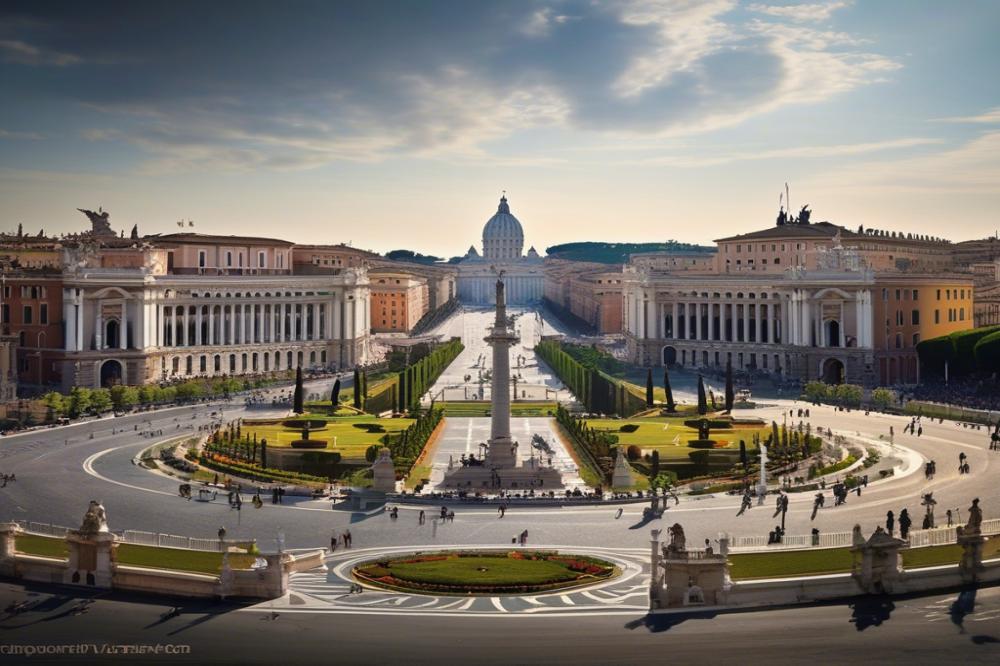
Travelers seeking insight into Rome’s rich architectural heritage find numerous tours throughout the city. Many focus on historic landmarks that define the skyline. Visitors often start at the grand Altar of the Fatherland, a centerpiece of Italian architecture. This magnificent structure, also known as the Vittoriano, is dedicated to the first king of unified Italy. Guided tours provide fascinating details about the Monument to Vittorio Emanuele II and its impressive marble façade.
What can tourists expect on these tours? Knowledgeable guides share stories that span centuries, revealing the intricate history behind each beautiful building. Participants learn about the evolution of city squares that have been gathering places for hundreds of years. From baroque styles to neoclassical designs, the architecture reflects a blend of artistry and history. Experience the transformation of Rome through the eyes of skilled guides who bring the past to life.
For those particularly interested in the architectural splendor at Piazza Venezia, focused tours are available. These experiences delve deeper into the site’s significance within the context of Italian history. Engaging narratives inform visitors about the design and construction of the surrounding area. Several companies offer specialized tours that highlight the best of Roman Architecture. Researching options in advance can provide an enriching experience. Booking a guided tour enhances tourism in Rome, ensuring travelers leave with a greater appreciation for this remarkable city.
Final Thoughts on Piazza Venezia
Recapping the architectural significance of this impressive site reveals its role as a symbol of national pride. The Altar of the Fatherland, also known as the Vittoriano, stands prominently at the heart of the square. Visitors are drawn to its grand sculptures and majestic columns. Such designs highlight a blend of ancient and modern influences, making it an extraordinary experience for anyone fascinated by history.
Exploration can lead to moments of awe. Take the time to admire the intricate details of the stonework and the vastness of the space. Strolling through the area allows one to appreciate the grandeur of the buildings surrounding the plaza. Each corner offers a unique view, showcasing Rome’s rich architectural tapestry.
Piazza Venezia holds a significant spot in the tourism landscape of Rome. It serves not just as a pathway, but as a crossroads of history and culture. Tourists from all over the globe come to capture the essence of Italy’s past and present. Engaging with this site provides a deeper understanding of Italy’s journey through time.
As we conclude, remember that this location is much more than just a tourist attraction. It’s a reminder of the nation’s rich history, shaped by perseverance and pride. Be sure to take a moment to reflect on what the Altar of the Fatherland represents. Each visit is an invitation to connect with the story of Italy, inviting admiration and contemplation.

