

Amaretto’s Sweet and Nutty Legacy: From Saronno to the World
The Italian liqueur known for its distinct almond flavor holds a treasured place in the hearts of many. Around the world, it represents more than just a sweet blend; it embodies the rich culture of Italy. Deeply rooted in Italian traditions, it has become a symbol of hospitality. From casual gatherings to formal events, this drink often graces tables and toasts.
This tradition of savoring aperitifs and digestives highlights the importance of social interaction in Italian life. These beverages are not just about the flavors; they convey a sense of community. Sipping on these drinks allows for connection and conversation. People gather and enjoy each other’s company, sharing stories and laughter over a glass.
The appeal of sweet liqueurs, particularly those with rich histories, lies in their ability to evoke warmth and nostalgia. Their inclusion in cocktails and dessert recipes showcases their versatility. Tasting notes vary, but common notes include hints of cherry and vanilla. With craft distillation techniques, producers highlight unique flavors, ensuring every sip is memorable.
Global popularity has solidified its status as a beloved choice for many. Whether used to enhance a classic cocktail or drizzled over a dessert, the liqueur perfectly complements various cuisines. The sweetness of these drinks turns ordinary moments into cherished memories. This legacy, originating from Saronno, continues to thrive as it spreads across the world.
Amaretto: A Journey Through History
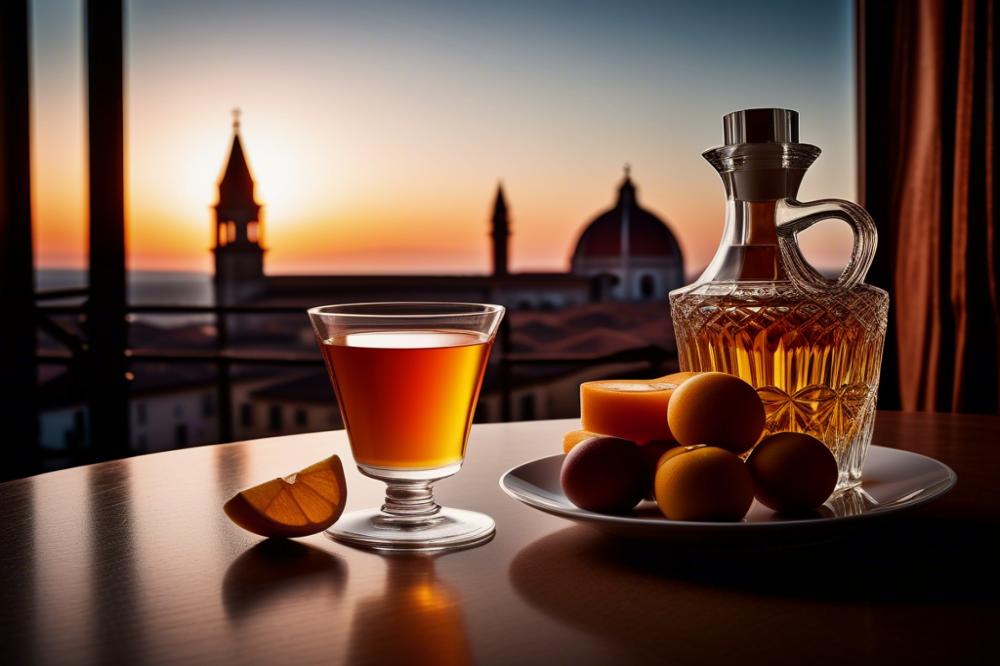
Origins of Amaretto in Saronno
People often trace the origins of this Italian liqueur back to the town of Saronno, a quaint place near Milan. Founded in the 16th century, the local legend tells a story of a beautiful innkeeper who created the drink for a visiting artist. She combined natural ingredients with an essence of almond flavor, inspired by her love. This concoction quickly gained popularity, becoming a symbol of Saronno’s rich culinary tradition.
The Legend of Amaretto’s Creation
According to folklore, an artist named Bernardino Luini fell in love with the innkeeper. To impress him, she crafted this liqueur, made from apricot pits and almonds. It was said that the drink possessed a special charm, capturing the essence of romance and hospitality. Over time, its delightful taste began to spread beyond local borders, enchanting others with its sweetness.
Evolution of the Liqueur Through the Centuries
Through the years, this spirit enjoyed several transformations. By the 19th century, it had become a staple in Italian households. The liqueur found its way into cocktails and various dessert recipes, showcasing its versatility. In the 20th century, its global popularity surged. People worldwide started enjoying this sweet liqueur, experimenting with it in various drinks.
Craft Distillation Methods Used in Producing Amaretto
Craft distillation methods play a crucial role in the production of this beloved drink. Artisans carefully select high-quality ingredients to create the distinctive flavor profile. Traditional techniques involve macerating almonds and other botanical elements in alcohol. This process allows for the development of complex tasting notes that elevate the liqueur. Nothing beats tasting the final product, as it reveals layers of sweetness and hints of nutty undertones. The craftsmanship reflects the cultural significance of this cherished Italian creation, linking generations through its heritage.
The Flavor Profile of Amaretto

Tasting notes of Amaretto reveal a delightful balance between sweet and nutty. Its prominent almond flavor serves as the foundation for this liqueur. The sweetness glides over the palate, evoking memories of marzipan and baked goods. This essence often takes drinkers on a nostalgic journey through dessert recipes and childhood treats. Many enthusiasts describe hints of vanilla and caramel, adding layers of depth.
When people compare it to other Italian liqueurs, the differences are notable. Limoncello bursts with citrus brightness, while Amaretto offers a comforting warmth. Unlike the sharpness found in some spirits, this liqueur provides a smooth tasting experience. Both are enjoyed after meals, yet they cater to varied preferences. Some might reach for Amaretto in cocktails, while others savor it neat or over ice.
Diverse brands contribute to the variations in production and taste. Each distiller brings its unique approach to craft distillation. Some sources emphasize natural almond extracts, while others utilize a combination of herbs and spices. This results in subtly different flavor profiles even within the same category. The global popularity of this sweet liqueur has led to innovative interpretations, inviting a new generation to explore its cultural significance. Each sip tells a story, connecting drinkers to a rich Italian history steeped in tradition and passion.
Amaretto in Cocktails
This Italian liqueur adds a sweet and nutty twist to many drinks. Its distinct almond flavor has made it a favorite among bartenders and cocktail lovers alike. Several popular cocktails showcase this liqueur’s rich essence.
Popular cocktails featuring Amaretto
The Amaretto Sour is one of the most well-known drinks. Combining the liqueur with fresh lemon juice, this cocktail balances sweetness with tartness. Another favorite is the Godfather, which mixes Amaretto with Scotch whisky. The result is a smooth drink that appeals to those who enjoy deeper flavors.
One cannot forget about the ‘Almond Joy’ cocktail. This dessert-inspired drink features chocolate liqueur and coconut rum, blending perfectly with the Italian liqueur. Each sip evokes nostalgia while offering complexities in easy drinking.
Blend of flavors in recipes that highlight Amaretto
Craft distillation brings forth a unique blend of ingredients in many cocktails. For instance, the ‘Italian Mule’ utilizes ginger beer and lime. Adding a hint of Amaretto amplifies its fruity notes. Each ingredient works together to create something special.
During the colder months, many turn to rich dessert recipes featuring this liqueur. The Amaretto Hot Chocolate is a seasonal favorite. It warms the soul with its combination of chocolate, cream, and the liqueur’s signature taste.
How Amaretto complements other spirits
This sweet liqueur pairs well with a variety of other spirits. Gin and Amaretto create an unexpected fusion in cocktails like the ‘Bitter Sweet’. The floral notes of gin contrast beautifully with the sweet almond flavor. Such pairings reveal the versatility of the ingredient.
Vodka also finds a friend in Amaretto. A simple mix with soda water enhances the refreshing aspect of vodka, while still allowing the liqueur’s characteristics to shine through. This balance demonstrates the global popularity of Amaretto, as it transcends cultures and mixes seamlessly into various styles of cocktails.
In terms of tasting notes, Amaretto contributes richness and warmth. Its sweet profile often complements other sweet liqueurs or spirits, creating delicious combinations. Bartenders enjoy mixing it creatively to craft unique drinks.
Amaretto in Dessert Recipes
Classic Italian Desserts Incorporating Amaretto
Italy has a rich tradition of desserts that often feature this beloved liqueur. Tiramisu is one popular choice. The addition of amaretto amplifies its coffee and cocoa flavors. Another classic is the almond custard known as Zuccotto. This dish is celebrated for the soft layers of cake infused with the sweet liqueur.
Crostata di Ricotta is yet another traditional dessert. It combines ricotta cheese, sugar, and the liqueur, creating a delightful filling for a flaky crust. Italians frequently enjoy these desserts at family gatherings. Each bite tells a story of history and cultural significance.
Innovative Recipes Using Amaretto for Modern Desserts
Modern chefs have embraced this Italian liqueur, using it in imaginative ways. Amaretto cheesecake has gained a following. The creamy texture combined with the almond flavor introduces a new twist to a classic favorite. Additionally, consider amaretto-infused chocolate mousse. The fusion of dark chocolate and almond creates a rich dessert experience.
Cupcake bakers are also exploring this liqueur. Amaretto-flavored frosting adds a touch of sophistication to any baked good. Creative minds are not stopping here. Ice cream makers have started crafting flavors that showcase amaretto, enhancing every scoop with its warm essence.
Amaretto as a Flavor Enhancer in Culinary Creations
Beyond desserts, this liqueur finds its way into various culinary creations. Chefs often use it to enhance fruit compotes. The sweetness of the liqueur pairs perfectly with berries, turning a simple dish into something sublime.
Sauces, too, benefit from this unique almond flavor. A splash can elevate a caramel sauce, making it perfect for drizzling over puddings or cakes. Savory dishes can surprise diners when they include amaretto. A hint in certain sauces adds an unexpected depth, merging sweet and savory effortlessly.
Cocktails are not left out of this conversation. Mixologists use it to craft beverages that balance flavors beautifully. The global popularity of the liqueur makes it a staple in many bars. Each drink becomes an opportunity to explore its distinct tasting notes, making it an attractive option for those looking to delight their taste buds.
Global Popularity of Amaretto
This Italian liqueur has flourished in international markets over the years. Originating from Saronno, its distinct almond flavor appeals to many palates. Sales surged as people began to appreciate sweet liqueurs beyond their borders. Today, bars around the world feature it prominently on their menus. Craft distillation techniques have enhanced its quality and popularity.
Countries have embraced this liqueur and made it their own. In the United States, it became a staple in cocktails like the Amaretto Sour. Some cultures have even created their own dessert recipes, incorporating this sweet treat into traditional dishes. The versatility of the liqueur means it fits seamlessly into various culinary traditions. Its ability to elevate flavors in drinks and desserts speaks to its broad appeal.
There is also notable cultural significance attached to this drink. In Italy, it represents hospitality and warmth during social gatherings. Outside its homeland, people often associate it with celebration and indulgence. As more consumers discover its tasting notes, appreciation for this almond-infused spirit continues to grow. Its market presence symbolizes the global fascination with Italian liqueurs.
Wrapping Up the Sweet and Nutty Journey
In reflecting on the sweet and nutty legacy of Amaretto, we can appreciate how it has transcended its roots in Saronno. This delightful Italian liqueur has woven itself into the fabric of various cultures around the globe. Its distinct aroma and almond flavor have captured the hearts of many, making it a popular choice for sipping and mixing alike.
As a beloved staple, the liqueur continues to hold a special place in bars and homes worldwide. The versatility it offers allows enthusiasts to enjoy it in cocktails or as a standalone delight. Time has not dimmed the charm of this classic beverage; rather, it has only intensified its allure.
Amaretto’s influence extends beyond just being a drink. It has inspired countless recipes and creative cocktails, enriching celebrations of all kinds. Both aperitif and digestif aspects blend harmoniously, allowing it to shine on various occasions.
In conclusion, the enduring popularity of this beloved Italian creation underscores its rich history and significance. As people continue to discover and appreciate its depths, the legacy of Amaretto will likely thrive for generations to come. This liqueur represents more than sweetness; it symbolizes shared moments and cherished memories.

