

Introduction
The aqueducts of Ancient Rome stand as remarkable examples of engineering marvels and architectural innovations. These structures played a vital role in the water supply across the bustling cities of the empire. Without a reliable source of water, urban life would have faced enormous challenges. The availability of fresh water directly influenced public health, sanitation, and everyday living conditions.
Water management was crucial for sustaining both large populations and agricultural needs. Roman aqueducts transported water from distant sources, utilizing gravity to move this life-sustaining resource over various terrains. They represented not just a necessity but a triumph of human ingenuity. The construction of these grand structures showcased the Romans’ advanced understanding of engineering principles, allowing for the formation of complex systems that could efficiently deliver water.
This article delves into the historical significance of aqueduct construction in Ancient Rome. We will explore how these feats of engineering transformed urban infrastructure, improved living standards, and shaped the growth of cities. Insights will also be provided into the design, maintenance, and impact of these ancient systems.
Join us as we journey through the fascinating world of Ancient Rome Aqueducts and discover how they continue to influence modern Water Engineering. Their legacy remains an essential chapter in the story of human progress.
Historical Significance of Ancient Rome Aqueducts
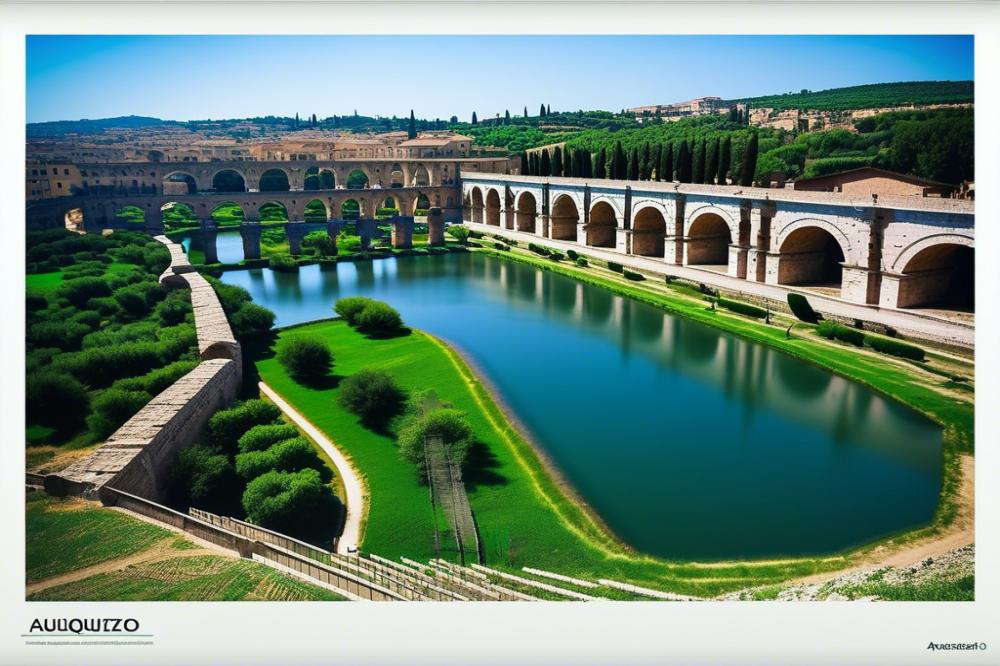
The Roman aqueducts were crucial in shaping the cities of Ancient Rome. Without a reliable water supply, urban areas would have struggled to grow. Residents depended on these engineering marvels for drinking water, irrigation, and sanitation. This infrastructure was vital for daily life.
The Role of Aqueducts in the Growth of Roman Cities
These architectural innovations enabled cities to flourish. With clean water flowing into urban centers, populations expanded noticeably. Aqueducts supported industries by providing water for production. As commerce blossomed, trade routes became busier. Water availability attracted citizens from rural areas, enhancing urban development.
Connection Between Water Management and Public Health
Effective water management played a significant role in public health. Contaminated water sources often led to disease outbreaks. Roman aqueducts supplied fresh water, reducing these health risks. Efficient drainage systems worked alongside aqueducts to dispose of waste, keeping cities cleaner. Improved hygiene contributed to increased life expectancy among citizens.
Cultural and Political Implications of Aqueduct Construction
The construction of aqueducts presented cultural significance. Projects reflected the might of the Roman Empire, showcasing technical skills and resources. Rulers often commissioned these works to demonstrate their power and commitment to the populace. Public ceremonies celebrated the completion of significant aqueducts, reinforcing political connections.
Aqueducts also fostered a sense of community. Public fountains became social hubs for residents. As people gathered, they shared news and built relationships. This led to a more unified society, which was essential for maintaining order.
Overall, these water management systems represented more than just functionality. Ancient Rome’s aqueducts stand as a testament to its advanced engineering and societal structure. Their historical significance extends far beyond simple water delivery, affecting various aspects of life in this remarkable civilization.
Engineering Marvels and Architectural Innovations
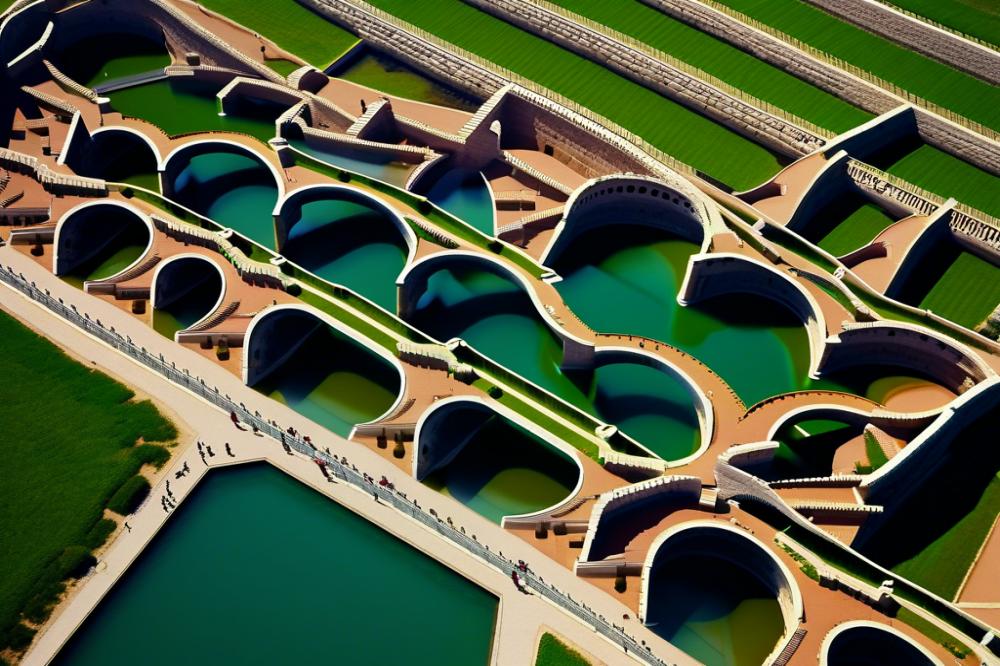
The aqueducts of Ancient Rome represent some of the most impressive feats of water management in history. These structures were critical for the development of the city and its surrounding areas. Roman aqueducts showcased advanced construction techniques that allowed vast quantities of water to flow over long distances. Engineers utilized gravity as a central principle of design, enabling a consistent slope to maintain the flow. The meticulous calculation of gradients was essential for ensuring adequate water supply.
Construction Techniques
Various techniques were employed in aqueduct construction. Arch systems became a hallmark feature, allowing builders to span valleys without compromising strength. Utilization of arches not only provided structural stability but also reflected the architectural innovations of the time. Concrete was revolutionized during this period, resulting in more durable materials. Using a mixture of volcanic ash, lime, and water, Roman builders created a substance that has stood the test of time.
Notable Examples
Aqua Appia, completed in 312 BCE, holds historical significance as the first Roman aqueduct. This structure primarily served to supply water to the burgeoning population of Rome. Moreover, the Aqua Claudia, finished in 52 CE, is often admired for its grandeur and elegance. Its impressive arches can still be seen today, attracting tourists and historians alike. Each aqueduct represented a vital part of Rome’s infrastructure, contributing to public health and sanitation.
Design Features and Durability
Design features of these aqueducts included settling tanks to filter water and distribution tanks for even flow. Materials like stone, brick, and concrete enhanced durability. Many aqueducts were built underground to protect them from damage and evaporation. Over time, these structures demonstrated remarkable resilience, often lasting centuries beyond their initial use. Today, they serve as a reminder of Roman ingenuity and creativity in water management.
The Impact of Roman Aqueducts on Public Health
Water was vital for the survival of any city. In Ancient Rome, Roman aqueducts became a lifeline for its citizens. They brought fresh water from distant sources, changing the lives of many. This water supply improved hygiene significantly. With clean water readily available, sanitation practices became more effective.
People no longer had to rely solely on local wells or rivers. Those sources often got contaminated, leading to disease outbreaks. The introduction of aqueducts reduced these risks by supplying a steady stream of clean water. Public baths, an essential part of Roman culture, thrived due to this innovation. They allowed for regular cleansing, which promoted health.
How Aqueducts Improved Hygiene and Sanitation in Cities
Aqueducts also facilitated the disposal of waste. By supplying water in abundance, cities could implement better waste management systems. Channels carried away sewage, which helped keep living conditions far healthier. Places without adequate clean water often faced higher rates of illness. This engineering marvel minimized these problems.
The Relationship Between Water Supply and Quality of Life
Access to clean water is crucial for overall well-being. In cities transformed by aqueduct construction, residents noticed notable changes in their daily lives. Children played in clean streets, and families enjoyed healthier meals. This improvement in quality of life contributed to the city’s growth and stability.
Case Studies of Cities Transformed by Aqueducts
Consider the city of Rome itself. Its impressive system of aqueducts supported a population that swelled into the millions. Facilities like fountains and public baths became common fixtures. Additionally, towns like Aquileia saw similar benefits. This location boasted a strategic water supply, which encouraged settlement and trade. More bustling activity meant increased commerce and society’s progress.
Furthermore, cities such as Pompeii showcased the influence of aqueducts on urban planning. Water flowed into homes, making life convenient. Citizens experienced everyday luxuries, like private baths, that were once reserved for the wealthy. Such architectural innovations marked a pivotal shift in how Romans lived.
The historical significance of these breakthroughs remains essential even today. They laid the foundation for modern water management systems. The advanced infrastructure established by the Romans continues to impact cities worldwide. Everyone deserves access to clean water, a lesson first learned from this remarkable ancient engineering feat.
Challenges and Limitations of Aqueduct Construction
Geographical and Environmental Challenges Faced During Construction
Building aqueducts in Ancient Rome was no easy task. Engineers confronted various geographical obstacles. Mountains and valleys presented significant hurdles. In some areas, the land was rocky or uneven, complicating the routes. River crossings required careful planning and construction techniques. Engineers often needed to divert rivers, which impacted the local environment. Seasonal weather also played a role. Heavy rains could create mudslides, damaging the structures. Through these challenges, the determination to maintain a consistent water supply remained a priority.
Technical Difficulties and Solutions Employed by Roman Engineers
Roman engineers were pioneers in overcoming technical difficulties. They used a method called the “gradient” to ensure water flowed smoothly. This technique involved designing gentle slopes that stretched over long distances. Aqueducts could rise and fall, adapting to the land’s contours. In places where elevation was necessary, arches became vital architectural innovations. These arches supported the structure while allowing for efficient transport of water. When dealing with leaks, materials like cement and special mortars were utilized. These solutions showcased the engineering marvels of the time.
The Decline of Aqueduct Systems and Lessons Learned
Over time, aqueduct systems faced decline. Various factors contributed to this downfall. Maintenance became increasingly difficult as the empire expanded. Changes in political power shifted focus away from public health and infrastructure. Pollution and population growth also stressed the water supply. Many aqueducts fell into disrepair, losing their historical significance. These issues provided valuable lessons. Future generations recognized the importance of regular upkeep. Understanding ancient techniques can improve modern water management. Today, studies of these challenges remind us of the complexity of engineering.
Modern Perspectives on Ancient Rome Aqueducts
Preservation efforts and current status of ancient aqueducts
Today, many Roman aqueducts stand as impressive remnants of the past. Preservation projects aim to maintain these structures for future generations. Some aqueducts are well-restored and continue to inspire awe among visitors. Others, however, face threats from pollution, urban expansion, and neglect. Local governments and non-profit organizations are working to protect these engineering marvels. Their efforts highlight the historical significance of aqueducts in modern society. Ongoing maintenance is critical to prevent further deterioration. Community involvement plays a vital role in these preservation efforts. Enthusiasts often volunteer to help clean and restore sections of the aqueducts.
Influence of Roman engineering on modern water infrastructure
Modern water supply systems still draw inspiration from ancient techniques. The concepts of aqueduct construction laid foundations for contemporary infrastructure. Today’s engineers appreciate the advanced understanding of gravity and water flow that Romans exhibited. Innovations from Ancient Rome have influenced the design of pipes, channels, and water treatment facilities. Efficient water management is now paramount in urban settings. Lessons from the past guide current practices in sustainability. Understanding how ancient societies managed resources informs modern environmental strategies.
Tourism and cultural heritage related to ancient aqueducts
Tourism has grown around ancient aqueducts, attracting visitors from all over the world. People come to admire the stunning architecture and learn about Roman public health systems. Guided tours often highlight the significance of aqueducts in city life during ancient times. Photography allows tourists to capture the beauty of these architectural innovations. Many locations offer educational programs to teach about the importance of clean water access. Visitors may even see re-enactments illustrating ancient techniques for water management. Cultural heritage events celebrate this rich history, bringing communities together. Overall, the allure of Roman aqueducts continues to thrive, making them a key part of Italy’s identity.
Final Thoughts on Roman Aqueducts
Recapping the significance of the Roman aqueducts reveals their extraordinary role in history. These remarkable structures transformed cities by facilitating reliable water supply to urban centers. Their engineering was not merely a feat of construction; it symbolized the progress of society in managing resources. Communities thrived as a result, which led to advancements in health and daily life.
Reflecting on their legacy, it’s evident that Roman aqueducts laid the foundation for modern engineering principles. Techniques used in their construction, such as arches and gradient systems, still influence contemporary water management solutions. In many ways, their design went beyond aesthetics; they were practical marvels that addressed the needs of the populace. Public health improved significantly as clean water became accessible, reducing disease and promoting hygiene.
Looking ahead, these historical feats continue to resonate today. Understanding the ingenuity behind them fosters appreciation for the advancements we enjoy in modern infrastructure. Studying the aqueducts invites discussions about sustainable practices and the importance of maintaining clean water access for all. In an ever-evolving world, lessons from the past can guide future innovations. The legacy of the Roman aqueducts serves as a reminder of how engineering can impact society positively.

