
Introduction
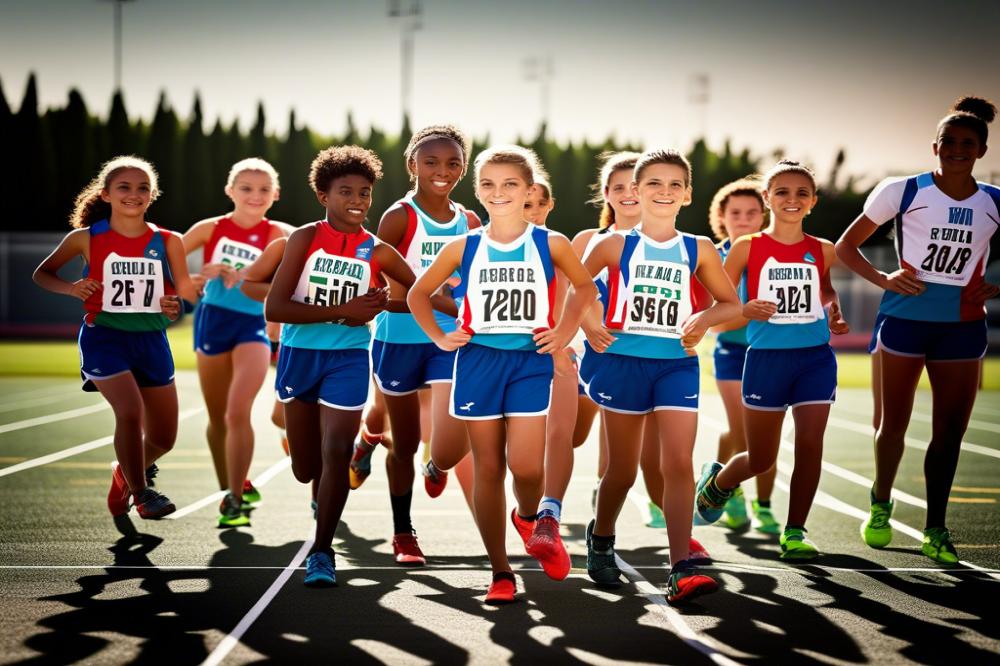
Athletics in Italy plays a critical role in schools across the country. In recent years, there has been a growing emphasis on youth sports as a vital part of physical education. These programs are essential for student athletes, helping them develop skills and foster a love for movement. Schools are not just focusing on academics; they also aim to nurture future stars through various sports programs.
Nurturing young talent is crucial for the athletic landscape. Without proper guidance and support, many gifted individuals might not reach their full potential. Coaches in Italian Schools are becoming increasingly aware of their responsibility to provide youth with the tools they need for success. With effective mentoring and solid Athletics training, these young athletes can thrive.
Fitness is another important aspect of student development. Participation in sports encourages a healthy lifestyle and combatting obesity in young people. Additionally, school competitions foster a sense of teamwork and discipline. Engaging in such events helps students build character and resilience, traits necessary for any endeavor in life.
In summary, the role of athletics in Italian Schools extends far beyond mere competition. It encompasses talent development, encourages physical fitness, and allows young people to emerge as leaders. The benefits of these programs resonate throughout a student’s life, shaping their future in profound ways.
The Framework of physical education in Italian Schools
Structure of Physical Education Curricula
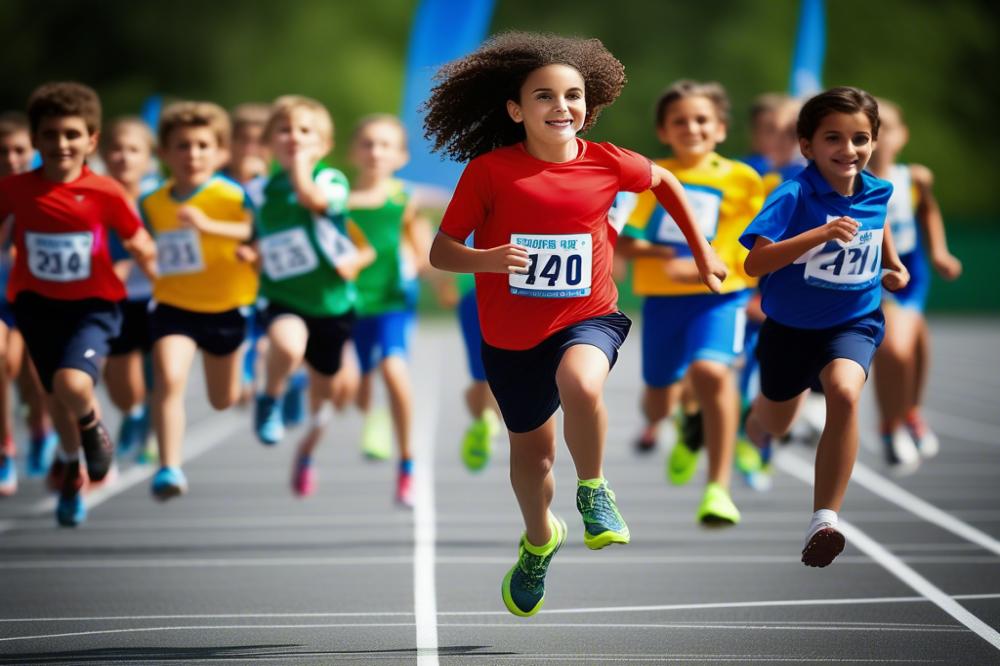
In Italy, physical education plays a crucial role in the school curriculum. Students receive guidance from teachers who are trained in various fitness disciplines. Classes are structured to provide both skill development and physical fitness. Each student participates in diverse activities. This variety helps to engage different interests and abilities. Teachers focus on fundamental movement skills, team sports, and individual disciplines.
Incorporation of Athletics into School Programs
Athletics training is not always a central focus but is often included in broader sports programs. Schools organize activities like running, jumping, and throwing. These events develop essential motor skills in young learners. Many institutions encourage participation in school competitions, fostering a sense of teamwork and school spirit. Coaches help nurture the talent of student athletes. Regular practice sessions prepare these students for local and regional events.
Impact of Mandatory Physical Education on youth sports Participation
Mandatory physical education significantly boosts youth sports participation across the country. Children who engage in regular fitness activities develop a love for movement. When students are exposed to various sports, they discover their passions and potential. Mentorship from experienced coaches is vital in this process. Those who excel often pursue further opportunities. As a result, Italian schools contribute to the development of future athletes. Healthy habits instilled during these formative years lead to lifelong engagement in sports and fitness.
Talent Development and Coaching in Athletics
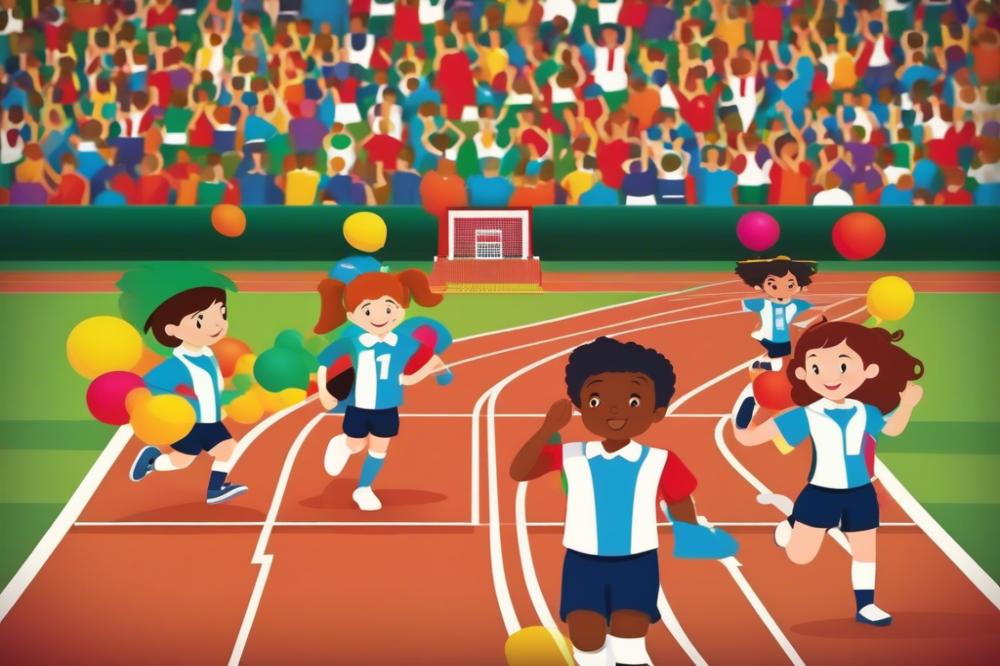
Identification of athletic talent in schools is a critical part of nurturing future stars. Young students often exhibit various skills during physical education classes. Observant coaches can spot potential in these youngsters, especially during school competitions. Programs focusing on youth sports allow them to shine in a safe and friendly environment. Through competitions, students get a chance to demonstrate their abilities, often leading coaches to recognize unique talents.
Role of Coaches and Mentorship
Coaches play an essential role in the development of student athletes. Their experience and guidance can make a significant difference. A supportive mentor can encourage a shy child to pursue their goals. Building confidence is key. Coaches not only teach techniques but also instill values like discipline and teamwork. These qualities are invaluable for success, both in sports and life.
Importance of Tailored Athletics Training Programs
Every young athlete has different needs and goals. Tailored athletics training programs cater to these unique circumstances. These plans can help improve specific skills like speed, endurance, and strength. Importantly, focusing on fitness during training helps prevent injuries. Specialized training adapts to the student’s growth and development, which is vital for long-term success. Combining fun exercises with hard work keeps students engaged and motivated.
School Competitions and Their Impact on Student Athletes
Overview of Inter-School Athletics Competitions
Numerous inter-school sports programs provide a stage for budding talent. These competitions often feature various disciplines, from track events to team sports. Events are organized at local, regional, and national levels. Students represent their schools, showcasing their skills and hard work. Such contests allow them to learn from peers while gaining real-world experience.
Benefits of Competition in Fostering Resilience and Teamwork
Competing teaches vital life lessons. Facing strong opponents can build mental toughness in young athletes. Failure and triumph coexist in sports. These experiences foster resilience and shape character. Working together in teams also enhances cooperation skills. Students learn to support one another, sharing triumphs and struggles alike. Coaching during competitions further facilitates talent development. Encouragement from mentors inspires athletes to push their limits.
Promotion of School Spirit and Community Involvement
Athletic events rally students, staff, and families. School spirit flourishes through shared experiences. Young athletes become community icons, representing their institutions proudly. Local businesses often participate as sponsors, creating bonds that extend beyond the field. Parents and teachers cheer from the sidelines, strengthening ties within the community. As students engage, they contribute to a culture of fitness and well-being. This involvement nurtures not just their physical skills but also a sense of belonging. The influence of these competitions resonates long after the final whistle blows.
Youth Sports Programs and Community Engagement
The structure and variety of youth sports programs in Italy play a vital role in developing student athletes. Many schools offer physical education classes that focus not just on individual fitness, but also on team dynamics and competition. This approach helps students learn valuable skills like teamwork and discipline. Programs are often tailored to various age groups, ensuring that all children have a chance to participate, regardless of their initial skill level.
Partnerships between schools and local athletics clubs enrich these programs. For example, some schools collaborate with local trainers who provide specialized coaching. This connection brings professional expertise into the schools, enhancing the training students receive. Coaches from these clubs often mentor young athletes during school competitions, which boosts their confidence and helps them improve their performance.
Community initiatives work hand-in-hand with these sports programs to promote lifelong participation in fitness. Local events often encourage families to join in, creating a supportive environment. Parents play an essential role in fostering a love for sports by engaging in activities alongside their children. By establishing a culture that values health and activity, communities help young people stay active well into adulthood.
Talent development is a focus in these programs, as they often identify promising athletes early on. Schools play a critical part by offering various levels of competition, where students can showcase their skills. This exposure is crucial for those looking to pursue sports seriously. Moreover, such experiences can lead to scholarships and other opportunities as they progress through their education.
In conclusion, the integration of community efforts and school sports programs creates a comprehensive atmosphere for training and growth. Valuing mentorship in this process gives students the support they need to succeed. With a community approach, the landscape of youth sports in Italy becomes both nurturing and enriching.
Challenges and Opportunities in Athletics Education
Barriers to participation in youth sports often stem from geographic and economic factors. In certain regions of Italy, students face significant challenges accessing quality programs. Limited facilities can hinder the development of budding talent. For instance, rural areas may struggle to provide adequate coaching or resources. School competitions are less frequent in these regions, limiting opportunities for young athletes to showcase their skills. Without proper support, motivation can dwindle, and potential stars may fade away.
However, there are unique opportunities for innovation in physical education. Schools are beginning to embrace technology in training programs. Virtual coaching, for example, can help bridge gaps for schools lacking skilled mentors. Innovative practices, such as incorporating fitness games, can enhance student engagement while fostering a love for sports. Additionally, combining various activities can personalize fitness strategies for student athletes. Such approaches also provide a broader understanding of what coaching can encompass.
Continued investment in youth athletics is crucial for shaping the next generation of stars. Programs designed to nurture talent development can have a profound impact. Local governments and organizations should focus on creating accessible sports programs. By doing so, they can foster a culture of encouragement and support. Moreover, mentorship from experienced athletes can inspire students to pursue their passions. Workshops and training sessions led by former champions may motivate young athletes to strive for excellence.
Ultimately, addressing the existing gaps and creating new opportunities will benefit all stakeholders. Ensuring all students have access to athletics training is a key part of this equation. Developing comprehensive strategies can maximize participation while providing enriching experiences. Investing in resources today can yield remarkable results tomorrow. Communities that rally around youth sports set a foundation for a brighter athletic future.
Final Thoughts on Athletics in Italian Schools
In Italian schools, sports play a vital role in the development of students. Participation in these activities fosters teamwork and discipline among young athletes. Engaging in physical education helps students build a foundation of fitness that benefits both their physical and mental health. Moreover, these programs serve as a catalyst for discovering talent early on. Each athlete has the potential to shine, and schools are the perfect environment for nurturing that talent.
The future of youth sports in Italy appears promising. With continued investment in athletic programs, more students will have the opportunity to discover their passions. Supportive coaches and accessible facilities can lead to the next generation of stars. Schools that embrace the importance of athletics can create champions, both on the field and in life. The impact on student athletes is profound, instilling values that reach far beyond competition.
There is a clear call to action for enhancing these programs in schools. Administrators and educators must prioritize funding and resources for extracurricular activities. Increasing participation should be a goal for every institution. By doing so, they empower students and help them develop vital life skills. Collaboration with community organizations can also enrich the athletic experience. Together, they can transform the landscape of youth sports across the nation.

