
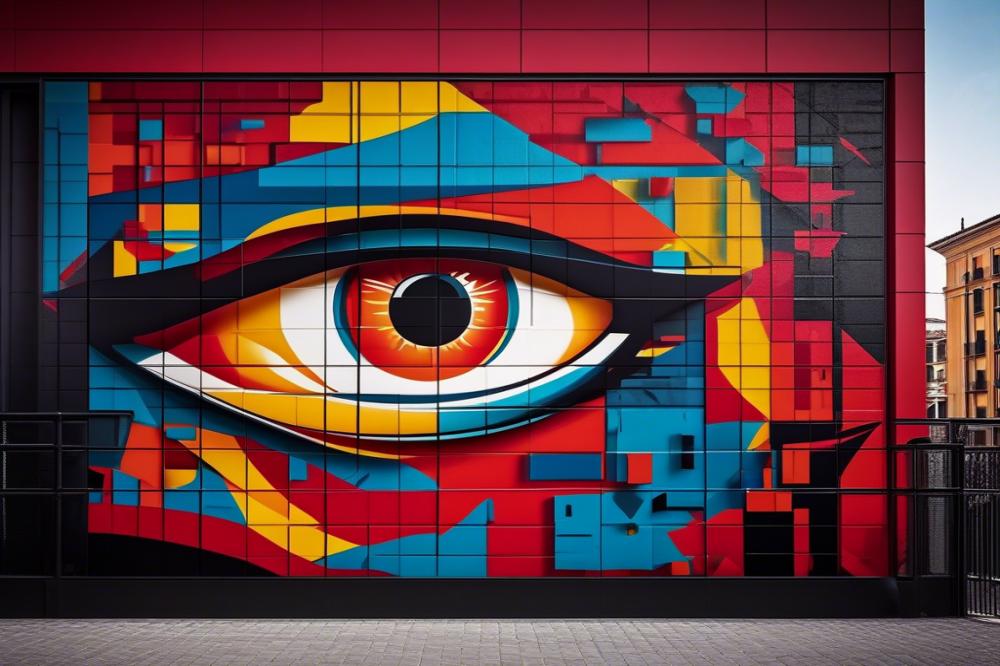
Celebrating the Innovation of Italian Street Art
The landscape of art in Italy is rich and varied. Street art brings a fresh and vibrant layer to this cultural tapestry. Once dominated by canvas and fresco, the Italian art scene has evolved. Today, murals and graffiti transform public spaces into open-air galleries. This new form of artistic expression thrives in urban environments. It serves as a voice for communities, often sharing social commentary that resonates with locals and visitors alike.
Famous painters like Leonardo da Vinci and Michelangelo are revered for their masterpieces. Their contributions shaped art history. Yet, this legacy continues to evolve. Contemporary artists have risen to challenge traditions. They inspire a new generation. Street artists channel their creativity through visually striking urban work. It captures the essence of modern life in Italy. Their pieces spark conversations about culture, politics, and identity.
Transitioning from traditional art forms to Urban Creativity is essential. Art festivals around the country showcase talents both emerging and well-established. These events breathe life into neighborhoods, connecting art lovers with artists on the streets. The energy is palpable as people gather to appreciate public art. Each work tells a story, layered with meaning and intent. The colorful murals adorned on building walls reflect diverse perspectives. This shift demonstrates the power of art in public spaces, making it accessible to all.
Italian Street Art is not just entertainment; it is a reflection of our times. It reminds us that art exists beyond gallery walls. Today, it invites dialogue and fosters community connections. As urban culture continues to thrive, the role of street art becomes ever more significant. So, let’s celebrate this innovative expression of creativity that breathes new life into our cities.
The Evolution of Italian Street Art
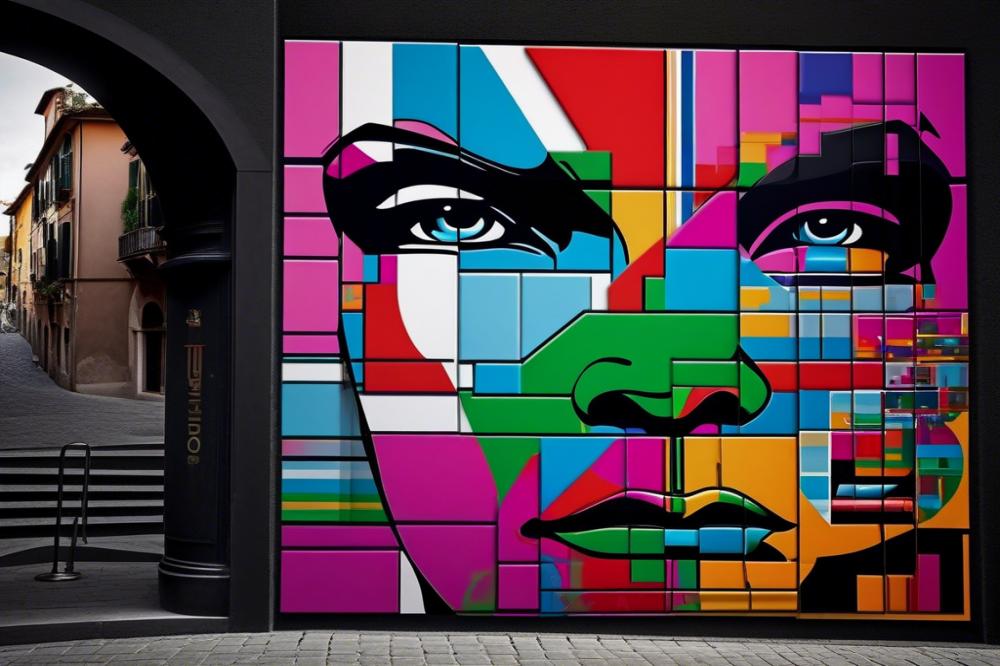
graffiti has played a crucial role in urban landscapes across Italy. For decades, this art form provided a voice for the voiceless. It often emerged in the aftermath of social upheaval, reflecting the struggles and joys of life. Early graffiti, often simple tags scrawled on walls, served as a means of personal expression. Over time, these elements morphed into more complex creations.
In the late 20th century, modern street art began to take root. Artists drew inspiration from various sources, including pop culture and politics. The vibrant murals that started to appear on city walls showcased a new wave of creativity. They told stories, expressed emotions, and offered social commentary. These early innovators set the stage for the thriving scene we see today.
Key Movements and Figures
Several movements have shaped urban culture in Italy. The rise of graffiti crews helped foster a unique community among street artists. Their work often highlighted pressing social issues. Events such as art festivals became a platform for showcasing new talent and ideas. Renowned street artists like Blu and Jorit Agoch emerged during this period, capturing attention with their large-scale murals.
The fusion of contemporary art with traditional graffiti styles made a significant impact. Artists began to break away from conventional painting techniques, experimenting with new forms and materials. Their work transformed cityscapes into vibrant galleries, engaging the public in dialogue. This bold artistic expression has redefined public art, making walls a canvas for change.
Today, Italian street art continues to evolve. It reflects a dynamic interplay between the past and the present. Street artists bring fresh perspectives to old challenges. Murals now serve not just as decoration but as a profound commentary on society. As new generations of artists emerge, the legacy of their predecessors influences their work.
Prominent Italian Street Artists
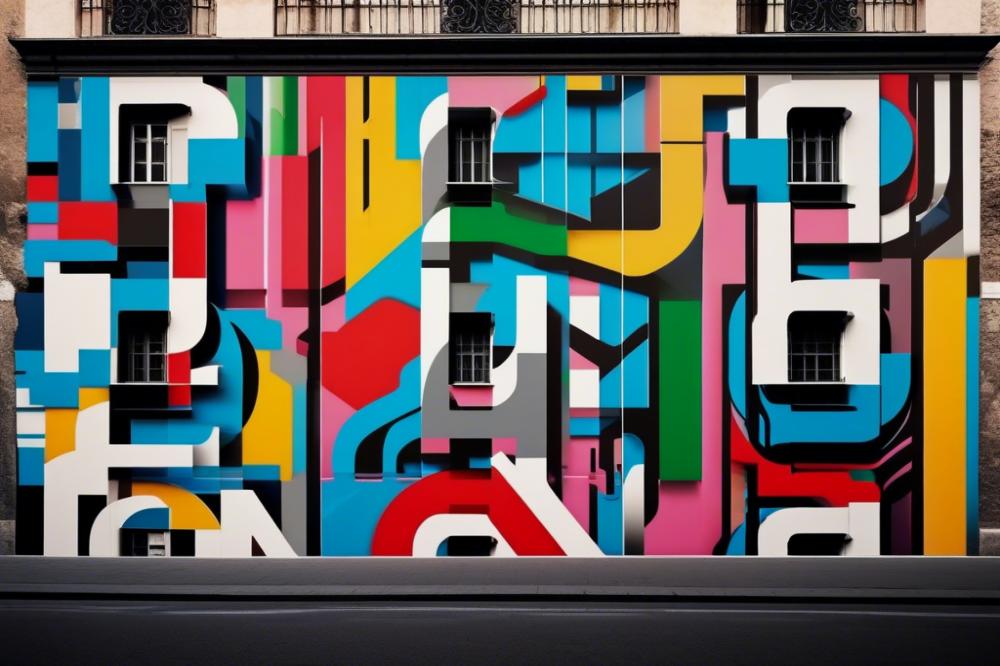
Italy has given birth to many influential street artists. Their work is as diverse as the regions they come from. Each artist has their own voice and vision, contributing to the vibrant landscape of urban culture. Let’s explore a few of these remarkable figures.
Key Figures in the Scene
One of the leading names is Blu. He began as a graffiti artist in Bologna. Over the years, his giant murals took shape across cities. Blu’s pieces often carry a heavy social commentary, engaging viewers to reflect on serious issues. Another impressive artist is Jorit Agoch. His work often showcases striking portraits. Jorit uses an airbrush technique, creating depth and detailed expressions.
Distinct Styles and Techniques
Italians have a knack for blending different styles in their art. Street artists frequently experiment with various mediums. For instance, stencil art is popular among many creators. Artists like 108 use bright colors and playful designs. Murals tell stories and draw people into different worlds. This artistic expression thrives in the streets, making public art accessible to all.
Impact on Art Festivals and Global Scene
Art festivals across Italy celebrate street art. These events attract artists and fans from around the world. Artists like Ogni and Alice Pasquini not only showcase their work but also create connections. These gatherings help spread new ideas and styles. Thus, Italian street artists not only influence their home, but they also leave a mark globally.
Through their creativity, these artists challenge conventions. Each piece stands as a testament to the power of art in community spaces. Their work reflects contemporary art’s evolution, showing that graffiti is more than just paint on walls. It serves as a voice for many. This celebration of innovation is what defines Italian street art today.
The Role of Murals and Public Art
Murals play a crucial role in shaping urban environments. They transform blank walls into vibrant canvases. This form of contemporary art breathes life into dull spaces. People experience murals as they walk through city streets. Each piece adds character and energy to neighborhoods.
In Italy, public art is woven into the fabric of cities. Famous locations, like Rome and Milan, showcase incredible artwork. Street artists passionately share their vision with the world. Festivals celebrating art allow for unique expressions in public spaces. These events invite communities to connect and engage with their surroundings.
Consider the iconic murals of Naples. They highlight social issues, transforming ingrained local culture. Artists often draw attention to critical topics like inequality and poverty. Their vivid colors and bold designs challenge viewers to think. In turn, these pieces spark conversations and inspire change.
Art Festivals and Collaborations
Italy boasts a variety of street art festivals that draw attention from around the world. Events such as the Biennale in Venice and the International Street Art Festival in Turin exemplify the country’s vibrant urban culture. Artists gather at these festivals to create stunning murals and innovative graffiti. Visitors can see first-hand how contemporary art transforms cityscapes, making them lively and thought-provoking.
Impact on local and international street artists is significant. These festivals provide a platform for artists to showcase their talent. They foster connections between emerging talents and seasoned professionals. As a result, artists from diverse backgrounds collaborate and share ideas. This helps in promoting social commentary, touching on important issues that resonate with the community.
Collaborative projects often emerge from these notable events. They showcase artistic expression and innovative techniques, blending different styles and influences. Many street artists team up with local communities to create public art that reflects collective values. Through these partnerships, walls transform into canvases that tell stories, convey emotions, or spark conversations.
Each event enriches the cultural landscape of Italy. Creativity flourishes as street artists experiment with new methods and materials. Attendees often leave with a deeper understanding of urban art’s role in society. Festivals ignite a passion for street art, engaging audiences far beyond their borders. The artistic dialogue is continuous, nurtured by collaborations that encourage growth and exploration.
Street Art as Social Commentary
In Italy, graffiti and murals are more than just art. They serve as powerful forms of social commentary. Artists use their talent to reflect the struggles and dreams of urban culture. Various themes emerge throughout this vibrant scene. Issues like inequality, migration, and environmental concerns often take center stage.
Street artists in Italy tackle significant problems through their work. They voice the frustrations of the people living in crowded cities. Many pieces challenge societal norms or provoke thought. These artists often connect with their communities, making their messages even more impactful.
Art festivals become platforms for expression. They showcase the works that speak to the heart of local issues. During these events, spectators can see how contemporary art interacts with daily life. One memorable example is the mural by Blu in Bologna. It depicts a corporate giant with puppet strings controlling politicians, revealing the connection between power and control.
Another artist, Ericailcane, highlights themes of consumerism and urban displacement. His murals often feature animals in human situations. These whimsical yet thought-provoking images prompt viewers to reflect on their own lives. Such artistic expression invites discussion among passersby, drawing attention to pressing matters.
Street art in Italy does not shy away from controversy. Often, it sparks debate and conversation about current events. The artworks become a mirror, reflecting society’s flaws and strengths. When someone sees a powerful piece, it can change their perspective, even if just for a moment.
Artists actively engage their surroundings. The streets transform into open galleries that anyone can access. This accessibility helps people connect with art on a personal level. They become part of the conversation, which is at the heart of public art.
Reflecting on Italian Street Art
The significance of Italian street art goes beyond mere decoration of urban spaces. It serves as a voice for the voiceless, expressing feelings and ideas that often go unheard. This form of creativity fosters a connection between artists and their audiences, inviting people to think, reflect, and engage with their environment. The vibrant murals and bold graffiti transform ordinary streets into dynamic galleries that shout stories of culture, society, and identity. This lively platform showcases talent and provokes conversations on various issues, making it a crucial part of contemporary art.
Influence from street artists reaches far beyond city walls. Many in the art world acknowledge their contributions and seek inspiration from these creators. Techniques, styles, and messages developed on the streets often find their way into galleries and exhibitions. This crossover enriches the entire art scene, pulling inspiration from diverse sources and breaking traditional boundaries. Urban Creativity acts as a bridge between high art and popular culture, proving that true talent can emerge from unexpected places.
The future of this movement looks bright. As cities continue to evolve, opportunities for artists will expand. Local communities are becoming more aware of the potential that urban art holds to revitalize neighborhoods and inspire pride. New technologies and methods of collaboration will shape how this art form develops. Young artists are emerging with fresh perspectives, ensuring that the spirit of innovation remains alive. As society changes, so too will the messages conveyed through murals and graffiti, reflecting the thoughts and dreams of generations to come.

