
Chianti Classico: A Taste of Tuscany’s Tradition
Chianti Classico stands as a symbol of Italy’s rich wine culture. This red wine, primarily made from Sangiovese grapes, has deep roots in the heart of Tuscany. For generations, it has been celebrated not just for its flavor but also for its connection to local customs and history. The black rooster, or Gallo Nero, represents the Chianti Classico wine region. Wines bearing this mark signify adherence to strict production standards and a commitment to quality.
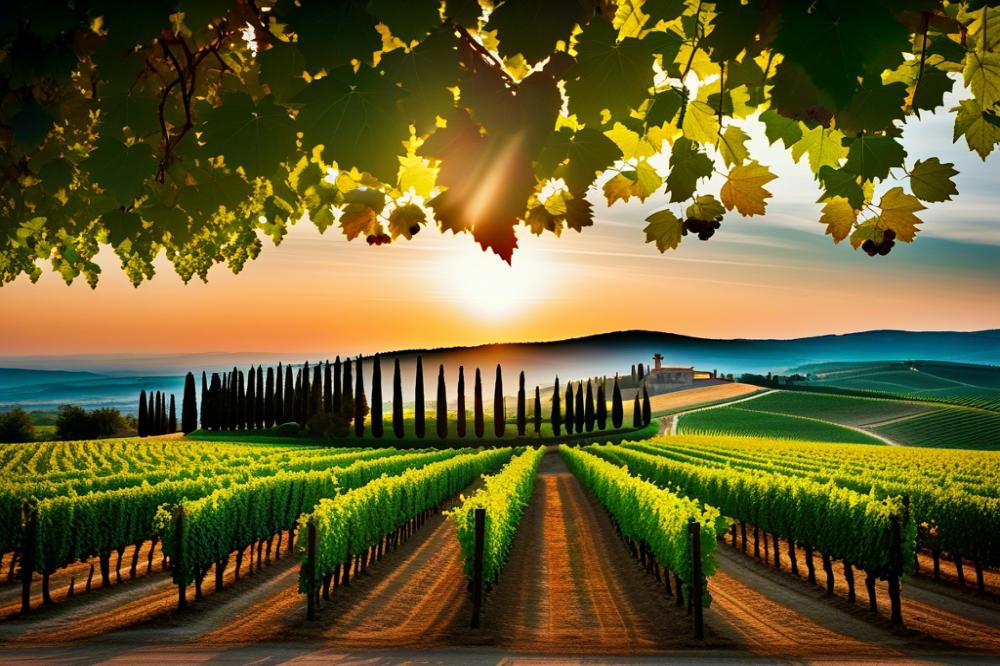
Tuscany is more than just a place; it embodies a way of life guided by tradition. The rolling hills, picturesque vineyards, and ancient towns reflect a legacy that shapes winemaking practices. Local families take pride in their vineyards, passing down knowledge from one generation to the next. This sense of continuity creates a strong bond between past and present. Crafting wine here is not merely a business; it is an art form steeped in heritage that resonates throughout the community.
Tradition plays a vital role in how wine is produced and enjoyed. Each bottle tells a story shaped by the land and the people who cultivate it. It influences everything, from vineyard management to the selection of grape varieties. The methods used in winemaking often remain unchanged for centuries, creating a connection between this generation and those that came before. Chianti Classico is a testament to this lasting relationship, showcasing the passion and dedication of Tuscan winemakers.
Embracing both the old and the new, the region continues to evolve while holding onto its roots. New techniques and technologies enhance the quality of the wines without overshadowing the traditional practices that define them. Visitors to Tuscany can experience this blend firsthand, exploring wineries that celebrate both innovation and history. Whether you are a connoisseur or simply curious, tasting #anchor_text_1# offers a glimpse into Tuscan life.
As more people discover Chianti Classico, its significance within Italian wine culture grows. The connection to the land, coupled with the skill of winemakers, creates a product that resonates with wine enthusiasts around the globe. Here, in the heart of Tuscany, wine is more than just a drink; it is an expression of culture. For those who appreciate fine wine, understanding Chianti Classico is key to grasping the essence of Tuscany itself. Don’t miss the chance to explore the traditions that make this region so special by visiting and tasting the wines yourself, one sip can unlock a world of flavors and stories. If you want to learn more about this enchanting wine culture, check out #anchor_text_2#.
History of Chianti Classico
Origins of Chianti Wine Production in Tuscany
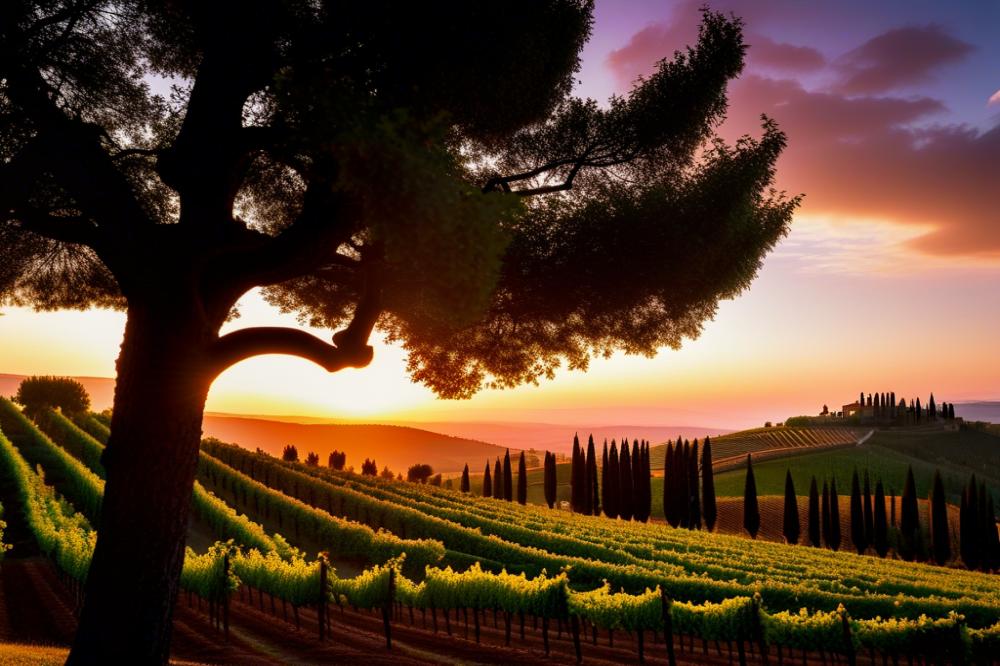
Long ago, winemaking began in the rolling hills of Tuscany. The Etruscans, an ancient civilization, were among the first to cultivate vines in this region. Their practices laid the groundwork for wine production. By the Middle Ages, monks played a significant role in developing viticulture. They planted grapevines and refined winemaking techniques. This effort marked the beginning of what would later evolve into the Chianti wine tradition.
Evolution of the Chianti Classico Branding and Regulations
In 1716, the Grand Duke of Tuscany established boundaries for the Chianti region. This decision was a crucial step in defining Chianti Classico. Over the years, strict regulations were introduced to maintain quality. Producers had to adhere to specific grape varieties and aging processes. The famous black rooster symbol became a mark of authenticity. When you see this emblem, it signifies adherence to these rigorous standards.
Historical Milestones in the Development of Chianti Classico
The 19th century was a transformative period for Chianti. Barone Ricasoli, a prominent figure, developed a classic Chianti recipe. He emphasized the use of Sangiovese grapes, which became the backbone of the wine. Fast forward to the 20th century, and significant advancements in winemaking emerged. Producers began focusing on quality over quantity. This shift led to higher standards within the industry. Today, the Chianti Classico wine region has become synonymous with rich traditions. Its wines are celebrated worldwide, a testament to centuries of dedication and refinement.
Characteristics of Chianti Classico
Key Grape Varieties Used
Sangiovese serves as the backbone of Chianti Classico. This dominant grape brings structure and acidity, making it vital for the region’s wines. Some producers blend Sangiovese with other varietals. Canaiolo, for instance, adds softness and fruitiness. Colorino can deepen the hue and enhance richness. Additionally, grapes like Merlot and Cabernet Sauvignon are sometimes incorporated for complexity. This combination creates depth in flavor and broadens the palate experience.
Typical Flavor Profile and Aromatic Characteristics
When it comes to taste, Chianti Classico wines often display a vibrant fruitiness. Be prepared to encounter cherries, plums, and even a hint of strawberries. Earthy notes frequently accompany these fruity flavors. A touch of leather and spices can also surface, adding intrigue. The aroma is typically fragrant with floral and herbal undertones. Rosemary and dried herbs often permeate the nose. Many enthusiasts appreciate the balance present in these wines—a delightful interplay of sweetness and acidity.
Influence of Terroir on Grape Cultivation and Wine Qualities
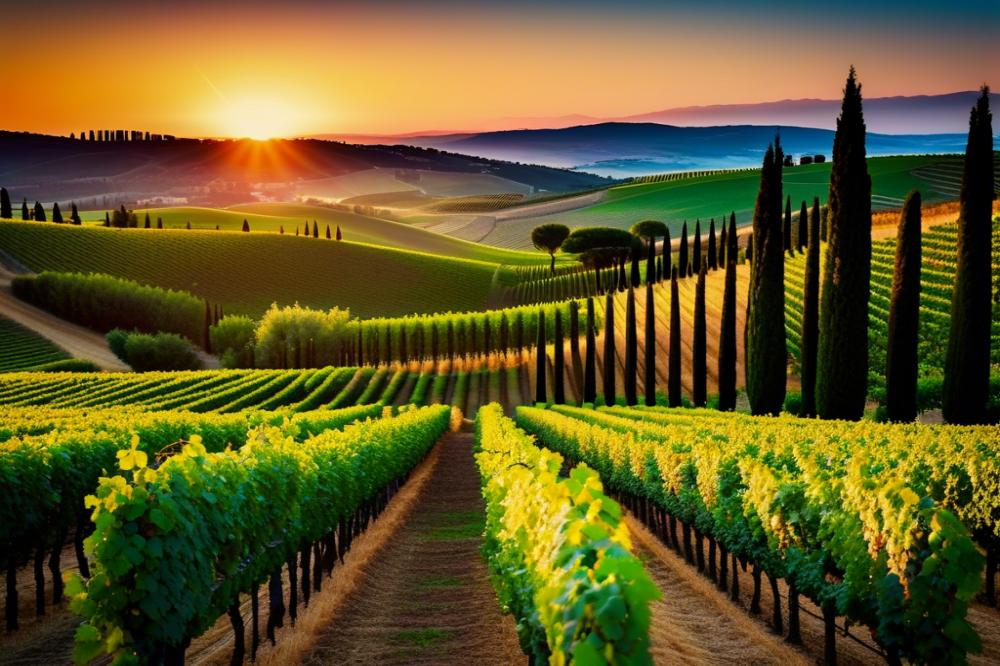
The terroir undeniably shapes Chianti Classico. Rolling hills and varied soils contribute to the distinctiveness of each bottle produced. Clay soils lend richness, while limestone enhances minerality. Climate factors such as sunlight exposure and temperature variations play a crucial role too. These elements work together to affect the characteristics of the grapes. A long growing season allows for gradual ripening, which fosters complexity in the flavors. Therefore, the vineyards of Tuscany cultivate exceptional grapes year after year, providing the foundation for these traditional wines.
Winemaking Process
Chianti Classico wine production combines traditional methods and modern techniques. This careful balance shapes its distinct character. Many producers still follow centuries-old practices. Others adopt innovations to enhance quality and efficiency.
Traditional Methods and Modern Techniques
In the vineyards, old-fashioned methods emphasize handpicking grapes. These grapes are often selected at peak ripeness. The process respects the land and showcases local traditions. Meanwhile, modern techniques improve fermentation control. This allows vintners to craft wines with consistency and flavor depth.
Importance of Aging and Barrel Selection
Aging plays a critical role in the final flavor profile of Chianti Classico. Wines may spend time in oak barrels, which affects taste and texture. Newer barrels impart stronger flavors, while older ones contribute subtler notes. Some producers choose large botti for aging, encouraging more gentle influence. Others prefer smaller barrels for a more pronounced effect.
Role of the Chianti Classico Consortium
The Chianti Classico Consortium oversees production standards and quality measures. This organization works tirelessly to uphold the wine’s reputation. Membership is a mark of credibility for producers. Strict regulations guide grape selection, fermentation, and aging. These quality controls help maintain high standards in every bottle.
Food Pairings with Chianti Classico
Traditional Tuscan Dishes that Complement Chianti Classico
Chianti Classico pairs beautifully with classic Tuscan cuisine. Dishes such as ribollita, a hearty vegetable soup, shine alongside this red wine. The acidity in Chianti balances the rich flavors of the soup. Another fantastic option is pappa al pomodoro, a thick bread and tomato stew. This dish’s rustic nature complements the wine’s vibrant notes. Grilled meats, especially steak, also make an outstanding match. Luscious cuts, like a classic Fiorentina steak, bring out the wine’s tannins expertly.
Exploration of Regional Pairing Suggestions and Culinary Traditions
Tuscany is not just about the wine; it’s also about the diverse food. Different areas have their own specialties that pair well with Chianti Classico. For example, the coastal region features dishes like cacciucco, a rich fish stew. Its bold flavors harmonize nicely with the wine’s depth. In the hills, game dishes are popular. Wild boar, cooked with herbs and spices, offers a delightful combination. Additionally, Tuscan cheeses, such as pecorino, can enhance the tasting experience. Enjoying these regional classics helps connect you to Tuscany’s culinary roots.
Tips for Serving and Enjoying Chianti Classico
Serving Chianti Classico involves a few simple steps. Begin by slightly chilling the wine. A temperature around 60-65°F is ideal. This temperature brings out the wine’s delicate aromas. Use a standard Bordeaux glass to allow the wine to breathe. Pour about a third of the glass to get the best experience. When tasting, give the wine a swirl to release its complex aromas. Take a moment to savor the flavors before taking a bite of food. The experience is truly enhanced when food and wine are enjoyed together. Experiment with different dishes to discover your favorite pairings.
Global Impact and Popularity
The Rise of Chianti Classico in the International Wine Market
Chianti Classico has experienced significant growth in the global wine market. Many countries now recognize its quality and flavor. Consumers are drawn to its rich heritage and distinctive taste. Vineyards in Tuscany proudly showcase this cherished wine. As more people discover its charm, sales continue to climb.
Trends in Consumption and Appreciation of Italian Wines
Interest in Italian wines, especially Chianti Classico, keeps increasing each year. More wine enthusiasts are exploring different regions of Italy. This trend highlights a broader appreciation for Italian culture and cuisine. Restaurants across the globe feature Chianti Classico on their menus. Wine festivals celebrate Italian varietals, and Chianti Classico often steals the show.
Chianti Classico’s Role in Promoting Tuscan Heritage Worldwide
Promoting Tuscan heritage is a natural role for Chianti Classico. This wine acts as an ambassador for Tuscany’s rich traditions and idyllic landscapes. Many tourists visit the region to experience its artistry first-hand. Each bottle encompasses the spirit of Tuscany, its people, and its history. By enjoying this wine, drinkers connect with a vibrant culture, making Chianti Classico a key player on the world stage.
Wrapping Up the Legacy of Chianti Classico
Chianti Classico represents more than just a wine; it embodies a rich part of Tuscany’s history and culture. For centuries, this beloved beverage has poured life into social gatherings, celebrations, and family dinners. Vineyards span rolling hills, showcasing the perfect marriage between tradition and craftsmanship. Each bottle tells a story of the soil, the climate, and the hands that nurtured the grapes.
As one sips a glass of Chianti Classico, the flavors unfold, revealing notes that whisper tales of sun-drenched vineyards. This wine has established itself as a staple in homes and restaurants, not only in Italy but across the globe. The consistent quality and distinctive character appeal to both newcomers and seasoned connoisseurs. The enchantment of Tuscany’s landscape seeps into every drop, captivating those who seek authenticity in their wine experience.
Reflecting on its journey, Chianti Classico remains a symbol of what makes Italian wines special. The dedication of local producers to maintain traditional methods while adapting to modern tastes has solidified its reputation. It’s not just a drink; it’s a connection to a place steeped in art and heritage. Moreover, wine enthusiasts revel in its versatility, pairing it with the hearty fare typical of Tuscan kitchens.
In closing, Chianti Classico stands tall as a testament to its roots and a promise of more to come. It invites people to savor not just a flavor but the essence of Tuscany. With each bottle, one can relish the age-old art of winemaking and the fruits of generations of labor. Whether enjoyed during a meal or savored alone, it ensures an experience like no other. As tastes evolve, the allure of Chianti Classico remains timeless, keeping its place in the hearts of wine lovers everywhere. Remember, every great glass holds a piece of tradition. For those looking to explore this captivating world, engaging with the local vineyards is a step worth taking, making memories that resonate long beyond the last sip. Not just wine drinking, it’s a celebration of life and culture. Discover more about the wonder that is #anchor_text_3# and embrace the richness that the past offers through a glass of #anchor_text_4#.

