
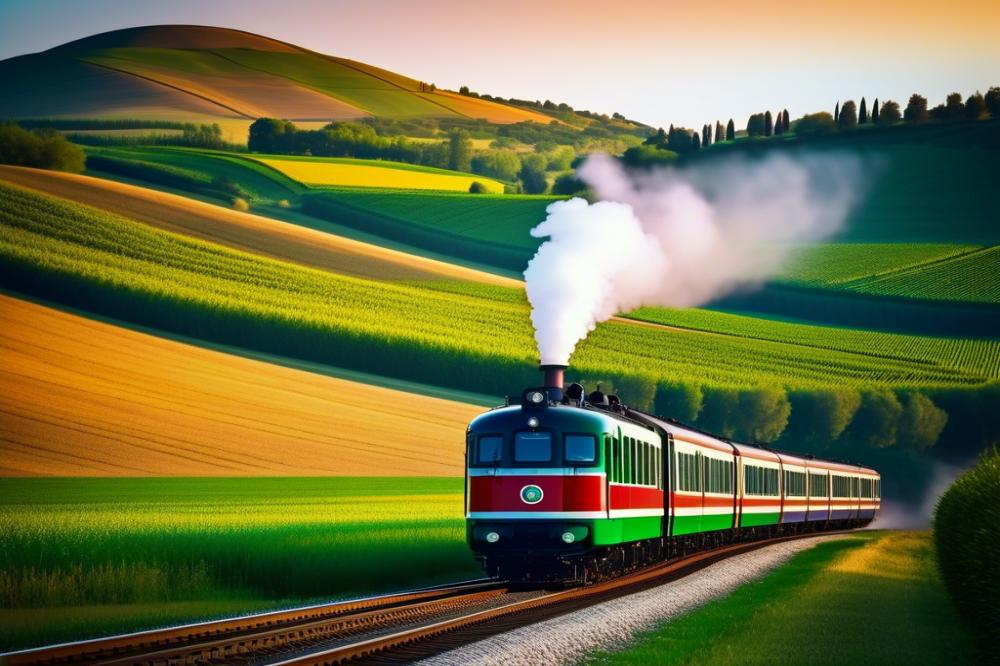
Connecting the Peninsula: A Historical Look at Italy’s Regional Train Networks
Overview of Italy’s regional train networks
Italy boasts an intricate web of regional train networks. These systems play a pivotal role in the country’s travel landscape. railways crisscross through mountains, valleys, and bustling cities. They provide residents and tourists with convenient options for moving between regions. Regional trains connect small towns and major urban areas alike. This connectivity fosters economic growth and cultural exchange among diverse communities.
The Importance of transportation in Italy’s History
The history of transportation in Italy is deeply intertwined with the nation’s progress. Rail transport emerged as a crucial lifeline during the 19th century. Investments in infrastructure changed the way people traveled. Steam engines, followed by electric trains, brought new mobility to the masses. This shift altered daily life and business operations significantly. People could now visit family or conduct business across vast distances. As a result, the growth of cities accelerated during this period of rapid change.
Connection of Regions and Urbanization Through railways
Railways have not only transformed travel but also shaped urbanization trends. Towns that once seemed isolated found themselves more accessible. Many regions began to flourish with enhanced connectivity. The arrival of trains often marked the beginning of industrial growth. Factories and businesses sprouted up near train stations. With these developments, urban centers attracted even more residents. Migration to cities rose sharply as job opportunities increased. Over time, this movement led to significant population shifts across Italy.
In summary, the historical development of Italy’s regional train networks has forged connections that resonate to this day. Understanding this transformation reveals how transportation has shaped Italian society.
The Origins of Rail Transport in Italy
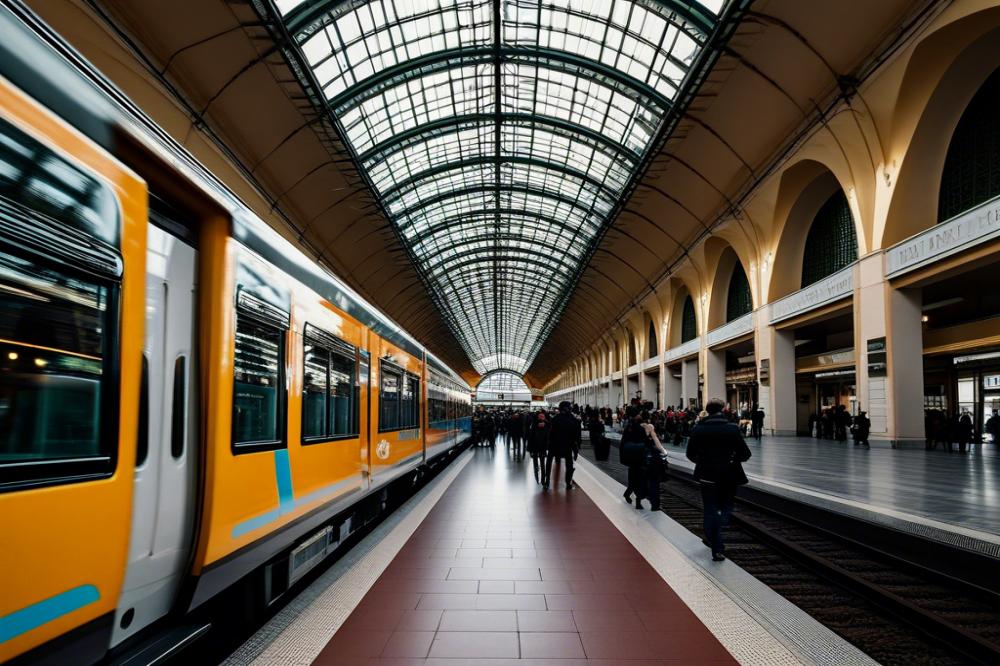
Transport in Italy has a rich and varied history. The early developments of the Italian railway system began in the 19th century. The first railway line opened in 1839, running between Naples and Portici. This event marked a significant shift in the way people traveled and goods were transported across the peninsula. Within a few decades, rail networks expanded dramatically.
Key historical moments influenced this growth. The unification of Italy in the 1860s created a need for better connectivity between regions. Leaders recognized that a cohesive railway system would strengthen the nation. This infrastructure allowed for easier movement of troops and materials during conflicts. Rail transport became integral to the economic development of newly unified regions.
Urbanization also played a role in shaping Italy’s railways. As cities grew, the demand for regional trains increased. People sought efficient ways to travel between urban centers and the countryside. Industrial growth further fueled this need, connecting factories to markets. railway systems adapted to meet these requirements, fostering a sense of national unity while improving accessibility.
The story of Italy’s railway network is almost a story of its people. Millions have used these trains for their daily travel, creating connections among families and communities. Over time, the railways have symbolized progress and modernization. As the system evolved, it revolutionized the landscape of transportation in Italy.
Growth and Expansion of Regional Train Networks
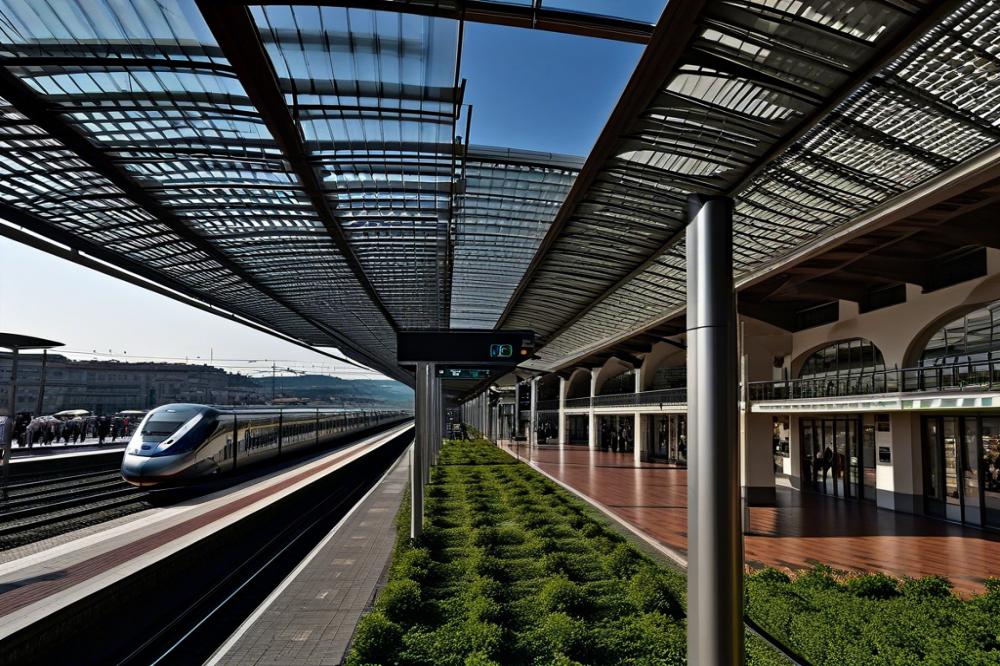
During the late 19th and early 20th centuries, Italy witnessed a significant transformation in its transportation systems. The introduction of railways connected various regions, making travel faster and more efficient. Cities began to emerge as centers of industry and commerce, reflecting the growing urbanization of the country. Many locals relied on trains to travel between towns, fostering a strong sense of community and connection.
Investment in infrastructure played a crucial role in this expansion. The government, recognizing the importance of rail transport, allocated funds to build new lines and improve existing ones. Modern train stations sprang up in urban areas, providing a gateway for travelers and goods alike. These developments not only enhanced connectivity among cities but also supported economic growth.
As railway services evolved, Italy saw an increase in the variety of regional trains. Initially, heavy freight trains dominated the railways. Gradually, passenger services expanded, catering to the needs of commuters and leisure travelers. With this evolution came innovations in speed and comfort. Trains became more reliable, encouraging people to choose rail travel over other forms of transportation.
Throughout history, the landscape of regional train services has reflected the changing needs of society. More recently, sustainability and efficiency have become central themes in railway development. Today, trains are essential to Italy’s culture and economy, offering a glimpse into the nation’s rich heritage and future potential.
The Impact of Regional Trains on Italian Society
Regional trains have fundamentally altered how people navigate through Italy. Travel has become easier for many. Daily commutes to work or school, for example, have transformed lives. Instead of being confined to one area, individuals can now access different cities and towns. This shift gives people more job opportunities and educational options.
Tourism greatly benefits from rail transport as well. With stunning landscapes waiting to be explored, many visitors choose trains over cars. Regional networks help tourists reach both famous cities and hidden gems. Local economies thrive when travelers discover small villages and local attractions. Shops, restaurants, and markets see an uptick in business. This influx of visitors supports communities that would otherwise struggle.
Changes in Urbanization Patterns
Connectivity through railways has also influenced where people choose to live. Urbanization patterns have shifted as communities grow near train stations. More housing developments often spring up along these lines. Residents enjoy the convenience of easy transport to larger cities while still living in quieter areas. These trends reshape neighborhoods and foster new cultural exchanges.
Overall, regional trains have played a pivotal role in shaping modern Italy. The benefits stretch beyond just travel. They link people to opportunities, help economies flourish, and influence how cities and towns develop. Every journey on these tracks tells a part of Italy’s ongoing history.
Modern Developments: Current State of Regional Train Networks
Today, Italy’s regional train services play a vital role in connecting cities and towns across the country. These trains offer an affordable and efficient way for residents and tourists to travel. Many lines serve major urban areas, making them essential for daily commuting. Local railways focus on short-distance travel, allowing people to hop from village to province with ease. The recent improvements in infrastructure have made these services more reliable and punctual.
Comparing regional trains to other famous railways worldwide highlights their distinct features. Unlike the high-speed trains like the Shinkansen in Japan or TGV in France, regional trains operate at slower speeds. However, they focus on accessibility and local connectivity. Travelers can experience Italy’s rich landscapes at a relaxed pace. While the Thalys or Eurostar emphasizes speed and distance, Italy’s trains prioritize community and regional access.
Challenges in modernization loom over regional train networks. Age-old infrastructure often requires significant upgrades. Many stations lack facilities that meet modern expectations. Moreover, urbanization has increased demand for transport solutions. This puts pressure on services to adapt and grow. Opportunities exist in eco-friendly technologies, such as electric trains. Innovations can promote sustainability, benefiting the environment and improving passenger experience.
Investment in rail transport is critical for future success. Government initiatives can bolster not just the economy but also environmental health. Enhancements in connectivity mean better journeys for travelers. While strides have been made towards a more modern network, much work remains to fully meet the needs of all passengers. Striking a balance between modernization and heritage will be key moving forward.
Future Prospects for Italy’s Regional Train Networks
Looking ahead, several trends will impact the future connectivity of Italy’s railways. Urbanization continues to rise as more people flock to cities. This influx intensifies the demand for reliable transportation options. Regional trains will need to adapt to this growing need. Enhancing infrastructure will become crucial in accommodating increased passenger volumes.
Trends Influencing Future Connectivity and Infrastructure
One key trend is the emphasis on network expansion. As towns and suburbs flourish, extending the reach of the railways appears vital. Installations of new lines can improve access to remote areas. People living outside of major cities deserve the same level of mobility. Additionally, partnerships between government bodies and private sectors might provide the necessary funds.
Integration of Technology in Rail Transport
Technology’s role in rail transport is becoming more significant. Innovations are transforming everyday travel experiences. Smart ticketing systems will simplify how passengers purchase and use fares. Information screens at stations will offer real-time updates. Passengers will benefit from apps that provide journey planning tools, making trips smoother. Furthermore, innovative train designs may enhance speed and comfort, attracting even more riders.
Vision for Sustainable Travel in Italy
Italy’s commitment to sustainable travel is gaining momentum. Environmental concerns drive the country toward greener solutions. New rail systems will prioritize energy efficiency. Plans are underway to integrate renewable energy sources into operations. This includes solar panels on station roofs and electrified tracks. By aligning with climate goals, regional trains can reduce their carbon footprint significantly. The vision encompasses not just transportation, but also the preservation of natural landscapes.
Final Insights on a Historical Network
Regional train networks play a crucial role in Italy’s history. They bind the country together, allowing people to travel efficiently across various regions. This infrastructure has fostered connections among towns and cities, promoting not only trade but also cultural exchange. As a result, these services have shaped the national identity in many ways.
Transportation by rail offers an accessible way for individuals to explore the rich tapestry of Italy. From the rolling hills of Tuscany to the bustling streets of Naples, trains have provided a lifeline for countless travelers. They not only connect major cities but also reach smaller villages, showcasing the landscapes that make Italy distinctive.
The evolution of rail travel in Italy continues. Innovations in technology and improvements in service are transforming how people experience journeys. Modern trains are more comfortable and efficient, catering to the needs of contemporary travelers while honoring the historical significance of the networks. This ongoing transformation reflects society’s desire for better ways to connect.
It is essential to recognize the importance of railways in this beautiful peninsula. Understanding their history and ongoing development gives us a deeper appreciation for how they have shaped lives over time. As we look to the future, let’s celebrate not just the convenience of trains but also the stories they carry—stories of families reunited, cultures mingled, and adventures begun.

