
Introduction
Italian aperitifs and digestifs have long played a significant role in the culinary culture of Italy. These beverages are designed to awaken the palate or aid in digestion after a meal. They come in a range of flavors, from the sweet and fruity to the intensely bitter. One fascinating option in this category is a bitter herbal liqueur that surprises many with its distinct taste.
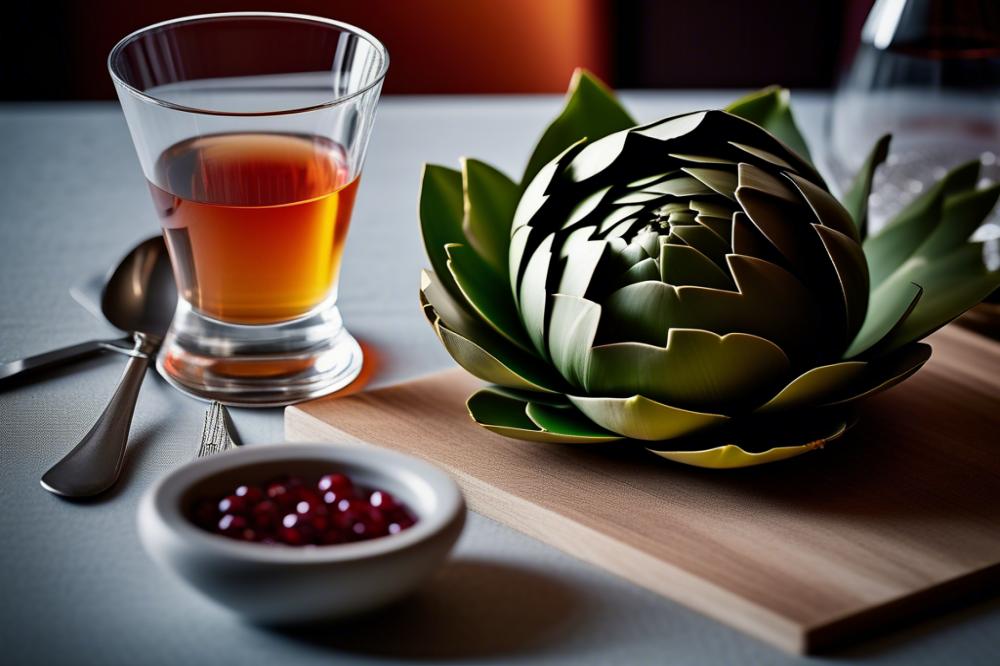
Cynar stands out among Italian liqueurs due to its unusual artichoke base. This ingredient may raise eyebrows, yet it contributes to the drink’s complex character. bitters are pronounced in its flavor profile, making it an excellent choice for those looking to explore something beyond standard spirits. The unique flavor is crafted from various herbs and plants, offering a refreshing twist that often attracts adventurous drinkers.
This liqueur is not only enjoyed neat but has also become a popular cocktail ingredient. Many mixologists incorporate Cynar into creative digestif recipes. From refreshing spritzers to sophisticated after-dinner drinks, its versatile nature shines. As more people learn about this artichoke-infused delight, its popularity continues to grow, making it a worthy consideration for any cocktail enthusiast.
Cynar: A Bitter Herbal Liqueur

Cynar originated in Italy during the 1950s. Known for its distinctive ingredient, this liqueur features artichoke as its signature plant. However, it is much more than just that. The creation involves a secret blend of 13 different herbs and plants. These components work together to craft a complex drink.
Each sip reveals a bittersweet symphony. The flavor profile is both earthy and refreshing. Notes of artichoke mingle with unexpected hints of mint and slight citrus. The herbal undertones create a layered tasting experience. Bitterness remains the defining characteristic, making this beverage stand out. Wise drinkers appreciate the depth that Cynar brings to the table.
Those who enjoy digestives will find excitement in this option. It serves as an excellent aperitif, readying the palate for a meal. Additionally, Cynar has gained popularity in cocktail recipes. Innovative bartenders have turned it into a favored cocktail ingredient. Classic drinks benefit from its unique flavor, drawing attention in bars around the world.
Comparing Cynar with other popular Italian digestives reveals interesting contrasts. While many options focus on sweetness, this herbal liqueur takes a different approach. Amaro and Fernet Branca offer their own distinctive flavors, often leaning towards more potent herbal notes. Conversely, Cynar appeals to those who enjoy a gentler yet still bitter experience. Its balance makes it versatile for various tastes.
The Role of Artichoke in Cynar

The artichoke is a star ingredient in this bitter herbal liqueur. Its presence is critical for creating a distinctive taste profile. This vegetable contributes a complex, earthy flavor that balances the bitterness associated with traditional digestifs. The interplay between the artichoke and other botanicals adds depth to the overall taste. Drinkers often notice a hint of sweetness against a backdrop of herbal notes.
Beyond flavor, artichokes also have a long history of health benefits. Traditionally, they have been used to aid digestion. Many believe that they help cleanse the liver and detoxify the body, making them an appealing option after a rich meal. This connection to wellness enhances the charm of the liqueur, especially when enjoyed in digestif recipes.
As an aperitif, this Italian liqueur stands out in social settings. Bartenders often use Cynar cocktails to showcase its versatility. The rich, herbal flavors make it a fantastic ingredient in various mixed drinks. These drinks offer a refreshing alternative to sweeter or more traditional cocktails.
The artichoke’s role in Cynar goes beyond just taste. It lends a powerful narrative that connects to Italian culture and cuisine. Artichokes have long been celebrated in Italy for their unique qualities. This cultural significance enriches the liqueur’s appeal, bridging culinary tradition with modern enjoyment.
In summary, the artichoke does much more than flavor Cynar. It enhances its reputation as a sophisticated choice among bitters. Whether consumed straight, on the rocks, or mixed in a cocktail, the artichoke elevates the drinking experience. Each sip offers a reminder of the artistry involved in crafting this exceptional bitter herbal liqueur.
Cynar as an Aperitif and Digestif
This bitter herbal liqueur holds a special place in the world of Italian beverages. It serves wonderfully as both an aperitif and a digestif. When sipped before a meal, its distinctive artichoke flavor opens the palate, stimulating appetite. Many people enjoy a simple serve of Cynar over ice, perhaps with a slice of orange or a twist of lemon peel. This drink prepares the senses for the feast ahead.
After a hearty meal, Cynar transitions seamlessly into a digestif. Its complex profile of bitters aids in digestion. Traditionally, it might be enjoyed neat or with a splash of soda. Some even prefer it in a warm drink during cold months. Understanding how to savor this Italian liqueur enhances the experience.
Traditional Serving Suggestions and Consumption Methods
Classic cocktails often include Cynar as a key ingredient. Bartenders often use it in drinks like the Cynar Spritz or Cynar Negroni to add a distinct twist. Alternately, simply pouring it over ice creates a refreshing experience. Other methods might include adding it to tonic water for a lighter, bubbly version. This variety highlights the liqueur’s versatility.
Pairing Cynar with Food for Enhanced Dining Experiences
Food pairing greatly influences the overall appreciation of this beverage. The bittersweet notes complement rich cheeses, particularly aged varieties. Charcuterie boards featuring salami and prosciutto can also enhance flavor. Meats that are salty or fatty balance well with Cynar’s complexity. Vegetables, especially those with earthy tones, can provide a harmonious match.
When it comes to desserts, darker chocolate treats shine alongside this herbal liqueur. The bitterness in the Cynar adds depth to the sweetness of a rich dessert. Creative minds might even incorporate it into unique digestif recipes. Thus, Cynar enriches dining, making each meal memorable.
Cynar in Mixology: Cocktail Ingredient
This Italian liqueur, made from artichokes and a blend of herbs, serves as a wonderful cocktail ingredient. Its complex flavor profile draws in both seasoned bartenders and curious drinkers. Casual enthusiasts enjoy the balance of bitter and herbal notes it brings to drinks. In recent years, Cynar cocktails have gained popularity, thanks to their refreshing twist on traditional recipes.
Popular Cynar Cocktails and Their Unique Flavor Combinations
Recipes for Classic and Modern Cynar Cocktails
Here are a couple of simple recipes that highlight Cynar’s versatility:
- Cynar Negroni: Pour 1 oz of Cynar, 1 oz of gin, and 1 oz of sweet vermouth into a mixing glass filled with ice. Stir well and strain into a rocks glass filled with ice. Garnish with an orange peel.
- Cynar Sour: Shake 2 oz of Cynar with 1 oz of fresh lemon juice and a 1/2 oz of simple syrup with ice. Strain into a chilled glass and garnish with a lemon twist.
The Growing Trend of Bitters in Craft Cocktails and Cynar’s Place in It
Digestif Recipes Featuring Cynar
Creating delicious digestif recipes is easy. Serving artichoke liqueur after meals can truly enhance the dining experience. One simple way to enjoy this herbal spirit is neat. Pour it into a small glass and sip slowly. This method allows the unique flavor to shine.
For those looking to spice things up, try an artichoke spritz. Mix equal parts of Cynar and prosecco in a glass filled with ice. A twist of lemon adds balance to the drink. This refreshing option captures the essence of an Italian aperitif while showcasing the liqueur’s complexities.
Creative Uses of Cynar in Home Recipes
Exploring creative uses can be fun. Consider adding this bitter herbal liqueur into homemade sauces. A splash in a tomato sauce gives an unexpected depth. It pairs well with rich dishes and can transform simple recipes into gourmet experiences.
Another exciting idea involves crafting Cynar cocktails. Mix it with gin and a splash of tonic water for a new twist on a classic drink. Use lemon or grapefruit to offset the bitterness, creating a lovely balance. This approach opens the door to many different flavor combinations.
Tips for Balancing Cynar’s Bitterness with Other Flavors
Balancing the bitter notes requires some thought. Sweetness can counteract Cynar’s powerful taste. Try using simple syrup or honey in cocktails. Both add a layer of sweetness that harmonizes nicely.
Herbs can also complement its flavor profile. Fresh mint or basil enhance the herbal qualities beautifully. A well-crafted drink can surprise the palate with its complexity, all while remaining approachable.
Don’t overlook the effect of temperature. Chilling your glass can soften the bitterness. As the drink warms, the different notes become more pronounced, providing a layered tasting experience.
Final Thoughts on a Bitter Legacy
Cynar stands out as a bitter digestif that has garnered appreciation for its distinctive flavor. Made with artichoke and a blend of herbs, it presents a complex taste that appeals to many. Those who enjoy bitters often find their palate excited by the rich, herbal notes found in this drink.
Exploring this digestif opens up numerous avenues for creative enjoyment. From sipping it neat or on the rocks to using it as a mixer in cocktails, the possibilities are nearly endless. Bartenders and home mixologists alike can experiment with this versatile ingredient, adding depth to classic drinks or inventing something new.
In Italian culture, this beverage occupies a significant role. Italians have long savored it as a way to aid digestion after meals. Its popularity has spread well beyond Italy’s borders, allowing it to find a place in bars and homes around the globe. People new to this drink may be surprised by its bold flavors, yet many find it a delightful addition to their drinking experience.
Overall, this bitter digestif not only enhances the ritual of enjoying a meal but also bridges traditions. Individuals who appreciate diverse tastes should consider adding it to their repertoire. Whether enjoyed before a meal or as part of a fancy cocktail, this product offers a little something for everyone.

