
Introduction
Italian wine culture is much more than just beverages. It represents a significant part of the nation’s heritage and lifestyle. This culture has evolved over centuries, blending tradition with innovation. Vineyards stretch across luscious hills, producing some of the finest wines in the world. Each region boasts its own specialties, making Italy a haven for wine lovers. From Barolo to Chianti, the variety is astonishing.
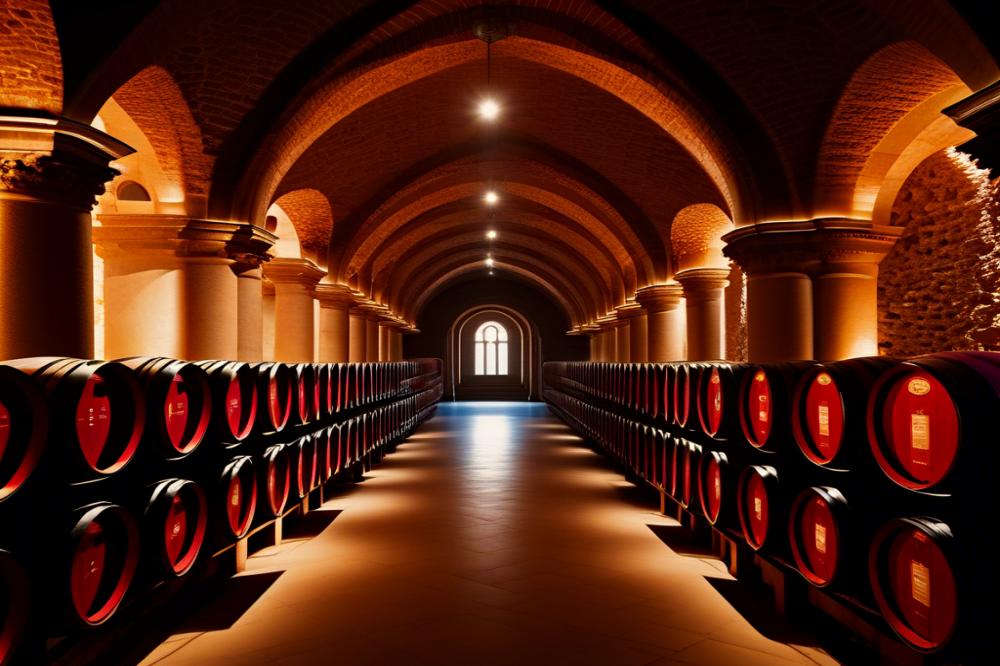
Among the most fascinating aspects of this culture are the wine tunnels and underground wineries that dot the landscape. These historical wineries are often hidden from plain sight. They store exquisite wines in vast, subterranean vineyards that date back hundreds of years. A visit to one of these spots feels like stepping into a living museum. Often referred to as “Italian wine cathedrals,” these structures offer much more than storage; they provide a unique ambiance for experiencing wine.
The allure of underground wine experiences continues to grow. Wine caves, with their cool, earthy charm, invite enthusiasts to taste and explore. Events at these locations, such as underground wine tastings, immerse visitors in an unforgettable atmosphere. Such experiences blend the appreciation of architecture with the enjoyment of fine wine. Tourists come to Italy seeking these one-of-a-kind adventures, drawn by the promise of discovery in hidden spaces. The appeal of an Enoteca set within an ancient cellar only enhances this excitement, offering a slice of history within every sip.
Italian wine cathedrals: A Unique Heritage
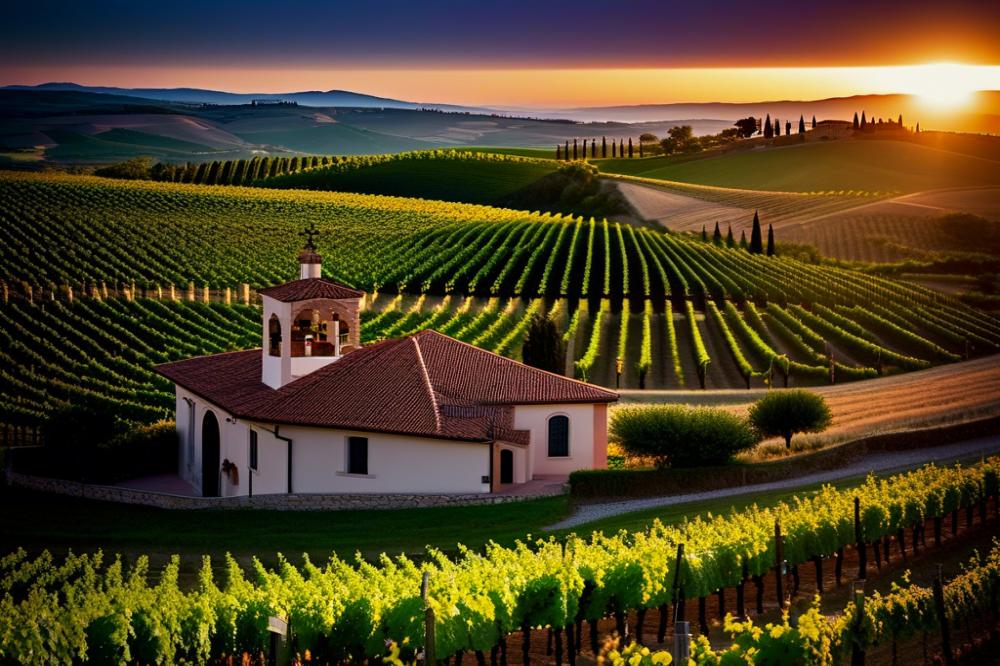
Italian wine cathedrals are not just stunning structures; they symbolize centuries of winemaking tradition. These elaborate underground spaces include wine tunnels, wine cellars, and even stone caves. Crafted with care, they represent the pinnacle of wine architecture in Italy. Visitors often describe immersing themselves in a world that feels both ancient and alive.
Historical Context of Wine Tunnels and Cellars in Italy
Historically, Italy has a rich tapestry of wine production. The idea of creating underground spaces for aging wine dates back to Roman times. Ancient winemakers discovered that a cool, dark environment enhances the aging process. Over centuries, these wine tunnels evolved, shaping the landscape of Italian vineyards.
Regions like Tuscany and Piedmont are famous for their historical wineries that utilize these subterranean techniques. Here, traditions blend with innovation to create lasting legacies. In recent years, wine tourism has blossomed in these areas. Tourists flock to explore and appreciate the deep connection between land and wine. Visitors can revel in unique wine experiences offered in these storied settings.
Significance of Architecture in Wine Production
The architecture of wine caves plays a critical role in the overall quality of wine. Depth and design help regulate humidity and temperature, crucial conditions for aging. Elegant arched ceilings and thick stone walls provide natural insulation. Each element is carefully thought out to optimize the aging process.
Beyond functionality, these spaces are often breathtaking. Many cellars feature beautiful Enoteca, showcasing bottles that reflect local terroir. Guided underground wine tastings often take place in these remarkable venues, allowing guests to savor the fruits of the vine. Appreciating the artistry of both the wine and the structure enhances the overall experience for visitors.
In conclusion, the melding of rich history, stunning architecture, and exceptional winemaking creates a captivating narrative. Exploring these underground realms invites a deeper understanding of Italy’s cultural heritage. Every visit is an open door to the past, where passion meets craftsmanship in the world of wine.
Exploring the Wine Tunnels and Cellars
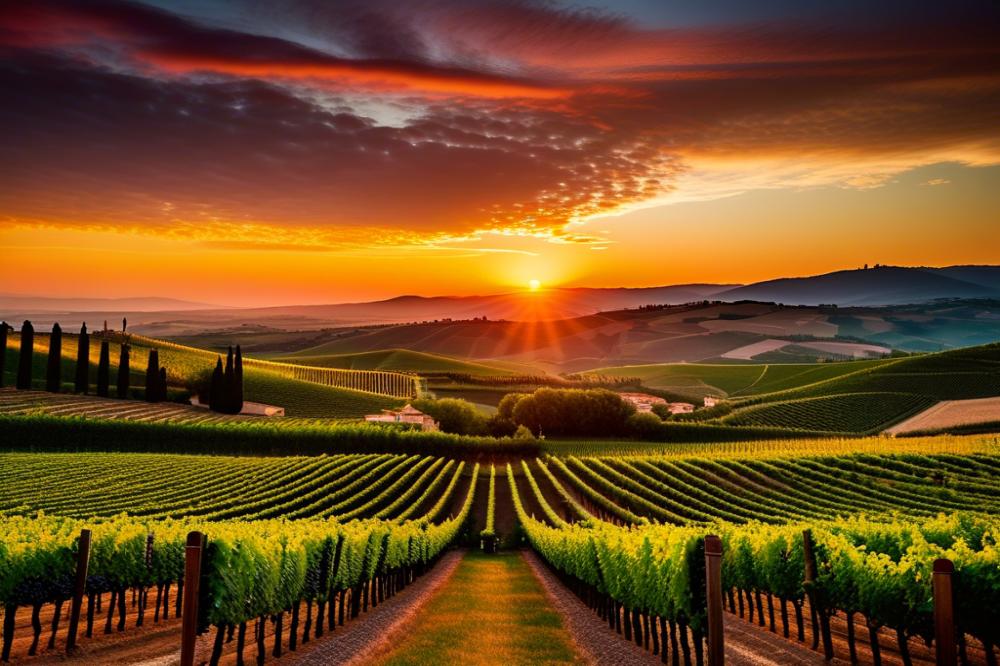
Italy is famous for its remarkable wine regions, many of which hide astonishing wine tunnels and cellars. These underground spaces serve not just as storage but as an essential part of the winemaking process. The cool, dark environment is perfect for aging wines, preserving the flavors that draw enthusiasts from all over the globe.
Notable regions for wine tunnels and cellars
In Tuscany, the Chianti region features numerous historical wineries with extensive cellars carved deep into the hillsides. These structures often date back centuries, showcasing impressive wine architecture that merges seamlessly with the landscape. Another great area is Piedmont, where famous wine caves can be found beneath the rolling hills. The cellars here are often adorned with ancient stone walls and rustic wooden barrels, providing an authentic feel to any wine tour.
Examples of famous wine cathedrals and their unique features
One of the standout sites is the Cantina Antinori. Located in Florence, its underground structure houses not only wine but also art. Visitors can explore the elegant halls that blend tradition with modern design. Another gem is the historic winery of Marchesi di Barolo. This place offers a captivating underground wine tasting experience. The tunnels here are filled with artifacts from a rich past, surrounded by barrels of Barolo aging to perfection.
The role of subterranean vineyards in Italian winemaking
Subterranean vineyards are crucial for the winemaking process in Italy. The earth’s natural temperature helps maintain a consistent climate for the wine. Those working in these wine tunnels can create more refined flavors. Additionally, the humidity levels in these cellars prevent the corks from drying out, ensuring the wine remains sealed properly over time. Wine tourism has flourished in these areas, offering visitors a chance to discover the depth of Italian winemaking. Exploring these tunnels offers a unique wine experience that few other countries can match.
Finding an Enoteca, or wine shop, often leads to astonishing surprises. These establishments carry bottles from local vineyards, making them perfect for tasting and purchasing. It’s a great way to savor the taste of Italy’s rich viticulture. Each visit is an adventure, a journey into the heart of Italian heritage and the
art of winemaking.
Immersive Wine Experiences in Italy
The rise of wine tourism in Italy has transformed how people engage with this ancient tradition. Travelers are increasingly seeking experiences that go beyond simple tastings. They want to connect with the culture, history, and craftsmanship behind each bottle. As a result, many wineries are opening their doors to immersive events.
Details on Underground Wine Tasting Events
Underground wine tasting events offer a thrilling escape into Italy’s winemaking heritage. Guests descend into wine tunnels, where the air is cool, and the ambiance is steeped in stories of the past. In these wine caves, visitors can savor rare vintages while surrounded by barrels that have aged gracefully for years. Each sip invites discussion about terroir and the unique elements that shape Italian wines.
Innovative Wine Experiences in Enoteca Settings
Enotecas across Italy are reimagining the traditional wine-tasting experience. Many of these venues feature striking wine architecture that creates an impressive atmosphere. Patrons often explore diverse selections of local wines accompanied by curated pairings of regional delicacies. Some Enoteca settings even hold workshops where guests can learn about the winemaking process from experts. These activities foster a deeper appreciation for the intricate techniques involved in producing high-quality wines.
Historical wineries also contribute to this evolving landscape. Many are nestled within centuries-old structures, offering a glimpse into the past. Tours often reveal the laborious methods of vintners from generations ago. Modern technology, combined with these traditions, results in wines that tell a story, bringing history and flavor together.
In the realm of Italy wine tourism, opportunities abound for adventure. Subterranean vineyards provide a unique backdrop for those looking to escape the ordinary. Visitors can feel the earth’s coolness while learning about sustainable practices in winemaking. Each experience is tailored to showcase the character of the region, leaving participants with unforgettable memories.
The Craftsmanship of Historical Wineries
Italy is home to many renowned historical wineries, each with its own story and charm. These establishments have transformed subterranean spaces into stunning wine cathedrals. Notable wineries like Marchesi di Barolo and Antinori are prime examples. Their age-old traditions shine through in every bottle produced. Visitors often marvel at the skill that has been passed down through generations.
Traditional methods used in underground wine caves have remained remarkably consistent. Grape crushing and fermentation often occur in wine tunnels that maintain a stable temperature and humidity. Such conditions are crucial for developing rich flavors. Many winemakers still prefer hand-picking grapes, a method that enhances quality. This heartfelt approach adds depth to the entire wine experience.
Italy wine tourism has gained popularity due to its unique wine experiences in these historical settings. The beauty of the wine architecture draws visitors from all over the globe. Guests can explore sprawling wine cellars that showcase impressive barrel aging processes. Here, knowledgeable guides share tales of each winery’s history while highlighting the artistry involved in winemaking.
Modern winemaking, while adopting some new techniques, still greatly benefits from historical practices. For example, the use of amphorae, ancient clay vessels, has seen a revival among some contemporary producers. This intertwining of old and new results in wines that reflect both innovation and tradition. Many enthusiasts appreciate this balance, as it provides a fuller understanding of Italy’s viticultural heritage.
Additionally, Enotecas often feature wines from these historical producers. These specialty shops provide an opportunity to taste remarkable selections in charming atmospheres. Many visitors savor the chance to sample wines that were crafted using techniques from centuries past. This connection to history enriches their appreciation for the craftsmanship involved.
Explorers of Italy’s wine culture will find many hidden gems tucked away in the countryside. Vibrant subterranean vineyards, an exciting aspect of wine tourism, continue to amaze. Each visit not only introduces flavors but also dives into the intricate world of winemaking. Italy’s underground wineries truly celebrate the art of creating exceptional wines.
The Future of Wine Architecture
Emerging Trends in Wine Cellars and Underground Spaces
Interest in subterranean vineyards is on the rise. Wine tunnels and cellars are becoming popular tourist destinations. Visitors seek out experiences that offer both taste and history. Many new wineries are digging deep into the earth. This trend not only keeps the wine cooler but also adds character. The structures often blend seamlessly into the landscape. Modern technology helps in constructing these alluring spaces. Special attention is paid to acoustics and temperature control.
Sustainability and Preservation in Wine Tourism
Today’s wine tourism focuses heavily on sustainable practices. Wineries strive for methods that respect the environment. Solar panels, reclaimed water systems, and organic farming are becoming standard. Tourists are now more aware of their impact on the ecosystem. They prefer experiences that align with eco-friendly values. Historical wineries are showcasing their commitment to sustainability. By preserving natural habitats and promoting biodiversity, they enhance their attractiveness. It’s a win-win for businesses and visitors alike.
The Interplay of Modern Design with Traditional Wine Architecture
The merging of contemporary aesthetics with classic wine architecture creates fascinating results. Many wine caves now feature sleek lines and open spaces. These designs contrast beautifully with traditional stone walls and wooden barrels. Inside, visitors can enjoy underground wine tasting in cozy yet modern settings. Enotecas showcase local wines in unique ways, marrying old and new styles. This blend adds richness to Italy wine tourism. Immersive experiences are becoming essential in attracting wine lovers. Innovative designs invite guests to explore while savoring the flavors of the region.
Closing Thoughts on Italy’s Wine Heritage
The significance of Italy’s underground wine cathedrals goes beyond mere architecture. These spaces reflect centuries of tradition, showcasing the country’s rich viticultural history. Each wine cellar tells a story that connects past generations to the present, making them treasures of cultural heritage. Visitors often find themselves immersed in a world where the craft of winemaking meets artistry.
Exploration of these underground wonders offers a captivating experience. Walking through the wine tunnels is like stepping into another realm. The cool, dark air carries whispers of ages gone by, and the intricate designs of the tunnels amaze travelers. For anyone passionate about wine, a visit to these sites feels essential. It is an invitation to engage with the flavors and stories behind each bottle.
Travel in Italy is always impacted by its vibrant wine culture. The allure of renowned wines draws people from all corners of the globe. They come to experience first-hand what makes Italian wine so special. It’s the combination of tradition and innovation that creates an unforgettable journey. The lasting memories made within those carved walls connect visitors to a larger narrative of family, land, and love for the craft. So, whether you’re a wine enthusiast or a curious traveler, these extraordinary sites are worth discovering.

