

Introduction
Italy is a country renowned for its rich biodiversity. Within its borders, a variety of habitats foster an incredible array of wildlife. Forests cover much of the landscape, providing homes for countless species. Among these forests are the famous truffle-producing regions, where a special kind of mushroom grows underground. These environments create unique opportunities for observing flora and Italy-s-isolated-mountain-villages”>fauna.
truffles hold a prominent place in Italian cuisine. They are considered a delicacy and are sought after by chefs and food enthusiasts alike. The flavors they contribute to dishes make them a prized ingredient. This culinary significance highlights the connection between nature and culture. Foraged mainly with the help of trained dogs, each truffle harvest is a community event, emphasizing the importance of these forests.
Forest habitats play critical roles in sustaining ecosystems. They provide shelter, food, and breeding grounds for various species. In addition to mushrooms, countless animals and plants depend on these environments. Conservation efforts are essential to maintain the health of these forests. Protecting wildlife ensures that future generations can continue to enjoy both their beauty and the flavors of Italian cuisine.
The Fascinating World of truffles
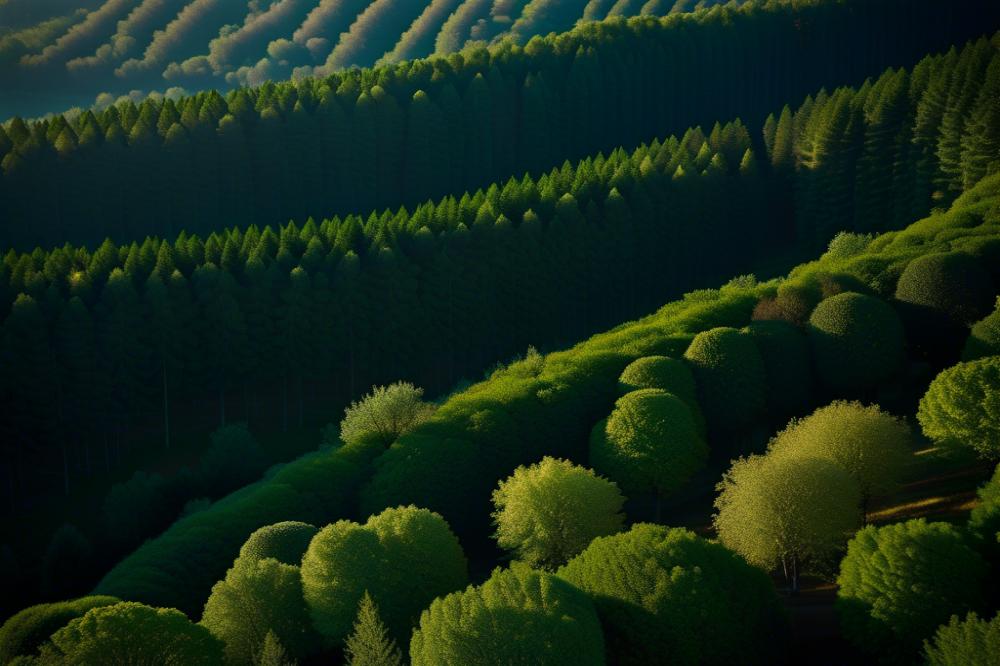
Truffles are a type of underground mushroom that grow near the roots of certain trees. They thrive in the unique conditions found in Italy’s truffle-producing forests. These environments provide the right balance of humidity, soil composition, and temperature. The process of foraging for these hidden treasures is as exciting as it is rewarding. For many, finding a truffle is a thrilling adventure through the woods, guided by skilled dogs trained to sniff them out.
Species of Truffles Found in Italy
Italy is home to several notable species of these fungi. The most famous is the white truffle, particularly prized for its aroma and flavor. It typically flourishes in the northern regions, especially around Alba. Black truffles, on the other hand, are found more in the central regions, like Umbria. Each type has distinct characteristics, contributing to Italy’s rich culinary landscape. This biodiversity of mushrooms makes the country a hotspot for chefs and food enthusiasts alike.
The Symbiotic Relationship Between Truffles and Trees
This organism forms a critical partnership with specific tree species. Trees such as oaks, hazelnuts, and poplars provide essential nutrients to the truffles. In return, these fungi help trees absorb water and minerals from the soil. This mutual benefit is a crucial element of forest ecosystems. Understanding this relationship is vital for conserving these habitats and the wildlife they support. Maintaining healthy forests involves protecting both the trees and the underground fungi that play such a significant role in biodiversity.
Italian cuisine often celebrates these unique finds, making them a staple in many dishes. As foraging for truffles gains popularity, awareness about conservation becomes increasingly important. A balanced approach is necessary to ensure that these forests can thrive for future generations. By preserving the delicate ecosystems, we can support not only the production of these mushrooms but also the entire wildlife that calls these forest habitats home.
The Diverse Wildlife of truffle-producing forests

Truffle-producing forests in Italy are rich in biodiversity. Various species of animals inhabit these lush habitats. Foxes, deer, and wild boars roam the underbrush. These mammals are not only important to the forest’s ecosystem but also play a vital role in the life cycle of mushrooms and their underground partners.
Common Animals Found in These Habitats
Many creatures call these forest habitats home. Squirrels often scamper among the treetops. Birds, like woodpeckers and owls, nest in the branches. Each species contributes to a balanced ecosystem. These animals help in seed dispersal and maintain plant diversity.
How Wildlife Interacts with Truffles and Mushrooms
Many animals forage for food in these environments. While searching for mushrooms, they inadvertently assist in spreading spores. When a wild boar digs up a truffle, it opens pathways for new fungi to grow. This interaction is crucial for the health of the truffle-producing environment.
Impact of Wildlife on Truffle Growth
The relationship between wildlife and truffles is essential. Animals help break down organic matter, providing nutrients for the soil. When they disturb the ground, they create ideal conditions for fungi to thrive. This natural balance supports the delicate web of life in these forests.
In summary, the diverse wildlife within Italy’s truffle-producing forests not only enriches these ecosystems but also profoundly affects the growth of mushrooms. Foraging behaviors of animals play a critical role in the forest’s health. By preserving these habitats, we can continue to enjoy the culinary delights of Italian cuisine that depend on such an intricate network of nature.
Foraging for Truffles: A Cultural Heritage
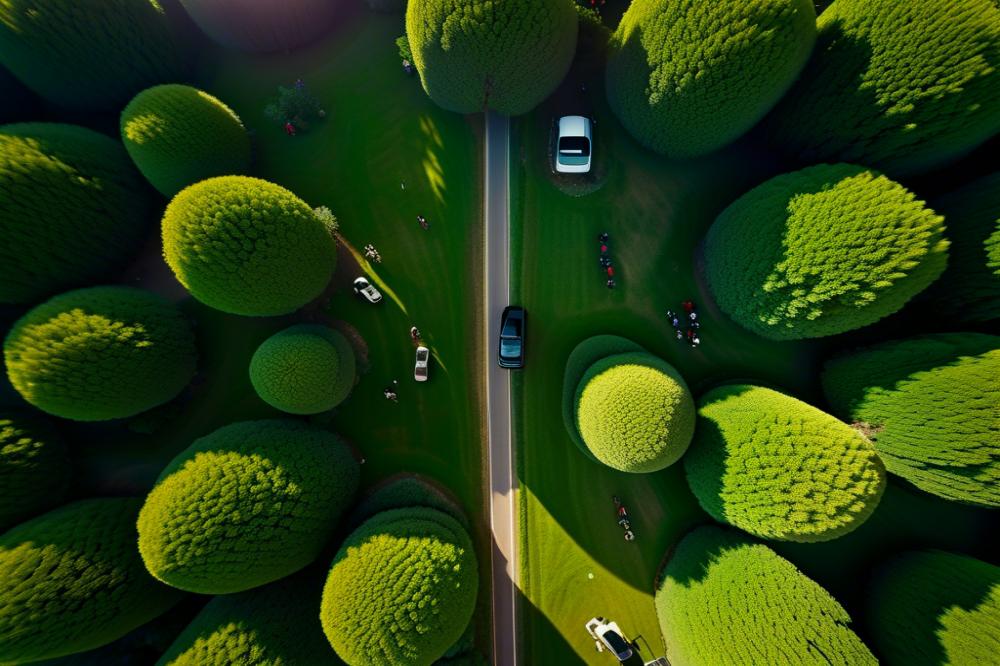
Foraging for mushrooms is not just about searching for edible delights. This practice in Italy’s truffle-producing forests dates back centuries. It embodies a rich cultural heritage, deeply woven into the fabric of Italian life. Locals often share stories of family traditions, passed down through generations. These narratives highlight the bond between communities and the land they cherish.
Traditional Methods of Truffle Hunting
Truffle hunting often relies on age-old techniques. Many gather in groups, combining knowledge and skills. Spotting potential truffle spots involves keen observation of the forest habitat. Experienced foragers look for clues like certain tree types or disturbed soil. These hunters also remember where they’ve found successes before, creating a mental map of rich areas.
Role of Trained Dogs and Other Animals
Animals play a crucial role in this search. Trained dogs have an exceptional sense of smell, making them excellent companions. They can locate hidden treasures beneath the soil with ease. Some hunters still use pigs, known for their ability to sniff out truffles. However, dogs are often preferred for their easier management and faster training. The partnership between human and animal highlights the harmony found within these ecosystems.
The Seasonal Dynamics of Foraging Activities
Seasons significantly influence the foraging calendar. Warm, rainy months typically yield the best results. Autumn brings prized varieties of mushrooms, attracting numerous enthusiasts. Each season offers a chance to discover the unique offerings of the forest. This cycle teaches people about local wildlife and biodiversity. Participation in these activities often helps foster a greater appreciation for nature and the need for conservation.
Biodiversity and Ecosystem Health in Forest Habitats
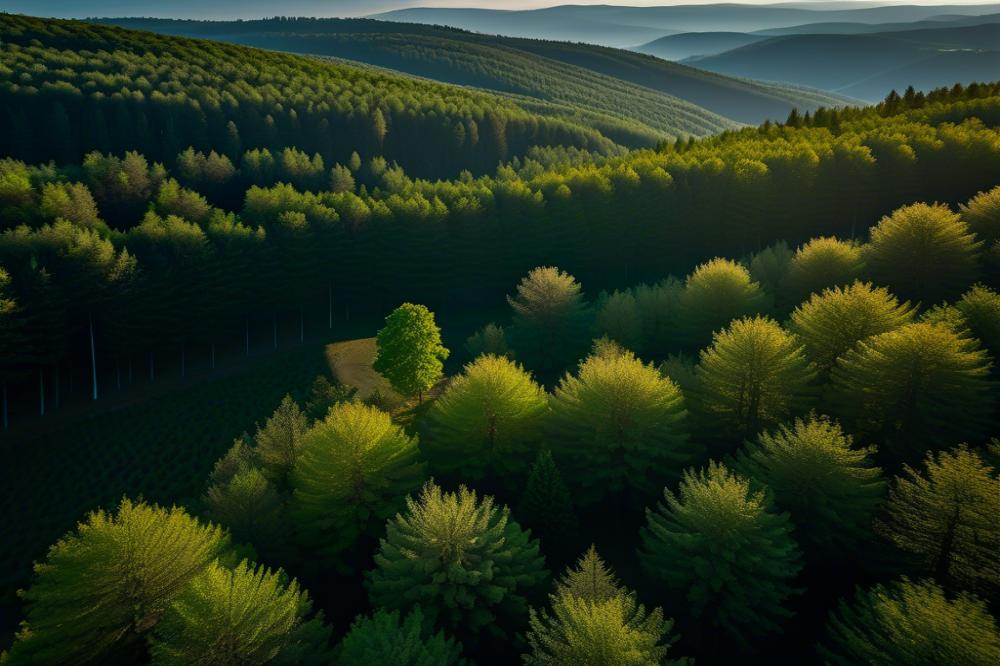
Significance of Biodiversity in Truffle-Producing Areas
Italy’s truffle-producing forests are rich in biodiversity. These ecosystems support a variety of wildlife, including insects, mammals, and birds. Many of these creatures play essential roles in maintaining forest health. The diversity of species contributes to the stability of these habitats. Healthy forests can produce not just mushrooms, but also other resources critical for local communities. Italian cuisine benefits greatly from this diversity, with unique flavors coming from different types of mushrooms found in the area.
Threats to Forest Habitats and Truffles
Unfortunately, forest habitats face numerous threats today. Urban development encroaches on existing landscapes, fragmenting natural areas. This leads to habitat loss, which can endanger local wildlife. Additionally, climate change alters conditions, affecting the delicate balance of these ecosystems. Overharvesting can be another issue. Foraging for truffles might reduce their populations if not done sustainably. The delicate connections between species can break, affecting the entire ecosystem.
Conservation Efforts to Protect These Ecosystems
Many organizations are working to protect these precious habitats. Conservation initiatives focus on promoting sustainable foraging practices. Education programs inform people about the importance of biodiversity. Efforts also include restoring areas that have suffered from human impact. Local communities play a vital role in these endeavors. Encouraging residents to engage in conservation can lead to positive outcomes. Partnerships between forest owners and conservation groups help strengthen these efforts. By working together, it is possible to preserve the ecosystems that make Italy’s forests so special.
The Future of Truffles in Italy
Impact of Climate Change on Truffle Production
Climate change poses a significant threat to Italy’s truffle-producing forests. Increased temperatures can disrupt the delicate balance of forest ecosystems. Changes in rainfall patterns affect the moisture levels required for mushroom growth. Wildlife, which plays a vital role in spreading truffle spores, may find it harder to survive. These shifts can lead to a decline in biodiversity, leaving fewer suitable habitats for these fungi. Ultimately, reduced truffle harvests could impact local economies that depend on them.
Sustainable Practices and Responsible Foraging
Sustainable foraging practices are crucial for maintaining forest health. By following guidelines, foragers can minimize their impact on fragile ecosystems. Avoiding overharvesting is necessary to protect local wildlife and vegetation. Educating foragers about responsible techniques helps preserve these valuable habitats. Many regions are now promoting certified truffle hunts that prioritize conservation efforts. These practices not only benefit the environment but also help local communities thrive alongside their beloved mushroom resources.
The Role of Truffles in Italian Cultural Identity
Truffles hold a special place in Italian cuisine and culture. They symbolize luxury and are celebrated in countless dishes across the country. Many Italian families have deep-rooted traditions centered around foraging these precious fungi. This connection fosters a sense of community and respect for local ecosystems. Cultural festivals often highlight truffle harvests, drawing visitors eager to experience this culinary treasure. Preserving this heritage is essential for future generations, ensuring that Italy’s unique relationship with these mushrooms endures.
Final Thoughts on the fauna of Italy’s Forests
Recap of importance of fauna and biodiversity in truffle-producing forests. Wildlife plays a vital role in these ecosystems. Various animal species contribute to the cycle of life in the forest. Many forms of life depend on a healthy environment. Their activities, like digging and foraging, help disperse seeds and create spaces for new plant growth. This interaction between animals and plants supports biodiversity.
What happens if we neglect these habitats? Loss of species can lead to unbalanced ecosystems. Truffle-producing forests thrive when the delicate web of life is maintained. By conserving these areas, we protect not only the truffles but also the rich variety of creatures that inhabit them. From small insects to larger mammals, every organism counts.
Let’s invite more people to appreciate these extraordinary ecosystems. Exploring the forests can spark a love for nature. Education about the importance of biodiversity is crucial. Together, we can advocate for better conservation practices. Supporting local efforts can make a difference. Each small action contributes to preserving these unique landscapes for future generations. Every effort counts toward saving the habitats that we admire.
In summary, the wilderness of Italy’s forests tells a story of interdependence. Protecting this richness is essential for health, beauty, and sustainability. We must work together to honor and safeguard these environments. Let’s celebrate the incredible fauna that makes these truffle-producing forests so special.

