
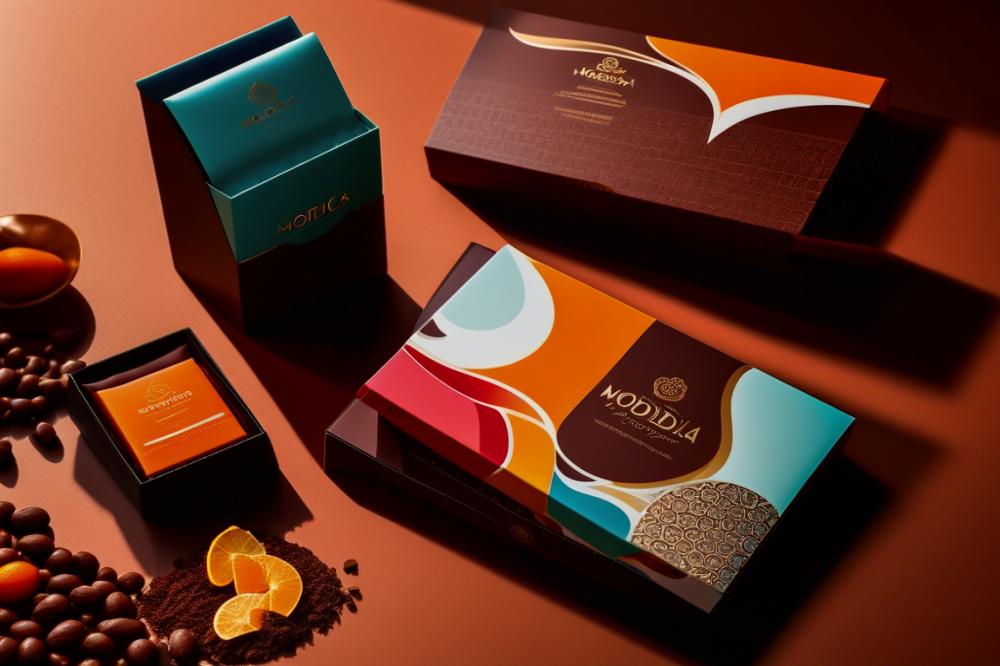
Discovering the Sweet and Savory Delights of Modica’s Aztec-style chocolate in Sicily
Sicily is a treasure trove of culinary delights. Among these, Modica chocolate stands out as an exceptional find. This artisanal chocolate, crafted using traditional methods, reflects a rich history that dates back to the days of the Aztecs. It holds an important position in the heart of Sicilian cuisine, offering both sweet and savory flavors that delight locals and visitors alike.
The chocolate produced in Modica is distinct. Its grainy texture and bold flavors carry a story of ancient practices mixed with local ingredients. Renowned chocolate producers have embraced these historical techniques, ensuring that each bite feels like a journey through time. Ethnic flavors play an essential role in creating unique combinations, making Modica’s offerings a delightful experience for the palate.
Culinary tourism in Sicily has flourished, inviting food lovers to uncover hidden gems like Modica chocolate. Many people travel to experience the blend of culture and cuisine unique to this region. As tourists explore local markets and chocolate shops, they engage with a deep-rooted tradition that emphasizes quality and craftsmanship. This connection nurtures appreciation for the sweet delights and savory experiences offered by Modica’s chocolate scene.
In summary, Modica chocolate represents more than just a treat. It embodies the fusion of history, culture, and flavor. Discovering this Aztec-style chocolate adds depth to the culinary landscape of Sicily, inviting anyone to indulge in a taste of its rich heritage.
The History of Modica Chocolate
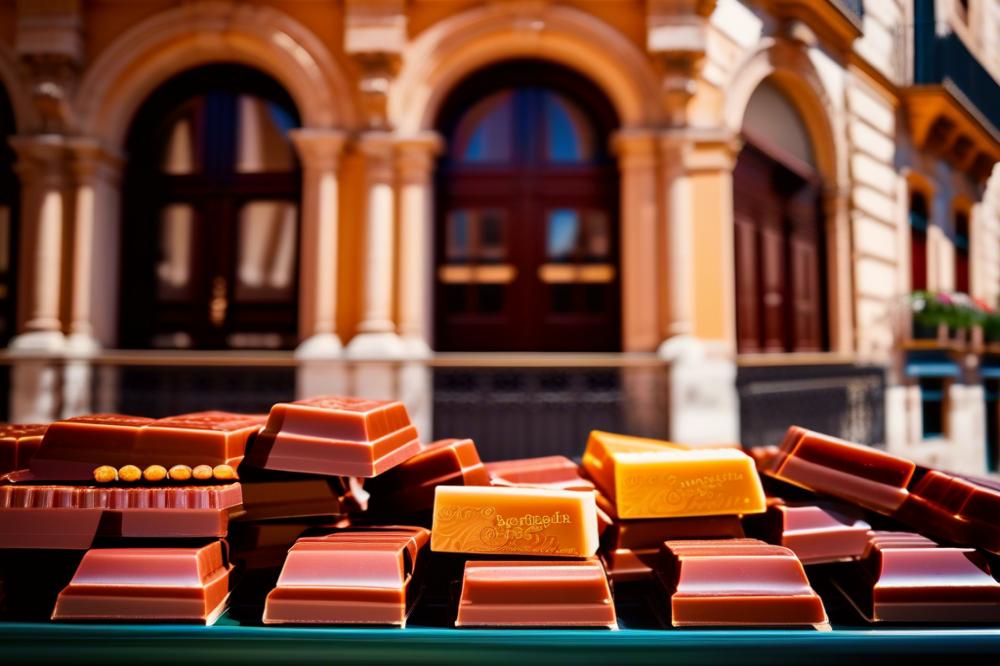
The story of chocolate in Sicily begins with the early Spanish colonizers. They introduced cacao beans to the island, influenced by their encounters in Mesoamerica. This marked the start of a long chocolate history that shaped Modica’s culinary scene. The use of chocolate was not merely for desserts; it became part of daily life, and a tradition began to blossom.
In the 16th century, Spanish artisans brought their methods back to Europe. The Aztec process of grinding cacao beans, often using stone tools, inspired local chocolate producers in Modica. This technique led to a grainy texture that differs significantly from what many people expect today. Unlike smooth chocolate, this artisanal chocolate retains a rustic feel, offering a taste of history in every bite.
Over the centuries, these traditional methods have remained largely unchanged. Chocolate-making in Modica still relies on cool temperatures during production. This practice preserves the original flavors of the beans, keeping the sweet delights rich. Savory delights, such as spices and nuts, are often blended into the chocolate, reflecting the vibrant culture of this Sicilian town.
Ethnic flavors infuse the local chocolate recipes. Cinnamon, chili, and even citrus peels can be found in some bars. This diversity speaks to the island’s rich agricultural landscape. As culinary tourism continues to grow, visitors seek out these distinctive flavors and the fascinating stories behind them.
The evolution of chocolate-making techniques in Modica showcases a blend of innovation and tradition. While many chocolate-makers uphold the ancient methods, others experiment with new combinations and flavors. Nonetheless, the heart of Modica cuisine remains tied to its chocolate roots. As artisans preserve and innovate, the legacy of this sweet treat lives on.
Artisanal Production of Modica Chocolate
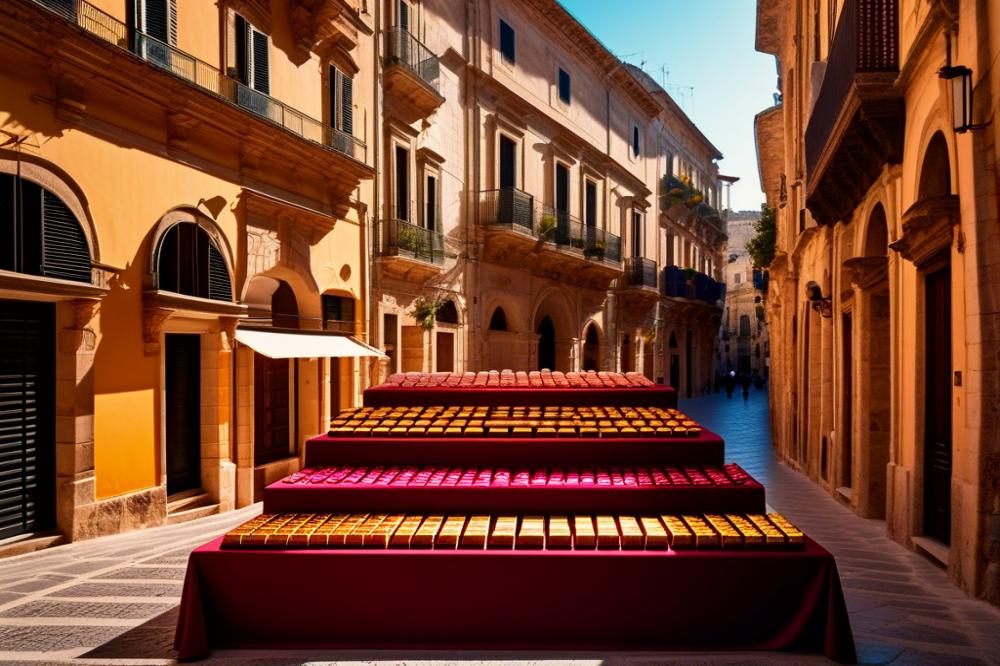
In Sicily, the production of artisan chocolate is an age-old craft. Local artisans use traditional methods passed down through generations. They produce chocolate in a way that preserves its rich flavor and texture. Most notably, this chocolate is made without the heavy conching processes used in other types of production.
Key ingredients define this chocolate’s character. Pure cacao from high-quality beans is essential. Sugar is typically added, and sometimes spices contribute an ethnic touch that surprises the palate. Vanilla or cinnamon might find their way into the mix, giving a complex taste that blends both sweet and savory delights.
The local chocolate producers are vital to the community. Their workshops attract visitors interested in culinary tourism, eager to immerse themselves in Sicilian chocolate history. Chocolate-making classes often occur, allowing tourists to engage directly with the process. This interaction fosters an appreciation for Modica cuisine and supports small businesses, keeping traditions alive.
In Modica, these artisans create more than just chocolate. They build connections with their customers and instill a sense of pride in their heritage. Each bar of chocolate symbolizes the hard work and soul of the community. By exploring this unique chocolate, visitors not only savor its deliciousness but also become part of a rich story.
Exploring the Sweet Delights of Modica
Modica is known for its rich chocolate history. This town in Sicily offers sweet delights that stand out in the world of confectionery. Chocolate here is created through traditional methods that date back to the Aztecs. The result is an artisanal chocolate that is unlike anything else.
Flavor profiles are diverse and intriguing. Spices, nuts, and even sea salt are often infused into the chocolate. Many producers combine ethnic flavors to create something truly special. This variety appeals to both locals and visitors eager to try something different. The chocolate’s grainy texture also adds to its charm, making each bite a delightful experience.
Visitors can find an array of chocolate products in Modica. Bar varieties range from dark to milk, catering to all taste preferences. You can also discover products like chocolate-covered fruits and crunchy snacks. Many shops offer samples, allowing you to savor before you buy. This experience is a delight for those who appreciate culinary tourism.
Pairing chocolate with local wines enhances the tasting experience. For example, a fruity red wine can complement the rich flavors of dark chocolate perfectly. On the other hand, a light white wine may go well with milk varieties. When enjoying these combinations, it’s easy to see how Modica cuisine takes chocolate to another level.
Each chocolate producer in Modica has their own secret recipes. This individuality adds to the charm of the town. Travelers often leave with sweet memories and some tasty souvenirs. In Modica, every chocolate moment feels distinct and memorable. So, don’t miss out on the chance to indulge in these sweet delights when you visit Sicily.
Savory Delights in Modica Cuisine
Chocolate isn’t just for dessert in Sicily. Many chefs are now incorporating it into savory dishes. For example, a rich mole sauce features a blend of spices with a hint of chocolate, enhancing the flavors of meats. This approach highlights the versatility of Modica chocolate, blending ethnic flavors from ancient recipes. It invites diners to experience something truly different.
Traditionally, local cooks have used chocolate in a variety of Sicilian dishes. In Modica cuisine, the famous pasta recipes often include chocolate as an ingredient. Whether it’s added to a savory ragu or sprinkled over roasted vegetables, it creates unexpected harmonies. These unique combinations might seem unusual at first but quickly win over the palate.
The intersection of sweet and savory can also excite culinary tourism. Visitors to Modica seek out these delightful dishes to expand their culinary experiences. They are drawn to the chocolate producers who craft their products using traditional methods. This not only preserves the chocolate’s rich history but also showcases its potential in savory contexts.
Such fusion of flavors can be a highlight for tourists exploring the region. Many restaurants offer tasting menus that celebrate the local cuisine, blending sweet delights and savory delights in every course. By experimenting with chocolate, chefs create memorable dishes that tell a story. They reflect the culture of this beautiful Sicilian town and inspire those who come to taste it.
Ethnic Flavors and Culinary Fusion
Modica chocolate is more than just a sweet treat. It reflects the rich tapestry of cultures that have influenced Sicily over the years. Spanish, Arab, and Norman traditions have all left their mark on local cuisine. Each influence introduces new flavors and techniques, creating a fascinating blend. This diversity is especially evident in the town’s artisanal chocolate.
Chocolate producers in Modica use traditional methods that date back centuries. This approach keeps old-world techniques alive while paying homage to the area’s chocolate history. The result is a product that embodies the heart of Sicilian culture. Each bite reveals subtle hints of spices that originated from distant lands, showcasing the town’s diverse heritage. This unique blend of influences makes Modica an essential part of the culinary landscape.
Visitors often come to Sicily not just for its beautiful views, but also for its sweet delights and savory delights. Many are drawn to the innovative dishes that feature chocolate. Chefs explore different ways to incorporate chocolate into savory recipes. For example, pairing it with local meats or fresh vegetables creates dishes that surprise and delight the palate. These culinary explorations highlight the versatility of this ingredient and inspire creativity.
Chocolate’s role in Modica cuisine extends far beyond desserts. Local chefs showcase its potential in unexpected ways. Pasta sauces enriched with chocolate add depth and richness to the dish. Even traditional pastries can take on a new life with a hint of cocoa. Culinary tourism in Modica continues to grow, as people seek to experience these remarkable combinations firsthand. Each dish tells a story, blending history with innovation.
Every visit to Modica reveals more about the town’s unique flavors. Ethnic flavors from around the world dance together on the plate. A taste of this chocolate is a taste of Modica’s soul. The sweet and savory delights found here allow for an experience unlike any other. For those willing to explore, this town offers an adventure in every bite.
Final Thoughts on Modica’s Chocolate and Culinary Heritage
Savoring the bold flavors of Modica’s chocolate reveals much about the area’s rich culture and history. This Aztec-inspired treat is more than just a confection; it represents a timeless tradition that has captivated many. Each bite tells a story of Sicily’s past, reflecting the blend of cultural influences that shaped this remarkable region.
Exploring Modica’s sweet delights offers an opportunity to engage with the local community and their culinary practices. From artisanal chocolate shops to bustling markets, the experiences in this charming town are endless. Locals take pride in their craft, immersing visitors in the unique world of Sicilian chocolate-making.
Travelers seeking to appreciate the depth of culinary heritage should not miss the chance to visit Sicily. The vibrant array of flavors found in Modica’s chocolate serves as a gateway into a larger universe of Sicilian cuisine. Each taste is an invitation to explore the nuances of this fascinating island where every dish has its own history.
In essence, indulging in Modica’s distinctive chocolate is more than enjoying a sweet treat. It’s a journey into the heart of Sicilian culture, one that invites everyone to discover its offerings. Experience the sweet and savory delights waiting just a bite away, and enrich your understanding of this beautiful region.

