
Introduction
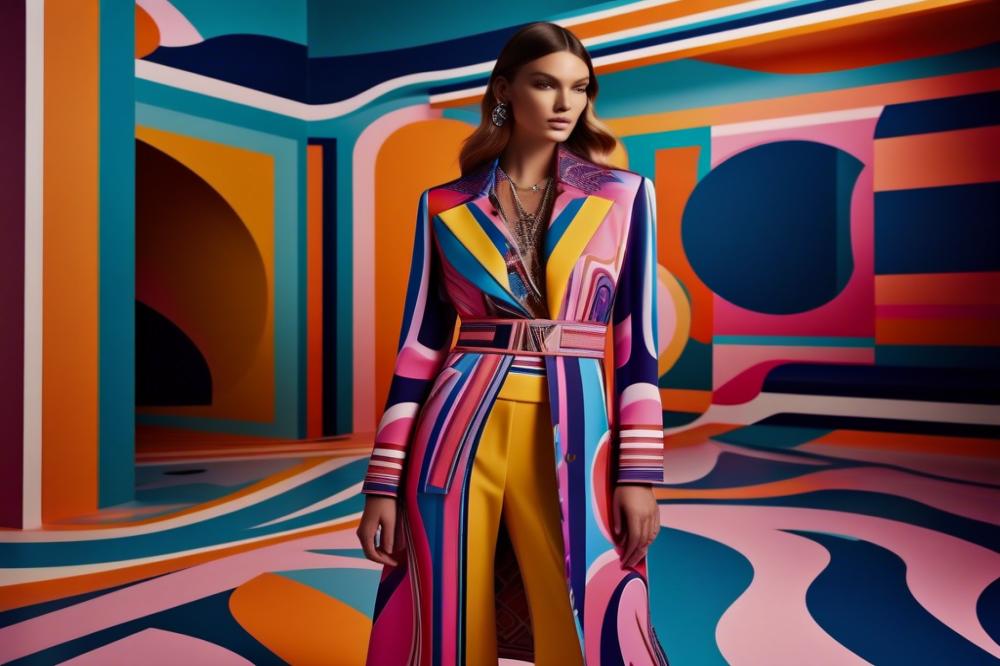
Emilio Pucci stands as a pivotal figure in the fashion industry, with his vibrant designs forever changing the landscape of style. Known as the “Prince of prints,” he revolutionized textile design, blending modern style with a flair for colorful patterns. His approach defined a new era in fashion during the 1960s, emphasizing both luxury and comfort.
High-Fashion Sportswear emerged as a vital concept in the world of apparel, blending elegance with functionality. This trend allowed for garments that not only appealed to the eye but also provided ease and versatility. As lifestyles evolved, so did the need for fashionable yet practical clothing, making this category increasingly relevant in today’s market.
Italian fashion has had an immense influence on global trends, often setting benchmarks for elegance and creativity. The craftsmanship associated with luxury textiles from Italy is admired worldwide. Emerging designers often draw inspiration from the rich heritage of Italian fashion, incorporating elements of both tradition and innovation. This blend has contributed significantly to the popularity of resort wear, making it a staple for modern consumers seeking style and comfort.
Emilio Pucci: The Prince of prints
Emilio Pucci was born on November 20, 1914, into a noble Italian family. His upbringing in Florence, a city rich with art and culture, played a key role in his later career. This environment exposed him to the wonders of design and color from an early age. While studying at the University of Florence, he embraced an education that combined his love for art with the practicalities of business.
Parks and gardens of his youth greatly influenced his creativity. Colors of nature inspired him to experiment with textiles and prints. After attending Reed College in the United States, he invested time in honing his craftsmanship. His initial entry into fashion design occurred while he was on the ski slopes. A chance encounter with a friend led to the creation of a ski outfit that featured a vibrant printed fabric. This moment marked the beginning of his journey into High-Fashion Sportswear.
Throughout the 1950s, his signature colorful patterns took shape. Drawing from the Mediterranean landscape, he developed a distinctive aesthetic that spoke to modern style. The 1960s fashion scene welcomed him with open arms. His designs, which often featured bold colors and striking geometric shapes, became synonymous with luxury and sophistication. Ready-to-wear collections showcased his ability to blend comfort with high fashion.
His aristocratic background made him uniquely positioned in the world of textile design. It provided him with a network and an understanding of what clientele desired. Consequently, his creations bridged the gap between casual and elegant, particularly in resort wear. As a result, his innovative prints not only defined a decade but also set a standard for future designers.
Through his work, Pucci transformed how people viewed fashion. The use of lively patterns and his approach to textile craftsmanship left an indelible mark on Italian fashion. His legacy reminds us of how a unique background can shape an artist’s vision, creating timeless pieces that celebrate both style and practicality.
The Birth of High-Fashion Sportswear
The 1960s marked a significant shift in the fashion industry. As the world embraced a more casual and active lifestyle, sportswear began to evolve. This decade saw the rise of high-fashion sportswear, blending comfort with striking style. Designers started to create clothing that was both functional and glamorous. No longer was sportswear limited to mere athletic gear; it became a form of expression.
Within this transformative period, one designer stood out. Emilio Pucci emerged with his groundbreaking creations that blurred the lines between dancewear and ready-to-wear. Known for his vibrant, colorful patterns, his work captured the spirit of the era. Jackets, leggings, and dresses reflected movement, freedom, and energy. The fusion of textile design with luxurious elements made his collections revolutionary.
Key Collections That Defined High-Fashion Sportswear
Specific collections played vital roles in shaping the course of sportswear. Pucci’s resort wear collections showcased ease and style simultaneously. Known for eye-catching prints, these outfits were perfect for both lounging and socializing. His unique approach brought high fashion to beachwear and summer events. The bold colors resonated deeply with the fashion discourse of 1960s fashion, creating a new standard for casual attire.
Additionally, the introduction of stretchy fabrics revolutionized how people viewed movement and comfort in fashion design. Athletes and socialites alike embraced these garments, leading to increased visibility in everyday life. Women no longer sacrificed style for practicality. Pucci’s work made it clear: sportswear could be chic, elevating the status of fashionable leisurewear.
Impact of Pucci’s Work on Modern Style and Contemporary Designers
Pucci’s influence continues to resonate today. Many contemporary designers draw inspiration from his innovative approach. He paved the way for modern style by showing that fashion could be accessible yet luxurious. Prints became a staple in collections, bringing a sense of playfulness to high-end fashion. The concepts he introduced still exist in jersey fabrics and smart athleisure.
Furthermore, the legacy of his designs endures in today’s resort collections. Many luxury brands now incorporate elements reminiscent of Pucci’s iconic style. The combination of sporty looks with high fashion remains a compelling theme. It is evident that his radical blend of elegance and functionality laid the groundwork for what we now recognize as high-fashion sportswear.
Legacy and Influence
Emilio Pucci played a vital role in shifting the landscape of fashion design, bringing bold prints and vibrant colors to the forefront. His works were a breath of fresh air during the 1960s fashion revolution. Fashion lovers worldwide found joy in his colorful patterns, which conveyed a spirit of freedom and adventure.
The lasting impact of his designs can still be seen in today’s luxury and resort wear collections. Designers draw inspiration from his approach to textile design, incorporating vivid hues and playful motifs into their pieces. This influence is evident on runways and in shops, where modern style echoes Pucci’s iconic looks.
Furthermore, the philosophy behind ready-to-wear garments that embrace comfort and style resonates profoundly in the current fashion industry. Emphasis on ease of wear and the ability to express individuality through clothing remains strong. Many brands today continue to prioritize these elements in their collections.
After his passing, recognition and honors flowed in for the Italian fashion maestro. His contributions to the world of prints and patterns have been celebrated in exhibitions and retrospectives. The impact of his life’s work is still felt, proving that his legacy endures well beyond his time.
Final Thoughts on Emilio Pucci and the Evolution of Fashion
Emilio Pucci made significant contributions to fashion design that transformed the industry. His vibrant prints and innovative use of fabrics received recognition for their ability to combine elegance and comfort. Not only did he elevate the idea of high-fashion sportswear, but he also created pieces that allowed women to move freely while expressing their style. His approach to color and pattern has inspired countless designers. Today, we still see echoes of his work in various collections around the world.
The legacy of this visionary extends beyond just clothing. Pucci helped pave the way for a new understanding of luxury, where practicality meets creativity. Italian fashion has been notably influenced by his daring spirit. To this day, his designs remain a symbol of effortless chic and sophistication.
Reflecting on his impact, it’s clear that the evolution of prints in modern fashion owes much to him. His ideas opened the door for new explorations in aesthetics and functionality. Designers now experiment with prints and cuts that reflect his pioneering spirit. This continues to resonate in today’s market, where creativity is often celebrated.
In summary, Pucci’s influence can still be felt within the fashion community. His unique blend of artistry and wearability has left an indelible mark. As fashion evolves, the principles he championed remain relevant. The world of fashion design is richer because of the path he carved.

