
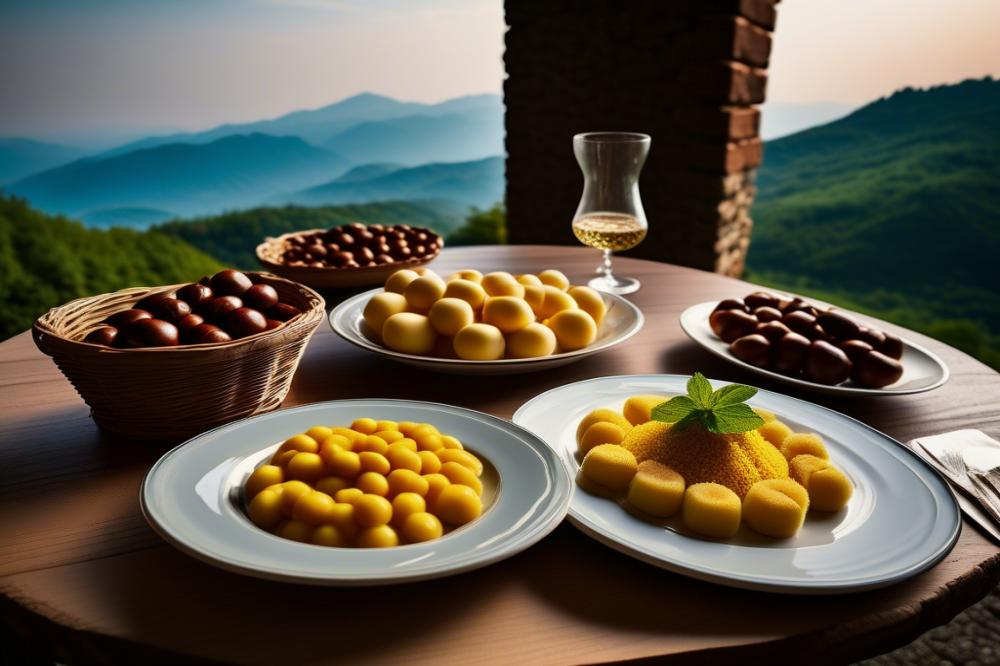
Experiencing the Ancient chestnut cuisine of the Garfagnana in Tuscany
Overview of Garfagnana and its significance in Tuscany
The stunning area of Garfagnana hides in the heart of Tuscany, surrounded by majestic mountains and lush valleys. This region holds a special place in the culinary landscape of Italy. Known for its breathtaking scenery, the Garfagnana region is also rich in history and traditions, making it a treasure for visitors. Travelers often find themselves enchanted by the ancient recipes and local ingredients used in traditional dishes.
Insight into the Hidden Treasures of Italian Gastronomy
When exploring Italian gastronomy, one can easily overlook the rural food cultures that thrive in small towns. Many traditional dishes come from centuries-old practices passed down through generations. The Garfagnana showcases these culinary traditions beautifully. Its food culture emphasizes simple yet flavorful meals crafted from fresh, local products. Here, the combination of the environment and the people creates a distinct foodie experience.
Importance of chestnut cuisine in the Region
Chestnut cuisine plays a vital role in the culinary identity of this area. Rich chestnut forests provide an abundance of nuts that shape many dishes. From savory polenta to sweet desserts, these nuts bring a unique taste to each recipe. Seasonal cooking is evident as locals prepare meals that celebrate the harvest. The ancient chestnut dishes reflect both the land and the people, allowing visitors to taste the legacy of the past. In every bite, one can sense the connection to the earth and the tradition that has sustained generations.
The Culinary Traditions of the Garfagnana
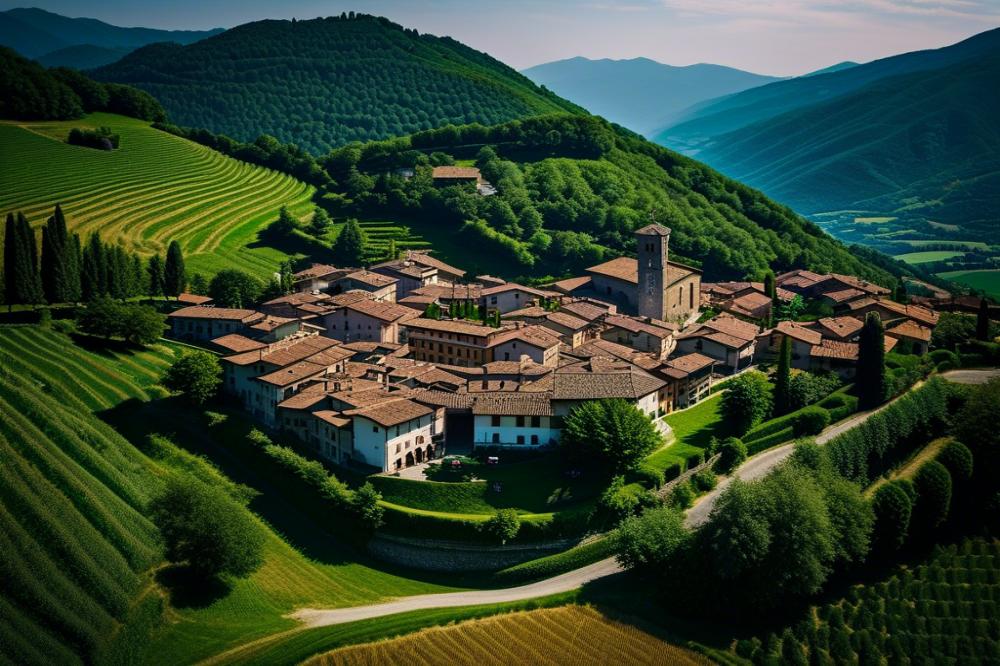
In Tuscany, the landscape shapes more than just views; it crafts a distinct culinary identity. This region is rich in ancient recipes that have thrived for generations. Carefully passed down through families, many dishes tell stories about the land and its people. Focusing on historical methods, cooks embrace what nature offers each season.
Local ingredients are essential in creating genuine flavors. Chestnuts, a staple here, play a significant role in various dishes. From creamy polenta to sweet desserts, these ingredients reflect the character of rural food. Seasonal cooking is key to this cuisine. When vegetables and fruits are harvested, they make their way into hearty meals. Freshness enhances every bite, making each dish a true representation of the area’s bounties.
Mountain cuisine also influences what locals eat every day. With easy access to wild herbs and mushrooms, meals feature flavors you won’t find elsewhere. Simple preparations often highlight the quality of each ingredient. Depth of flavor comes not from complexity, but from honoring what the land provides. Local artisans produce cheese and cured meats, and these too are critical to the food culture.
Adopting ancient recipes not only preserves history but also connects the community’s past to its present. Many festivals celebrate traditional dishes, allowing everyone to savor the region’s culinary heritage. Visiting this area offers more than just a meal; it presents an experience steeped in Italian gastronomy. Each visit reveals the warmth of hospitality alongside the richness of culture.
Chestnuts: The Heart of Garfagnana’s Culinary Identity
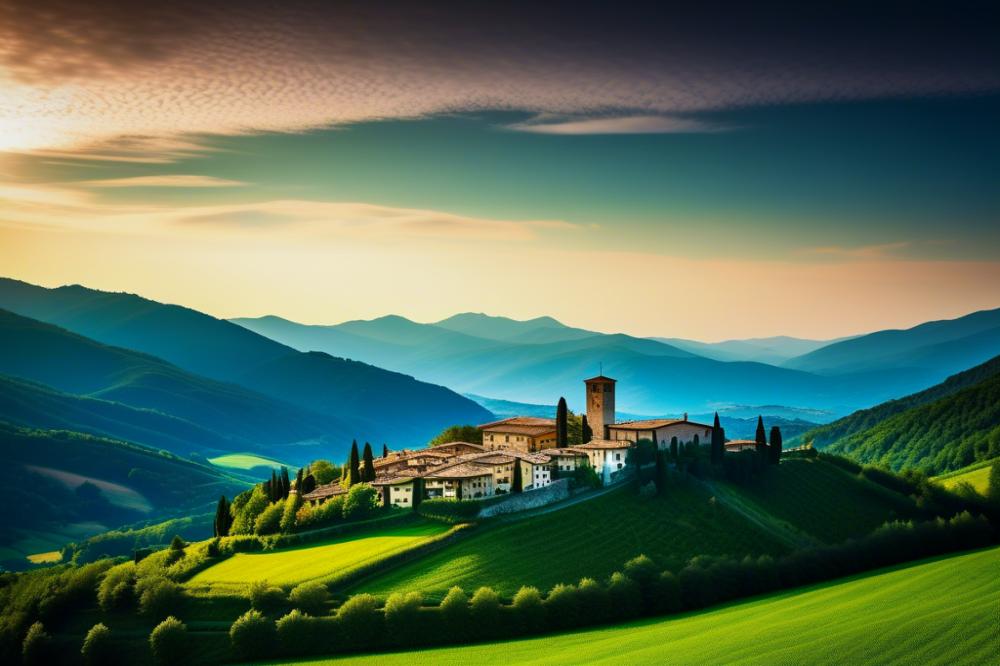
Chestnuts have been a vital part of Tuscany’s food culture for centuries. They once served as a staple for local communities, especially in the mountainous regions. This nutty ingredient was so important that it often replaced grains in the diet of rural families. As the story goes, chestnut trees were referred to as “bread trees” because of their role in sustaining life. Their presence is deeply woven into the culinary traditions of this area.
During autumn, harvest season brings a flurry of activity. Farmers gather to collect chestnuts, which showcase their significance in local recipes. This treasured harvest inspires a variety of dishes, each highlighting unique flavors and preparation methods. From creamy chestnut purée to hearty soups, the versatility of this ingredient shines through. Additionally, traditional chestnut cakes, or “castagnaccio,” offer a glimpse of ancient recipes passed down through generations.
Seasonal cooking practices emphasize how chestnuts can vary through the year. In the fall, they are roasted over open fires, providing warmth and comfort. As winter approaches, many people bake them into pastries or use them in stews. Spring and summer seasons may bring chestnut flour into play, used for enhancing baked goods and pasta. The cycle of utilizing chestnuts not only showcases their culinary importance but also honors the rhythms of nature.
This mountainside cuisine is a testament to sustainable living. Every part of the chestnut is utilized, illustrating a connection to the land. In Garfagnana, locals embrace this tradition, showcasing dishes that delight the palate and warm the heart. Each meal tells a story about the people, their heritage, and lifelong relationship with chestnuts. In doing so, they ensure these ancient flavors endure proudly in Italian gastronomy.
Garfagnana’s Rural Food Landscape
The food culture in this corner of Tuscany is deeply rooted in traditions passed down through generations. Ancient recipes, often featuring chestnuts, showcase the area’s history and respect for local ingredients. This rural food landscape has evolved over time, yet it still holds on to the flavors and methods that shaped it. In the past, communities relied on what the land provided. Today, many still follow that practice, supporting seasonal cooking that reflects the changing nature of the environment.
Local Markets and Culinary Traditions
Local markets serve as a vibrant meeting place for farmers and consumers alike. They play an important role in sustaining culinary traditions. Vendors proudly display their goods, from fresh fruits to unique chestnut dishes. Visitors will find a diverse array of ingredients that highlight the region’s richness. Eating here means tasting the essence of mountain cuisine, where every ingredient tells a story. Attending these markets offers a glimpse into the daily lives of locals who cherish their food culture.
The Connection Between Food and Sustainable Farming
Farming practices in the region prioritize sustainability. Traditional methods of cultivation help preserve the landscape while yielding high-quality produce. Farmers often grow crops that complement one another, creating a healthy ecosystem. This synergy directly impacts the local gastronomy, resulting in dishes filled with flavor. The connection between food and farming remains strong, making the area a living testament to the value of respecting nature.
Through this lens, the ancient chestnut cuisine becomes more than just a meal. It embodies a lifestyle, intertwining food with heritage and responsibility. By embracing both the past and present, communities in Tuscany continue to thrive. Each bite offers a taste of history, intertwined with the hope for a sustainable future.
Experiencing the Cuisine: Dining in Garfagnana
Flavorful chestnut dishes define the food culture of this stunning region in Tuscany. Visitors can find a variety of restaurants and local eateries that specialize in these ancient recipes. One such place is Ristorante Da Giovanni, nestled in a charming village. This restaurant offers a cozy atmosphere and dishes made with local ingredients. Try the chestnut gnocchi, a delightful twist on a classic favorite.
Another gem is Trattoria Il Castagno. Known for its rustic mountain cuisine, this eatery serves dishes inspired by rural food traditions. Guests rave about the chestnut polenta paired with sautéed mushrooms. The combination captures the essence of seasonal cooking while honoring culinary traditions passed down through generations.
Food Festivals and Local Events
Throughout the year, food festivals celebrate the region’s chestnut heritage. The Festa del Marrone in Castelnuovo is a must-visit. This annual event showcases the best of local cuisine through tastings, cooking demonstrations, and workshops. Here, visitors can immerse themselves in the rich flavors of Garfagnana and learn about the importance of chestnuts in local gastronomy.
Other seasonal events also feature chestnut dishes, wines, and artisanal products. Special cooking classes allow participants to make traditional recipes and deepen their understanding of this vibrant food culture. Engaging with locals adds a great layer of experience to any culinary adventure.
Recommendations for Adventurous Eaters
When seeking culinary adventures, start by visiting family-run trattorias. These small eateries often serve the most authentic offerings. Ask about daily specials, as they frequently feature seasonal ingredients. A visit to Osteria La Cittadella not only pleases the palate but also supports local farmers and artisans.
For those looking for a unique experience, consider joining a culinary tour. Many guides offer insights into the history of chestnut cuisine and the process of gathering these nuts. This deeply-rooted connection to the land highlights the significance of chestnuts in both daily life and special occasions.
Don’t overlook the opportunity to sample pairing wines with chestnut dishes. Local wineries boast a selection that beautifully complements the flavors of mountain cooking. Exploring these pairings can enhance the culinary journey.
Final Thoughts on Chestnut Cuisine
The enchanting chestnut cuisine of Garfagnana is more than just a collection of dishes. It represents a deep connection to the land and its history. This mountain area of Tuscany has its own culinary identity, shaped by ancient recipes that have been cherished for generations. From the nutty flavor of castagnaccio to the heartiness of polenta, each dish tells a story of the past.
Exploring this region allows food lovers to uncover hidden culinary treasures. Local festivals celebrate the chestnut harvest, showcasing traditional cooking methods that have stood the test of time. Visitors can partake in tastings and learn from the locals. The experience is often both delicious and educational, revealing the beauty of simplicity in cooking.
Modern Italian gastronomy owes much to age-old traditions. Sustainability and local ingredients are now at the forefront of many chefs’ minds. As they adapt these ancient recipes to contemporary tastes, the heart of Italian cuisine remains intact. The chestnut dishes from this charming region remind us of the value in preserving culinary heritage while still embracing innovation.
In conclusion, the chestnut cuisine from this part of Tuscany invites everyone to explore its unique offerings. Each bite serves as a reminder of the rich cultural tapestry woven throughout Italy. So, take the time to visit and savor these culinary wonders—your taste buds will thank you.

