
Exploring the Baths of Caracalla
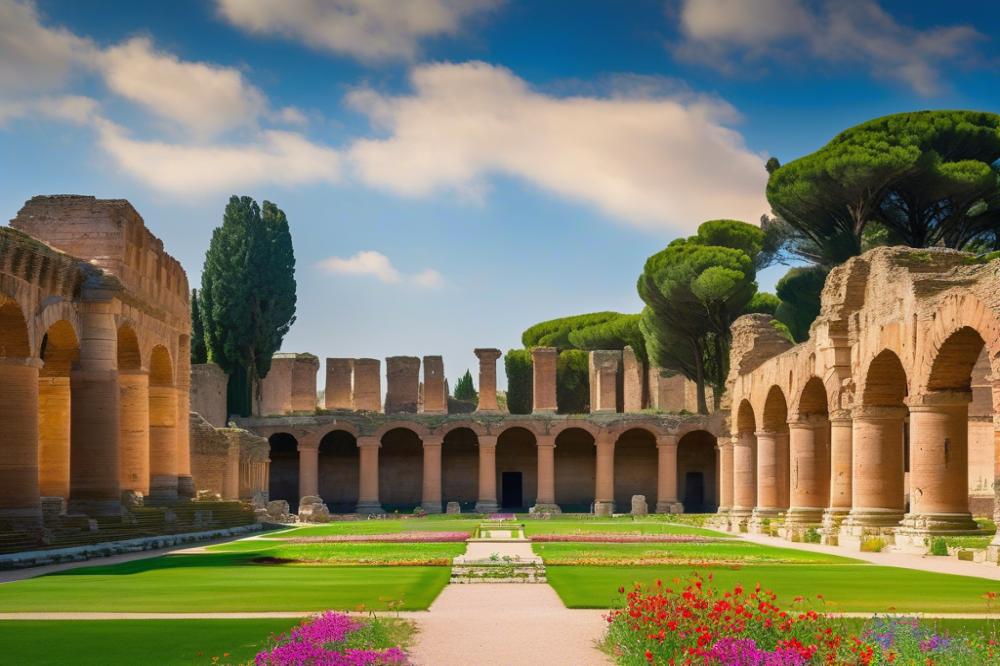
Visiting the Baths of Caracalla is a must for anyone traveling to Rome. This impressive structure stands as a testament to the grandeur of Ancient Roman Engineering. Built during the reign of Emperor Caracalla in the early 3rd century AD, these thermal baths were not only a place for bathing but also an essential part of daily life in the city.
Public baths played a crucial role in civic life. Citizens would gather to socialize, exercise, and relax. The Baths of Caracalla were among the largest and most luxurious Roman baths, showcasing stunning architecture and innovative engineering marvels. Visitors can marvel at the remnants of the vast marble floors, towering columns, and intricate mosaics that once adorned the space.
Archaeology reveals much about these historical landmarks. Evidence suggests that the baths were designed to accommodate thousands of people at once. Water heated by an advanced system made the experience both comfortable and enjoyable.
Centuries have passed, but the allure of these ancient buildings continues to attract tourists. The Baths of Caracalla remain a significant example of the sophistication of architecture in ancient Rome. Today, they invite exploration and reflection on a civilization that valued both beauty and functionality.
The Historical Context of the Baths of Caracalla
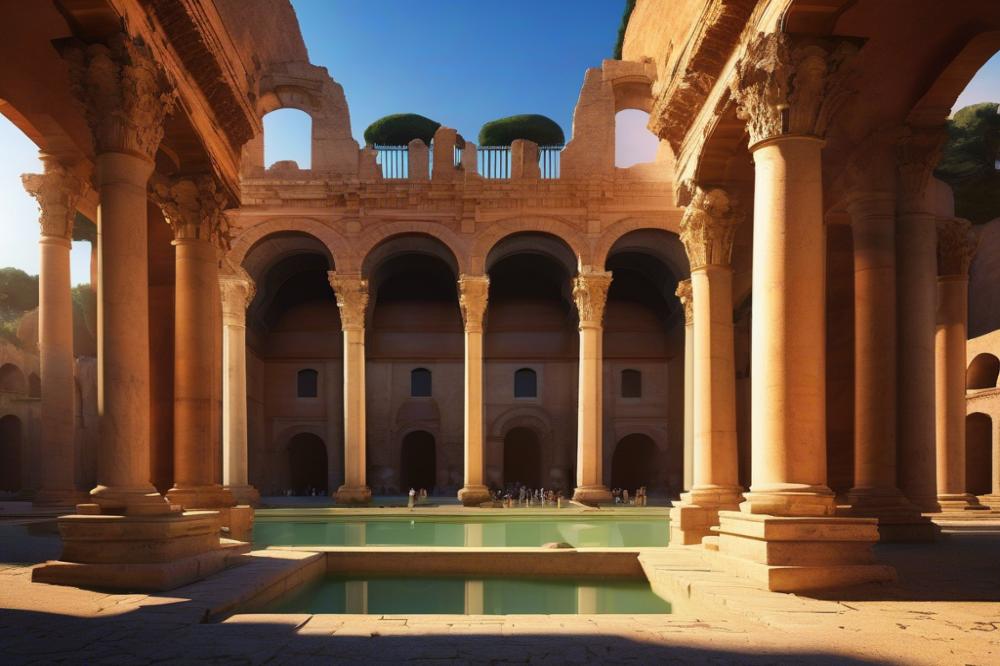
Built during the reign of Emperor Caracalla, the baths were constructed between 212 and 216 AD. This period of ancient Rome was marked by a need for public facilities that catered to social and civic life. Caracalla aimed to provide a place that offered relaxation and hygiene to the citizens of Rome. His motivations were both practical and political. By creating a monumental structure, he desired to gain favor and support from the Roman populace.
Roman baths served an important role in the daily lives of people in ancient Rome. They were not just places to wash; they acted as social hubs where citizens gathered. These baths became essential for communication and community bonding. Moreover, they showcased the impressive architectural skills of the time and were significant examples of engineering marvels. Caracalla’s version was particularly grand and featured numerous amenities, including gyms, gardens, and libraries.
The Baths of Caracalla symbolized the Roman commitment to public life and welfare. Through these thermal baths, the emperor aligned himself with popular needs and desires. They stood as a testament to Rome’s advanced engineering and design techniques. The structure was massive, spanning over 25 acres, and included a complex of richly decorated rooms. Luxurious marble, intricate mosaics, and grand vaulted ceilings adorned the space.
These historical landmarks not only allowed for personal hygiene but also enhanced the quality of life in the bustling city. People from all walks of life visited the baths, making them accessible to everyone, especially those who couldn’t afford private baths. Under the regime of Caracalla, public baths like these symbolized the unity of the Empire. They served as a reminder of Roman power and civilization.
Archaeological studies of the Baths of Caracalla reveal much about Roman culture. Excavations continue to uncover fascinating details about their construction and use. Through these findings, we understand more about the ingenuity behind their design. The baths were an integral part of Roman culture and solidified Caracalla’s ruling legacy, even as his reign faced challenges.
Architectural Features and Design
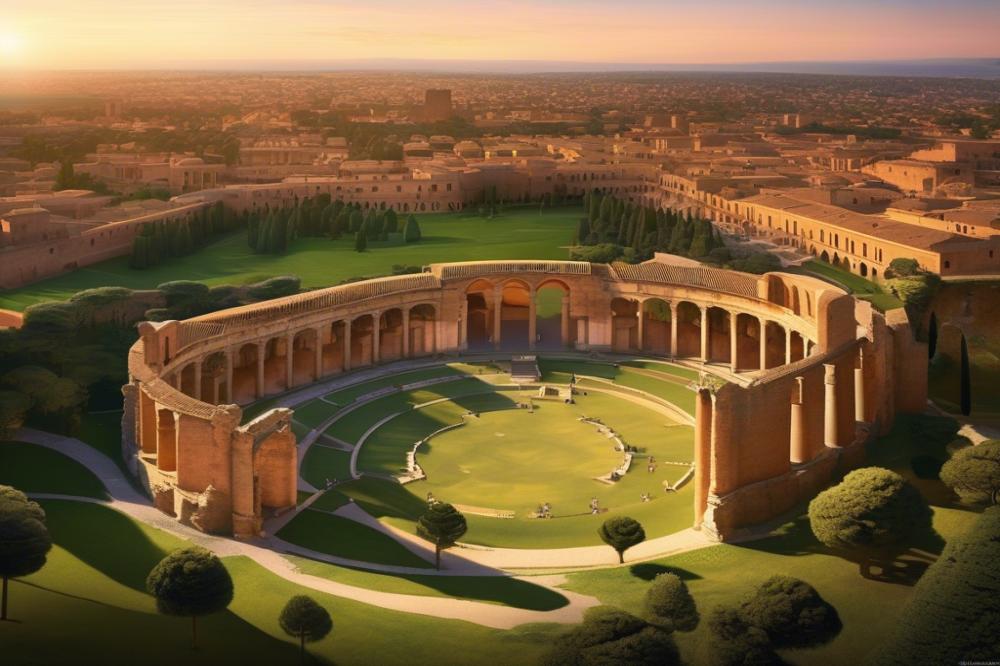
The Baths of Caracalla stand out as one of ancient Rome’s most impressive engineering marvels. Their design showcases a blend of functionality and aesthetics, something that was crucial for public baths. The layout consists of various rooms, including frigidariums (cold baths), tepidariums (warm baths), and caldariums (hot baths).
Notably, the use of vaulted ceilings is one of the most striking features. These arches created open spaces that allowed for natural light and ventilation. High ceilings also contributed to a sense of grandeur, making visitors feel small in comparison to the vastness of the structure.
Materials used in construction included brick, concrete, and marble. Each of these contributed not just to beauty but also to the durability of the baths. The grandeur of the materials showcased the might of Rome and its engineering skills. Archaeology has revealed that enormous amounts of resources were dedicated to such public baths, highlighting their importance in civic life.
An essential aspect of the design was the hypocaust heating system. It used hot air from furnaces to warm floors and walls, providing a comfortable experience for bathers. This innovation was a significant step forward in building thermal baths in the ancient world.
Water management was another remarkable feature. Aqueducts delivered fresh water to the baths, ensuring a constant supply. Advanced plumbing systems allowed for effective drainage, maintaining cleanliness and hygiene. Such planning was ahead of its time and illustrated the sophistication of Roman engineering.
Visitors experienced a variety of activities, making these baths more than just a place for bathing. They served as social hubs where people gathered to relax, exercise, and engage in discussions. The architecture of these baths reflects a commitment to enhancing community life, making the Baths of Caracalla a cornerstone of Roman culture.
Thermal Baths: A Hub of Roman Life
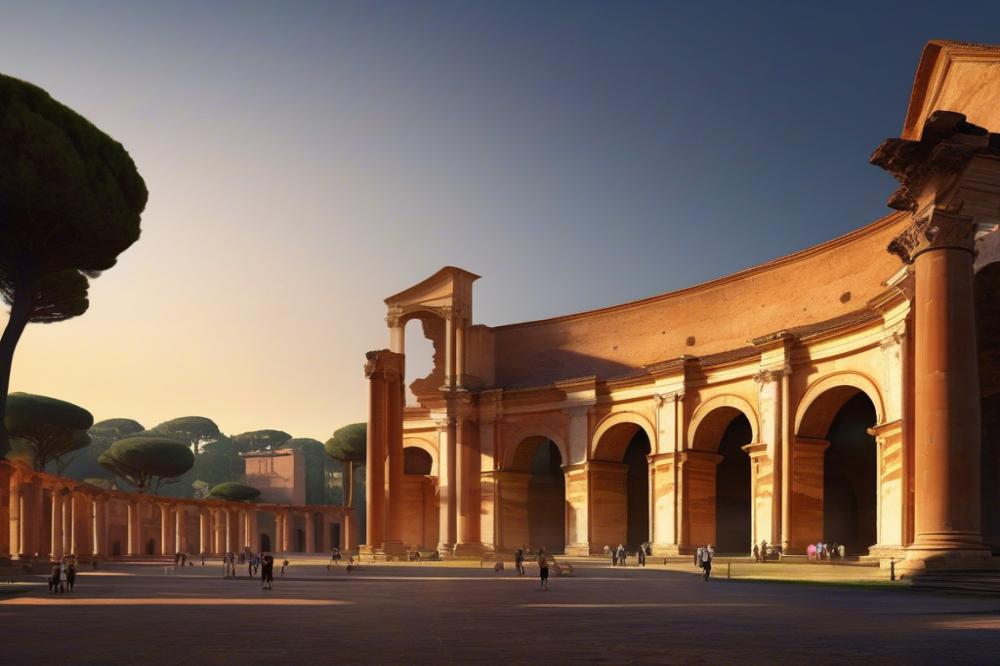
In ancient Rome, thermal baths played a crucial role in daily life. They were more than just places to wash. These public baths offered a wide range of social and recreational activities. Citizens from different walks of life mingled in the warm, inviting waters. Caracalla’s baths stood out among the many Roman baths, reflecting the grand architecture and engineering marvels of the era.
Visitors often enjoyed a variety of facilities. Hot, warm, and cold baths provided options for relaxation and invigorating refreshment. After bathing, many preferred to visit the gymnasiums nearby. These spaces catered to those who engaged in physical exercise, promoting health and fitness. People could also stroll through splendid gardens, adding to the serene environment.
Engagement with others was common in these public baths. The atmosphere buzzed with conversations about politics, trade, and daily affairs. Civic life thrived as Romans discussed the news of the day amidst the steam and splashes. Both rich and poor could partake, breaking down social barriers within these stunning historical landmarks.
Archaeology shows that the Baths of Caracalla were not only an engineering feat but a symbol of Roman culture. Designed for comfort and leisure, these spaces fulfilled various communal needs. Many immersed themselves in leisure, spending hours enjoying the splendid features of these baths. Architects infused beauty into the structures, making the thermal baths an integral part of Roman life. In essence, they were the heart of the community.
Archaeological Findings and Preservation Efforts
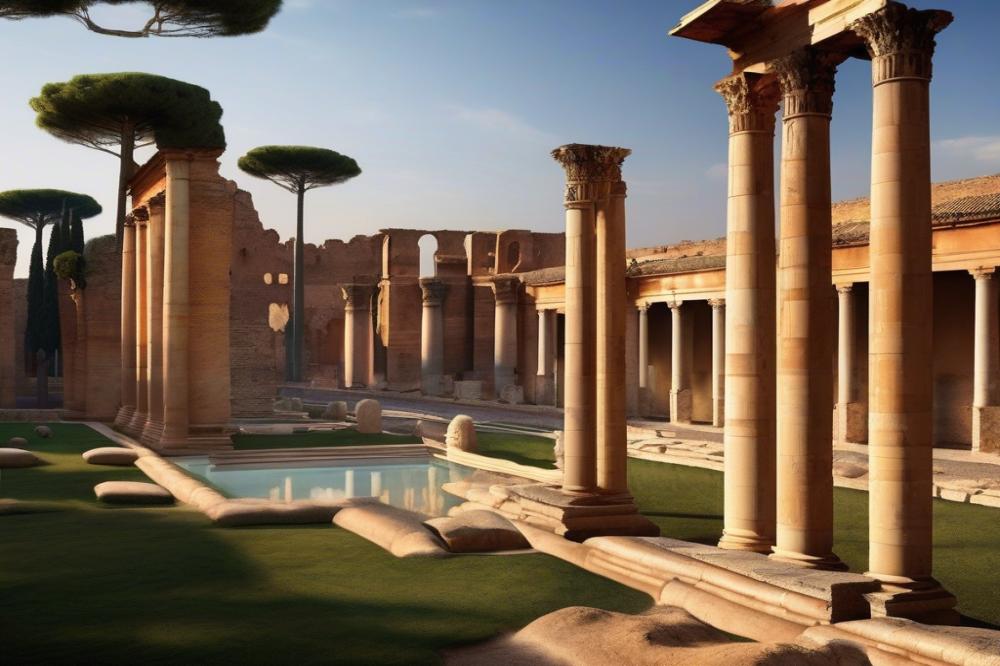
The Baths of Caracalla stand as a significant testament to Ancient Roman Engineering and public baths. Over the years, archaeologists have made numerous discoveries in this grand complex. These findings offer insights into the structure’s architectural brilliance and its role in civic life. Original mosaics, intricate statues, and remnants of the elaborate heating system showcase a highly advanced understanding of thermal baths.
Excavations have unearthed items that illustrate daily activities in ancient Rome, such as tools and pottery. Each artifact provides a glimpse into the social practices of the time. Many scholars emphasize the importance of these archaeological efforts. They argue that studying the remnants of the baths enhances our knowledge of Roman culture and engineering marvels.
Preserving the Baths of Caracalla is a challenging task. Both natural erosion and human activity have taken their toll on this historical landmark. Conservation efforts focus on maintaining the site’s integrity for future generations. Experts are working to restore damaged areas while ensuring new techniques respect the original materials.
Scientific methods are often used to analyze the remaining structures. Structural stability assessments are key to identifying which areas need immediate attention. Educating the public about the importance of these sites also plays a role in preservation. Guided tours and informative signage help raise awareness of the value of such archaeological projects.
The history of Roman baths illustrates the sophistication of their engineering. These structures were not merely places for bathing; they served as social hubs. Thus, studying the Baths of Caracalla is crucial for understanding how Romans lived and interacted in their communities. As efforts continue, the information gained from ongoing archaeological research will contribute significantly to our appreciation of ancient Rome.
Visiting the Baths of Caracalla Today
Planning a visit to the Baths of Caracalla can be an exciting experience. These ancient Roman baths exemplify remarkable engineering marvels and stunning architecture. Many tourists wonder about the best times to go. Generally, the site is open daily from 9 AM to 7:15 PM, but hours may vary seasonally. It is wise to check the official website for the most current information before heading out.
Ticket prices are reasonable compared to other historical attractions in Rome. As of now, an adult ticket costs around €8, while discounted prices are available for children and seniors. Guided tours can enhance your experience, offering deeper insights into this significant landmark. Many tours start around 45 minutes long and include fascinating stories about civic life in ancient Rome. Remember to book ahead, especially during peak tourist seasons.
While visiting, consider exploring the surrounding area. Just a short walk away lies the impressive Palatine Hill, where you can immerse yourself in more ancient history. The Colosseum is also nearby and worth a visit. For those interested in archaeology, the National Museum of Rome is another must-see location.
Make the most of your visit by arriving early. Fewer crowds in the morning allow for better photos and a quieter experience. Comfortable walking shoes will make navigating the site more pleasant. Also, don’t forget to bring water, especially during hot summer months. Enjoying a picnic lunch in the nearby gardens can be a refreshing break after exploring the thermal baths.
In summary, the Baths of Caracalla can offer an enriching experience for anyone interested in ancient Rome. The blend of history and architecture creates a unique atmosphere. Being prepared will surely enhance your trip to this incredible site.
The Legacy of the Baths
The Baths of Caracalla stand as a testament to the remarkable advancements of ancient Roman engineering. Constructed in the early 3rd century AD, this monumental structure reveals much about the society of the time. These Roman baths were not just places for bathing; they were cultural centers where people mingled, relaxed, and socialized. The grandeur and scale of the remaining ruins invite visitors to imagine the vibrancy of life that once filled these spaces.
Culturally, the baths represented a key aspect of Roman life. They showcased the importance of hygiene, leisure, and community. People from various walks of life gathered here, showcasing the diversity of Roman society. The complex’s architecture, with its towering ceilings and intricate mosaics, illustrates the artistic brilliance that characterized the era. Each stone tells a story, and each arch hints at the technological marvels achieved by the Romans.
Historically, these baths provide insight into the daily lives of ancient Romans. They reflect the values of a civilization that prioritized public health and social interactions. The sheer size of the baths demonstrates the ambition of Roman engineering, designed to accommodate thousands. They remain a crucial part of Rome’s tourism landscape, drawing visitors eager to step back in time.
Exploring this iconic site enhances one’s understanding of ancient Rome. Visitors can walk through the remnants of an engineering wonder that has withstood the test of time. These ruins evoke a sense of awe and respect for the ingenuity of the past. For anyone seeking a deeper appreciation of history, the Baths of Caracalla are a must-see. They are not simply ruins; they are a glimpse into a world where community and innovation thrived.

