
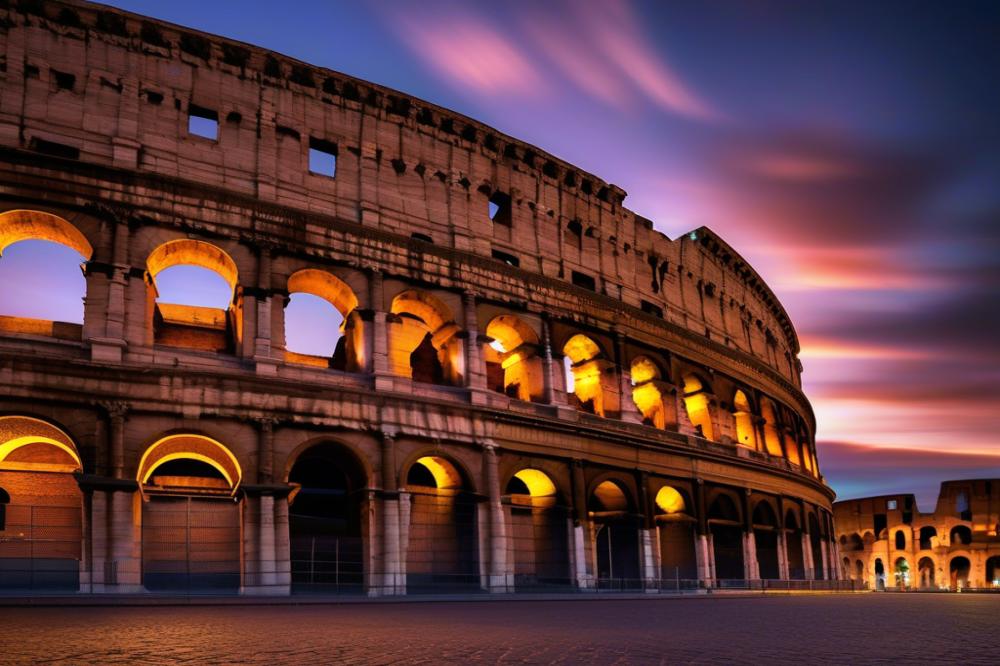
Explore the Colosseum: A Journey Through Ancient history
Rome stands out as a prominent tourism hub, attracting millions of visitors each year. Its rich tapestry of history, combined with stunning architecture, makes the city a must-see location. Among its many attractions, the Colosseum holds a special place in the hearts of tourists and historians alike. This iconic amphitheater is more than just a structure; it is a symbol of Ancient Rome‘s grandeur and a testament to its cultural heritage.
The importance of the Colosseum extends far beyond its impressive design. Built during the height of the Roman Empire, it served as a grand arena where gladiators fought for glory and survival. Spectators gathered to witness these dramatic battles, making the Colosseum a centerpiece of entertainment and societal life. This landmark stands today not only as a popular tourist destination but also as a key to understanding the values and traditions of ancient civilizations.
Examining ancient history reveals the rich narratives that have shaped modern society. Archaeology plays a vital role in uncovering the stories of those who lived centuries ago. Each stone of the Colosseum whispers tales of valor and spectacle, reflecting the complexities of Roman culture. From its massive structure to its intricate designs, this location encapsulates the spirit of its time, serving as a bridge between contemporary life and the distant past.
The Colosseum: A Symbol of the Roman Empire
Historical Background of the Colosseum
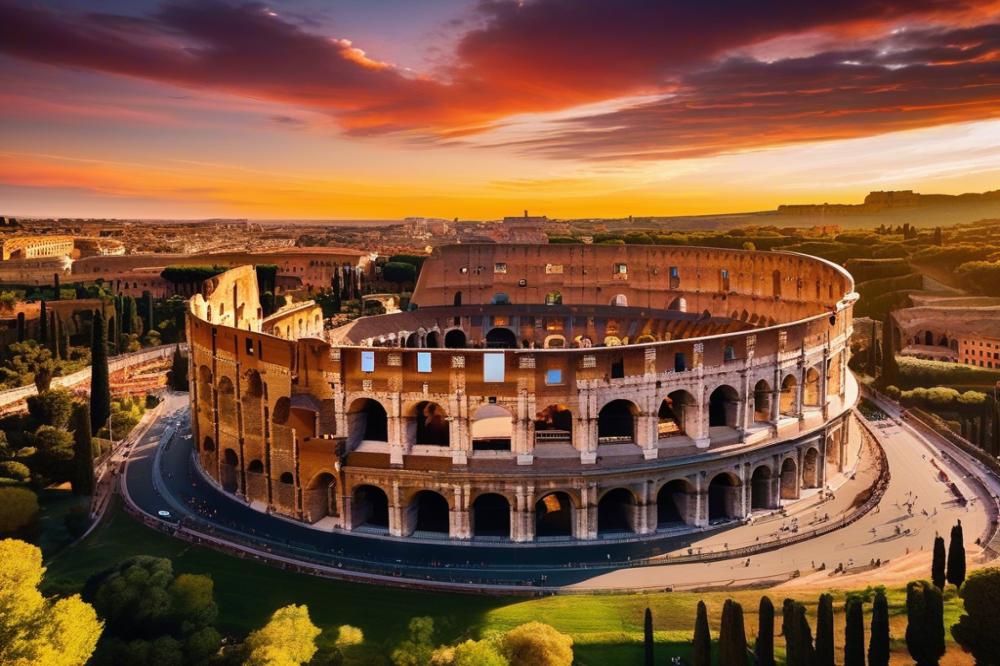
The Colosseum stands as an iconic testament to the Roman Empire’s grandeur. Completed in 80 AD, this monumental amphitheater was commissioned by Emperor Vespasian. Designed to showcase the might and wealth of Rome, it rapidly became a central part of city life. Throughout history, it witnessed countless spectacles and gatherings. Gladiatorial contests were a major highlight, capturing the public’s awe and attention. Various emperors added features over the years, enhancing its importance as a cultural landmark.
Construction Details and Architectural Features
Many admire the impressive architecture that characterizes this ancient structure. The elliptical shape allows for an expansive view, providing great sightlines for large crowds. Made primarily of travertine stone, bricks, and concrete, these materials contributed to its durability. Intricate arches and columns can be seen, representing the sophisticated techniques of the time. Moreover, the innovative use of vaults opened up more space within the amphitheater, creating a stronger framework. This clever design has allowed the site to endure through the centuries.
Role of the Colosseum in Ancient Roman Society and Entertainment
Entertainment played a key role in ancient Roman culture, and the Colosseum was at its center. Spectators filled the stands to watch gladiators battle for glory and survival. These fighters, often slaves or prisoners, became symbols of bravery and strength. Besides gladiatorial games, the structure hosted public executions and animal hunts, drawing massive crowds. Events served not only for amusement but also reinforced the power of the emperor. The arena became a stage for political and social messages, reflecting the complexities of Roman life. Today, tourism flourishes around this heritage site, attracting millions eager to understand its rich history. Archaeological efforts continue to reveal more about life during that era, deepening the connection to the past.
Gladiators and the Games
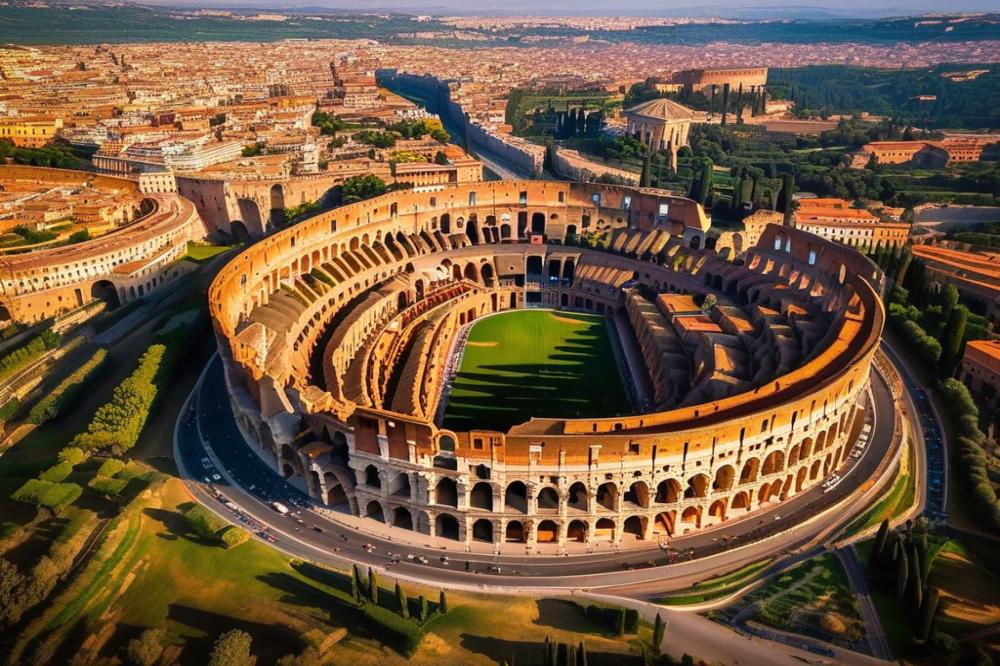
Gladiatorial combat holds a captivating place in the history of Ancient Rome. These fierce fighters were often slaves, prisoners of war, or criminals. Trained in special schools, they learned the art of battle to entertain the masses. Audiences flocked to grand arenas to witness these life-and-death contests. The Colosseum, one of the most famous landmarks, served as a central venue for these brutal spectacles.
The significance of gladiators in Roman culture cannot be overstated. They represented courage, strength, and skill. Many citizens idolized these warriors, who became symbols of heroism. Their battles transcended mere fighting; they were a reflection of social values and beliefs. Gladiators embodied a sense of the Roman spirit, often celebrated in art and literature of the era.
Watching the games had a profound impact on Roman citizens. These events did more than just entertain; they unified the populace. Social classes mixed in the stands, cheering for their favorites. It was a rare opportunity for the common people and the elite to experience something together. The games also served as a tool for the government to distract and control the masses. By providing thrilling spectacles, rulers maintained peace and order within the Empire.
Tourism around these events continues today, with many travelers eager to learn about this fascinating aspect of Roman heritage. Archaeological discoveries reveal much about the gladiators’ lives and the complex architecture of the amphitheaters. These findings deepen our understanding of their training, living conditions, and the reliance on spectacle in Roman society. The influence of the games has permeated modern culture, leaving a lasting legacy of fascination and intrigue.
Archaeological Significance
Discovery and Excavation of the Colosseum
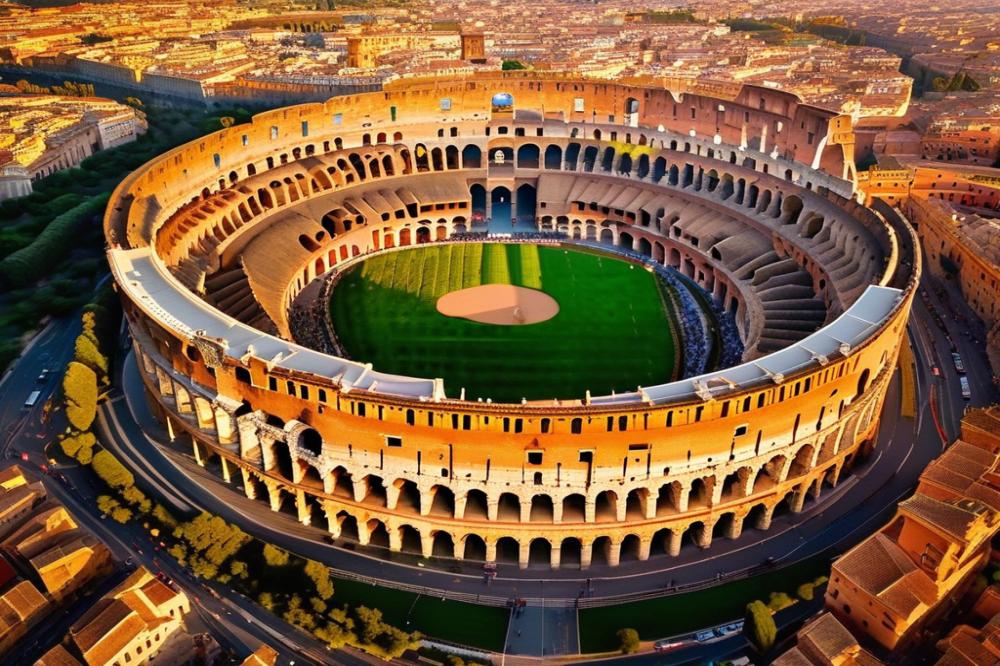
The discovery of the Colosseum stands as a pivotal moment in archaeological exploration. Built during the reign of Emperor Vespasian, this ancient amphitheater has long captured the imagination of historians and tourists alike. Excavations began in the 18th century. They revealed layers of history buried beneath the surface. Archaeologists unearthed remnants of the structure and artifacts from its heyday. These findings sparked greater interest in studying the life and times of gladiators and the grandeur of the Roman Empire.
Archaeological Findings and Their Contributions to Understanding Roman History
Numerous artifacts came to light during the excavations. Stone carvings, remnants of seating areas, and tools used by gladiators painted a vivid picture of Roman culture. Visitors today can grasp how the Colosseum served as a hub for entertainment and spectacle. Key discoveries highlight the engineering prowess of ancient architects who built such an immense structure. These findings have advanced our understanding of Roman social life, politics, and the significance of public events. Each artifact tells a story, shedding light on the complexities of that era.
Preservation Efforts and Ongoing Archaeological Studies
Preserving this ancient landmark is a priority for researchers and the Italian government. Restoration projects aim to maintain its integrity for future generations. Challenges persist, such as pollution, weathering, and the impact of millions of tourists each year. Ongoing studies enlist modern technology to analyze the site further. Researchers continue to uncover secrets about its past. They examine how the Colosseum influenced architecture and cultural practices beyond Rome. This dedication to understanding and protecting heritage ensures that history remains alive for all who visit.
Tourism and the Colosseum Today
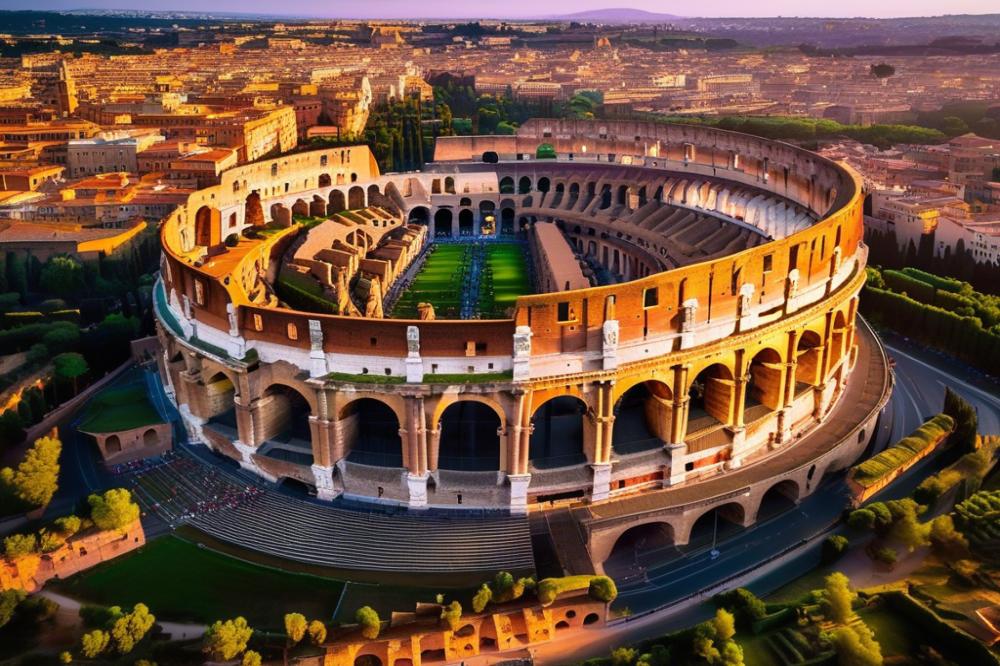
The Colosseum stands as a major landmark in Rome, drawing millions of visitors each year. In fact, it welcomes over six million people annually. This ancient amphitheater is not only a symbol of history but also a global attraction that showcases the brilliance of Roman architecture. Tourists from around the world travel to witness its grandeur and the stories that echo within its walls.
Visitor Statistics and Global Attraction
Throughout the years, the numbers of those who visit have shown a steady increase. People are fascinated by its rich culture and the role it played during the times of the Roman Empire. Those who walk its grounds can imagine the fierce battles between gladiators and the excitement of ancient games. The site ranks high among the most visited landmarks, drawing attention not just for its size but for its historical significance.
Tour Options and Experiences at the Colosseum
Many tour options cater to various interests. Guided tours often include in-depth discussions about the structure’s history and its function in ancient society. Some experiences allow visitors to explore lesser-known areas, such as the underground chambers where gladiators once prepared for combat. Families, students, and history lovers can all find something engaging that resonates with their curiosity.
The Colosseum’s Role in Promoting Tourism in Rome
This iconic site plays a crucial part in encouraging tourism across the entire city. Its presence helps highlight Rome’s rich archaeological heritage and inspires many travelers to explore other historical sites nearby. The Colosseum is often the starting point for excursions filled with discoveries about ancient Rome. By promoting its legacy, it helps preserve its influence on future generations.
Cultural Impact and Legacy
Influence on Modern Architecture
Many contemporary structures draw inspiration from this ancient amphitheater. Materials and design elements can be traced back to its grand architecture. Notable landmarks around the world reflect its iconic arches and use of space. For example, modern sports arenas often mimic its shape, ensuring a good view for spectators. This ancient wonder has influenced not just buildings, but also the way we think about public gathering spaces. The concepts of seating, sight lines, and crowd control were impacted by its design, impacting venues far beyond Rome.
The Colosseum in Popular Culture
Movies and video games frequently reference gladiators and their dramatic contests. Numerous films depict battles and stories surrounding this historic site. These portrayals help to keep its legacy alive, engaging new generations. Literature has also embraced its significance, with books exploring the lives of those in the Roman Empire. Fans of history and adventure often seek out its images, connecting with culture through popular media. The Colosseum represents a powerful symbol of ancient life, evoking intrigue and wonder.
Importance of Heritage Conservation
Preserving such an important piece of history is crucial. Tourism brings countless visitors each year, highlighting the need for ongoing care. Archaeology plays a significant role in understanding this monument’s past, helping to protect it for future generations. Cultural education serves as a bridge to teach about its historical context. By learning about the Colosseum, people can appreciate the complexities of society during the time of gladiators. Heritage sites like this remind us of our shared human history, promoting understanding and respect.
Final Thoughts on Exploring an Ancient Marvel
The Colosseum stands as a testament to Rome’s grandeur in both ancient and modern times. This iconic structure is not just an architectural wonder; it symbolizes the rich history of an entire civilization. Its significance cannot be overstated. Visitors walk where gladiators once battled, experiencing the echoes of the past.
Tourism plays a critical role in keeping this magnificent site alive. Millions travel to see this masterpiece every year. They come not just to take pictures, but to connect with a history that shaped much of the Western world. Such interest helps fund preservation efforts, ensuring that future generations can also appreciate this remarkable landmark.
Exploring this ancient site goes beyond sightseeing. It offers a chance to reflect on the stories behind the stones. Every corner holds secrets of the past, waiting for curious minds to uncover them. In a world that often rushes forward, taking time to appreciate such a monumental figure allows us to ground ourselves in history.
The invitation to witness this piece of architecture invites deeper understanding. Each visit fosters a connection to the past and provides insight into how it continues to influence our lives today. By exploring this iconic arena, one engages with a legacy that persists through time. This journey is not just about the Colosseum; it’s about discovering our shared human experience.

