
Exploring the Ancient bread culture of Matera in Basilicata
Matera stands as a remarkable testament to Italy’s enduring culinary heritage. Nestled in the region of Basilicata, this city is not just famous for its breathtaking landscapes and the Sassi di Matera. It also holds a rich history in food that spans centuries. Culinary traditions here have shaped local cuisine, infusing it with flavors deeply rooted in history.
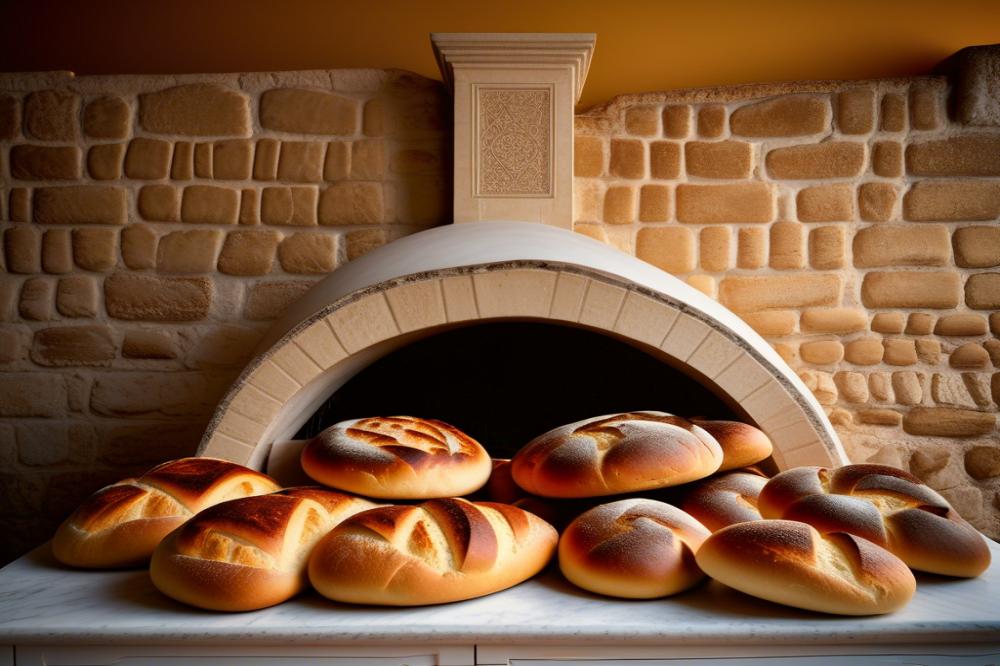
The ancient bread culture of Basilicata plays a vital role in this narrative. Bread is more than a staple; it symbolizes community and tradition. Across generations, techniques for traditional baking have been passed down, preserving the essence of the region. Each loaves reflect the unique ingredients available locally, giving Italian bread from this area a distinct character.
In Matera, bread-making is an art. Many families still use techniques that their ancestors employed. The smell of freshly baked bread wafts through the narrow streets, inviting locals and visitors alike to share in this age-old practice. Furthermore, the bread often accompanies meals, enhancing the overall culinary experience. Many regional specialties rely on it as a key component, making it a vital aspect of everyday life.
Understanding this bread culture allows one to appreciate not only the flavors of Basilicata but also the stories embedded in each bite. When you enjoy a slice of bread from Matera, you’re tasting history. It is a flavorful reminder of the area’s resilience and rich traditions that have withstood the test of time. As we delve deeper into the ancient bread culture of this enchanting city, the joy of sharing a meal becomes palpable.
The Historical Roots of Bread Culture in Matera
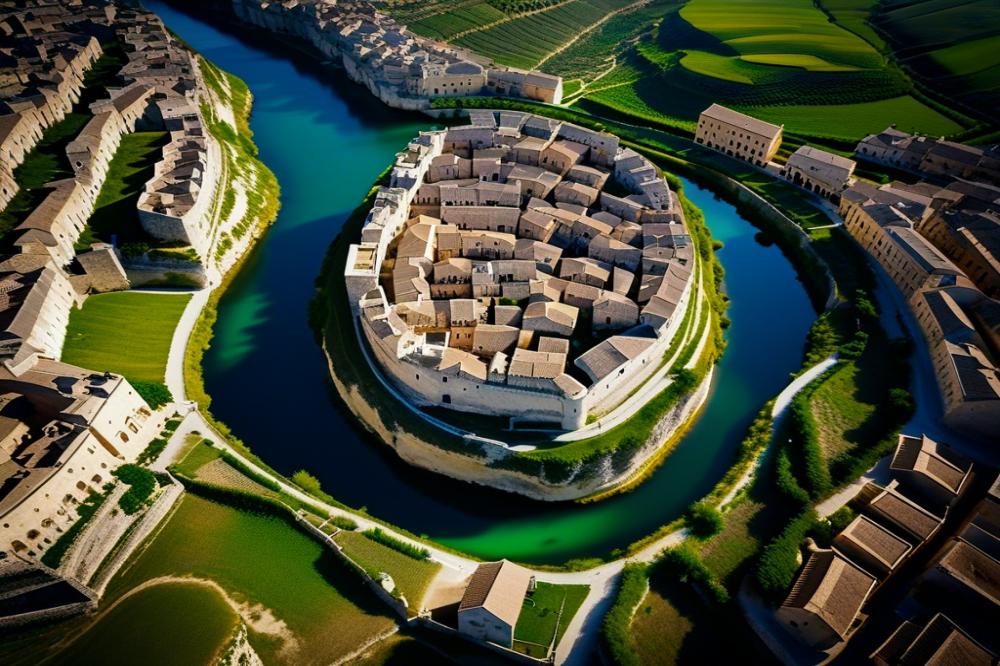
A deep dive into the origins of bread making in Matera reveals a rich tapestry of history and culture. This region of Basilicata has been shaped by various historical events that influenced its culinary traditions. Bread is not just a food item here; it is a symbol of survival and community.
Ancient bread recipes tell stories of the people who lived in the Sassi di Matera. Those cave-like structures provided both shelter and a unique environment for baking bread. Natural caves and stone ovens made perfect settings for traditional baking. Locals perfected their techniques over generations, adapting to the resources available.
Culinary heritage reflects the challenges and opportunities faced by Matera’s inhabitants. The harshness of the landscape required resilience. As a result, recipes evolved through trial and error. Techniques were passed down, blending elements of Mediterranean and regional specialties. Each loaf of bread carries hints of its environment and history.
Food history in Matera is also influenced by significant events, such as invasions and migrations. These encounters brought new flavors and methods, enriching local cuisine. The arrival of different cultures helped transform standard Italian bread into something truly special. Bakers began to experiment, creating unique variations that highlighted local ingredients.
The Sassi di Matera stands as a testament to this evolution. These ancient structures not only housed families but also safeguarded traditional baking practices. Visitors marvel at the way these skills have endured through time. By preserving their culinary traditions, the people of Matera maintain a connection to their past.
Each loaf baked today carries the weight of history. As more people discover the ancient bread of Matera, a new appreciation for this culinary art grows. Today, bakers strive to honor these traditions, while also embracing innovation. Bread making remains a vibrant part of life in this remarkable town.
Traditional Baking Practices in Basilicata
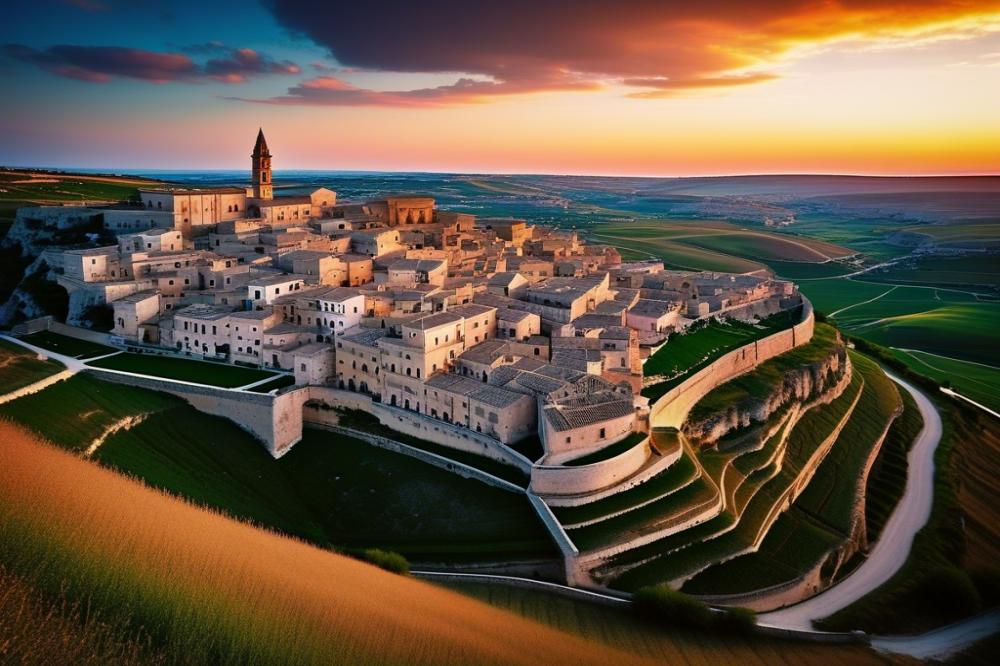
Bakers in Basilicata have mastered traditional baking techniques that date back centuries. The process begins with selecting the finest ingredients available in the region. Grain of high quality is crucial for making the famous Matera bread.
Wheat flour, primarily from durum wheat, forms the base of this ancient bread. This flour, unlike regular flour, imparts a distinct flavor and texture that locals cherish. Water from the local springs provides the necessary hydration. Beyond these staples, some bakers incorporate sourdough starter to develop a rich fermentation flavor.
Communal ovens are central to the baking culture in Matera. Families and neighbors gather to use these ovens, sharing not just space but also times and stories. These ovens foster a sense of community and connection among the people. When the sun sets over the Sassi di Matera, the aroma of baking bread fills the air, signaling more than just dinner time. It is a moment of gathering and celebration.
These communal gatherings symbolize the communal traditions of the area. People wait patiently by the ovens, sometimes exchanging baking tips or stories from the past. Such interactions highlight the importance of culinary heritage in local cuisine.
Bakers often utilize local herbs and spices, adding depth to the bread’s flavor profile. Some choose to experiment with chestnut flour, while others might introduce wild herbs. Each baker has their little secrets, contributing to a variety of regional specialties. Their bread, in all its forms, tells a story of the land and its people.
As time goes on, some techniques may evolve. However, the urgency to stay connected to food history remains strong. Each loaf of Italian bread baked in these communal ovens connects generations, ensuring that the past is remembered. The simple act of baking transcends mere nutrition; it becomes a celebration of Basilicata’s cultural traditions.
Regional Specialties and the Art of Italian Bread
In the heart of Basilicata, bread is more than just food. It is part of the region’s culinary heritage. Matera, famous for its ancient caves known as Sassi, is also known for its remarkable bread-making traditions. The bread of this area carries stories of a people, their struggles, and their celebrations. Each loaf represents the cultural traditions that have shaped the community over centuries.
Pane di Matera stands out among the regional specialties. This round loaf has a crusty exterior and a soft, chewy center. Made mainly from Semola flour, it has a distinct flavor that many locals cherish. The bread’s preparation involves traditional baking techniques, often performed in wood-fired ovens. Such craftsmanship highlights the importance of ancient bread in everyday life. It’s not just a staple; it’s a symbol of pride.
Another interesting bread is Ferratelle. This crispy delicacy can be filled with sweet or savory options. Often enjoyed during festivals and holidays, Ferratelle adds diversity to the local cuisine. It showcases how Italian bread adapts to the customs and celebrations of the people. Such breads bring flavor to various dishes, from antipasti to desserts.
Bread is also a key component in pairing with the exquisite wines produced in Basilicata. A good glass of Aglianico, for instance, complements Pane di Matera beautifully. The wine’s robust flavor enhances the bread’s earthy tones, creating a harmonious experience for diners. This connection between bread and wine is not merely by chance; it reflects the region’s food history.
Throughout Basilicata, local bakers continue to uphold these practices. Many have inherited the art of baking from generations before them. They take great care to maintain the authenticity of their creations. As the world becomes more fast-paced, these bakers remind us of the value in tradition and simplicity. Each loaf tells a story that is worth savoring.
Cultural Traditions and Celebrations Surrounding Bread
In Matera, the love for bread goes beyond mere nourishment. It is woven into the very fabric of local life, reflecting age-old customs and community spirit. Festivals celebrating bread are common, highlighting its significance in both social and religious events.
One of the most notable celebrations is the Festa della Bruna, held every July. This event features a massive procession that includes the blessing of bread. During the feast, locals prepare traditional breads, showcasing their skill in traditional baking. People gather to enjoy these treats together, strengthening communal bonds.
Another important aspect is the role of bread in religious rituals. In many households, bread is often the centerpiece of the family meal. It symbolizes unity and sharing. Special occasions, such as weddings and baptisms, typically include bread in their ceremonies. Families bake specific types of Italian bread that are part of these sacred events, connecting generations.
The Sassi di Matera, known for its ancient caves, also tell stories of bread’s cultural importance. In these stone homes, families have shared loaves for centuries. The act of baking bread was once done in communal ovens, showcasing cooperation among neighbors. This practice has left an imprint on Matera’s culinary heritage.
Local cuisine revolves around regional specialties that incorporate bread in various forms. Traditional dishes, such as the famous ‘pane di Matera,’ are characterized by their distinct flavors. They often feature ingredients sourced from the surrounding land. These loaves accompany many meals, highlighting the essential role of bread in everyday life.
Food history in this region is rich and diverse. Festivals often include demonstrations of ancient bread-making techniques. Visitors can watch artisans turn flour and water into dough, understanding the labor and love behind each loaf. Such experiences create connections between past and present, linking participants to the very heart of Matera’s traditions.
For many, bread represents much more than a side dish. It is a tangible link to Matera’s past and its people. Celebrations involving bread are a reminder of shared traditions and the importance of community. Every loaf baked carries stories of culture and heritage, enriching the identity of this remarkable town.
Preserving Ancient Bread Culture for Future Generations
Traditional bread-making practices in Basilicata face numerous challenges today. Modern technology and fast food have changed how people think about food. The desire for convenience often overshadows the appreciation for ancient bread and the methods used to create it. Many local bakeries struggle to compete with industrial products that dominate the market. These commercial options are often cheaper and quicker, making it hard for artisanal bakers to thrive.
In the Sassi di Matera, however, there are efforts to keep the traditions alive. Initiatives seeking to preserve these techniques are plentiful. Local bakers often share their recipes and methods through workshops. Educational programs aimed at younger generations help raise awareness of the region’s rich food history. Through hands-on experiences, children learn about the importance of traditional baking. These programs highlight not just how to make bread but the stories behind each loaf.
Community support plays a significant role in maintaining this culinary heritage. Farmers’ markets feature artisanal products, providing local bakers a platform to sell their goods. Customers often look for authentic Italian bread, enjoying the taste that comes from time-tested methods. The connection to local cuisine fosters relationships between the baker and the community. People value the stories of the bakers who create their food. This bonding is vital for keeping the culture alive.
Moreover, collaborations between chefs and historians help draw attention to regional specialties. These partnerships often lead to events that celebrate cooking traditions. Bread festivals and tasting events showcase the variety of baked goods from the area. Such occasions create excitement and curiosity about ancient practices. Visitors often leave with a newfound appreciation for the effort behind each loaf.
Despite the modern pressures, the commitment to preserving these ancient methods remains strong. As communities work together to maintain their cultural traditions, the hope is that the wisdom of the past will continue to inspire future generations.
The Heart of Matera: A Culinary Legacy
Exploring the ancient bread traditions of Matera allows us to tap into a rich narrative that has shaped the culture of this enchanting city. Food is more than just sustenance; it embodies history and community. Within the local bakeries and kitchens, the essence of Basilicata lives on, passed down through generations. Each loaf tells a story, reflecting the landscape and the people who cultivate it.
Understanding this heritage highlights the importance of preserving these culinary practices. They represent a unique part of Italy’s diverse food landscape. When locals make bread by hand, they connect to their ancestors, who relied on these traditions for daily nourishment. Visitors, too, should take the opportunity to engage with these customs. Trying traditional bread or learning the baking techniques offers a deeper appreciation for the culture.
Encouragement to experience this is vital. Whether residents or tourists, exploring local markets or participating in bread-making workshops can be exhilarating. These experiences open windows to the past, revealing how food connects us all. Sharing a meal in Matera can lead to newfound friendships, making meals memorable and meaningful.
Basilicata’s culinary secrets deserve to be celebrated. As we reflect on the importance of ancient bread traditions, we invite everyone to recognize the treasure that lies within Matera. By savoring its flavors and learning its stories, we honor not just the food, but the people and places that nourish our hearts and souls. Don’t miss the chance to sit at a table and taste the history that is waiting for you in this remarkable region.

