

Exploring the ancient ruins of Pompeii: A Journey Through Time
Pompeii stands as one of the most significant historical sites in the world. This ancient town, buried beneath volcanic ash, offers a unique glimpse into Roman civilization. Understanding its importance requires a look back at the catastrophic eruption of Mount Vesuvius in 79 AD. This event preserved the town in time, providing archaeologists with valuable insights into daily life, culture, and the architecture of the period.
Nestled in the heart of Italy, Pompeii is more than just a collection of ancient ruins. It represents a broader context of historical towns that reflect the diverse legacies of Italy’s past. Many towns across the Italian landscape echo the stories of ancient peoples. Yet, few present such an intact portrayal of life as it was over a thousand years ago.
Themes of history and archaeology intertwine in the exploration of this remarkable site. Visitors to Pompeii walk the same streets once traveled by its residents. They view the remains of homes and public buildings while experiencing a sense of connection to the people who lived there. Cultural heritage also plays a critical role. This site reminds us of the fragility of life and the importance of preserving our past for future generations.
A journey through Pompeii is not merely a travel experience but an immersion into the essence of what once was. The layers of history waiting to be uncovered tell tales of everyday activities, commerce, and social dynamics. As visitors explore, they can appreciate the sophisticated urban planning and intricate designs of ancient architecture that still capture the imagination. Understanding Pompeian life opens a window into a vibrant civilization cut short by disaster, yet preserved eternally in the ashes of Mount Vesuvius.
The Historical Context of Pompeii
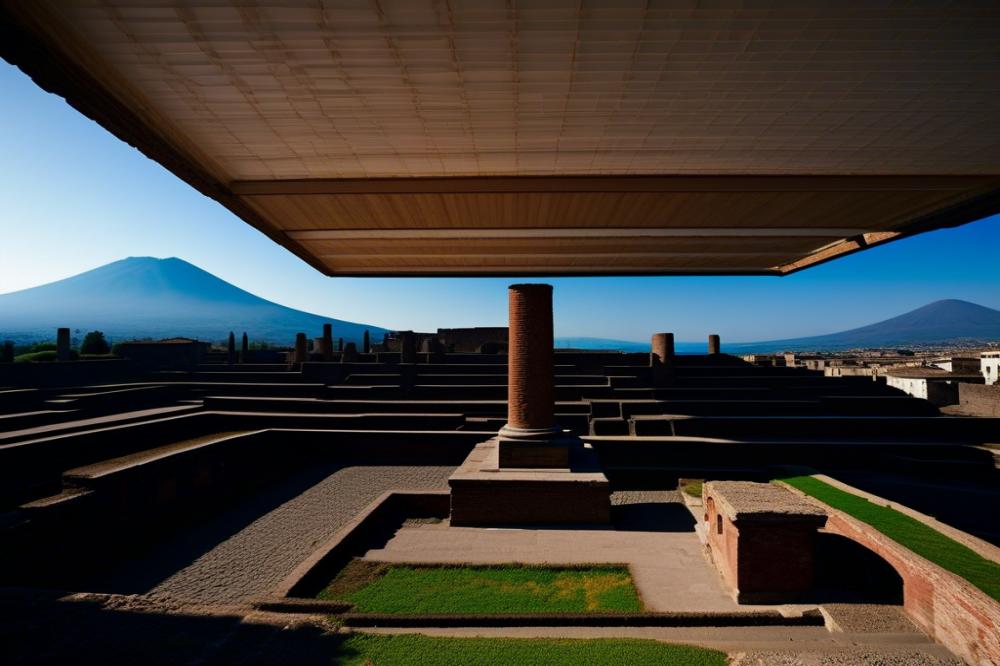
To understand the ruins of this ancient city, one must look back at the rise of Roman civilization. Starting around the 1st century BCE, Rome expanded rapidly. It became a powerful empire that influenced much of the Mediterranean region. At this time, urban centers flourished. They served as hubs for culture, trade, and politics.
Before the eruption of Mount Vesuvius in 79 CE, life in Pompeii was vibrant. The city was strategically located near the Bay of Naples. This offered residents access to trade routes. As a result, commerce thrived. Markets bustled, filled with goods from across the empire. Olive oil, wine, and garum were just a few of the items exchanged in the packed streets.
Such economic prosperity also shaped social life. Many families enjoyed relative wealth, leading to the creation of stunning homes decorated with exquisite art. Public baths and temples dotted the landscape, showcasing advanced ancient architecture. These establishments were not only practical but also served to strengthen community ties.
The looming presence of Mount Vesuvius was always felt. Known for its massive eruptions, it profoundly impacted the daily lives of local inhabitants. While residents appreciated the fertile land formed by volcanic ash, the threat of disaster was ever-present. People lived with the knowledge that the mountain could awaken at any moment.
When Vesuvius erupted, it changed everything. The city was buried under volcanic ash and pumice. This catastrophic event preserved the city in time, providing a unique glimpse into Pompeian life. archaeology has since uncovered many aspects of culture, lifestyle, and social structures. Today, these ruins stand as a testament to a moment frozen in history.
Travelers flock to this historical site to witness the remnants of an ancient world. Walking among the ruins offers a connection to the past. One can easily imagine the streets filled with lively markets and daily activities. Pompeii reminds us of the fragility of life. It serves as both a cautionary tale and a celebration of human achievement.
The Archaeological Discoveries
History of Archaeological Excavations in Pompeii
Excavations began in the 18th century after farmers discovered ruins while digging. The site revealed homes, streets, and public buildings frozen in time. Initial efforts focused mainly on retrieving artifacts and treasures. However, researchers soon realized the need for a more thorough investigation. A structured approach took shape as archaeologists sought to understand this ancient Roman city. Over the decades, numerous expeditions have uncovered layers of history buried under ash and pumice from the eruption of Mount Vesuvius in 79 AD.
Key Findings and Their Importance
Excavators have uncovered an astonishing array of items from daily life. These include pottery, frescoes, and even remnants of food. Such findings provide a glimpse into the everyday lives of people during Roman civilization. The preserved architecture reveals sophisticated engineering techniques and design choices. Inscriptions found in the ruins give voice to the past, showcasing the local dialect and culture. Each discovery adds to our knowledge of ancient life, economy, and social structure. This historical site draws researchers and visitors alike, eager to connect with a time long gone.
Preservation Efforts and Challenges
Preserving these ruins poses significant challenges. Conditions like weather and increased tourism threaten the delicate structures. Efforts are continuously made to maintain the integrity of buildings and artifacts. Experts use advanced techniques to stabilize walls and protect murals. Community engagement plays a crucial role in raising awareness about conservation. The ongoing efforts highlight the importance of protecting this cultural heritage for future generations. Striking a balance between access and preservation remains a critical focus for those involved in the site.
Exploring Ancient Architecture
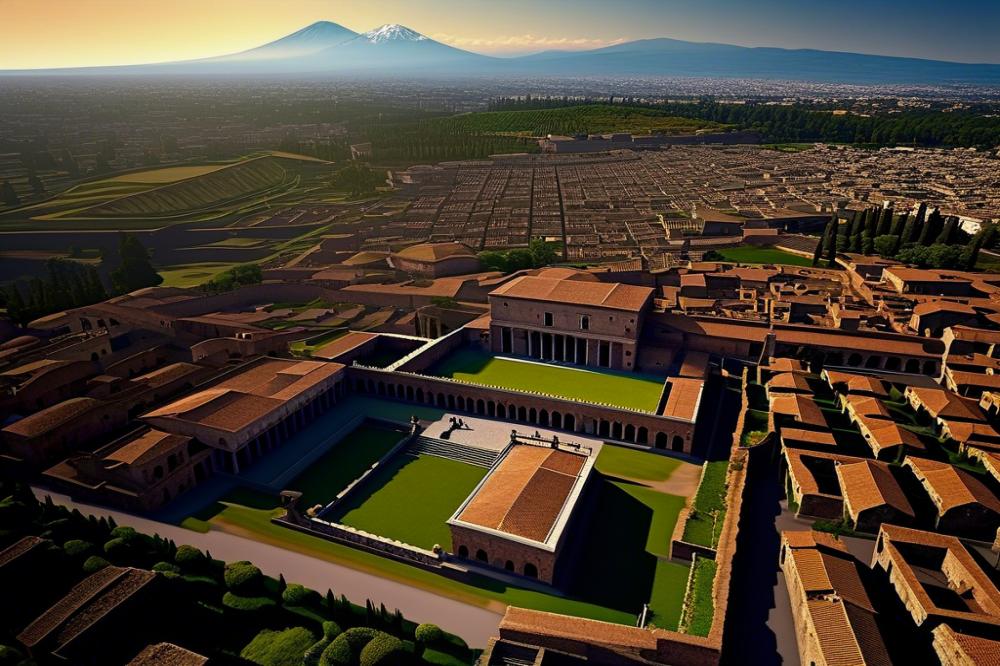
The architectural style found in and around Pompeii is a fascinating blend of practicality and beauty. Many structures showcase the creativity and ingenuity of ancient Roman civilization. Each building tells a part of the story of daily life and the community that thrived before disaster struck.
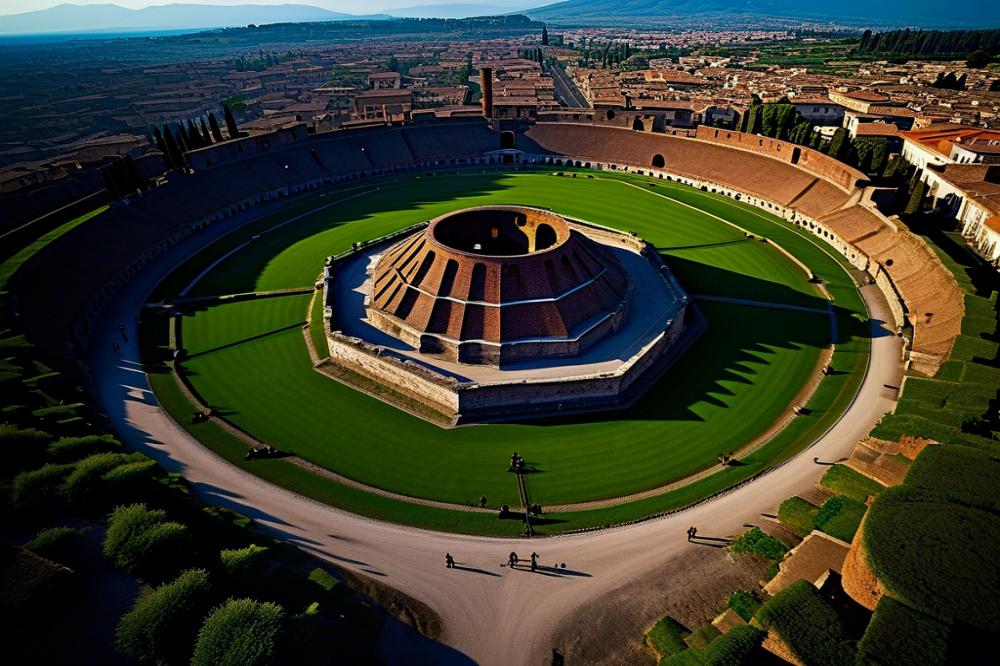
Notable among the structures is the amphitheater. It stands as a testament to the importance of entertainment in Roman society. This large arena could seat thousands of spectators. Events held there included gladiatorial contests and theatrical performances. Nearby, opulent villas speak to the wealth and lifestyle of affluent Pompeians. Lavish frescoes and intricate mosaics decorate their walls, providing a glimpse into the luxurious lives of their inhabitants.
Temples also mark the skyline. Dedicated to various gods, these buildings reveal the religious beliefs of the time. The Temple of Apollo is one such example. Its columns and altars hint at the significance of worship in Pompeian life. Structures like these were not only places of devotion but also integral to the cultural heritage of the community.
The influence of Roman architectural principles is clear in every corner. Use of arches and columns would later inspire countless generations. Builders understood how to create vast spaces that were both functional and grand. These techniques helped them to withstand the test of time, even when faced with the might of Mount Vesuvius.
Traveling through these ancient ruins offers a chance to reflect on history through architecture. Archaeological discoveries continue to fascinate researchers and visitors alike. Each stone unturned brings new insights into daily life and societal structure. The remnants of this historical site serve as a powerful reminder of what once was. Exploring the past can evoke deep appreciation for the achievements of those who lived long ago.
Pompeii as a Cultural Heritage Site

The significance of this ancient site in the study of ancient civilizations cannot be overstated. Excavations have provided a window into the daily life of people long forgotten. Scholars often examine the ruins to gain insights into social structures, economic activities, and even religious practices. Each layer of ash tells a story of what life was like before the catastrophe struck.
Travelers from around the globe flock to this historical site, drawn by its rich cultural heritage. Visitors can walk through well-preserved streets and encounter ancient architecture that speaks volumes about Roman civilization. Guided tours and educational programs offer an immersive experience. Tourists often leave with a better understanding of not just Pompeian life but of the broader context of the Empire.
Ongoing research continues to shed light on various aspects of life before the eruption of Mount Vesuvius. Archaeologists frequently discover new artifacts, which help to enrich our knowledge of the period. Techniques like ground-penetrating radar are uncovering hidden structures. Each finding holds the potential to change our understanding of this remarkable era in history.
Environmental studies also play a role in interpreting the city’s tragic end. Insights into volcanic activity give context to what happened that fateful day. The relationship between nature and humanity becomes clearer as researchers piece together the puzzle. Science and history converge in exciting ways, paving the way for future discoveries.
Visiting Pompeii Today
Traveling to this ancient site offers a glimpse into history and a chance to understand Roman civilization. The ruins are not merely a collection of stones; they represent a vibrant life frozen in time. Before you go, it’s wise to gather practical information. The archaeological site is located near Naples, Italy. Its proximity to Mount Vesuvius adds to its dramatic backdrop. Visitors arrive daily, so planning your trip can enhance the experience.
Practical Information for Travelers
Buying tickets in advance can save you time. The entrance fee allows access to the vast ruins sprawling over 66 hectares. Also, consider visiting early in the morning to avoid large crowds. Guided tours are available and provide valuable insights into the site’s rich history. If you prefer exploring on your own, a good map is essential. The terrain is uneven, so wear comfortable walking shoes. Don’t forget to bring water, especially during warmer months, as the sun can be intense.
Must-See Sites Within the Ruins
Key locations deserve attention during your visit. Start with the Forum, which served as the center of public life. Its remains reveal much about Pompeian life. The House of the Faun is an example of ancient architecture showcasing opulence. Don’t miss the Villa of the Mystery Frescoes, famed for its well-preserved artwork. The amphitheater, another highlight, gives insight into Roman entertainment. Each structure tells a story, adding layers to your understanding of this historical site.
Tips for Appreciating the Historical Significance During a Visit
To truly appreciate the ruins, take your time at each location. Contemplate the lives of residents who once walked these streets. Using a guidebook or an audio guide can enhance your knowledge significantly. Look for details in the frescoes and mosaics; they provide clues to daily activities and beliefs. Engaging with this cultural heritage can make your visit more meaningful. Reflecting on the tragic eruption of Mount Vesuvius in 79 A.D. adds a poignant touch to your exploration. As you stroll through the remnants, imagine the community that thrived here centuries ago.
Reflections on the Ancient City
Pompeii remains a significant site in the fields of history and archaeology. The eruption of Mount Vesuvius in 79 AD created a moment frozen in time, offering unique insights into daily life during the Roman Empire. Archaeological discoveries continue to reveal details about the past, from vibrant frescoes to complex plumbing systems. Each artifact tells a story, showcasing the people who once thrived in this bustling city.
Preserving such sites is vital for future generations. They serve as windows into our shared human experience. When we protect the remnants of our past, we allow later generations to learn and reflect on who they are. Without careful preservation, we risk losing important connections to our history and culture. Efforts to conserve these wonders must be a priority for both local authorities and international communities.
Exploring this ancient city is indeed a journey through time. It invites visitors to imagine life as it was thousands of years ago. Walking through its streets, one can almost hear the sounds of daily life, from merchants calling out to families tending to their homes. Each step taken is a reminder of the remarkable story etched in stone and ash.
In essence, connecting with sites like this enriches our understanding of humanity. It fosters appreciation for our roots and inspires curiosity about the past. As we uncover the layers of history, we not only honor those who came before us but also cultivate a deeper sense of identity for ourselves.

