
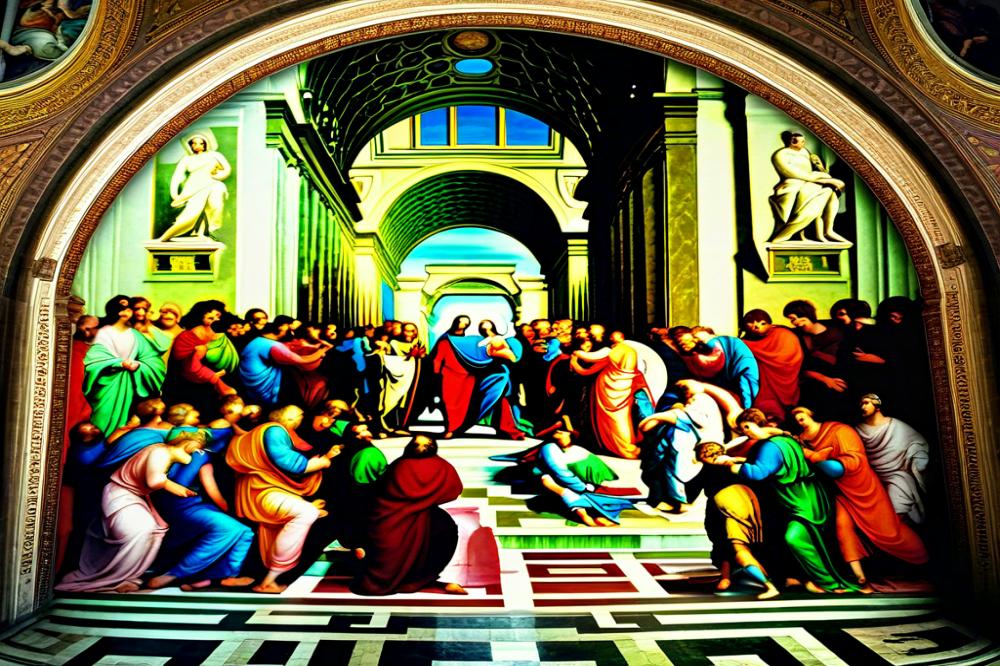
Exploring the themes in Raphael‘s Vatican frescoes
As a pivotal figure in Renaissance art, Raphael stands out for his remarkable ability to blend creativity with classical influence. His work during this transformative period showcases a profound understanding of human emotion and beauty. Among his many accomplishments, the Vatican frescoes hold a special place, reflecting both his skill and the cultural dynamism of the time.
The Vatican frescoes are not just paintings on a wall; they are a significant part of his artistic legacy. These masterpieces embody the ideals of the Renaissance, where art strove to marry the spiritual and the earthly. Within these vast murals, various themes emerge, each contributing to the overall impact and depth of the work.
Religious imagery plays a crucial role in these frescoes. Symbolism is woven throughout, enhancing the viewer’s understanding of the narratives depicted. Many elements engage deeply with the ideals of the era, showcasing a blend of spirituality and humanism that characterizes Renaissance art history.
The careful composition of each scene invites viewers to ponder the complex relationships between characters and their surroundings. Observers can see how Raphael balances elements, creating harmony that feels almost effortless. This ability to guide the eye through intricate narratives is part of what makes these works legendary.
Furthermore, the cultural impact of these frescoes cannot be understated. They have influenced countless artists and movements over the centuries. As we explore the themes present in these masterpieces, we gain valuable insights not only into Raphael’s creative mind but also into the broader context of art history during the Renaissance.
Raphael’s Vatican Frescoes: An Overview
Description of the Vatican Frescoes
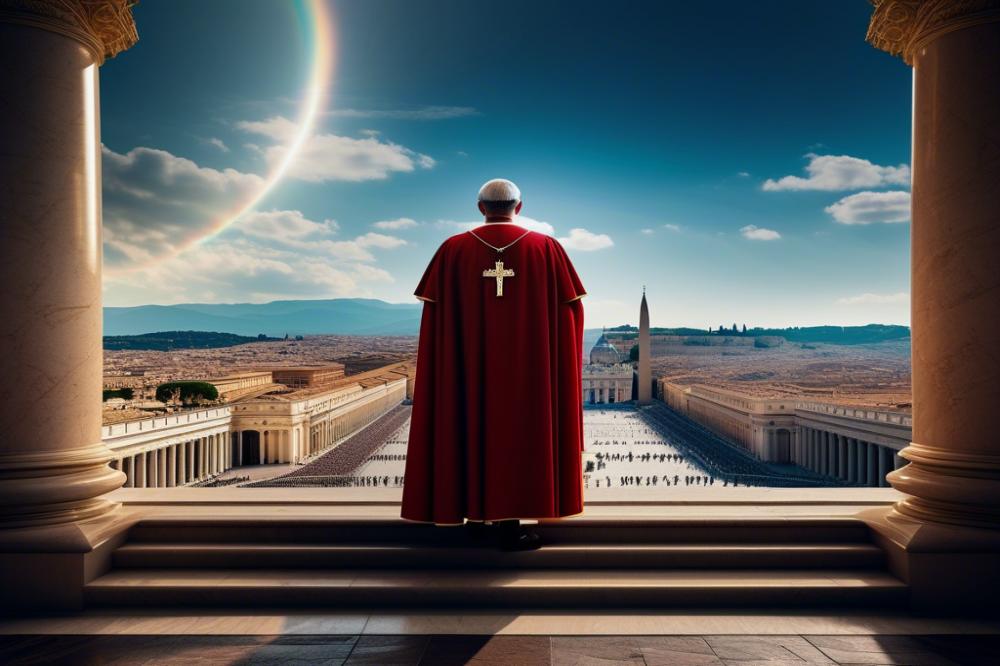
The Vatican frescoes are impressive works of art. They cover the walls and ceilings of the Apostolic Palace in Vatican City. Created in the early 16th century, these paintings showcase masterful compositions. One can find scenes filled with intricate details and vibrant colors. The subjects range from philosophical ideals to deep religious themes. Each fresco tells a story, inviting viewers to explore its meaning. The combination of figures, architecture, and landscapes creates a stunning visual experience. This artwork also reflects the artist’s technical skills and deep understanding of human emotion.
Significance of the Location and Commission
The location of these frescoes holds great importance. Commissioned by Pope Julius II, this project aimed to reinforce the power of the papacy. The Pope sought art that would inspire awe and respect for the Church. This decision illustrates the interconnection between art and religion during this era. The frescoes were designed to be seen by influential visitors. Their placement in the papal apartments ensured they would impact those in power. This strategy highlights how art can serve political and spiritual purposes simultaneously.
Context within the Renaissance Period
These works are a significant reflection of Renaissance ideals. This period emphasized a return to classical influences and humanistic values. Artists like Raphael embraced themes of beauty, creativity, and knowledge. Each brushstroke in the frescoes reveals the era’s dedication to exploring human experience. Symbolism plays a vital role in these pieces. Many figures draw inspiration from ancient mythology, promoting deeper understanding through religious imagery. The cultural impact of these frescoes can still be felt today. They remain a testament to how art history shapes our perception of the past and the present.
Themes of Religion and Spirituality
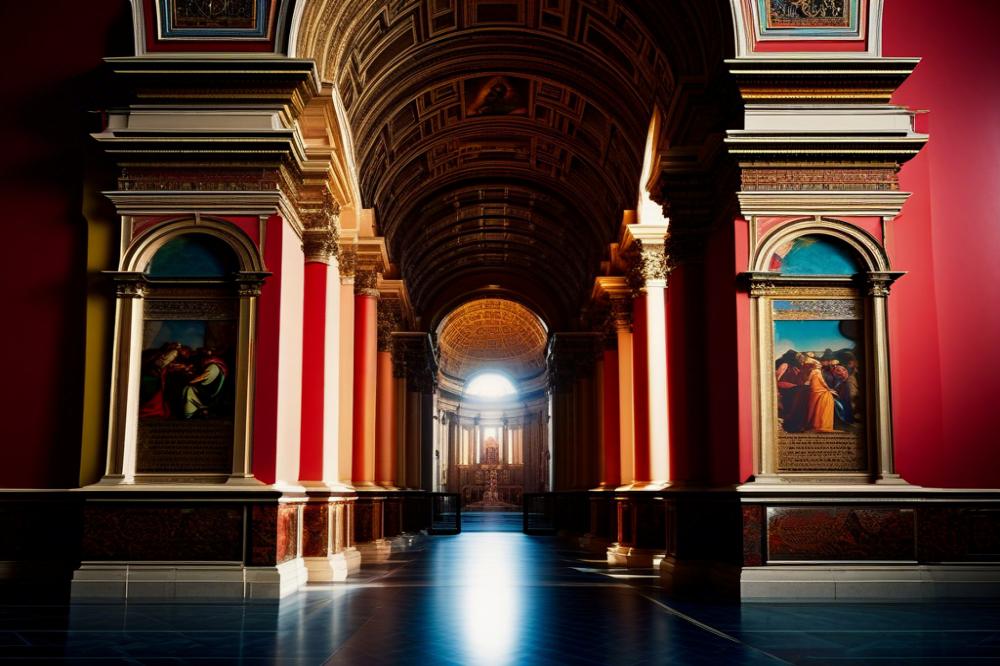
The exploration of religious imagery in the Vatican frescoes reveals much about the spiritual landscape of the Renaissance. Each panel serves as a visual narrative, showing scenes from the Bible. Viewers can immerse themselves in stories that resonate deeply with the human experience. This portrayal of faith not only attracts attention but also fosters a deeper connection to the divine.
Symbolism in Biblical Narratives
Throughout these masterful works, symbolism plays a significant role. Every figure, color, and gesture can carry profound meaning. For instance, the use of light often symbolizes divine presence and enlightenment. The composition of each scene invites observers to interpret the deeper layers of the stories. Understanding these symbolic elements enhances the appreciation of the artwork’s complexity.
The Impact of Faith on Artistic Choices
Faith profoundly influenced the artist’s creativity and decisions. The cultural impact of religion during this period pushed artists to depict sacred themes. Sacred subjects were not just popular; they were essential. A commitment to portraying spirituality can be seen in the attention to detail and emotional depth. These choices reflect a desire to communicate deeper truths, connecting viewers to a greater, divine narrative.
Renaissance ideals, including classic influences, are intertwined with these spiritual themes. Color palettes and stylistic choices echo ancient traditions while also serving a new purpose. This blend showcases how the artist navigated both reverence for tradition and innovative expression. The multifaceted approach ensures that these works resonate across time. Audiences can sense the powerful undercurrents of faith that shaped this art and the historical moment it represents.
Classical Influence in Raphael’s Work
Connection to Classical Art and Philosophy
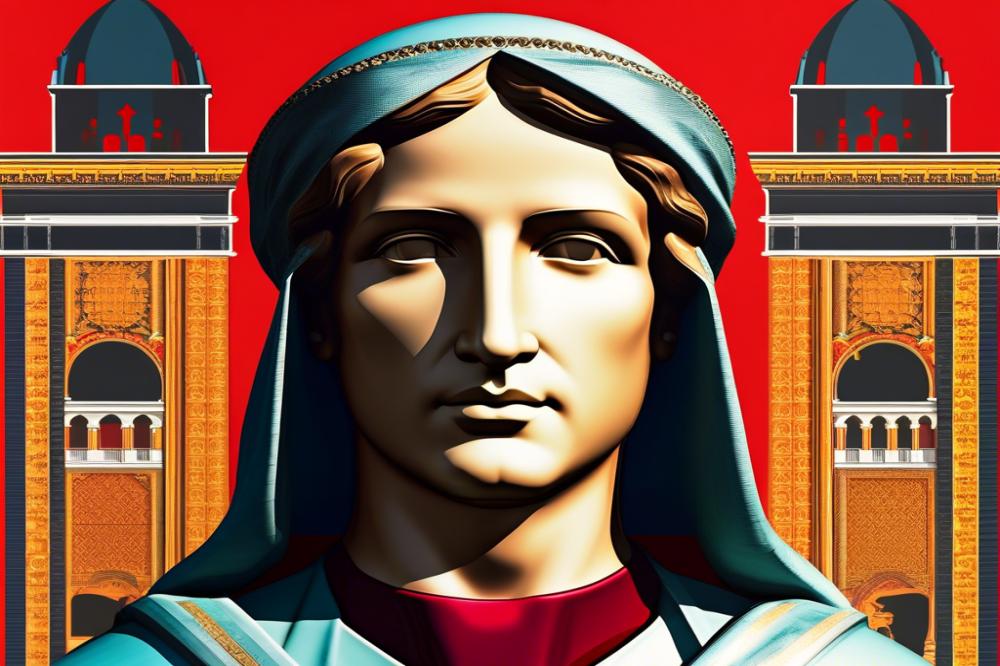
Many of the frescoes created during the Renaissance show a clear link to classical art and philosophy. Artists of this time looked back to ancient Greek and Roman works for inspiration. This connection is not solely aesthetic; it reflects deeper thoughts about humanity, beauty, and knowledge. Raphael understood these ideas well and incorporated them into his masterpieces. The influence of philosophers, like Plato and Aristotle, is evident in the themes he chose.
Incorporation of Ancient Symbols and Themes
Ancient symbols appear frequently in the frescoes. For example, the figure of Apollo often represents harmony and enlightenment. These symbols resonate deeply within the context of the work. Many characters drawn from mythology also find a place in these creations. Such themes echo the importance of knowledge and the human experience. They elevate the narrative beyond mere religious imagery to something more universal and profound.
How Classical Influences Shaped the Composition of the Frescoes
The overall composition reflects a balance achieved through the use of space and proportion. Harmony in design was a hallmark of classical architecture, and Raphael adopted these principles in his work. Each figure is placed thoughtfully, guiding the viewer’s eye across the entire scene. This meticulous arrangement invites exploration, encouraging viewers to engage with the story being told. As a result, the frescoes become a blend of classical beauty and innovative creativity. Their cultural impact remains significant in the study of art history, reminding us of the enduring power of the classical influence in shaping artistic expression.
The Role of Composition and Color
Analyzing the use of composition in the Vatican frescoes reveals a skilled approach to balancing elements within the artwork. Each scene displays a careful arrangement of figures, architectural structures, and backgrounds that guide the viewer’s eye. Spacing plays a crucial role; it creates tension and harmony simultaneously. The use of perspective draws viewers into the depth of the painting, making them feel part of the action. Such techniques reinforce the religious themes that permeate these masterpieces.
Color schemes play a vital part in conveying emotions throughout these works. Vibrant hues often suggest divine energy, while softer tones can evoke a sense of tranquility. For instance, the dominance of blue and gold reflects not just luxury but also spiritual significance. This careful selection of colors resonates with viewers on an emotional level. Audiences can sense hope, despair, or enlightenment based on the artist’s choices. Symbolism thrives in these color decisions, enhancing the narrative dimensions of the frescoes.
Furthermore, composition serves to reinforce the overarching themes presented within the artworks. Placement of figures can signify importance or hierarchy, guiding the observer toward key messages. For example, central figures often represent pivotal concepts such as wisdom or faith. Such arrangements reflect a deep understanding of visual storytelling trends from classical influence. This technique resonates with Renaissance ideals, where every element contributes to a cohesive dialogue between the spiritual and the earthly.
Art history reveals how powerful these aspects of composition and color were during this creative period. The cultural impact of those choices is undeniable. Shifting viewers’ perspectives was an artistic goal that each fresco accomplished masterfully. By examining these elements, one gains insight not only into the artworks themselves but also into the broader societal changes of the time.
Cultural Impact and Legacy
The influence of Raphael’s Vatican frescoes is profound. Artists who came after him drew inspiration from his work, transforming their own styles. The creativity displayed in these murals not only changed individual artists but also shifted the course of art history itself. His ability to blend classical influence with innovative themes paved the way for future movements. Many upcoming painters looked to his technique for guidance. The use of color, light, and perspective created breathtaking compositions that remain admired today.
Contemporary culture continues to reflect Raphael’s brilliance. His frescoes are often studied in art classes. They represent a bridge between the past and present for those exploring cultural narratives. Symbols of faith and morality resonate even now. Viewers find that religious imagery speaks to universal human experiences. Themes of knowledge, power, and virtue prevalent in his work invite discussions that transcend generations.
Understanding these themes is essential for grasping the broader context of the Renaissance. This period was marked by a revival of interest in classical thought and artistic traditions. Raphael, with his harmonious integration of these elements, epitomized the goals of the era. His works became touchstones for discussion about beauty and the human condition. As such, they serve as a vital resource for delving into the societal and philosophical questions of the time.
The impact on culture is not confined to museums. Many artists today reference the style and storytelling present in his frescoes. From architecture to literature, echoes of his work can be seen in various forms of expression. Educators often utilize these pieces to spark interest in art history. As people engage with these works, they ignite a curiosity about the world of the Renaissance. This lasting legacy illustrates how art shapes our understanding of history and society.
Final Thoughts on the Themes in Vatican Frescoes
Summary of Key Themes Explored
Examining the Vatican frescoes reveals a rich tapestry of themes that transcend time. The interplay between faith and knowledge stands out. Humanism also finds its place, portraying the relationship between humanity and the divine. Power dynamics are evident as well, reflecting the political climate of the Renaissance. Injected throughout is a celebration of beauty, the ideal, and the human experience. Each scene invites viewers to ponder profound questions about existence and morality.
Reflection on Lasting Significance
The contributions of these masterful artworks extend far beyond their initial context. They encapsulate an era of cultural blossoming, influencing artists across generations. Scholars still study them today, recognizing their role in shaping Western art history. With time, these visions have only grown in impact, becoming part of our shared cultural heritage. The ability to provoke thought and emotion remains strong, ensuring their relevance in contemporary discussions of art and society.
Encouragement for Further Exploration
Venturing deeper into the world of these famed artworks offers endless discoveries. Each brush stroke holds stories waiting to be uncovered. Scholars, artists, and enthusiasts alike benefit from engaging with this art. Consider visiting the Vatican or exploring exhibits focused on these creations. Doing so can spark inspiration and deepen appreciation for the mastery displayed. Raphael’s work offers a reflection of the past, yet it continues to resonate profoundly today. Dive into his contributions, and you might find more than just art; you may unearth lessons about humanity itself.

