

Overview of Fincantieri’s History and Significance
Fincantieri stands as a monumental figure in Italy’s maritime industry. Its roots go deep, tracing back to the early 1900s in the vibrant coastal city of Trieste. This shipyard has grown into a global leader, crafting everything from impressive naval ships to luxurious cruise ships. The significance of its engineering and ship design cannot be overstated.
Trieste serves not only as the home of this shipbuilding titan but also as a crucial hub for maritime technology. The company has expanded beyond national borders, impacting economies and cultures worldwide. With a remarkable ability to adapt to changing markets, it has maintained a competitive edge in production and innovation.
The legacy of Fincantieri embodies a blend of tradition and modernity. Skilled workers continue to produce vessels that reflect both artistry and advanced engineering. Every ship built here tells a story of dedication and craftsmanship. As a result, the brand has become synonymous with quality and reliability in the maritime sector.
As Italy navigates the complexities of global trade, Fincantieri remains a vital player. The company’s influence can be seen in ports around the world, where their creations sail, contributing to the shipping and tourism industries. In essence, this shipyard not only represents a pivotal aspect of Italy’s heritage but also shapes the future of shipbuilding across the globe.
History of Fincantieri

Fincantieri’s roots stretch back to 1959 in Trieste, Italy. It was established as a significant player in the maritime industry. This company evolved from various shipyards merging into one. During its early years, the focus remained on building naval vessels. The proximity to the sea provided natural advantages for ship design and engineering.
In the 1970s and 1980s, the company saw considerable growth. This period marked a shift toward larger ship production. The construction of cruise ships began, leading to new opportunities. Innovations in maritime technology positioned the firm as a leader in both military and commercial shipbuilding. The high demand for luxury vessels reshaped its identity, moving beyond traditional naval crafts.
A noteworthy milestone occurred in the 1990s with privatization. This transition allowed Fincantieri to operate more flexibly. Investing in modern techniques and equipment became a priority. As a result, production efficiency improved significantly. Efforts to enhance quality also paid off, gaining a reputation for excellence.
Throughout the 2000s, Fincantieri expanded its global footprint. Partnerships and acquisitions increased its market presence. The firm engaged in international projects, boosting Italy’s influence in the maritime sector. The impact on the nation’s economy was profound. Job creation in shipyards played a vital role in local communities.
Key historical events, such as developing military ships, shaped the direction of the company. Contributions to defense and security initiatives solidified its reputation. Not only did Fincantieri provide economic benefits, but it also became a cornerstone of Italy’s industrial landscape. Its ability to adapt to changing demands has kept it at the forefront of shipbuilding.
Today, the legacy of Fincantieri continues. With ongoing advancements in technology, it remains a significant force. Its influence on both naval and cruise ship markets reflects a rich history. As the company moves forward, it carries the spirit of innovation that began in Trieste.
Fincantieri’s Shipyards
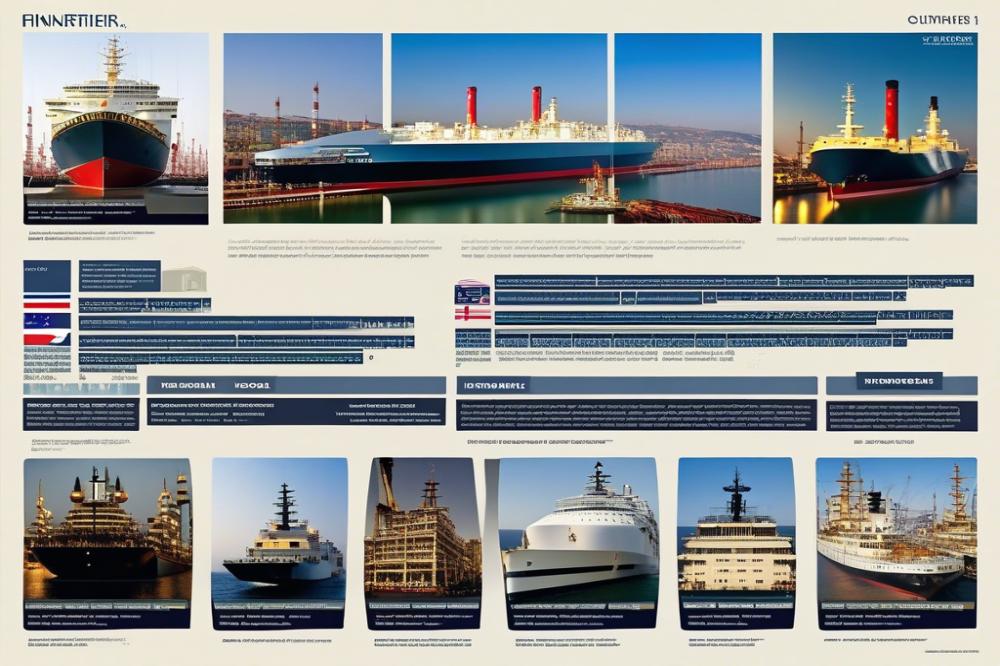
Located primarily in Trieste, the shipyard serves as a vital hub for Italy’s maritime industry. This facility is renowned for its large-scale production capabilities. Here, workers build both naval ships and luxurious cruise ships, showcasing a blend of advanced engineering and innovative design.
Trieste’s shipyard has a rich history. It has evolved over decades, adapting its manufacturing processes to keep pace with modern demands. The facility uses state-of-the-art maritime technology. This equipment enhances production efficiency, resulting in high-quality vessels.
Specialized teams play a critical role in ship design. They focus on various elements, from structural integrity to aesthetic appeal. Collaborative efforts among engineers and designers lead to unique solutions in shipbuilding. Their expertise is fundamental in creating vessels that meet strict safety standards.
Each location across Italy contributes in its own way. Some shipyards excel in military construction. Others prioritize the creation of luxury cruise ships, attracting travelers from around the globe. They tailor their production to market needs, reflecting trends in the maritime industry.
At the Trieste facility, the building process begins with detailed planning and design. This stage involves extensive research and development to ensure every aspect is addressed. Once designs are finalized, actual manufacturing commences, utilizing both traditional craftsmanship and modern technology.
Quality control is also critical. Each ship undergoes rigorous testing before leaving the shipyard. This is particularly important for naval vessels that must meet high performance and durability criteria.
Overall, the diverse capabilities of Fincantieri’s shipyards exemplify Italy’s prominence in shipbuilding. Workers take pride in their contributions. The passion for excellence resonates through every project undertaken, from naval might to luxurious travel experiences.
Naval and Cruise Ship Production
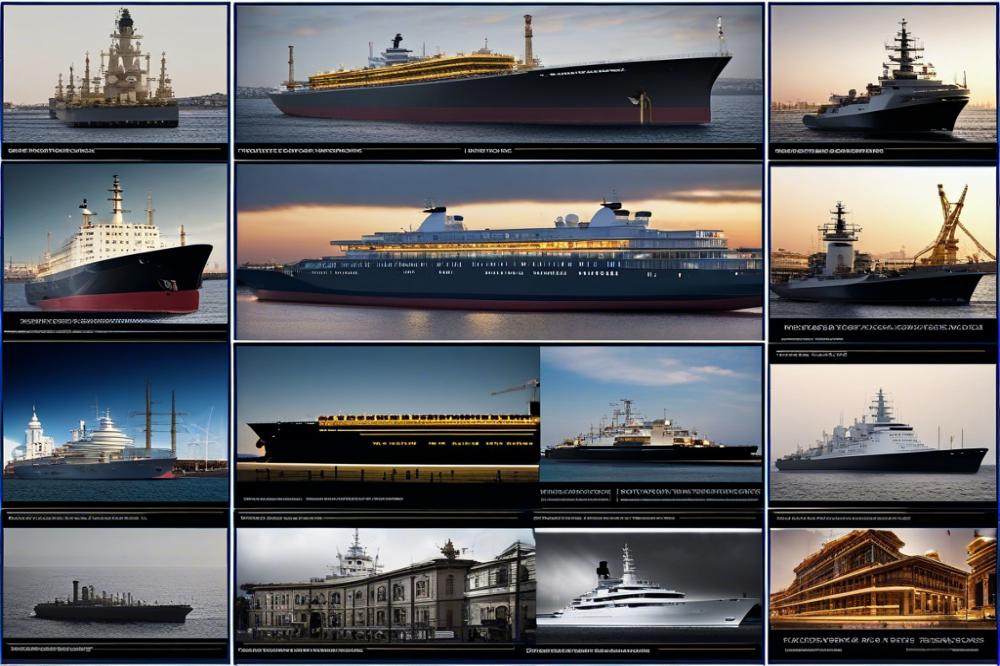
Fincantieri, a powerhouse from Italy’s Trieste, specializes in building both naval and cruise ships. The shipyard is known for its commitment to ship design and engineering excellence. They produce a wide array of vessels, ranging from sophisticated naval warships to luxurious cruise liners designed for leisure. Each type of ship showcases the company’s varied expertise in the maritime industry.
Naval ships represent one of their key areas of production. These vessels are engineered to meet the demands of modern military operations. Fincantieri designs feature advanced technologies that enhance both combat efficiency and survivability. Notable ships include the FREMM-class frigates, which have been praised for their agility and stealth capabilities. Each of these ships embodies cutting-edge maritime technology.
Cruise ships stand as another significant segment of the company’s production. These vessels focus on comfort and entertainment, creating a unique experience for passengers. The company continually pushes the boundaries of ship design to offer innovative features, such as spacious decks and stunning interiors. Ships like the new LNG-powered vessels set a standard in sustainability and efficiency in the cruise sector.
Innovation is at the heart of Fincantieri’s success. Every new design brings improvements in safety, performance, and environmental impact. The shipyard’s relentless pursuit of quality ensures that both naval and cruise ships meet high operational standards. Each project reflects a blend of traditional craftsmanship and modern engineering techniques, creating a dynamic shipbuilding environment.
Fincantieri’s reputation stems not just from their impressive production capabilities, but also from the numerous distinguished vessels launched over the years. Every ship produced carries a legacy of Italian ingenuity and maritime prowess. Ultimately, the enduring commitment to excellence shapes the future of shipbuilding in Trieste and beyond.
Maritime Technology and Engineering
Fincantieri stands as a pillar in the maritime industry. It hails from Trieste, Italy, a region rich in shipbuilding history. The company has made significant strides in naval ships and cruise ships alike. Advancements in ship design reflect a blend of tradition and innovation. Many new vessels feature streamlined shapes that improve speed and fuel efficiency.
One remarkable aspect of this shipyard is its commitment to energy efficiency. Engineers incorporate modern materials and technologies to enhance performance. For instance, lightweight aluminum and advanced composites contribute to reduced weight. As a result, these modern ships consume less fuel. This not only cuts costs but also benefits the environment.
Production techniques have evolved dramatically over the years. Robotics play a crucial role in assembly processes. Automation allows for greater precision and efficiency in manufacturing. With these tools, shipbuilders can achieve tighter tolerances. These improvements translate into safer and more durable vessels.
The company also focuses on smart technologies. In recent designs, integrated systems help monitor performance in real-time. Crews can manage operations more effectively, thanks to advanced sensors and data analytics. This keeps ships operating smoothly while minimizing unnecessary downtime.
Engineering innovation does not stop at the hull. Interior designs have also seen a transformation. Enhancements to accommodation spaces make travel more enjoyable for passengers. Cruise ships, in particular, offer luxurious features that attract millions of tourists.
Moreover, Fincantieri actively collaborates with academic institutions. Partnerships with universities foster research in maritime technology. By working closely with scholars, the company can stay ahead of trends. This proactive approach helps to shape the future of ship design.
Overall, the contributions from this leading shipbuilder have significantly impacted the industry. By embracing cutting-edge engineering and eco-friendly solutions, ships continue to evolve. Each new construct embodies Italy’s rich maritime heritage and its future aspirations. The ongoing journey of innovation promises to keep the maritime domain thriving for decades to come.
Global Reach and Collaborations
Based in Trieste, Italy, Fincantieri has established a significant international presence in the maritime industry. Shipyards are not just located in its homeland but also spread across several countries. This global footprint enhances its ability to produce both naval ships and extravagant cruise ships. By working with diverse partners, the company amplifies its impact on the world stage.
Collaborations with foreign governments and corporations play a crucial role in its strategy. Projects often emerge from joint ventures that foster innovation in ship design and engineering. For instance, partnerships with the United States Navy have allowed for advancements in naval technology. Such alliances result in sharing resources and expertise, which boosts overall production capabilities.
Expansion strategies are multifaceted. They focus on tapping into emerging markets while also strengthening relationships in established ones. Opportunities abound in countries that seek to modernize their fleets. Regions like Southeast Asia are becoming vital areas for growth, where demand for advanced maritime technology is rising.
Fincantieri’s commitment to building relationships is apparent. The company frequently participates in international shipbuilding exhibitions. These events create platforms for networking and showcasing its innovations. Engaging with other leaders in the industry helps in strategizing for future projects.
Through its ventures around the globe, the Italian company not only fulfills contracts but enhances its reputation. Continuous collaboration with diverse entities fosters a wealth of knowledge that benefits the entire industry. Various international projects reflect its adaptability and commitment to quality.
This shipbuilding titan continues to influence the market through strategic alliances. By aligning with partners who share similar goals, it stays ahead of the competition. Safety, efficiency, and sustainability remain core values in all its endeavors.
Future of Fincantieri
Italian shipbuilding is on the brink of transformation. Based in Trieste, the country’s maritime industry leader is exploring new horizons. Future projects are not only ambitious but also reflect a keen awareness of current trends in ship design and engineering. A focus on innovation is evident in every aspect of production.
Upcoming projects include plans for advanced naval ships and luxurious cruise ships. These vessels will incorporate cutting-edge maritime technology. A commitment to sustainability will be a core element. Builders are dedicated to creating ships that are environmentally friendly and efficient.
This shift isn’t merely about economic gain. There is a strong push toward reducing carbon footprints across the entire shipyard. With a greater emphasis on alternative energy sources, expectations are high. New designs will integrate hybrid systems, which can significantly lower emissions.
Embracing digital advancements is another part of the vision. Modern engineering techniques like automation and artificial intelligence are set to change production processes. Such tools can enhance precision and decrease downtime. This fosters a rapid response to market needs, making the company more competitive.
Collaboration with tech companies is vital. Partnerships can lead to breakthroughs in shipbuilding practices. Moreover, sharing knowledge and resources will drive the industry forward. Designers and engineers are excited about the potential of these relationships.
A clear strategy is emerging. By focusing on a blend of traditional craftsmanship and modern technology, expectations for the next decade are high. Workers at the shipyard are eager to adapt and learn. Embracing these changes will keep Italy at the forefront of global shipbuilding.
Final Thoughts on Italy’s Shipbuilding Legacy
The impact of Trieste’s shipbuilding titan on the maritime industry is profound. Over the years, this company has set standards for both craftsmanship and innovation. Its contributions go beyond the borders of Italy, reaching clients and markets around the globe. The ships produced are not just vessels; they symbolize technical advancement and unrivaled design.
Looking ahead, possibilities abound. Ongoing advancements in technology will likely transform ship design and production. As environmental regulations become stricter, the industry faces new challenges. Meeting these demands will require balancing tradition with modern practices. Embracing sustainability could be the way forward.
This shipbuilder has become integral to Italy’s economy. Many locals rely on jobs created by the industry. Moreover, its influence can be seen in student programs and partnerships with universities. This connection fosters a new generation of maritime professionals.
In summary, the legacy of this company is marked by collaboration and excellence. Future innovations promise to keep it relevant in a constantly evolving market. All eyes will be on how it navigates the waves of change. Fincantieri’s journey will continue inspiring maritime endeavors for years to come.

