
From the Tiber to the Aegean: Key Naval Battles and Roman fleet movements
Naval warfare played a pivotal role in the history of the Roman Empire. While often overshadowed by land battles, contests at sea were vital for controlling trade routes, protecting coastlines, and projecting power across regions. The significance of these maritime confrontations cannot be overstated, as they ultimately shaped the course of the empire’s expansion and interactions with other cultures.
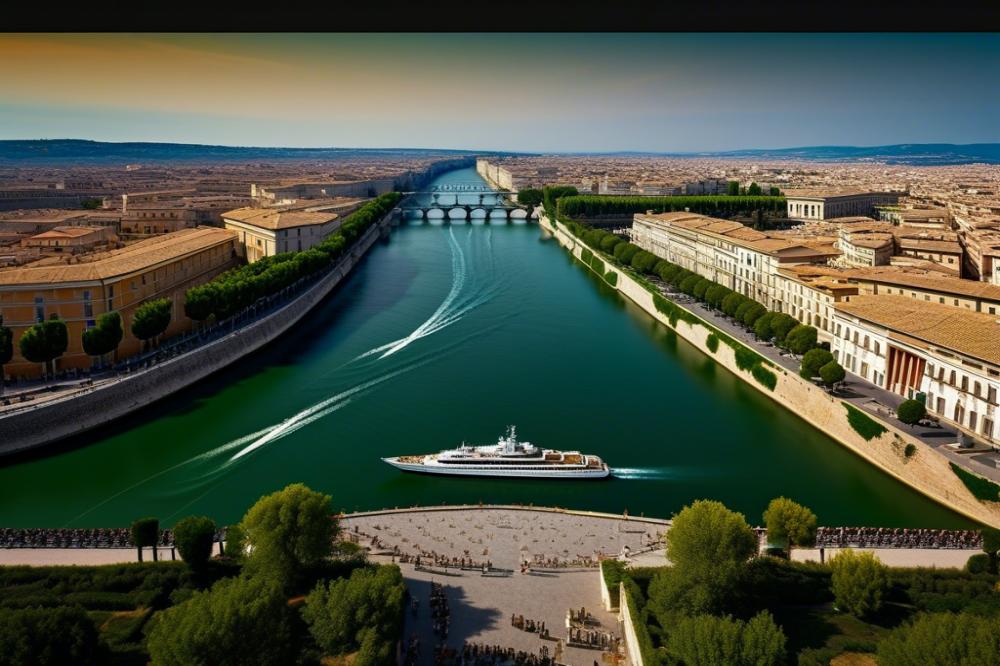
The Tiber River, flowing through the heart of Rome, served as more than just a freshwater source. It became a strategic artery, facilitating both commerce and military operations. The early Romans recognized the need for a capable fleet to secure their interests. As the empire grew, so did the complexity of naval engagements. The battles in the Aegean Sea highlighted the contest for dominance over critical shipping lanes, particularly against powerful rivals like Carthage.
Roman fleet movements were engineered with meticulous planning and military strategy. As innovations in naval technology emerged, ships evolved from simple vessels to formidable warships. Fleet formations became essential in maximizing the effectiveness of each engagement. Techniques for maneuvering ships allowed commanders to outsmart opponents and seize victory, proving that intellect often trumps sheer force in ancient warfare.
Understanding these battles at sea provides insight into the broader context of maritime history. The influence of naval powers cannot be overlooked in the shaping of ancient empires. Each clash of fleets represented more than just a struggle for control; it signified the culture, economy, and future of the Roman Empire. From the banks of the Tiber to the blue waters of the Aegean, the legacy of Roman naval battles endures in our understanding of military strategies and societal influence.
Roman naval battles
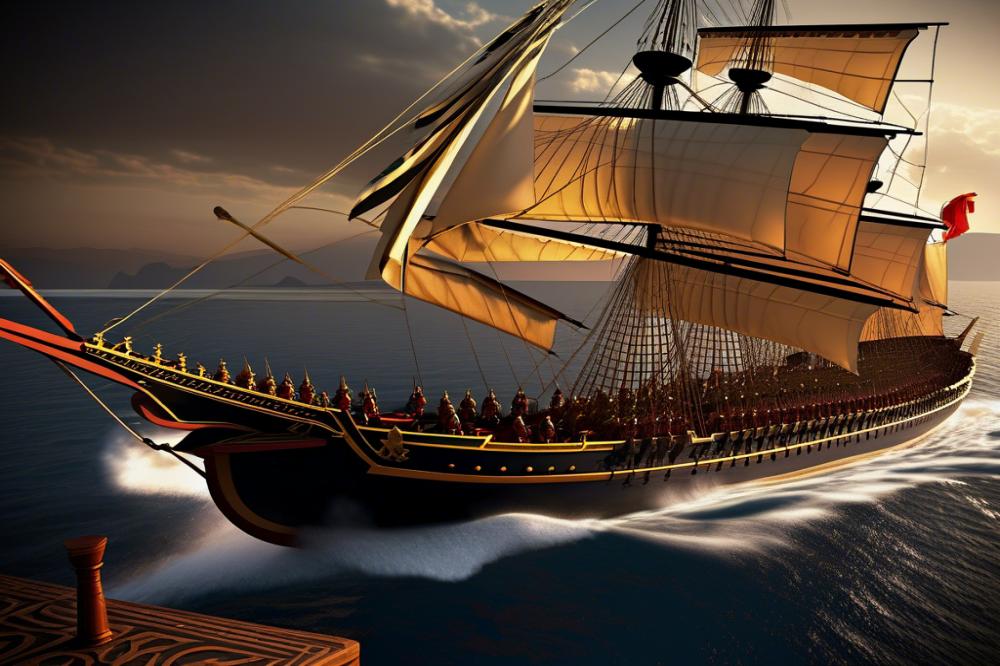
Naval warfare played a significant role in the expansion of the Roman Empire. The battles at sea often determined control over vital trade routes and territories. An examination of key engagements reveals how Rome shaped its maritime history through naval technology and military strategy.
One of the earliest notable conflicts occurred during the First Punic War. The Romans faced off against Carthaginian forces around the islands of Sicily. This struggle was marked by innovative fleet formations, which allowed Rome to turn the tide against a traditionally superior naval power.
Victory at the Battle of Mylae in 260 BC was crucial. Roman ships, equipped with the corvus, a boarding device, changed the face of engagements at sea. This battle marked a shift in naval tactics, demonstrating Rome’s ability to adapt and thrive in this new arena.
As the conflict continued, battles at sea became increasingly common. The Battle of Ecnomus in 256 BC was one of the largest naval encounters in ancient history. Here, Roman forces outmaneuvered the Carthaginians, securing a decisive victory that paved the way for future conquests.
Control of the Aegean Sea became vital for the Romans. The ability to navigate these waters enhanced their dominance in trade. Securing these routes bolstered the economy and military supply lines for the Empire.
Throughout the second century BC, the Roman fleet grew more formidable. Development of new naval technology strengthened their capabilities. Increased shipbuilding allowed for larger fleets that could project power across the Mediterranean.
Another significant moment came in 168 BC with the Battle of Pydna. Though primarily a land battle, naval support was crucial. This event showcased the integration of sea forces with ground troops, enhancing overall military effectiveness.
The ensuing decades saw the Roman Empire expand its grasp on the Mediterranean. Control over the Tiber River allowed for efficient movement of troops and resources. The river served as a critical highway, connecting inland territories with the expansive naval network.
Engagements like the Battle of Actium in 31 BC signaled the end of the Roman Republic. The decisive defeat of Mark Antony’s fleet signified the start of Imperial dominance. This battle underscored the importance of alliances and intelligence in naval operations.
In summary, battles at sea were more than just historical events. They were turning points that showcased the changing nature of warfare in the ancient world. The innovation, determination, and sheer skill of Roman commanders shifted the balance of power on the world’s oceans.
Tiber River: A Naval Gateway
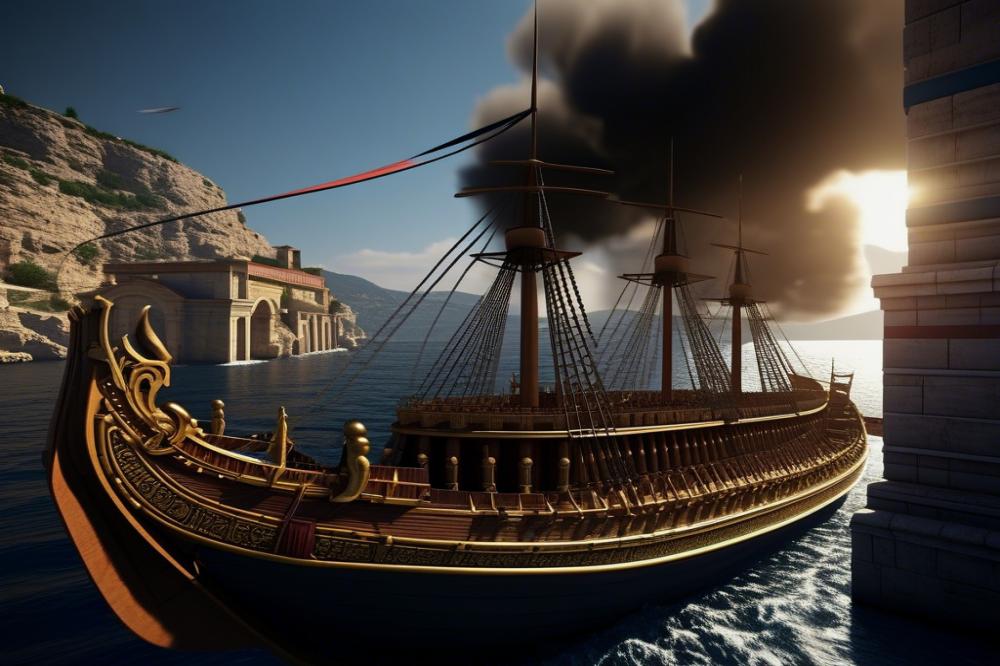
The Tiber River served as a crucial naval and commercial route for the Roman Empire. It connected the heart of Rome to the Mediterranean, facilitating trade and military communications. Ships navigating these waters played a vital role in transporting goods and troops. The river allowed for strategic movements in naval warfare, impacting many battles at sea.
Throughout ancient history, the Tiber represented more than just a waterway. The Roman naval fleet used it to maintain control over regional powers. The Roman military strategy relied heavily on leveraging this river for logistics. By securing river routes, commanders could move quickly to respond to emerging threats or to launch attacks against rival forces.
Fleet formations along the Tiber showcased evolving naval technology. The Romans developed advanced ship designs that enhanced their capabilities. With these innovations, they could outmaneuver competing navies. This river became a training ground for sailors and a launch point for larger operations in the Aegean Sea.
Interactions between Roman forces and neighboring regions often unfolded along the Tiber. Local tribes sometimes resisted Roman advances, leading to conflicts in the area. These encounters highlighted the importance of naval presence in asserting Roman influence. Strong naval power allowed for easier expansion into new territories.
As Roman ships moved up and down the Tiber, they brought a sense of order to the realm. Naval engagements were not limited to deep waters; they also occurred within the confines of the river. Various military maneuvers would dictate fleet movements, reflecting the intricacies of ancient warfare.
The Tiber River’s significance in maritime history cannot be overstated. It served not only as a physical route but also as a symbol of Roman strength and dominance. Control over this vital waterway ensured efficient supply chains and swift troop movements.
Aegean Sea: Theatre of Naval Warfare
The Aegean Sea served as a significant arena for naval operations during the Roman Empire. This region witnessed several key battles that shaped the course of maritime history. The strategic location of the Aegean allowed for control over vital trade routes. Rome’s naval prowess became more pronounced through intense engagements on its waters.
A few notable conflicts unfolded here, each with profound implications. The battles at sea not only showcased Roman might but also tested military strategy against rival forces. One of the most famous encounters was the clash between Roman and rival fleets near the islands. This confrontation revealed weaknesses and strengths in fleet formations employed by both sides.
Fleet formations varied significantly in these engagements. The Romans often used innovative tactics to outmaneuver their enemies. Longships, equipped with advanced naval technology, allowed for greater speed and agility. Coordinated attacks were common as Roman commanders adjusted their strategies mid-battle.
War on the waves was quite distinct from land combat. Battles involved not just ship-to-ship conflicts but also strategic blockades. The use of ramming tactics became a crucial aspect of Roman naval warfare. Pilots and sailors demonstrated remarkable skill while navigating the challenging waters of the Aegean.
Understanding the Aegean’s geography became essential for Roman forces. Narrow straits and numerous islands provided opportunities for ambush and surprise. Engaging in naval battles required more than brute strength; clever tactics often led to victory. This understanding allowed Rome to maintain its dominance over rival factions in the region.
Choosing when and where to confront enemies was critical. Roman commanders had to adapt their strategies based on weather and naval conditions. These factors played a vital role in the outcomes of various encounters. The Aegean Sea was not just a battleground; it was a proving ground for ancient warfare tactics.
Each engagement contributed to Roman power in the Mediterranean. Control over the Aegean facilitated the spread of Roman influence and trade throughout the seas. Its waters became a testament to the evolution of naval warfare, marking Rome’s transition from a land-based empire to a formidable naval force. With every battle fought, lessons learned shaped future military strategies and fleet composition.
Technological Advancements in Roman Naval Warfare
The Roman Empire made significant strides in naval technology during its expansion. Innovations in ship design played a crucial role in this evolution. The classic trireme, with its three rows of oars, offered both speed and agility. This vessel allowed Romans to outmaneuver enemies on the Tiber River and the Aegean Sea. The introduction of the quinquereme, an even larger ship, further shaped battles at sea. With five rows of oars, these ships boasted enhanced combat capabilities.
Weaponry also underwent transformation in this era. Romans adopted the use of the corvus, a boarding device that allowed ships to engage directly. By using this innovation, Roman sailors could battle their foes more effectively. Grappling hooks and ballistae increased the range and power of attacks. These advancements changed the nature of naval warfare and allowed Roman fleets to dominate their competitors.
Military strategy on the water shifted alongside these advancements. Fleet formations became vital during naval encounters. The Romans utilized a range of tactics, from traditional lines to more complex maneuvers, adapting according to the enemy’s strengths and weaknesses. This flexibility showcased how technological progress informed military tactics. Mastering the seas required not just ships, but also skillful leaders who understood new techniques.
Maritime history tells us that Roman naval prowess stemmed from relentless innovation. Each battle influenced subsequent designs and strategies. Lessons learned in early conflicts shaped future engagements. By responding to challenges posed by rival fleets, the Romans ensured their naval dominance. The combination of superior ships and strategic foresight made them a formidable force on the Mediterranean.
In many ways, Roman naval innovations marked a turning point in ancient warfare. The emphasis on engineering excellence and tactical creativity set standards still appreciated today. As empires rose and fell, Rome’s advancements reshaped how power was projected across the seas. Hence, the maritime legacy of the Romans continues to resonate. Their influence can be felt long after their demise.
The Role of Naval Fleets in Roman Military Strategy
The Roman Empire’s military strategy relied heavily on both land and sea forces. While soldiers marched on land, naval fleets provided essential support. The relationship between these two elements often determined the outcome of major campaigns. Fleets acted as a lifeline, ensuring the transfer of troops and supplies. Battles at sea and victories on land frequently went hand in hand.
In ancient warfare, coordination proved vital. During key campaigns, Roman forces often executed complex maneuvers that required close cooperation between ships and army units. This coordination was clear during the Punic Wars, where naval technology played a significant role. Carthage, the Roman adversary, was strong at sea. Romans had to adapt their strategies to counter this threat effectively.
Fleet formations varied based on the tactical situation. Admirals had to assess the enemy’s strengths and weaknesses. Knowledge of the Aegean Sea’s geography was critical in many naval engagements. Captains used their ships not only for combat but also for strategic positioning. This allowed them to protect coastal cities and secure trade routes.
Lessons learned from earlier conflicts shaped future strategies. Following defeats, leaders analyzed what went wrong. They improved their naval capabilities through advancements in technology. As the Romans faced different foes, adaptations became necessary. Enhanced ship designs and improved training for sailors were direct outcomes of these assessments.
The Tiber River served as a symbol of Rome’s strength. It connected the heart of the empire to the seas beyond. Control of this waterway allowed for effective movement of troops. In turn, this led to successful land campaigns that extended Roman influence. Naval warfare was not separate; it was integral to the successes on land.
As maritime history unfolded, Roman naval power evolved. The interplay between naval and ground operations ultimately served as a model for future military strategies. Such developments laid the groundwork for how empires would utilize their fleets. Various factors contributed to Rome’s dominance, but the synergy between land and sea remains a prominent aspect of their legacy.
Final Thoughts on Naval Power and Roman Dominance
Throughout ancient history, battles at sea played a crucial part in military strategy. The impact of these confrontations was not just about ships and sailors; it shaped the very landscape of power. The victories achieved by the Roman fleet established a legacy that would influence naval tactics for centuries to come. Control over key waterways like the Tiber River and Aegean Sea was vital. Those strategic locations allowed for the movement of troops, trade, and resources.
Dominating the Tiber meant Rome could secure its heart and protect its interests. This river served as a lifeline for supplies and commerce, vital for any thriving civilization. Similarly, control over the Aegean Sea provided routes to the East and opportunities for expansion. Roman naval battles marked crucial turning points, facilitating the empire’s growth and the spread of its culture.
The lessons learned from these maritime engagements remind us of the importance of naval power. While many armies relied solely on land forces, Rome understood the necessity of a formidable fleet. Strength at sea complemented its ground strategies, giving Romans an edge over rivals. The combination of naval and land forces forged a unique military strategy that few could rival.
As we reflect on the legacy of these naval contests, it becomes clear that they were about more than just warfare. They were instrumental in shaping Rome’s power and influence across the Mediterranean. In the larger context of ancient warfare, the ability to control major bodies of water could determine the rise or fall of great empires. Roman naval battles, thus, were not mere footnotes in history; they were foundational moments that showcased the empire’s unparalleled ambition.

