

Introduction
Italian wine culture is one of the richest in the world. This country is home to an impressive variety of wine regions, each offering its own distinct flavors and traditions. From the rolling hills of Tuscany to the coastal vineyards of Sicily, Italy presents a tapestry of viticulture that draws enthusiasts from around the globe. Wine is more than a beverage here; it is an integral part of the lifestyle and culinary scene.
Education in winemaking is crucial for anyone looking to explore this thriving world. Gain a solid foundation in the complexities of wine production, and you unlock the secrets behind each bottle. Training programs often cover essential topics such as enology, viticulture, and winemaking techniques. Many courses also focus on practical skills, including wine tasting and the art of blending.
Italian wines are incredibly diverse, thanks to the country’s varied climate and geography. Each region boasts unique grape varieties, reflecting local traditions and environmental conditions. For example, in Piedmont, the robust Barolo emerges, while Tuscany is famous for its smooth Chianti. Studying these differences is essential for any aspiring sommelier. Knowledge of regional specialties enhances both personal appreciation and professional expertise.
Whether you want to pursue a career in the industry or deepen your personal understanding, Italy-to-experience-authentic-italian-culture”>winemaking courses in Italy offer an incredible opportunity. These programs immerse students in the heart of winemaking, providing firsthand experience in the vineyards. With the right education, the journey from vine to glass becomes a fascinating adventure.
winemaking courses
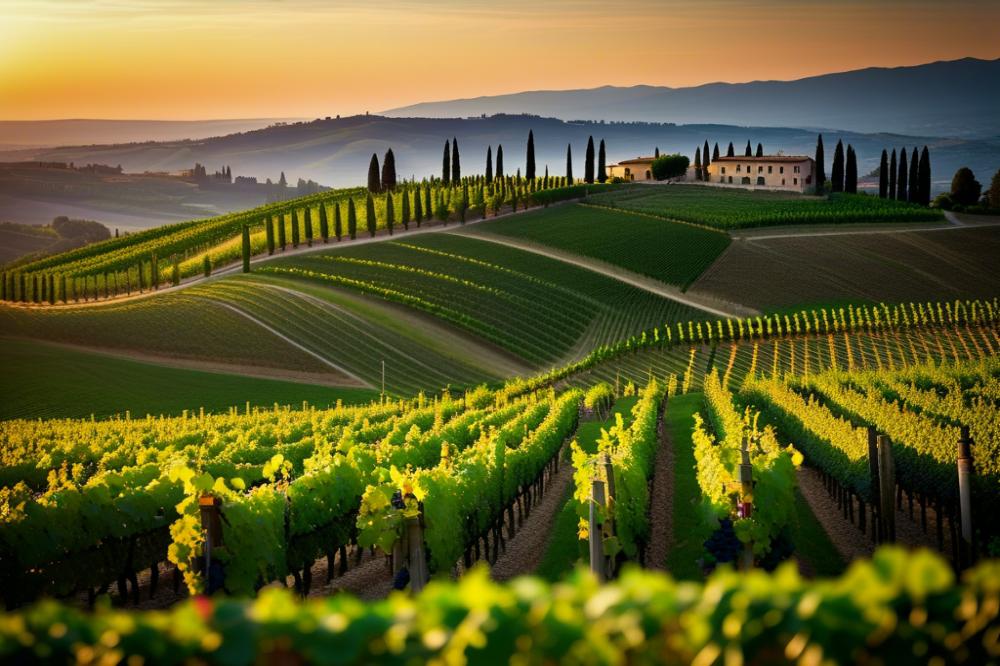
Winemaking courses play an essential role in the education of aspiring vintners. These programs delve into the intricate world of wine production. Participants learn about various winemaking techniques, the process from grape to glass, and how to effectively manage a vineyard. Knowledge gained through these courses can lead to rewarding careers in the wine industry.
Many options exist for individuals interested in this field. For instance, there are basic classes ideal for beginners. These introductory sessions cover fundamental topics related to viticulture and enology. More advanced courses focus on specific wine regions of Italy, teaching students about local grape varieties and unique methodologies. Additionally, sommelier training provides specialized knowledge about wine tasting and food pairing.
Gaining practical experience is crucial for anyone serious about winemaking. Working directly in vineyards offers invaluable insights that classroom learning cannot fully provide. Students gain hands-on experience in grape harvesting and wine production processes, developing a deeper appreciation for Italian wines. This immersion helps bridge the gap between theory and practice, solidifying their expertise.
Whether one is hoping to manage a vineyard or embrace the art of wine tasting, understanding the significance of these courses is vital. Each program offers pathways to career opportunities not just in Italy, but worldwide. With a blend of theory and fieldwork, participants are well-prepared to succeed in this dynamic industry.
Regions Known for Winemaking

Tuscany
Tuscany is one of Italy’s most renowned regions for wine. This area is famous for its rolling hills and picturesque vineyards. The Sangiovese grape thrives here, making wines like Chianti and Brunello di Montalcino. Landscapes play a crucial role in the flavors and styles of these wines. The Mediterranean climate, with hot summers and mild winters, allows grapes to ripen perfectly. Local traditions in viticulture are rich, focusing on organic practices and traditional winemaking techniques.
Piedmont
Piedmont holds a special place in wine culture. Barolo and Barbaresco are two of its standout wines, produced from the Nebbiolo grape. The region boasts a cooler climate, which gives these wines a great balance of acidity and tannins. Its hilly terrain adds complexity to the vineyards. Here, the focus is on low yields to enhance quality. Winemakers often utilize aging in wood barrels to add depth to their products. Both locals and tourists enjoy crisscrossing through the vineyards.
Veneto
Veneto is another key wine-producing area in Italy. It is best known for Prosecco and Amarone wines. These beverages reflect the diverse geography of the region, from flat plains to steep hillsides. The unique factors of this area, such as the river valleys, create the ideal conditions for viticulture. In Veneto, the climate is generally favorable, benefiting both red and white grape varieties. Workshops offering sommelier training often highlight these regional treasures to wine enthusiasts. Engaging in wine tasting here is an unforgettable experience, showcasing the best of Italian wines.
Course Highlights
Italy is renowned for its rich wine culture, and several programs stand out in the realm of wine education. Each offers a diverse range of subjects related to the art of winemaking.
One notable program is focused on innovative winemaking techniques. Students dive deep into the science of fermentation, exploring how different processes can impact flavor. They gain insight into traditional methods, along with modern advancements that shape the industry.
Viticulture is another core element of these courses. Students learn about grape cultivation in various wine regions across Italy. The course covers soil types, weather conditions, and the best practices for growing healthy vines. Understanding these factors is crucial for producing quality grapes.
Programs also emphasize the science of enology. Key topics include the chemistry of wine production and aging techniques. Knowledge of barrels, bottle conditioning, and blending helps future winemakers craft exceptional products. This foundation is essential for anyone serious about their wine career.
Hands-on learning experiences are plentiful in these programs. Participating directly in vineyard management is common for students. They often have the chance to work alongside experienced vintners. Such interactions offer vital insights into daily operations at a winery.
Additionally, practical wine tasting sessions form an integral part of the curriculum. Students refine their palates while learning to identify different aromas and flavors in Italian wines. These tastings not only sharpen sensory skills but also educate students about pairing wines with food.
Students also get involved in actual wine production. Many courses include opportunities to assist during the harvest and fermentation stages. This first-hand experience is invaluable, as it places them right in the action of winemaking.
Whether interested in becoming a sommelier or a winemaker, these courses provide comprehensive training. Exploring Italian wines brings a deeper appreciation of the country’s diverse offerings. Each program uniquely contributes to the students’ growth in the field of viticulture and enology.
In summary, Italy’s winemaking programs encompass a wide array of subjects. They highlight key areas that aspiring wine professionals must understand to succeed. Unique opportunities for practical learning in vineyards and wineries set these courses apart.
Wine Education and Tasting
Wine tasting plays a crucial role in the education of aspiring winemakers. Understanding the flavors and aromas of Italian wines is vital for anyone in the industry. Students learn to articulate what they taste and smell. This skill becomes essential when discussing wines with customers or peers. Through tasting, they develop a refined palate that helps them identify subtle differences in various selections.
Techniques for evaluating wines often focus on a systematic approach. First, look at the color. Swirling the wine in a glass helps observe its clarity and intensity. Next comes the aroma. Inhaling deeply allows the taster to pick up on fruity, floral, or earthy notes. Finally, the palate experience matters greatly. Evaluating texture, acidity, and finish can reveal much about the wine’s origin and production method.
Courses That Incorporate Sommelier Training
Several programs include sommelier training within their curriculum. Students explore how to pair food with various wines, enhancing the dining experience. Such training covers different wine regions, focusing on what makes each unique. Knowledge of viticulture and winemaking techniques enhances this understanding. By examining how climate and soil impact flavors, students gain insights into the art of wine production.
Many institutions in Italy emphasize enology along with practical tasting sessions. Engaging with local vineyards provides hands-on experiences. Students might participate in vineyard management and grape harvesting. Some courses even offer tours of renowned wine estates, creating a direct connection with the source of the wine. This immersive education helps them grasp the full cycle of winemaking.
Certification and Future Opportunities
Many aspiring winemakers and students of wine education can earn certifications that add credibility to their skills. Numerous institutions in Italy offer widely recognized programs, focusing on viticulture and enology. Certifications often encompass specific aspects, such as wine production and sommelier training. Earning a certificate can open doors to many paths in the wine industry.
After completing their training, individuals may pursue various career options. Opportunities in winemaking offer different roles, including vineyard management, production oversight, and quality control. Some may choose to become wine educators themselves, sharing knowledge about Italian wines with others. Others may venture into hospitality or wine tasting events, engaging with consumers directly.
Education from Italy holds considerable weight in the global market. Renowned wine regions like Tuscany and Piedmont are recognized for their excellence. Because of this reputation, individuals with Italian certifications often find their qualifications accepted worldwide. Graduates can enjoy a competitive advantage in an increasingly globalized wine industry.
Students immerse themselves in the study of winemaking techniques and regional varieties. Understanding how different environments influence flavors is essential. Programs often include practical experiences that enhance learning. This hands-on approach helps prepare students for real-world challenges.
Final Thoughts: Embracing the Vine to Glass Journey
Understanding Italian culture can be deeply enriched through the study of its winemaking traditions. The rich history behind each vineyard tells a story that goes beyond just the product in the glass. Engaging in education about wine opens up a world of flavors, techniques, and local customs. The passion for winemaking connects people to the land and its history. It reveals a lifestyle tied to seasons, harvests, and the art of blending old practices with modern techniques.
Readers are encouraged to take a step into the vibrant world of Italian wines through wine education. Courses provide insight not only into the technical aspects of winemaking but also into the cultural significance of each bottle. The regions of Italy, characterized by diverse climates and soil types, offer something for every palate. Touring vineyards or participating in workshops leads to better appreciation. Understanding the nuances of each sip elevates the entire experience of enjoying wine.
Knowledge about winemaking can significantly enhance one’s enjoyment of this beloved beverage. Wine appreciation goes beyond tasting; it’s about understanding the craftsmanship involved. When someone learns about the artistry and hard work that goes into each bottle, every encounter with wine becomes a richer experience. In essence, wine is not just a drink; it is a celebration of culture, history, and human connection. So, take that leap into education and discover the complexities and joys hidden in the world of Italian wines.

