
Introduction
Italy-from-summer-swimming-to-winter-skiing”>Gymnastics holds a special place in Italy‘s sports culture. The allure of this discipline lies in its combination of athletic grace and precision. Italian gymnasts have made their mark on the world stage, shining in competitions from local meets to Olympic events. The significance of this sport extends beyond mere competition; it reflects a tradition of dedication and artistry.
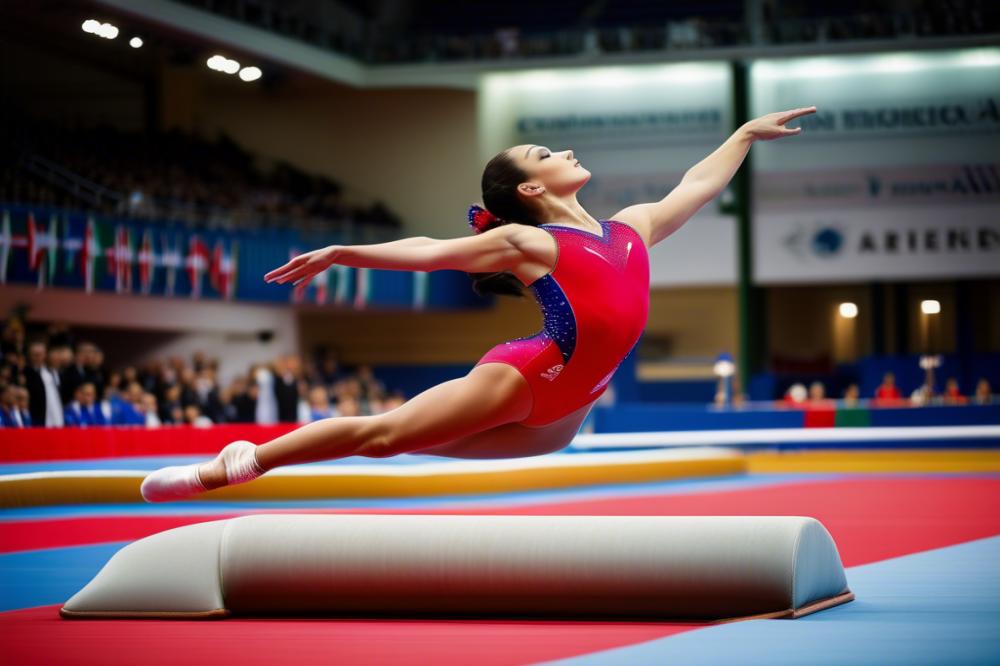
Over the years, Gymnastics has evolved into various forms, including artistic and rhythmic gymnastics. Each type showcases different skills and aesthetics. artistic gymnastics emphasizes strength and balance, featuring routines on apparatus like the vault and uneven bars. In contrast, rhythmic gymnastics highlights the beauty of movement. Here, athletes perform with ribbons, hoops, and balls, captivating audiences with their elegance.
History tells us that Italy has produced numerous talented gymnasts. They have participated in prestigious championships, representing their clubs with pride. The rigorous training regimes that these athletes endure are integral to their success. Gymnastics clubs across Italy nurture young talent, emphasizing both skill development and personal growth.
Many aspire to compete in gymnastics competitions, knowing the hard work required to excel. The journey involves demanding hours of practice, as well as a commitment to improving technique. Athletes learn to blend strength and grace, creating routines that leave a lasting impression. This blend of qualities defines what it means to excel in the sport.
As we explore gymnastics in Italy, the themes of grace and precision become clearer. They are not just ideals; they are the foundation upon which this beloved sport is built. Understanding this helps us appreciate the dedication of Italian gymnasts and their ongoing contributions to the gymnastics community.
Gymnastics History in Italy
The journey of gymnastics in Italy is a fascinating one, rooted in both ancient traditions and modern practices. Early forms of physical exercise can be traced back to ancient Rome, where physical training was valued for its role in preparing warriors and athletes. It wasn’t until the late 19th century that gymnastics began to take on a more structured form, influenced by German and Swedish methodologies.
In 1888, the Italian Gymnastics Federation was established. This organization played a crucial role in formalizing the sport across the nation. Italian gymnasts began participating in various international competitions, showcasing their skills. Athletes competed, and soon the nation became recognized for its dedication and talent in this demanding field. artistic gymnastics quickly gained popularity, captivating audiences with its blend of athletic grace and technical precision.
Rhythmic gymnastics emerged later, finding its unique place in Italian sports culture. This discipline allowed female athletes to express themselves through movement, combining elements of dance and performance. Notable figures, such as the renowned gymnast Amanda Cataudo, helped bring attention to this graceful form of gymnastics. She inspired a generation of young gymnasts with her poetic routines and dedication to the sport.
Over the years, various gymnastics clubs opened across Italy, creating a foundation for training and excellence. These clubs developed programs that focused on technique and artistry. Coaches worked diligently to mold young talent, preparing them for gymnastics competitions at local, national, and international levels. The supportive environment nurtured skills and fostered a sense of community among athletes.
Participation in Olympic gymnastics has become a goal for many. Italy has produced remarkable Olympians who have earned medals and accolades on the world stage. The achievements of athletes like Vanessa Ferrari highlight the strength of the nation’s gymnastics program. Her journey reflects years of dedicated training and a commitment to excellence.
Institutions throughout Italy continue to promote gymnastics as a vital part of sports in Italy. Schools integrate physical education programs that emphasize the importance of movement, balance, and coordination. As a result, the future of gymnastics looks bright. Young athletes are increasingly drawn to the sport, eager to follow in the footsteps of their predecessors.
As the sport evolves, it remains influenced by both tradition and innovation. Coaches and trainers seek new ways to enhance training techniques. They emphasize not only physical strength but also mental resilience. This holistic approach ensures that athletes develop both as competitors and as individuals.
Artistic and Rhythmic Gymnastics
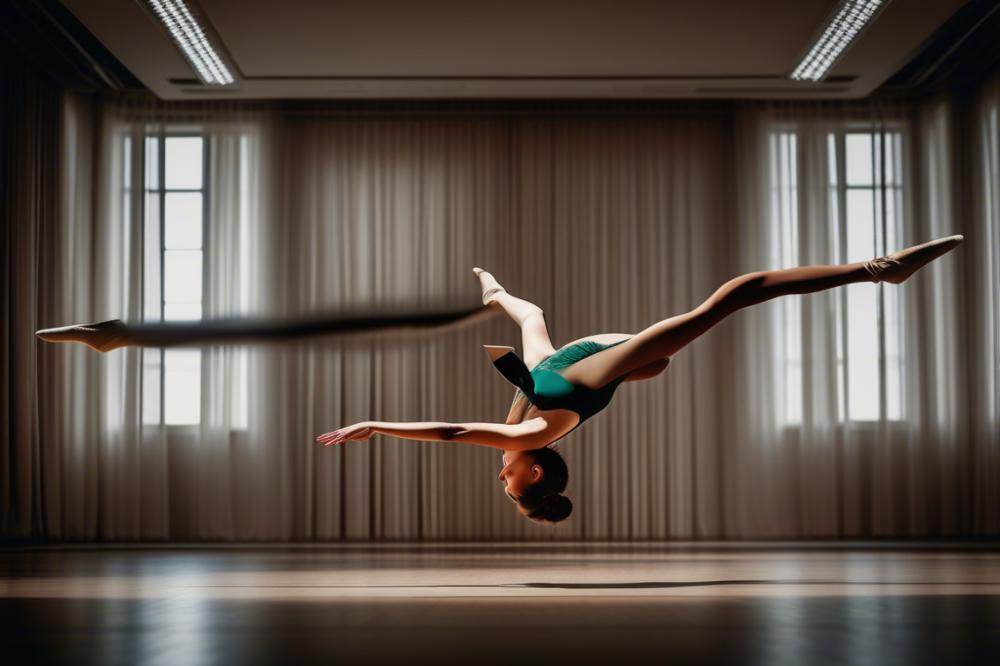
Italy boasts rich gymnastics history that showcases two primary disciplines: artistic gymnastics and rhythmic gymnastics. These forms highlight the nation’s athletic grace and precision, making Italian gymnasts prominent in international competitions.
Artistic Gymnastics
Artistic gymnastics is known for its technical prowess and challenging routines. Athletes perform on various apparatus, including the floor, pommel horse, rings, vault, parallel bars, and high bar. Each routine is choreographed to display strength, flexibility, and agility. Judges score these performances based on execution, difficulty level, and artistic expression. The routines show not only the skill of the gymnast but also the artistry involved, with movements seamlessly woven into a captivating performance.
Rhythmic Gymnastics
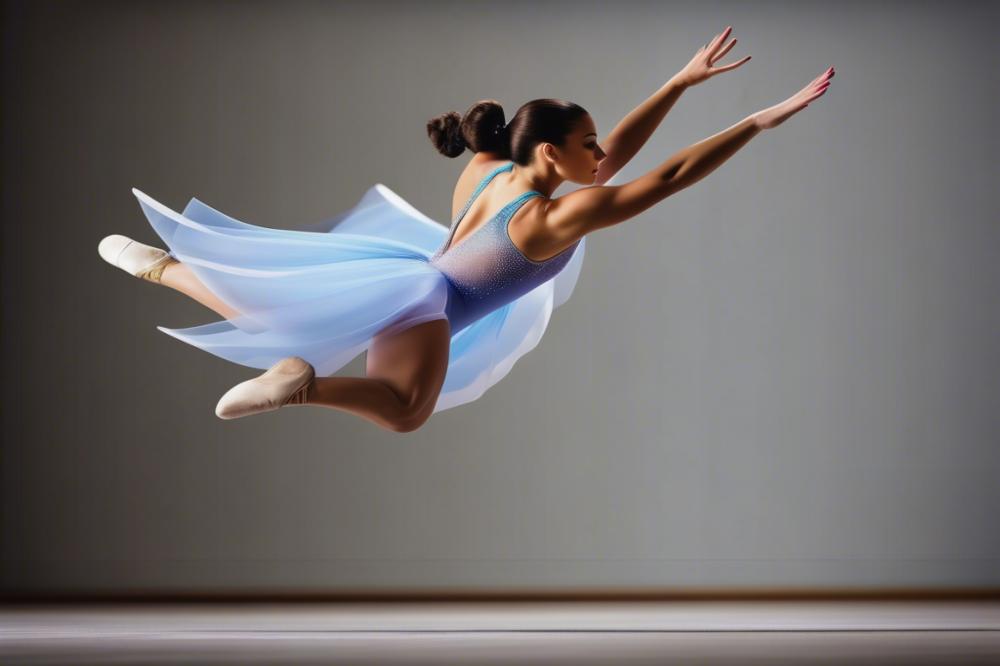
Rhythmic gymnastics stands apart with its focus on choreography and artistic elements. This discipline combines elements of dance, gymnastics, and ballet. Athletes perform routines set to music, incorporating props such as ribbons, hoops, balls, clubs, and ropes. Each performance reflects grace and coordination, emphasizing the beauty of movement. Unlike artistic gymnastics, it is performed on a mat divided into sections, highlighting the rhythm and flow of each routine.
Italian gymnasts excel in both artistic and rhythmic gymnastics. Their training often begins at a young age in local gymnastics clubs across the country. Coaches focus on developing not only technical skills but also creativity and expression. Competitions provide a platform for these athletes to showcase their talent. Italian gymnasts frequently compete at the Olympic gymnastics level, demonstrating their commitment to excellence.
Both forms contribute significantly to Italy’s reputation in the gymnastics world. Major competitions often feature Italian gymnasts, who are known for their flair and performance quality. Success in these arenas helps inspire younger generations. As they see their role models achieving great heights, many dream of following in their footsteps. Commitment to rigorous gymnastics training has placed Italy on the map as a powerhouse in both disciplines.
Prominent Italian Gymnasts
Italy has produced many exceptional athletes who have excelled in numerous competitions. Notable figures include Vanessa Ferrari and Federico Molinari. Both have made their mark in artistic gymnastics and rhythmic gymnastics. Their journeys inspire young athletes across the country.
Vanessa Ferrari stands out as a trailblazer. She earned a gold medal at the 2006 World Championships, showcasing her athletic grace and dedication. This achievement placed her amongst the elite in gymnastics history. Training sessions were intense, often lasting several hours each day. She focused on perfecting her routines, pushing her physical limits to achieve excellence.
Federico Molinari also enjoyed significant success. Competing in various international events, he showcased both strength and artistry. His performance in 2012 at the London Olympics brought him recognition. His dedication to his craft included rigorous training at prestigious gymnastics clubs in Italy. Coaches instilled a strong work ethic in him, shaping his approach to the sport.
Aside from individual glory, these athletes have influenced the next generation. Many fans of sports in Italy look up to them. They have walked the path of hard work and resilience. Young gymnasts often mention them as role models. Their stories serve as motivation for newcomers to achieve their dreams.
Training regimens for these acclaimed gymnasts varied quite a bit. Some focused heavily on flexibility and strength, while others balanced technique with artistry. This balance helped them succeed in both Olympic gymnastics and world competitions. Coaches also emphasized mental preparation, an often-overlooked aspect of performance.
The passion for gymnastics grows steadily in Italy. Numerous gymnastics competitions showcase the talent of emerging athletes. Through dedication, these junior gymnasts aspire to follow in the footsteps of stars like Ferrari and Molinari. Each performance is an opportunity to display hard work and exceptional ability.
This nurturing environment contributes profoundly to the sport’s development. Future stars feel inspired to join local gymnastics clubs. They dream of one day competing on the world stage. The legacy of these prominent figures remains strong, guiding them along the way.
Gymnastics Clubs and Training Facilities
Italy has a rich tradition of athletic grace, reflected in its many gymnastics clubs spread across the country. These institutions play a vital role in shaping the future of aspiring gymnasts. Notable clubs, such as the Club Italia in Rome and Artistica 81 in Turin, have garnered attention for their success in competitions. They provide a solid foundation for both artistic and rhythmic gymnastics, nurturing talent from a young age.
Training methodologies in Italy focus on precision and artistry. Coaches emphasize the importance of technique, combining strength and flexibility in their programs. As a result, gymnasts experience rigorous training that ranges from basic movements to complex routines. This structured approach helps to build confidence, preparing them for both national and international competitions.
The coaching staff in these clubs often includes former athletes who understand the demands of the sport. Mentorship plays a critical role in the journey of young gymnasts. Coaches not only teach skills, but also instill discipline and resilience. Many Italian gymnasts credit their achievements to the guidance they received, which often extends beyond mere training.
Facilities in Italy are designed to meet high standards. Many clubs feature specialized equipment and spaces for different types of gymnastics. Training environments are generally spacious and well-maintained to facilitate safe and effective practice. Access to modern tools like trampolines and balance beams allows athletes to refine their abilities, fostering a productive atmosphere.
In addition to club training, numerous gymnastics competitions provide opportunities for athletes to showcase their skills. These events encourage friendly rivalry while highlighting individual talents. From local meets to prestigious international championships, participating in competitions motivates gymnasts to strive for excellence. The spotlight on these occasions often leads to potential pathways toward Olympic gymnastics.
It’s clear that gymnastics clubs in Italy contribute significantly to the success of athletes. The blend of dedicated coaching, high-quality training facilities, and a rich competitive culture fosters the development of exceptional talent. Through their structured methods and strong support systems, Italian gymnasts continue to shine on the world stage, carrying forward a storied gymnastics history.
Gymnastics Competitions in Italy
Italy boasts a vibrant scene of gymnastics competitions that showcase talent from local to national levels. Events range from friendly meets in small towns to prestigious national championships. Each competition presents an opportunity for gymnasts to display their skills, passion, and dedication. These events form a critical part of athletics in Italy, inspiring young athletes to pursue their dreams.
Artists in motion, rhythmic gymnastics and artistic gymnastics shine particularly bright in these competitions. Local clubs often organize events where novice athletes can gain experience and learn the ropes. Additionally, larger competitions feature athletes with years of training. The atmosphere is electric, filled with excitement and the promise of opportunity. Each event helps nurture the growth of Italian gymnasts and strengthens their connection to the larger gymnastics community.
Competing enhances skills and builds confidence. For many gymnasts, the thrill of performing in front of judges and an audience is an unforgettable experience. Training prepares them for these moments and helps develop athletic grace. Winners at local events may qualify for regional and national championships, providing a pathway to elite competition.
Italy performs strongly on the international stage, regularly producing top-notch talent. Italian gymnasts have made their mark in Olympic gymnastics, winning medals and earning respect worldwide. The country’s rich gymnastics history plays a vital role in this success. Generations of dedicated athletes have laid a foundation for future stars, highlighting the significance of structured competitions in their development.
Participation in various levels of gymnastics competitions cultivates camaraderie among athletes. Sharing experiences with others creates friendships that often last a lifetime. Gymnastics clubs across Italy encourage teamwork and support, uniting members in the pursuit of excellence. These connections are instrumental in fostering a sense of community, essential for young athletes.
As the gymnastics scene continues to grow, competition remains at the heart of that journey. Young talents are equipped with the tools they need to excel, from refined techniques to mental strategies. Every competition is a stepping stone, leading athletes closer to their goals and perhaps even glory on international platforms. The journey is challenging, but the rewards are immense and deeply fulfilling.
The Role of Gymnastics in Italian Sports
In Italy, gymnastics holds a significant place within the broader context of sports. This discipline, with its rich history and variety, encompasses both artistic gymnastics and rhythmic gymnastics. These two branches highlight the diverse talents of athletes and showcase their skills in unique ways. Athletes exhibit athletic grace through their routines and demonstrations, captivating audiences during events.
Gymnastics promotes essential values such as discipline and teamwork, qualities that resonate deeply in the Italian sports culture. From a young age, participants engage in gymnastics training that teaches them to push their limits and strive for excellence. Not only do these lessons shape individual athletes, but they also foster camaraderie among teammates. When gymnasts compete, they often do so as part of a larger club, building a sense of community.
Italian gymnasts have made their mark on the world stage, particularly during Olympic gymnastics competitions. Their achievements represent the dedication and hard work put forth over many years. Viewing these skilled athletes perform can truly inspire the next generation. Young children in gymnastics clubs watch in awe as they see what can be achieved through perseverance and commitment.
The impact of gymnastics reaches beyond the gym. It contributes significantly to Italy’s sports identity and cultural heritage. Many Italians take pride in their country’s accomplishments in this area. Events filled with grace and precision are celebrated, showcasing the beauty of the sport. With ongoing support from various gymnastics clubs, young talents continue to emerge, enhancing the rich tradition of gymnastics in Italy.
Closing Thoughts on Gymnastics in Italy
The significance of gymnastics in Italy cannot be overstated. This sport embodies a tradition of grace and precision that resonates deeply with the country’s culture. For years, athletes have inspired audiences with their strength and artistry, showcasing what it means to pursue excellence in every move. The passion for both artistic gymnastics and rhythmic gymnastics reflects a commitment to beauty and technical skill that prevails throughout generations.
Looking ahead, the future appears promising. Italian athletes continue to rise through the ranks, catching the attention of the world. With the right support, young gymnasts can harness their potential and follow in the footsteps of their predecessors. There is an abundance of talent waiting to be discovered and nurtured. Programs dedicated to training and promoting this sport are essential to cultivate enthusiasm and achievement.
Supporting gymnastics at every level is crucial. Grassroots efforts must thrive, allowing children the opportunity to learn these valuable skills. Community programs can serve as a foundation for future stars and ensure that interest in the sport remains strong. As the country celebrates its legacy, it must also invest in pathways that lead aspiring athletes to success.
Each flip, twist, and balance demonstrates the hard work and dedication required. As Italy continues to embrace gymnastics, the hope is that these experiences inspire generations to come. The importance of recognizing and uplifting this sport is immense. By prioritizing the development of gymnastic talent, Italy can preserve its glorious tradition while promoting the joy and discipline that the sport brings to so many.

