

Introduction
Cats hold a special place in Italian culture. These creatures are cherished not only as pets but also as symbols of good fortune and elegance. Through the ages, felines have found their way into various aspects of life, including art and folklore. Many Italians regard them as graceful companions, influencing how they are perceived during festivities.
Celebrating cats in Italian festivals is a unique experience that reflects regional traditions. Events across Italy often feature these beloved animals prominently. From cat parades to pet celebrations, countless occasions showcase the charm and allure of feline friends. Various towns host animal festivals where locals and visitors alike can revel in the presence of countless cats.
feline events abound, offering entertainment and joy to cat lovers. These gatherings embrace the cultural significance of cats in Italy. Stories of feline folklore provide added intrigue, enriching the history behind these celebrations. Cat-themed events provide spaces for people to bond over their mutual affection for these pets.
Art and culture intertwine, as cats frequently appear in paintings and sculptures throughout Italian history. Such portrayals reflect their importance in everyday life. The love of cats shines through at numerous Italian celebrations for cats, where communities come together to honor their furry companions. No matter where one roams in Italy, the deep-rooted reverence for cats is never far from view.
Historical Significance of Cats in Italy

The relationship between Italians and their feline companions stretches back thousands of years. Cats were revered in ancient Rome for their hunting skills, particularly in controlling vermin. This utility transformed them into valued members of households. Romans often associated cats with luck and prosperity. A cat sighting could be seen as a good omen in some circles.
As time passed, the social perception of cats evolved in Italian folklore. Many stories portrayed them as mystical creatures. They were tied to various superstitions, often linked with the occult. In medieval times, this shift was less kind. Cats faced persecution, as they were sometimes considered witches’ familiars. Despite this dark chapter, their status began to recover during the Renaissance.
Italian culture is rich with feline symbolism in art and literature. Numerous artists have immortalized cats in their works, celebrating their grace and independence. For example, paintings from the Baroque period often depict cats lounging comfortably near their human counterparts. In literature, cats appear as characters that embody mystery and elegance, showcasing their unique role in human lives.
Regional traditions also play a part in the celebration of cats. In some areas, special animal festivals honor their contributions to homes and farms. Cat-themed events add a playful element to local festivities. Many towns organize pet celebrations that include cat parades, drawing crowds who adore their furry friends. These gatherings highlight both their historical importance and contemporary charm.
Feline folklore abounds throughout Italy. Tales tell of cats acting as protectors against malevolent spirits. This belief further solidifies their place in the hearts of many Italians. From ancient temples to today’s bustling markets, cats have found a way into the daily life of the Italian people. They embody both the spirit of independence and the warmth of companionship.
The significance of cats in Italy cannot be overstated. Their presence in art reflects a deeper connection between humans and animals. Many Italians view their relationships with cats as almost familial. The stories and folklore surrounding them paint a picture of a long-standing bond. Such connections reinforce the idea that cats are more than just pets; they are important parts of Italian heritage.
Regional Traditions Celebrating Cats

Across Italy, various regions have festivals that honor the beloved feline. In Rome, the Cat Festival is a prominent event, drawing locals and tourists alike. Here, cats receive a day filled with fun and festivities. The streets come alive with cat-themed decorations, and vendors sell items for both cats and their humans.
Sicilian towns often host delightful cat parades. These events celebrate local feline residents by showcasing their beauty and charm. Participants often dress their pets in fancy costumes, adding to the festive atmosphere. Such parades reflect the deep respect for cats ingrained within Sicilian culture.
Feline folklore plays an important role in these celebrations. Many believe that cats bring good fortune and protect homes from pests. This belief leads communities to celebrate their cats proudly, weaving the animals into their local identity.
In some cities, animal festivals also feature cat competitions. Contests focus on agility, beauty, and charming antics. These events not only promote fun but also educate communities about responsible pet ownership. Cat-themed events foster connection among pet lovers while celebrating Italian culture.
Art also plays a significant role in the celebration of cats. Local artists often showcase their works featuring cats. These pieces highlight both the playful nature of felines and their elegance. Visitors can purchase prints or sculptures that capture a slice of cat-related life in Italy.
Throughout the country, pet celebrations emphasize the bond between humans and animals. Associations often support these events, promoting awareness about animal welfare. Community members participate eagerly, fostering a sense of togetherness centered around pets.
feline events and Animal Festivals
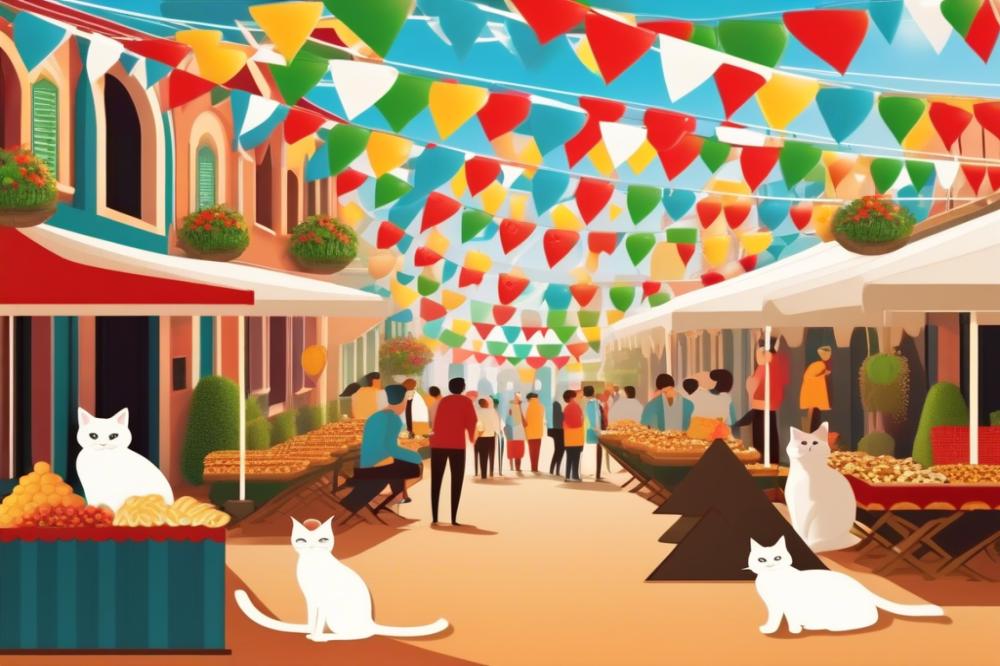
Italy is known for its vibrant festivals, many of which celebrate animals in unique ways. Feline events are an important part of this cultural tapestry. Cat-themed events abound throughout the country, highlighting the love Italians have for their furry companions.
One of the most notable animal festivals is the “Fiera del Gatto,” held in various cities like Rome and Florence. This event brings together cat lovers from all over. Visitors can enjoy activities like cat parades, grooming contests, and even educational workshops on feline care. The festival emphasizes the importance of adopting pets and caring for them well.
Regional traditions often highlight local folklore. In some areas, special races or competitions may feature cats as part of the festivities. These events showcase beloved legends and tales about the bond between humans and felines. Participants often dress their cats in costumes, adding to the festive spirit.
During the “Giornata Mondiale del Gatto” (World Cat Day), cities across Italy host celebrations. Cats are the stars, as people gather to share stories and discuss feline care. Local shelters sometimes partner for adoption drives, reminding everyone of the joy a cat can bring. Connecting with fellow cat owners helps build a sense of community.
Art also plays a significant role in celebrating cats in Italy. Various exhibitions feature cats in art, showcasing paintings and sculptures inspired by our feline friends. Artists express their admiration and love for these animals through their work, enriching Italian culture with creative depictions of cats.
Pet celebrations extend beyond festivals. Certain towns may organize pet-friendly markets where vendors sell cat-related products. These markets include everything from toys to treats, attracting both locals and tourists. The focus is on providing a memorable experience for both humans and their cats.
In conclusion, Italian festivals embrace cats in many forms. From lively parades to art exhibitions, these events foster a deeper appreciation for felines. They promote understanding and respect towards pets. Italians show their affection for cats through traditions that bridge generations.
Cats in Art and Culture

Throughout history, cats have often appeared in Italian art and literature. Famous painters, like Leonardo da Vinci and Giovanni Battista Tiepolo, have included these creatures in their works. Their presence symbolizes mystery and independence, traits that resonate with many people. In literature, cats have also made their mark. Writers, from ancient poets to modern authors, have often portrayed cats as companions or mystical beings.
Feline folklore in Italy is rich and diverse. Local legends speak of cats bringing good luck or guarding homes from evil spirits. Many regional traditions celebrate this connection. For example, in Sicily, there is a long-standing belief that a cat’s appearance can foretell future events, adding to its cultural importance.
Many contemporary events embrace these rich themes. Cat-themed events and pet celebrations have become a regular part of Italian life. Feline events often attract large crowds, celebrating these animals through parades and competitions. Cat parades, in particular, showcase both the beauty of the animals and the creativity of their owners.
The impact of art continues to influence modern-day celebrations. As people admire historical artworks featuring cats, they often find inspiration for their own festivities. This fascination reflects a broader affection for these animals in Italian culture. The deep bond between Italians and their feline friends is evident in every celebration.
Italy’s festivals embrace this long-standing connection. Animal festivals frequently include a special focus on cats, highlighting their role in society. These gatherings provide a space for communities to come together, share stories, and celebrate their furry companions in a festive atmosphere. Whether through art or story, cats remain an enduring symbol of charm and companionship.
Celebrating Felines: A Cultural Reflection
In Italian culture, felines hold a special place, celebrated during various festivals and events throughout the country. These gatherings highlight the bond between humans and their feline companions. Through playful cat parades and lively communal activities, locals come together to honor their love for these animals.
Many of these festivals showcase the charm of cats. They serve as a reminder of the importance of pets in our lives. Participants engage in a range of activities that emphasize joy and community. From competitions for the best-dressed cats to exhibitions that highlight local cat rescues, there is no shortage of ways to celebrate.
Observing these events illustrates a broader cultural appreciation for the companionship that pets offer. They reflect sentiments that resonate with many. Italy’s rich heritage intertwines with the affection shown for its furry friends. The warmth of these celebrations often brings families and neighbors closer, fostering a sense of unity.
Tourism also benefits from such vibrant feline events. Travelers seeking authentic experiences are drawn to these unique celebrations. Attending these festivals allows visitors to delve deeper into Italian culture, understanding local customs through the lens of cat fandom. As awareness of these festivities spreads, the popularity of cat-themed celebrations continues to grow.
In summary, celebrating our feline friends in Italy unites people and enriches cultural experiences. The joy and festivity surrounding these occasions highlight the significant role pets play in society. As a growing trend, cat parades and similar events have a lasting impact, reminding us all to cherish the special bond we share with our beloved animals.

