
Introduction
In Italian culture, cats hold a special place. Their presence is often associated with warmth and companionship. However, these creatures also played a vital role beyond just being pets. In the context of ancient Italy, they were essential for pest control in grain stores. Ancient grain preservation was crucial for survival. Without proper measures, rodents could wreak havoc on stored food supplies.
Grain stores were a cornerstone of agriculture during those times. Farmers relied on these facilities to keep their harvests intact. With the rise of these stores, the threat of rodents became more pronounced. These pests not only consumed grain but also spread diseases greatly affecting communities. Thus, effective pest management strategies were urgently needed.
Feline companions emerged as important figures in the fight against these troublesome animals. The historical practices of using domestic cats were not merely based on chance. Their natural hunting instincts made them exceptional in keeping rodent populations in check. By controlling these pests, they supported food preservation efforts and maintained an ecological balance in the environment.
This relationship between people and felines highlights the synergies that developed in ancient agricultural practices. Those living in ancient Italy understood the value of having these animals around. The effectiveness of a few cats roaming through grain stores can hardly be overstated. Checking pests became an important duty for these guardians, helping communities thrive.
Historical Context of Agriculture in Ancient Italy

A long time ago, ancient Italy was a center for agriculture. People cultivated crops like wheat and barley, which became the backbone of their diet. Historical practices in farming were vital for growing enough food to sustain communities. Almost everyone relied on their harvests for survival, marking agriculture as an essential part of their daily lives.
Grain stores were crucial for food preservation in this era. These structures protected harvested grains from spoilage and ensured a steady food supply throughout the year. When the harvest came, large quantities were collected and stored. This practice prevented starvation during harsh winters when fresh produce was unavailable.
However, as grain stores filled up, they naturally attracted rodents. These pests, drawn by the scent of stored grain, posed a significant threat to food security. The impact of rodents was profound, as a single pair could produce dozens of offspring in a short time. Their presence not only led to loss of precious food supplies but also disrupted the ecological balance necessary for healthy living.
Pest management became increasingly important in managing these issues. Ancient communities needed effective ways to keep their grain stores safe. Solutions varied, but one approach stood out for its practicality and long-term results. Feline companions, known for their hunting instincts, were welcomed as allies. Their presence reduced the rodent population significantly, making them essential in ancient agricultural practices.
The Role of Cats in Pest Management

In ancient Italy, rodents posed a significant threat to grain stores. Farmers relied heavily on their harvests for sustenance. The constant danger of pests gnawing at their crops meant they needed effective solutions. Understanding this necessity, many turned to their furry companions for help. Feline companions became essential in controlling local rodent populations. Their natural hunting instincts proved invaluable in protecting food supplies.
Domestic cats were not just pets; they were critical to agricultural success. Farmers would often encourage these animals to roam freely around grain storage areas. This practical approach kept the rodent problem in check. As a result, crops could be stored longer, enhancing food preservation efforts. The presence of these creatures contributed to an ecological balance that allowed agriculture to flourish.
Historical practices highlight how vital these animals were in farm life. Evidence suggests that people recognized the benefits of having feline companions early on. Instead of relying solely on traps or poisons, growers preferred a more harmonious solution. By welcoming cats into their homes and farms, they cultivated a partnership that worked well for both species. In this environment, cats thrived, and farmers enjoyed the peace of mind that came from pest management.
Farming communities learned to appreciate the role of natural predators. Understanding the importance of biodiversity helped them maintain productivity. Rodent control through the presence of these animals became a common practice across regions. This synergy between agriculture and wildlife was not merely practical but essential for survival. Without these small but fierce animals, the struggle against pests would have been much harder.
Ecological Balance and Its Importance
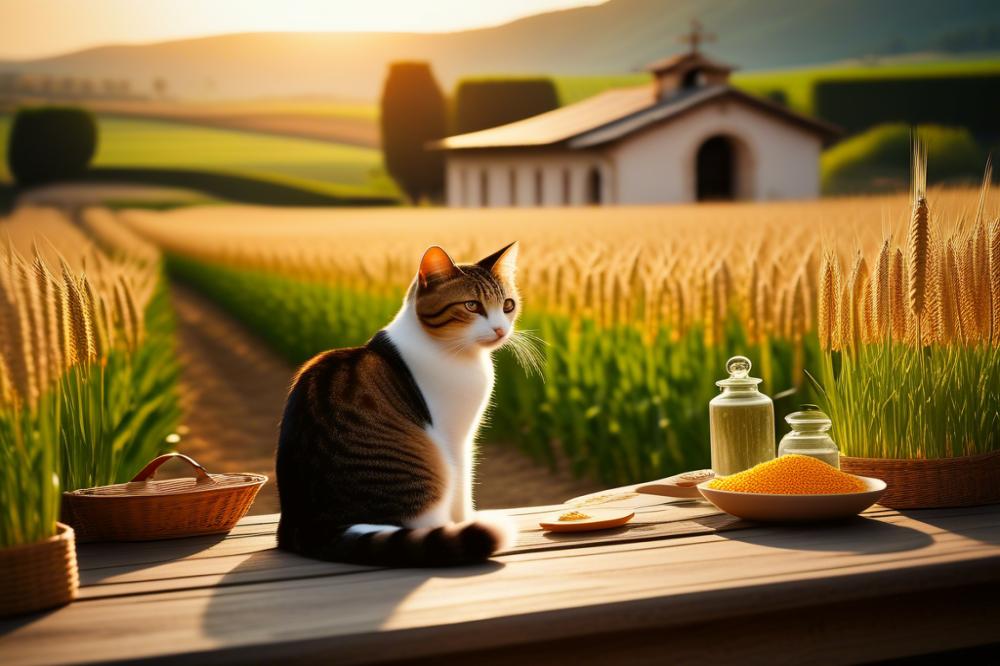
Understanding the ecological balance surrounding rodents is crucial for effective pest management. Rodents could thrive quickly if left unchecked. They reproduce rapidly and can cause extensive damage in grain stores. In ancient Italy, the presence of these pests posed a real threat to food preservation. Without control, entire harvests could be lost.
The role of feline companions was vital in maintaining this balance. These domestic cats were not just pets; they became protectors of precious grains. Their natural hunting instincts helped keep rodent populations in check. By preying on these pests, felines reduced the need for more harmful methods of pest control. This contributed to a more sustainable approach to agriculture in the past.
Historical practices demonstrate that an effective strategy was often collaborative. Farmers relied on the hunting skills of their furry allies. This partnership allowed for better management of resources and improved crop yields. Higher productivity meant more food for families, which greatly impacted community wellness. Thus, the presence of these animals in grain stores was more than a simple companionship; it was a matter of survival.
Consequently, the relationship between humans and their furry friends shaped the ecological landscape of the time. The balance ensured that rodent populations didn’t explode uncontrollably. Increased efficiency in food storage became essential for communities striving to thrive. Ultimately, this synergy between human and animal helped foster an environment conducive to thriving agriculture.
Cultural Significance of Cats in Italian Society

Throughout history, the relationship between humans and feline companions has been deeply woven into the fabric of Italian culture. Symbolism of these agile creatures often goes beyond mere companionship. In ancient Italy, they represented a form of balance. Their presence in grain stores was essential for pest management, acting as guardians against rodents that threatened food preservation.
Folklore plays a crucial role in shaping perceptions. Stories abound about animals and their mystical powers. Many tales depict cats as protectors of agriculture, warding off pests and ensuring a bountiful harvest. Over the years, local legends have sung their praises, highlighting their unique role in maintaining ecological balance within rural communities.
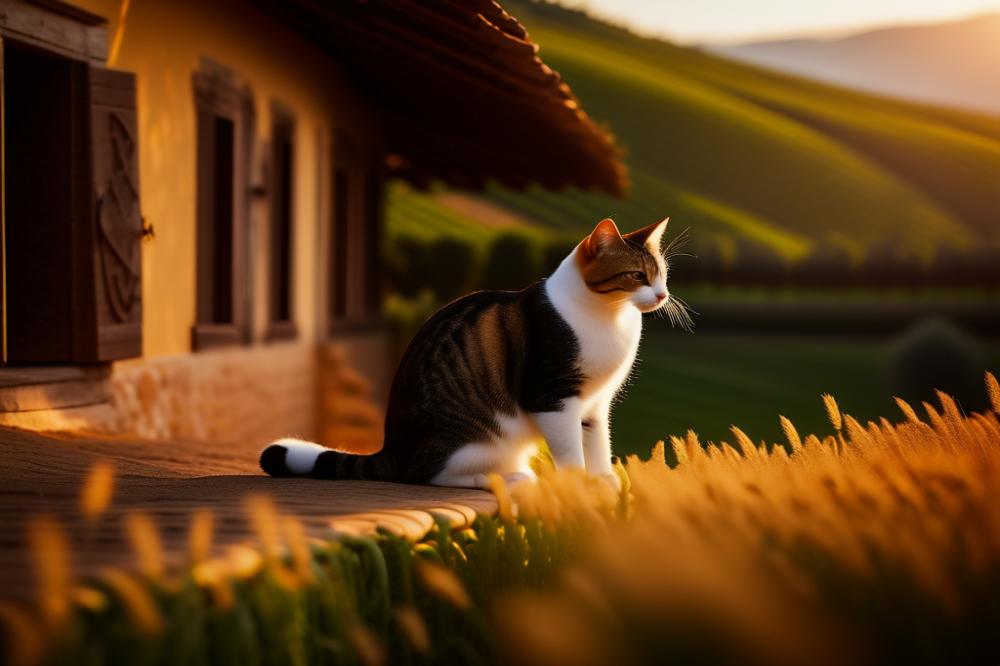
In the everyday lives of farmers, these creatures were more than pets. They held a revered status, often seen wandering through fields or lounging in sunlit corners of grain storage areas. Their natural hunting abilities made them indispensable allies in the fight against vermin. Ancient practices recognized the value of having such help to guard precious supplies and crops.
The affection for these animals extended beyond practicality. Communities celebrated their role in folklore, often integrating them into festivals and traditions. As protectors, they became symbols of home and stability. It’s fascinating how their contributions to agriculture forged an emotional bond that still resonates today.
Modern Implications and Lessons Learned
The comparisons between ancient practices in Italy and today’s pest management strategies reveal much about effective methods. Long ago, grain stores relied on natural hunters to control rodent populations. This historical practice highlights an important lesson: nature often provides practical solutions for issues we face. Using natural predators can be more effective than solely depending on chemical solutions.
In contemporary agriculture, the relevance of these small hunters remains clear. Farmers today sometimes adopt the same strategy as their ancestors by welcoming domestic cats onto their farms. These feline companions are not just pets; they are valuable allies in the battle against rodents. Their presence in fields and barns can lead to significant reductions in pest-related damage, thereby preserving food supplies and lowering costs.
Embracing these humane approaches encourages a more balanced ecosystem. By allowing natural populations to thrive, we contribute to ecological sustainability. This method supports biodiversity and reduces reliance on possibly harmful pesticides. It shows us that working with nature can be both economical and effective.
Lessons learned from ancient Italy’s grain stores resonate today, reminding us of the importance of preserving our environment. The integration of natural methods into modern practices highlights a shift towards more sustainable agriculture. As we reconsider past strategies, it becomes clear that fostering habits like these can benefit both farming and the planet.
Final Thoughts on Feline Helpers
Throughout history, animals have played essential roles in human agriculture. In ancient Italy, one such companion proved invaluable to grain stores. The presence of these small hunters helped manage rodent populations that threatened precious food supplies. Farmers quickly realized the benefits of having these creatures around. Their instincts for hunting provided a natural solution to a common problem.
The relationship between humans and these agile animals is a testament to collaboration. Trust grew over time, as people recognized that their everyday lives were improved. While farmers focused on planting and harvesting, their furry allies safeguarded against unseen pests. This bond introduced deeper connections to agriculture and highlighted the significance of nature in farming practices.
This unique partnership has left an enduring mark on Italian culture. Stories and folklore about these companions enrich the country’s history. Their importance remains alive in modern settings, where they continue to symbolize protection and companionship. The legacy of these diligent creatures can be seen in art, literature, and even in households today.
Reflecting on the past, it becomes clear that collaboration with animals shaped agricultural practices. The role of these agile hunters helped secure food for generations and built a foundation for future farming techniques. Ultimately, they have become more than mere helpers; they are cherished members of the family that continue to thrive alongside humanity.

