
Introduction
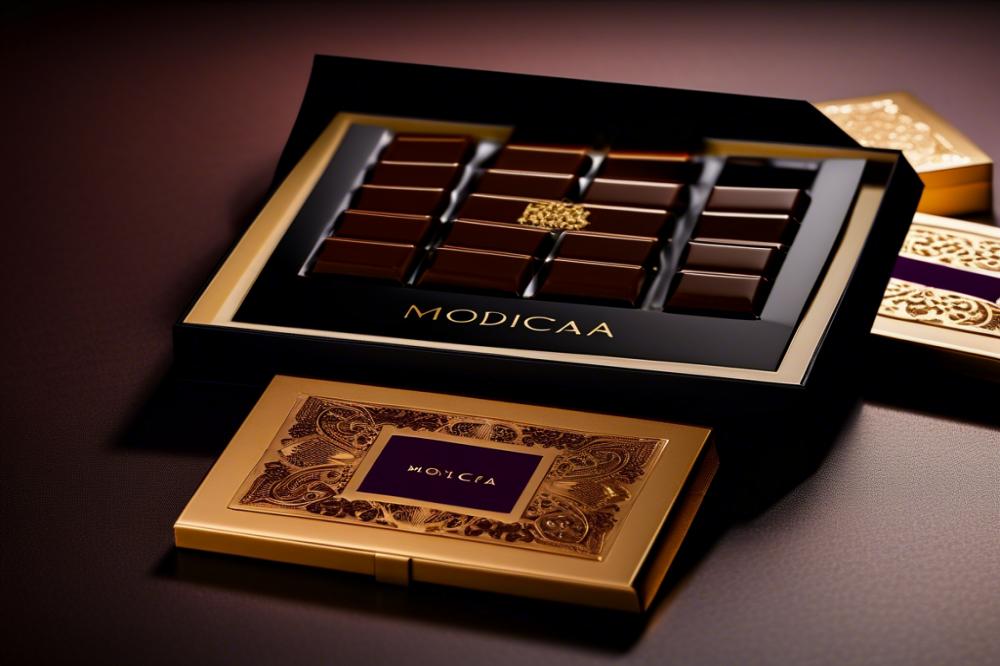
Chocolate-kiss”>Italy is world-renowned for its rich culinary heritage. Sweet delicacies are a significant part of this culture. With a long history of crafting exquisite treats, the country has mastered the art of Chocolate. Each region has its specialty, showcasing local traditions and flavors. It is in the southeastern part of Sicily that one finds a hidden gem of chocolate production: Modica.
Italy-s-most-beloved-dessert”>Modica chocolate stands out due to its unique production methods. This chocolate does not undergo the typical tempering process. Instead, it retains a gritty texture that comes from a careful blending of cacao. This approach is linked to the ancient recipe, which has been passed down through generations. It reflects a deep connection to the past, as well as a dedication to artisanal production.
Traditional methods play a crucial role in maintaining the quality of Modica chocolate. Artisans work tirelessly to craft this sweet delight, using recipes that date back to the Aztec influence in the 16th century. This history adds a layer of richness to each bite. Many people seek out Modica chocolate for its gourmet appeal and distinct flavor profile. The combination of cultural significance and high-quality ingredients makes it a product worth celebrating.
The History of Modica Chocolate
Chocolate has an ancient and rich past, especially in Modica, Italy. This town’s connection to cacao begins with the Aztecs, who were among the first to cultivate the cacao bean. They used it to create drinks that held cultural significance. The beans became highly valued, and their popularity spread far beyond Mexico.
When Spanish explorers arrived in the New World, they discovered cacao and brought it back to Europe. This marked a turning point for chocolate as it made its way to Italy. The Spanish influence was significant; they modified and adapted cacao into sweet delicacies that would eventually give rise to new recipes. In Modica, the chocolate began to take on a character of its own.
Artisanal traditions flourished in the town, leading to the development of a specific recipe that has survived through the generations. Local chocolate makers adopted techniques that were simpler than those found in other regions. They used a method known as ‘cold process’ which involved minimal heating. This process allowed the chocolate to retain its natural qualities, creating a gritty texture and a more intense flavor profile. The absence of tempering is what sets this chocolate apart.
Today, Modica is celebrated for keeping this culinary heritage alive. Craftsmanship and attention to detail are evident in every batch. Even modern chocolate makers honor the traditional methods passed down from their ancestors. This dedication contributes to the enduring popularity of their products, making Modica a must-visit destination for chocolate lovers.
The Traditional Methods of Making Modica Chocolate
In the small Sicilian town of Modica, chocolate making is more than just a craft; it is an ancient tradition that connects the present to a rich history. The ingredient selection starts with the purity of cacao. Artisanal producers choose high-quality beans, known for their deep flavors and aromatic qualities. This careful selection sets the stage for the traditional methods that follow.
The process itself is a fascinating journey through time. After the cacao beans are roasted, they are ground using stone tools. This grinding method preserves the natural oils and flavors found in the beans. Once ground, sugar is added, but not too much. The mixture is carefully stirred until it reaches the desired consistency. Unlike modern chocolate, there is no heating or processing with intense machinery involved.
Mixing is a crucial step, done slowly and methodically. The goal is to blend the sugar evenly without melting the cacao. Then comes the tempering phase, which ensures that the chocolate will have a firm yet pleasing texture. artisans take great care during this stage. The result is a chocolate that retains its original artisanal flavor profile, a stark contrast to mass-produced varieties often found elsewhere.
One of the most distinctive features of this chocolate is its coarse texture. This is not slick or overly smooth like many chocolates people are used to. Each bite is a burst of flavor, highlighting the natural notes of cacao. Sweet delicacies crafted in Modica elevate the chocolate experience. Flavor retention is a celebrated characteristic, showcasing the beans’ unique characteristics without interference from modern methods. Modica chocolate embodies the essence of Italian culinary heritage, making it a true gourmet delight.
Modica Chocolate in Modern Gourmet Culture
Artisanal producers and contemporary interpretations
The art of making chocolate in Modica has roots that stretch deep into history. Artisanal producers today uphold this heritage, blending age-old recipes with fresh ideas. They rely on traditional methods that maintain the integrity of cacao, emphasizing texture and flavor. These small producers pride themselves on sourcing high-quality ingredients, often opting for organic or fair-trade cacao. Brand new creations emerge, captivating a modern audience that seeks authenticity in every bite. Innovative flavors such as sea salt or citrus infusions accompany classic varieties, drawing in those eager for a taste of the unexpected.
Pairing Modica chocolate with other culinary delights
Pairing brings a whole new dimension to sweet delicacies. The rich, grainy texture of Modica chocolate complements various foods beautifully. For example, a simple combination with aged cheeses creates a delightful contrast. Additionally, it can enhance pastries, adding an element of surprise. Craft cocktails also enjoy a boost when paired with this artisanal chocolate. Coffee lovers find themselves drawn to flavored chocolates, creating enjoyable experiences. Using it in savory dishes is also gaining traction among chefs. Traditional tastes and modern cuisine collide, showcasing the versatility of this confection.
Recognition and awards in the world of gourmet confectionery
The chocolate from Modica has begun to earn accolades on an international scale. Gourmet competitions highlight the uniqueness of this product. Judges appreciate the dedication to craftsmanship and historical integrity found in each bar. Awards acknowledge the meticulous processes that transform simple cacao into extraordinary gourmet treats. This recognition not only shines a light on Modica but emphasizes Italy’s role in the global chocolate scene. As chefs and confectioners continue to explore its potential, many anticipate even more exciting developments in the future.
The Cultural Significance of Modica Chocolate
Role in Sicilian Culinary Heritage
The history of Modica chocolate is deeply entwined with Sicilian culinary heritage. This artisanal treat has roots dating back to the Spanish rule in the 16th century, when the art of chocolate-making was introduced. Traditional methods still used today involve grinding cacao beans at low temperatures. This process retains the natural flavors and textures, making it distinct from other chocolates found in Italy. Sweet delicacies crafted in Modica carry stories of the past. Each bite connects locals and visitors alike to centuries of tradition, reinforcing the town’s identity.
Festivals and Events Celebrating Modica Chocolate
Every year, the town hosts a chocolate festival that attracts thousands. This event honors both the craft and flavors of Modica. Attendees can see live demonstrations of chocolate-making, showcasing those ancient techniques. Workshops offer a chance for visitors to taste different varieties and learn about cacao sourcing. Such celebrations do not merely focus on the sweet treat itself. They serve as a gathering point for people who appreciate art, culture, and history. Both locals and tourists share their passion for this exquisite dessert, creating a warm community atmosphere.
Impact on the Local Economy and Tourism
The presence of this famed chocolate significantly boosts the local economy. Small businesses thrive as tourists flock to experience authentic Sicilian flavors. Chocolate shops often become must-visit spots, acting as popular attractions. The economic impact ripples throughout the community, supporting restaurants and hotels that cater to these visitors. Local artisans gain recognition, enhancing Modica’s reputation as a chocolate hub. For many, visiting Modica means indulging in gourmet delights. This culinary gem helps sustain traditional methods while promoting tourism in the region.
Wrapping Up the Rich History of Modica Chocolate
Modica chocolate is more than just a treat; it holds a significant place in Italy’s cultural tapestry. This beloved delicacy reflects the fusion of ancient traditions and modern tastes, making it a true testament to the region’s history. The unique methods of preparation, brought by the Spanish in the 16th century, have turned this chocolate into a living piece of history.
Cultural importance is clear within Modica. Each bite tells a story of craftsmanship and passion. Generations of chocolate makers have preserved their techniques, passing them down through the ages. This dedication keeps the art alive and allows people to connect with the past. Visitors often marvel at how such rich flavors can stem from such simple ingredients.
The legacy of traditional Italian chocolate extends far beyond its rich taste. It serves as a symbol of community and local pride. Festivals celebrating this craft often highlight the bond between artisans and their heritage. Such events encourage locals and tourists alike to discover the charm of Modica.
Travelers should make it a point to explore Modica chocolate when visiting Italy. It offers a taste experience that is truly one-of-a-kind. Savoring these treats can deepen your appreciation for Italian culture. Each square of chocolate is an invitation to enjoy a rich history while indulging in a sweet delicacy that has stood the test of time.

