

Italy’s Climate Influences on Flora and Fauna
Italy is a country known for its rich tapestry of climates, ranging from the balmy Mediterranean to cooler alpine regions. This variety plays a crucial role in shaping both its vegetation and wildlife. Each climate zone offers a different set of conditions, leading to a remarkable range of biodiversity. When you think of the term biodiversity, consider how it encompasses the multitude of plant and animal species found across different ecosystems.
The Mediterranean climate, characterized by hot, dry summers and mild, wet winters, supports a diverse array of plant species. Here, you can find aromatic herbs and hardy shrubs thriving in the sunny landscapes. These plants provide vital habitats for various animal species, which, in turn, rely on these ecosystems for their survival. The balance within these systems is fragile; any environmental impact can lead to changes affecting both flora and fauna.
Italy’s diverse climate zones create a mosaic of ecosystems. From the coastal regions to the mountainous areas, each zone presents unique challenges and opportunities for the species that inhabit them. For example, the Apennine Mountains host a number of endemic plants that cannot be found anywhere else. Similarly, the wetlands of the Po Valley support numerous bird species, making it a crucial area for conservation efforts.
Conservation is increasingly becoming essential in preserving Italy’s natural heritage. As human activity continues to alter landscapes and climate patterns, the plight of many species becomes more dire. Protecting these ecosystems is vital for maintaining the health of both the environment and the variety of life it supports. Understanding how Italy’s climate influences its flora and fauna is not only fascinating; it is also necessary for ensuring a sustainable future.
Italy climate and Its Climate Zones

Italy boasts a varied climate that shapes its diverse flora and fauna. Different regions experience distinct weather patterns due to geographical features. Coastal areas enjoy a moderate Mediterranean climate with warm, dry summers and mild, wet winters. This weather supports rich ecosystems that are home to various plant and animal species.
The Mediterranean zone is known for its unique vegetation. Olive groves and vineyards thrive in this environment, creating a landscape that attracts many wildlife species. In contrast, the Alpine regions feature cooler temperatures and harsher weather. Here, dense forests of conifers dominate the landscape, providing habitats for bears and deer.
Continental areas in Italy experience more extreme weather. Hot summers and cold winters create a different set of challenges for wildlife and vegetation. Many plant species in these regions have adapted to withstand these fluctuations. Such adaptations highlight the importance of climate in shaping biological diversity.
Environmental impact, driven by these climate zones, plays a significant role in conservation efforts. Protecting habitats is crucial for preserving Italy’s rich biodiversity. Every region, from the coastal areas to the alps, supports a unique array of life. Understanding the interactions between climate and ecosystems helps inform these conservation strategies.
Italy’s geographical features, such as mountains and coastlines, influence local climates in profound ways. Valleys can experience different conditions than nearby highlands. This variety leads to an astonishing range of habitats. Animals and plants evolve based on these localized climates, further enriching Italy’s ecological tapestry.
Flora of Italy: Vegetation and Plant Species

Italy is home to a rich diversity of vegetation types. The unique climate of the country creates various ecosystems that support numerous plant species. From the warm Mediterranean coast to the chilly Alps, the flora shows remarkable variety.
Mediterranean Shrubs and Coastal Flora
Along the coastline, Mediterranean vegetation thrives. This region is characterized by evergreen shrubs and aromatic plants. Species like rosemary, sage, and thyme flourish in the dry summers. These plants are adapted to survive in arid conditions, requiring little water.
Apart from shrubs, other plant species, such as olive trees and grapevines, are also prevalent. Olive groves stretch across the landscape, providing not only oil but also a vital habitat for various animal species. Vineyards contribute to the cultural heritage and economy of Italy, highlighting the connection between flora and human life.
Forests of Central and Northern Italy
Moving inland, the forests provide a different picture. Deciduous trees dominate, with oak, chestnut, and beech populating the landscape. These forests offer a sanctuary for a wide range of wildlife. Diverse animal species find food and shelter in the rich undergrowth and high canopies.
This environment varies significantly across the country. In the north, the climate is wetter, fostering lush, dense forests. Meanwhile, central Italy features more open woodlands where sunlight filters through the branches. Each area showcases the importance of biodiversity in maintaining healthy ecosystems.
Alpine Flora in the Mountains
The Alps present a stark contrast to Italy’s other climates. Here, alpine flora thrives in the cooler temperatures. Flowering plants such as edelweiss and alpine asters are well-known for their beauty and resilience. These species must withstand harsh winds and snowfall, which makes them truly remarkable.
In addition to the flowers, the mountainous regions support various grasses and mosses. Such plant life plays a crucial role in preventing soil erosion and maintaining stability in these rugged terrains. The environmental impact of alpine flora extends beyond just plants; it’s a vital part of the habitat for many mountain-dwelling species.
The Role of Conservation
Preserving these diverse ecosystems is important for future generations. Conservation efforts help protect key plant species and their habitats. Initiatives focus on restoring natural habitats and promoting sustainable practices. By doing so, Italy can maintain its rich biodiversity for both wildlife and human enjoyment.
Fauna of Italy: Wildlife and Animal Species
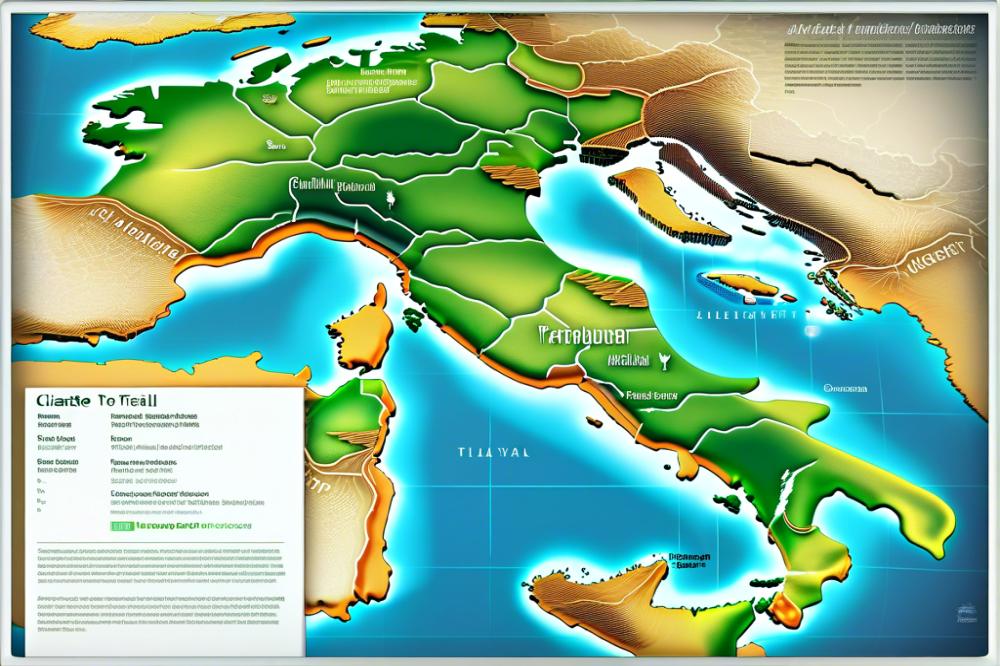
Italy’s diverse climate greatly influences its wildlife. Numerous climates exist throughout the country. These climate zones create a variety of ecosystems. Each ecosystem supports different animal species. From the coastal areas to the mountains, the range is impressive. Here, wildlife thrives in various habitats that shape their behavior and lifestyle.
The Mediterranean region is particularly rich in biodiversity. It hosts many endemic species of both flora and fauna. For example, the Italian wall lizard is common on sunny rocks. This reptile is well-adapted to the warm climate. Birds also find refuge in this ecosystem. The colorful Italian sparrow nests in urban areas, while the majestic golden eagle soars in the mountains.
Mammals add to the variety of wildlife. In the Apennine Mountains, the Apennine wolf roams. Its presence signals the health of this habitat. Climate impacts its hunting grounds and prey. While in the forests, you can find the elusive Marsican brown bear. Its survival is threatened due to habitat loss and human encroachment. Conservation efforts are critical for these unique creatures.
Italy’s coastal wetlands harbor rich marine life. These areas provide a nursery for fish and a feeding ground for birds. Flamingos can often be seen wading in shallow waters. Their striking pink feathers contrast beautifully against the blue skies. Various fish species like mullet and sea bass thrive in these waters. The environmental impact of pollution poses major challenges to these habitats.
Reptiles are not limited to lizards. The Italian tortoise is one of several species found in the Mediterranean shrublands. This tortoise prefers warmer temperatures and specific vegetation types. In the grassy plains, other reptiles like the corn snake find their homes. Their adaptations allow them to survive in the changing Italian climate.
Habitat loss is a pressing issue for many wildlife species. Urban development and agriculture diminish natural spaces. This reduces the available homes for countless animals. The preservation of flora and fauna is essential for maintaining ecological balance. Efforts to conserve plant species contribute positively to restoring natural ecosystems.
Overall, Italy’s wildlife reflects the intricate relationship between climate and habitat. Each animal plays a role in its ecosystem. Their behaviors, migratory patterns, and breeding seasons are often tied to seasonal changes. Understanding these factors can help in forming better conservation strategies.
Biodiversity and Ecosystems in Italy
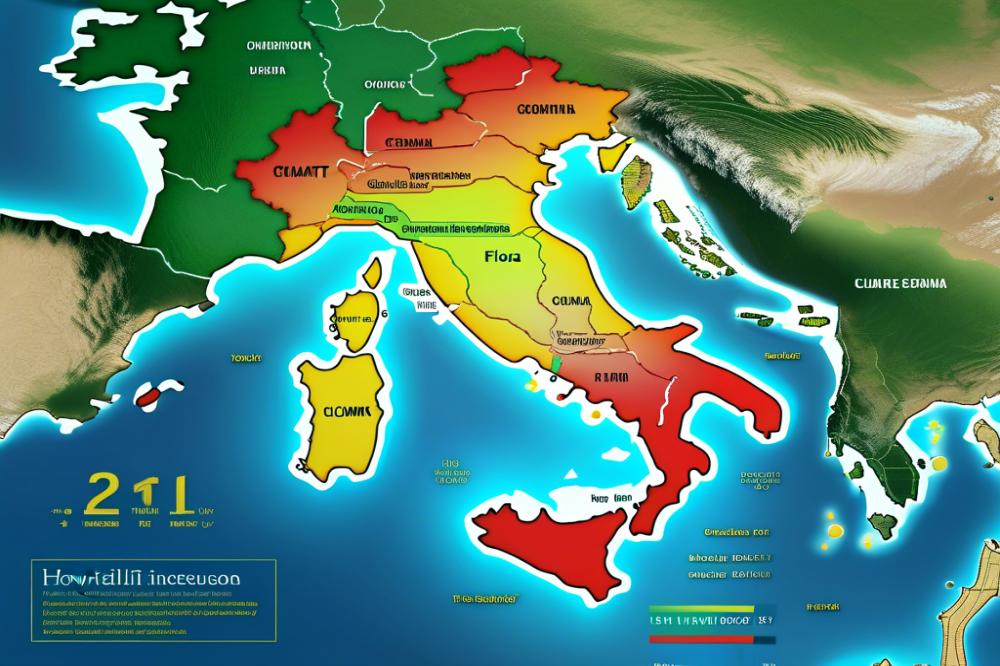
Italy’s climate plays a crucial role in shaping its rich biodiversity. The varied climate zones across the country create many different habitats. These zones include alpine regions, coastal areas, and the iconic Mediterranean. Together, they support a wide array of flora and fauna. The result is a remarkable web of life.
In lush forests of the north, a variety of plant species thrives. You can find towering trees, colorful flowers, and diverse shrubs. Each of these plays a part in the ecosystem, contributing to its stability and health. Wildlife flourishes in these areas as well. Various animal species, from deer to rare birds, call these forests home.
Moving south, the Mediterranean climate introduces a different set of challenges and benefits. Here, drought-resistant plants prevail. Olive trees and scrubland vegetation are commonly found. These adaptations illustrate how climate influences plant life. As flora changes, so too do the creatures that depend on them. Insects, birds, and other animals adapt in fascinating ways to their environment.
The relationship between climate and biodiversity extends to the coastal ecosystems too. Sandy beaches and rocky shores each provide different habitats. They host unique marine life, influenced by both temperature and salinity. Many fish species migrate along these coastlines, connecting various ecosystems. The environmental impact of climate change threatens these delicate interactions. Rising sea levels and warming waters disrupt these habitats.
Interestingly, the variation in climate also leads to distinct ecological interactions. Species must compete for resources, and some become more specialized. This specialization can lead to increased biodiversity in certain areas. However, it also means that changes in the climate can have significant effects on these species. Any shift may disrupt the balance that has taken years to establish.
Conservation efforts are vital to protect Italy’s diverse ecosystems. Organizations work tirelessly to preserve unique plant and animal species. They aim to mitigate the environmental impact of human activities. Protecting habitats helps to maintain the rich biodiversity that characterizes the landscape. Such efforts ensure that future generations can experience the beauty of Italy’s natural heritage.
Environmental Impact and Conservation Efforts
Italy’s ecosystems are under threat due to climate change. Rising temperatures and shifting weather patterns are causing significant challenges. Changes in climate zones affect both plant and animal species across the country.
One major concern is the impact on biodiversity. The Mediterranean region hosts a wealth of unique wildlife. Many of these species are adapted to specific environmental conditions. As these conditions change, survival becomes more difficult. Animal species, such as certain fish and birds, are facing declining populations. Vegetation patterns are also disrupted, leading to changes in habitats.
Efforts to combat these issues are underway. Various organizations are working tirelessly on conservation initiatives. Protected areas, such as national parks, play a crucial role in safeguarding ecosystems. These spaces help to preserve rare plant species and provide safe environments for wildlife.
Moreover, local communities are encouraged to engage in sustainable practices. Awareness campaigns educate people about the significance of maintaining biodiversity. Some programs focus on reducing pollution and promoting eco-friendly agriculture. These actions can support healthier ecosystems and mitigate the environmental impact of climate change.
Partnerships with international organizations also enhance conservation efforts. Collaboration across borders addresses issues that do not respect national boundaries. Innovations in technology are being utilized to monitor wildlife populations and map vegetation changes. Such tools are essential for understanding how ecosystems adapt to shifting climates.
Despite challenges, hope remains. Communities are increasingly recognizing the importance of preserving their natural heritage. With ongoing commitment to conservation, there is potential to protect Italy’s rich biodiversity for future generations.
Final Thoughts on Italy’s Climate and Its natural world
Italy’s climate plays a crucial role in shaping its diverse flora and fauna. From the snowy peaks of the Alps to the sunny coasts of the Mediterranean, this country showcases an impressive array of ecosystems. Varied weather patterns support a rich biodiversity that thrives in different environments. Plants and animals have adapted to the unique conditions of each region, creating landscapes filled with life.
However, climate change poses significant risks to Italy’s natural heritage. Rising temperatures, shifting rainfall patterns, and increased frequency of extreme weather events challenge the resilience of these ecosystems. Wildlife faces pressure as habitats are altered and species struggle to adapt. The intricate balance that has existed for centuries hangs in the balance.
Pursuing conservation efforts is vital for preserving Italy’s natural treasures. We must recognize the importance of protecting these habitats for future generations. It’s not just about saving the stunning scenery; it’s also about maintaining the rich tapestry of life that those landscapes support. An appreciation for the interconnectedness of life on this planet can drive meaningful action.
Restoration projects, protected areas, and community involvement are essential strategies to combat these challenges. Active participation from local communities can make a significant impact. People can contribute to preserving the environment and ensuring that Italy’s unique ecosystems endure. Ultimately, safeguarding this natural legacy is crucial not just for Italy, but for the health of our planet as a whole.

