

Introduction
The flaky pastry known as Sfogliatelle has become a beloved symbol of Neapolitan cuisine. This Italian dessert reflects not just local flavors, but also a rich pastry history that showcases the artistry and passion of Neapolitan bakers. With its crisp outer layers and sweet filling, often made from ricotta, this treat captures the essence of traditional pastries in the region.
Culinary heritage plays a significant role in Italy, where food often transcends mere sustenance. Pastries are more than sweet bites; they are stories, memories, and a celebration of local delicacies. Naples’ pastry scene is vibrant and diverse, making each bite an exploration of regional specialties.
Though Sfogliatelle is the star, it stands alongside other famous Italian confectionery such as tiramisu and cannoli. Each dessert has its own unique tale. In a country rich with flavors and textures, these treats help define the Italian experience. The love for pastries is evident in every corner of Italy, inviting everyone to savor their rich history.
The Origins of Sfogliatelle
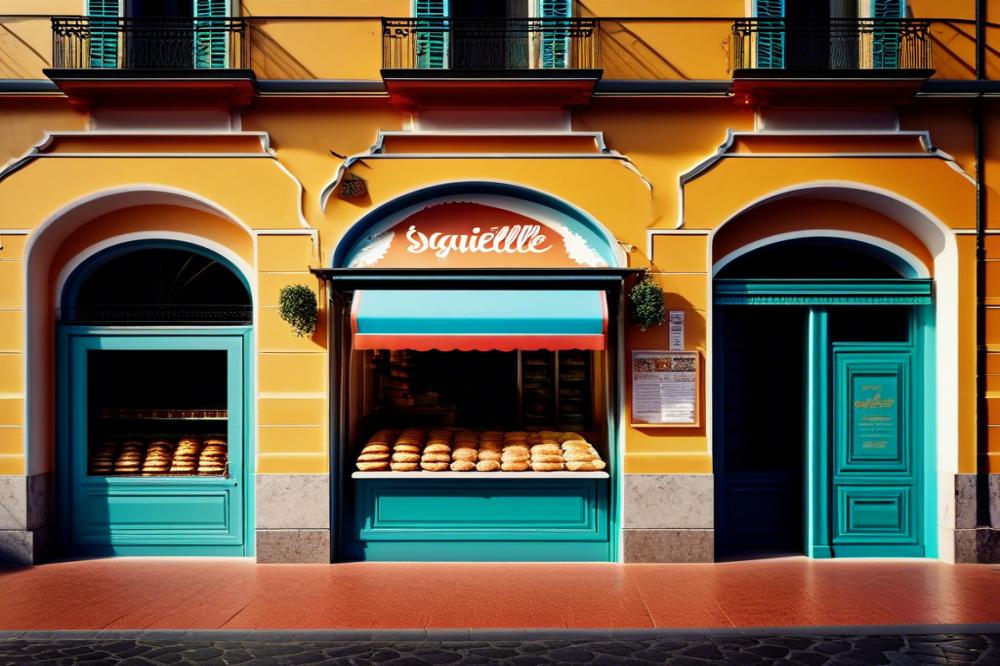
To understand this famous Italian dessert, one must delve into the history of its creation. The pastry’s roots can be traced back to the 17th century. It is believed that this flaky pastry was born in the kitchens of monasteries in Campania. These local delicacies were initially prepared by nuns who sought to create sweet treats for special occasions.
Naples is not just the birthplace of sfogliatelle; it is a city rich in culinary heritage. Here, traditional pastries flourish alongside regional specialties. The blend of local ingredients and influences from various cultures shaped the pastry into what it is today. The use of ricotta and other fresh fillings reflects the region’s abundance of dairy products.
Cultural exchanges over centuries also played a significant role. As trade routes expanded, so did the variety of techniques and flavors. Many consider the influence of Arab pastry-making methods notable in this context. The layered texture and sweet filling of saree were likely inspired by these traditions.
Additionally, the pastry’s popularity spread beyond Naples over time. Families would pass down the recipes, adapting them slightly. Each generation put its own twist on the original. As a result, numerous variations emerged throughout Italy, showcasing the pastry’s flexibility and regional distinctiveness.
In modern times, sfogliatelle is much more than just a dessert. It has become a symbol of Neapolitan cuisine, enjoyed by locals and visitors alike. This pastry stands as a testament to the city’s history, resilience, and creativity in the culinary arts.
The Unique Characteristics of Sfogliatelle
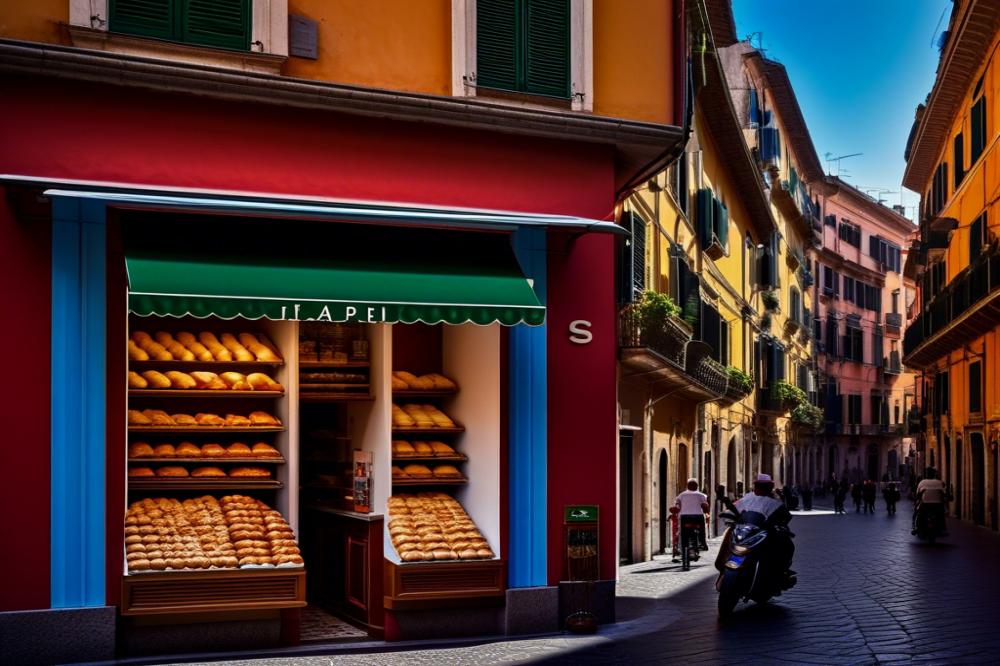
This Italian dessert stands out in Neapolitan cuisine for its delicate and flaky pastry. Made up of many thin layers, the outer shell is crispy and light, creating an enjoyable crunch with every bite. The texture is unlike most traditional pastries, offering a pleasant contrast between the crisp exterior and the soft filling inside. Each bite reveals intricate layers, inviting the eater to appreciate the skill involved in crafting this regional specialty.
Specific varieties of this pastry add to its allure. Among the most well-known are the “Riccia” and “Frolla.” Riccia features the signature wavy shape, while Frolla has a smoother, more rounded appearance. Both versions are equally loved by locals and tourists alike. Each type brings its distinct charm, giving people options to choose according to their preferences.
Sweet fillings play a crucial role in making this dessert memorable. Ricotta, a fresh cheese, is often the star of the show. The creamy texture and slightly sweet flavor blend beautifully with the flaky pastry. Some variations elevate the experience by incorporating citrus zest or semolina for added depth. Other fillings may include fruit preserves or sweetened cream. These choices highlight the culinary heritage of Naples, showcasing how local delicacies have evolved over time.
Through its layered texture and various fillings, this pastry embodies the essence of traditional Italian desserts. Each bite speaks to the skill and history of pastry-making in the region. Neapolitan cuisine is proud to claim this labor of love, ensuring it remains a beloved favorite for generations.
The Role of Sfogliatelle in Neapolitan Cuisine
The importance of this Italian dessert in local delicacies cannot be overstated. From cafes to bakeries, it holds a special place in the hearts of locals and visitors alike. Each bite reveals layers of flaky pastry that are a hallmark of Neapolitan cuisine. pastry history shines through in the intricate folds that create its unique texture, making it standout among traditional pastries.
Many culinary traditions in Naples celebrate the rich heritage of this treat. It appears at festive occasions and everyday gatherings. People often share it with family and friends, strengthening community ties. Filled with a sweet mixture of ricotta, its flavor embodies the essence of Neapolitan life.
As a representation of regional specialties, this dessert connects people with their roots. Its unique flavor profile reflects the agricultural bounty of the Campania region. Locals take pride in crafting the perfect filling, ensuring a delightful experience. Visitors often seek out the best places to try this renowned pastry, further promoting the city’s culinary scene.
The way this flaky pastry is made tells a story of craftsmanship. Every layer signifies the dedication of bakers who have passed down their skills through generations. Enjoying a piece not only satisfies a sweet tooth but also connects individuals to the rich culinary heritage of Naples.
In many ways, this dessert serves as a symbol of the city itself. Locals may say there is no better way to experience Naples’ food culture than by indulging in this flaky wonder. Such experiences showcase the vibrant flavors and traditions that define the area as a whole.
Modern Interpretations and Popularity
Over the years, this Italian dessert has taken on various forms. Chefs have started to experiment with flavors and fillings, creating new versions that maintain the essence of traditional pastries. Suddenly, the classic sweet filling of ricotta may be enriched with Chocolate or made fruitier with the addition of citrus zest.
Beyond Naples, interest in the flaky pastry has grown substantially. In cities around the world, bakeries now offer their own takes on the Neapolitan cuisine staple. Tourists flock to these locations, curious to taste what they have heard about this regional specialty.
Local bakeries play a vital role in keeping the tradition alive. Many of these establishments have been family-owned for generations, ensuring that recipes are passed down with care. Chefs often take the utmost pride in using fresh ingredients and sticking to authentic techniques.
As more people discover this delicious treat, its popularity continues to rise. Events focused on Italian cuisine occasionally feature the dessert prominently, captivating new audiences. With social media showcasing images of the beautifully formed pastries, many food lovers are eager to replicate these local delicacies at home.
Ultimately, modern interpretations exist side by side with traditional styles. Bakers are finding a balance between innovation and heritage, helping maintain the pastry’s status. This blend keeps the flavor alive while introducing it to a new generation.
Wrapping Up the Sweet Legacy of Naples’ Beloved Treat
Sfogliatelle holds a special place in the hearts of many. This pastry is not just a treat; it represents the spirit and culture of Naples. With its flaky layers and rich fillings, it tells a story that goes deep into the city’s past. The journey of this dessert mirrors the history of Naples itself, where tradition combines with creativity.
The significance of this delicacy is profound. As one of the most recognizable Italian desserts, it showcases the craftsmanship that Italian bakers have honed over generations. Each bite delivers not only flavor but also a connection to the vibrant culture of the region. Visitors to Naples often find themselves captivated by its aroma and appearance. Many locals enjoy it with a cup of coffee, making it a cherished part of their daily routine.
Pastry history in Italy is full of fascinating tales. Many classic recipes have survived through the ages, often passed down as family secrets. Exploring these creations reveals the artistry involved in Italian baking. The rich variety of flavors, textures, and techniques defines this culinary heritage. This diversity is worth celebrating and preserving.
It’s crucial for everyone to explore and appreciate traditional pastries. Trying something new can be a delightful experience. Seek out local bakeries, and don’t hesitate to ask about their specialties. Each bite is a chance to connect with a culture that has thrived for centuries. In the end, indulging in these iconic sweets not only satisfies your taste buds but also honors the dedication of the people who create them. So, next time you enjoy this classic treat, take a moment to appreciate the history and love that goes into every piece.

