
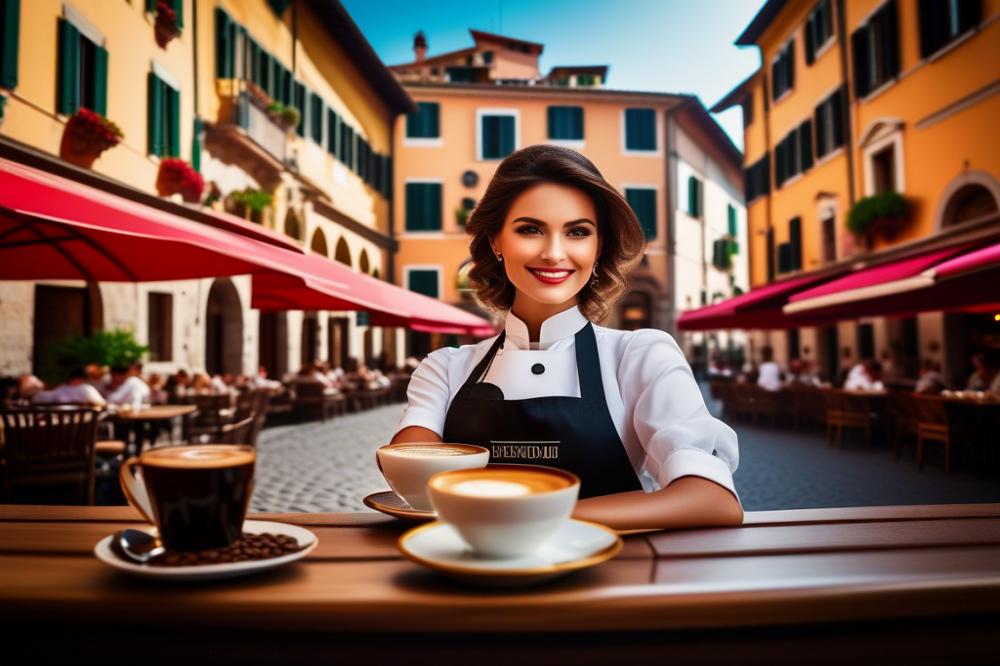
Introduction to Italian coffee Culture
Italy’s rich coffee culture is renowned worldwide. The country has become synonymous with strong flavors and rich aromas. Coffee is more than just a drink; it is an integral part of daily life for many Italians. From bustling cafes to quiet corners, it plays a vital role in social interactions and moments of relaxation.
Every day, millions start their mornings with a shot of espresso. This beloved brew packs a punch and provides the energy needed to kick off the day. In bustling cities, coffee breaks are sacred rituals, allowing individuals to pause and recharge. Italian coffee culture promotes connection, often bringing people together over a shared love for coffee.
A variety of coffee drinks helps keep this tradition alive. The cappuccino, with its frothed milk and espresso, is a widely known favorite. Baristas showcase their skills in crafting intricate patterns, making each cup a work of art. Ristretto, a short shot of espresso, offers a sweeter taste. Macchiato, on the other hand, adds a splash of milk to enhance the rich flavor.
Another popular option is the lungo. This drink is similar to espresso but is prepared with more water, resulting in a milder taste. For those with a sweet tooth, caffè mocha blends chocolate with espresso, creating a delicious treat. Each of these unique coffee brews reflects the dedication Italians have for coffee preparation and quality.
As one explores the Italian coffee landscape, it becomes clear that each sip tells a story. Understanding these drinks offers insights into a culture deeply passionate about its coffee. Enjoying a cup of coffee in Italy invites you into a world where flavor and community come alive.
Italian Coffee: An Introduction to Brews
Italian coffee is more than just a morning drink; it’s a ritual steeped in tradition. This term encompasses several popular coffee drinks, each with its own character. Espresso serves as the foundation of many Italian brews, providing a rich and intense flavor in a small serving. This concentrated shot of coffee is often enjoyed alone or serves as the base for other drinks.
The coffee preparation process in Italy is both an art and a science. It begins with selecting high-quality beans, often sourced from various parts of the world. These beans are then finely ground to ensure the perfect extraction. The use of espresso machines is common, allowing for precise control over temperature and pressure. This method of brewing leads to the creation of various beverages such as cappuccino, which marries espresso with steamed milk and foam, creating a creamy delight.
Another favorite is the ristretto. This is a shorter shot of espresso, resulting in a more concentrated flavor. A macchiato, on the other hand, features espresso “stained” with a small amount of milk. For those who prefer a longer coffee experience, the lungo offers a more extended extraction, producing a milder cup. Fans of chocolate-infused beverages often turn to caffè mocha, which combines espresso with creamy chocolate and steamed milk.
Cafés across Italy thrive partly due to the role of the barista. These skilled professionals are not just coffee-makers; they are craftsmen who understand the intricacies of each brew. A good barista takes pride in their work, ensuring every cup meets high standards. Their expertise enhances the Italian coffee culture, transforming a simple drink into a delightful experience.
In Italy, coffee is often served promptly and enjoyed swiftly, reflecting the fast-paced lifestyle. Social interactions flourish in cafés, where people gather to sip their favorite drinks. Understanding the coffee preparation process and appreciating the role of the barista can enhance how one experiences these wonderful beverages. Every sip captures a piece of Italian culture and tradition.
Espresso: The Heart of Italian Coffee
Espresso is more than a drink; it represents the essence of Italian coffee culture. This concentrated shot of coffee is brewed by forcing hot water through finely-ground coffee beans. Its rich flavor and bold aroma captivate many coffee lovers around the world. In Italy, espresso serves as the foundation of daily life, often consumed quickly at a bar while standing. It symbolizes a break in the day; a moment to enjoy and socialize.
Different variations of espresso exist to cater to various tastes. A popular choice is the cappuccino, which combines espresso with steamed milk and foam. This drink is often enjoyed in the morning. The ristretto offers a shorter extraction time, yielding a more intense flavor. Another beloved option is the macchiato, where a shot of espresso is “stained” with a small amount of milk. Those seeking a longer drink might opt for the lungo, where more water is used during preparation, creating a milder taste. There’s also the delicious caffè mocha, a sweet mix of espresso, chocolate, and steamed milk for a delightful treat.
Espresso plays a crucial role as the base for various Italian coffee drinks. Baristas expertly prepare an array of beverages that start with this strong coffee. Without espresso, many of these drinks would simply not exist. Each variation allows for creativity and personal preference while maintaining the classic flavors associated with Italian coffee. Exploring espresso forms a gateway into understanding the broader coffee preparation traditions that thrive in Italy.
Cappuccino: The Classic Morning Brew
Cappuccino is one of the most beloved drinks in Italy. This delightful concoction consists of equal parts espresso, steamed milk, and foamed milk. The result is a creamy beverage that pleases the palate. Many people enjoy it for breakfast, often paired with a pastry. The balance of coffee and milk makes it a comforting way to start the day.
In Italy, drinking cappuccino comes with its own set of customs. Typically, locals prefer to consume this drink in the morning. Ordering a cappuccino after 11 a.m. can raise eyebrows. Italians believe that milk-based drinks are too heavy for later in the day. Therefore, tourists are often surprised when they see Italians sipping espresso or a macchiato in the afternoon.
Popular Variations and Regional Differences
Another interesting variant is the caffè mocha, a sumptuous mix of espresso, steamed milk, and chocolate. It is becoming increasingly popular among younger Italians. The lungo, a longer extracted espresso, offers a different taste experience. Also, some people enjoy a macchiato, which is simply espresso “stained” with a dollop of foamed milk.
Every aspect of cappuccino consumption is steeped in Italian coffee culture. The ritual of coffee preparation, from grinding the beans to frothing the milk, reflects a deep-rooted passion. Smoky aromas fill coffee shops, inviting patrons to share a moment with friends. Whether it’s at a bar or a quaint café, enjoying a cappuccino is more than just a drink; it’s a social experience.
Ristretto: The Short and Bold Shot
Understanding ristretto and its preparation
Ristretto is a concentrated coffee drink that many adore. It’s similar to espresso but distinct in many ways. During preparation, a smaller amount of water is forced through the coffee grounds. This results in a short, strong shot. Typically, a barista uses the same amount of coffee but cuts the water in half. The outcome? A drink that packs a punch. Its flavor profile is rich, often sweeter, with less bitterness.
Comparison with traditional espresso
When comparing ristretto to traditional espresso, the differences become clear. A classic espresso involves a balanced yet intense brew. Ristretto, in contrast, is shorter and offers a different taste experience. While espresso uses around 30 ml of water, ristretto usually needs only 15 to 20 ml. This leads to a thicker crema, enhancing its luxurious feel. Many coffee lovers often explore both options, intrigued by how varied coffee drinks can be.
When and why Italians choose ristretto
Choosing ristretto is often a matter of preference. Italians enjoy this shorter shot for its robust flavor. Sometimes, it serves as a morning pick-me-up. Other times, it is an after-meal delight. Perfect for those who want a quick boost without the extra volume. They appreciate the depth it brings, especially when savoring a moment alone or with friends. In bustling cafés, you might notice locals ordering it alongside a macchiato or lungo. The Italian coffee culture values quality over quantity. Ristretto stands as a testament to that philosophy, showcasing the beauty of simple yet expert coffee preparation.
Macchiato: The Stained Espresso
What exactly is a macchiato? This popular coffee drink is an espresso with just a small amount of milk. Traditionally, the milk creates a “stain” or mark on the espresso, giving it its name. It’s a simple yet delightful way to enjoy the rich flavor of coffee without overwhelming it with milk.
Many people confuse two types of macchiato: the latte macchiato and the espresso macchiato. The first is primarily steamed milk with a shot of espresso poured over it. It’s lighter and creamier, ideal for those who prefer milky beverages. On the other hand, the espresso macchiato focuses on the espresso itself, with only a dollop of frothy milk. Both have their devoted fans within the Italian coffee culture.
Coffee drinks have a significant place in daily life for Italians. A barista often serves macchiatos in busy espresso bars, where people grab their morning boost. Preferences vary across Italy, with some regions leaning toward the more potent espresso macchiato, while others might enjoy the softer latte macchiato for a leisurely afternoon break. A typical café visit often reveals the bustling ritual around these drinks, drawing people together in shared enjoyment.
Comparing macchiato with other popular brews reveals interesting contrasts. Cappuccino and latte beverages are generally milk-heavy, while ristretto portrays an ultra-concentrated espresso. These nuances reflect a culture that takes coffee preparation seriously, celebrating the unique characteristics of each drink. The caffè mocha, another favorite, combines chocolate and espresso for those who crave something sweet. Yet, for many, the simplicity of a macchiato remains unmatched.
When you visit Italy, consider trying a macchiato. Whether you choose the creamy latte macchiato or the stronger espresso macchiato, you will experience something authentic. This drink encapsulates the essence of Italian coffee—a blend of tradition, flavor, and cultural significance. So, step into a local café and enjoy the stained espresso like a true Italian.
Lungo: The Longer Coffee Experience
A lungo, which means “long” in Italian, offers a different coffee adventure. This brew starts with the same base as espresso but diverges in its preparation. More water is added during extraction, resulting in a larger, milder cup. Unlike espresso, which is bold and intense, a lungo presents a gentler profile that can be enjoyed for a more extended period.
The taste of a lungo is often described as smoother and less concentrated than its espresso counterpart. Some drinkers notice subtle flavors emerging that might be overshadowed in a shot of espresso. Notes of chocolate, nuts, or even caramel can surprise the palate. For a more delightful experience, many enjoy it with a slice of pastry, pairing beautifully with breakfast or an afternoon snack.
In the vibrant Italian coffee culture, the lungo holds a respectable place among popular brews. It is considered less common than cappuccino or ristretto but attracts its own group of enthusiasts. While espresso remains the star of the show, the lungo finds its way into the daily routines of many. Baristas craft it with precision, ensuring that the ratio of water to coffee harmonizes perfectly.
Among coffee drinks, the lungo may not have the same reputation as a caffè mocha or a classic macchiato. Yet, those who appreciate a slower sip often keep coming back. Its unique balance of strength and flavor allows for a satisfying experience without overwhelming the senses. Whether savored alone or with friends, the lungo invites exploration of different coffee preparation methods, adding depth to anyone’s coffee journey.
Caffè Mocha: The Sweet Indulgence
Caffè mocha is a delightful blend of rich espresso, steamed milk, chocolate syrup, and a dollop of whipped cream. This drink offers a perfect balance of coffee flavor and chocolate sweetness. Traditionally, a barista prepares it, combining strong coffee with creamy textures and a touch of indulgence. This brew is beloved by many, making it a staple in Italian coffee culture.
Creating a caffè mocha starts with a shot of espresso. The barista first brews the espresso, often using a method like ristretto or lungo to adjust the strength. Then, they add chocolate syrup to the warm drink, mixing it well. Next, steamed milk is poured over the espresso and chocolate, creating a frothy top. Finally, whipped cream is added as a luxurious finishing touch. The result is a drink that looks as good as it tastes.
This coffee drink appeals to a wide range of people. Young adults often enjoy caffè mocha for its sweet profile, making it a popular choice in cafes. Students and professionals alike appreciate its comforting nature. Families also introduce this to children as a milder introduction to coffee. Whether as an afternoon pick-me-up or a post-meal treat, its versatility makes it a favorite.
For those who prefer café experience, ordering a caffè mocha provides a sense of connection to the coffee drinks enjoyed in Italian cafés. It is not just about the beverage; it’s about the ambiance. Various demographics enjoy it because it combines the energy of espresso with the warmth of comfort foods. In such a way, caffè mocha has carved out a unique niche among the beloved coffee preparations in Italy.
Italian Coffee Culture: Beyond the Drink
In Italy, coffee is more than just a beverage; it represents a way of life. The social aspects of drinking coffee play a significant role in daily routines. Locals often meet friends at cafés to engage in conversation. This ritual fosters a sense of community and friendship. People gather to share stories, laugh, or simply enjoy each other’s company over a cup. The atmosphere in coffee bars buzzes with energy and warmth.
Role of Cafés and Coffee Bars in Daily Life
Cafés and coffee bars serve as social hubs in Italian towns and cities. Many visit these establishments several times a day. For many, stopping for an espresso is a morning necessity. It kickstarts their day and prepares them for what lies ahead. During lunch breaks, offices empty as workers flock to coffee spots. It’s not just about getting a caffeine fix; it’s an essential part of the workday.
Coffee Rituals and Etiquette
Understanding the nuances of coffee preparation is crucial in appreciating Italian coffee culture. Coffee drinks are often enjoyed at specific times. For instance, ordering a cappuccino after 11 AM is generally frowned upon. Locals tend to favor shorter brews like ristretto or long drinks such as caffè lungo later in the day. The barista expertly crafts each cup, from rich espresso to a creamy macchiato. Each drink has its own character and time for enjoyment.
Rituals also include how coffee is consumed. It’s common to drink standing at the bar, rather than sitting at a table. This practice underscores the quick, bustling nature of coffee consumption in a day filled with activities. Conversations are fast-paced, filled with laughter and friendly banter. Whether enjoying a decadent caffè mocha or a simple espresso, every sip carries a meaning.
Etiquette plays an important role as well. Knowing how to order and what to expect can enhance the experience. Asking for a specific drink helps establish familiarity. While Italians are welcoming, sticking to their customs shows respect for the culture. The world of coffee in Italy offers more than just a delicious taste; it embodies traditions and values that resonate deeply within Italian life.
Wrapping Up Italy’s Coffee Culture
Recap of Popular Drinks
Italy boasts an impressive range of coffee drinks. Espresso is the foundation of Italian coffee. Whether consumed alone or as a base for other drinks, it brings a rich flavor and intensity. The cappuccino is another favorite, delighting many with its perfect blend of creamy milk and robust coffee. Then there’s the macchiato, a simple yet elegant choice, topped with a touch of foamed milk. Visitors often savor a ristretto, a concentrated shot with a sweeter taste. Each drink offers a different experience, making it easy to see why these brews are cherished.
Unique Aspects of Italian Coffee Culture
Italy’s coffee culture reflects a deep love for the ritual of drinking coffee. Cafés serve as social hubs where people gather, share stories, and enjoy each other’s company. Locals usually drink their coffee standing at the bar, embodying a fast-paced yet relaxed lifestyle. Additionally, the country emphasizes quality ingredients, ensuring every cup meets high standards. The emphasis on community and connection is simply delightful.
Exploring Italian Traditions
Readers should consider immersing themselves in the rich traditions surrounding coffee in Italy. Experimenting with different drinks can lead to new tastes and preferences. It’s not just about the flavors; it’s about the experience. Whether you’re in a bustling café or a quiet corner, each cup tells its own story. By embracing Italian coffee traditions, you can gain a deeper appreciation for this delightful beverage and the culture it represents. So, raise your cup and toast to the wonderful world of Italian coffee!

