

Introduction
recipe“>Italian Easter Bread holds a special place in the hearts of many families across Italy. It is more than just a sweet treat; it embodies the spirit of celebration during the Easter season. This delightful bread is often adorned with colorful decorations, symbolizing new life and the arrival of spring. As families gather together, they share stories, laughter, and delicious food, creating lasting memories.
One standout among festive foods is Colomba Pasquale. This traditional Easter dessert resembles a dove, a symbol of peace and resurrection. The sweet bread is typically infused with citrus flavors and often topped with an almond glaze. Each region in Italy may have its own variations, yet the essence remains the same. Baking this treat is a time-honored ritual, passing down recipes through generations.
During Easter, many people indulge in vibrant holiday traditions centered around food. Baking becomes more than a chore; it transforms into an act of love and creativity. Families often spend days preparing for the festive meal, incorporating various Italian desserts into their celebrations. The aroma of fresh bread mingling with citrusy notes fills the air, making the holiday feel truly special. As Colomba Pasquale takes center stage, it captures the essence of family, heritage, and togetherness.
History and Cultural Heritage of Colomba Pasquale

Origin of Colomba Pasquale and its Historical Roots
Colomba Pasquale, a beloved symbol of Easter in Italy, boasts a rich historical tapestry. Its origins can be traced back to ancient traditions, where springtime festivities welcomed renewal after winter. The name “colomba” means “dove” in Italian, signifying peace and rebirth. Early versions of this sweet bread were likely simple loaves made to celebrate the season. Over time, it evolved into the soft, flavorful treat we recognize today, often adorned with an almond glaze.
Traditions Surrounding Easter in Italy and the Role of Sweet Bread
Easter in Italy is steeped in vibrant holiday traditions. Families gather to share meals, attend religious services, and indulge in special desserts. Sweet bread plays a central role in these celebrations. From large gatherings to quiet dinners, the presence of baked goods enhances the festive atmosphere. Many Italians enjoy Colomba Pasquale as a centerpiece on their tables, a symbol of joy and togetherness.
Regional Variations of Italian Easter Bread Across the Country
Diversity shines through in how different regions celebrate Easter with bread. In some areas, people might add raisins or candied fruit to their recipes, enhancing the citrus flavors that define Italian desserts. In others, the baking techniques vary, reflecting local customs and preferences. Each variation tells a story of cultural heritage, connecting families to their roots. The almond glaze, commonly used in the northern regions, creates a delightful contrast to the soft bread.
Local bakers take pride in their unique adaptations, often using secret family recipes passed down through generations. Thus, Colomba Pasquale becomes not just a recipe but a vessel of memories and traditions.
Ingredients and Preparation Technique

Key ingredients used in the Colomba Pasquale recipe
The Colomba Pasquale relies on several core ingredients that contribute to its flavor and texture. First, you’ll need high-quality flour, which forms the base of this sweet bread. Sugar adds sweetness, while butter brings richness. Yeast is essential for the bread to rise. Citrus flavors play a significant role in the recipe; using fresh orange and lemon zest enhances the aromatic profile. Milk contributes moisture, resulting in a tender crumb. Don’t forget a pinch of salt to balance the sweetness. Finally, an almond glaze tops the loaf, creating a delicious finishing touch.
Preparation steps for making Italian Easter Bread
Begin by activating the yeast in warm milk with a sprinkle of sugar. Allow it to sit until foamy. In a separate bowl, whisk together flour, salt, and remaining sugar. Add softened butter, eggs, and zest into the mixture, followed by the yeast mixture. Knead the dough until smooth, then let it rise in a warm spot until doubled in size. Once risen, shape the dough into the traditional dove form. Place it in a suitable baking pan and allow it to proof again. Preheat your oven while waiting—this step is crucial for even baking. Before baking, brush the dough with an egg wash for shine and sprinkle your almond glaze on top. Bake until golden brown and then cool on a rack.
Tips for successful baking and achieving the perfect texture
Baking the perfect Colomba Pasquale requires attention to detail. Room temperature ingredients can help create a smoother dough, so consider taking them out ahead of time. Kneading the dough properly develops gluten, giving the sweet bread its structure. If your kitchen is cool, find a warm spot for the dough to rise. A few simple tricks can help you get the texture just right. Adding extra egg yolks can enrich the dough further, creating a softer crumb. Additionally, testing the bread with a toothpick will help determine when it’s fully baked. Lastly, never rush the cooling process; allowing it to cool completely is vital for best results. Enjoy this delicious treat as part of your holiday traditions and share with loved ones to celebrate Easter.
Flavor Profile and Serving Suggestions
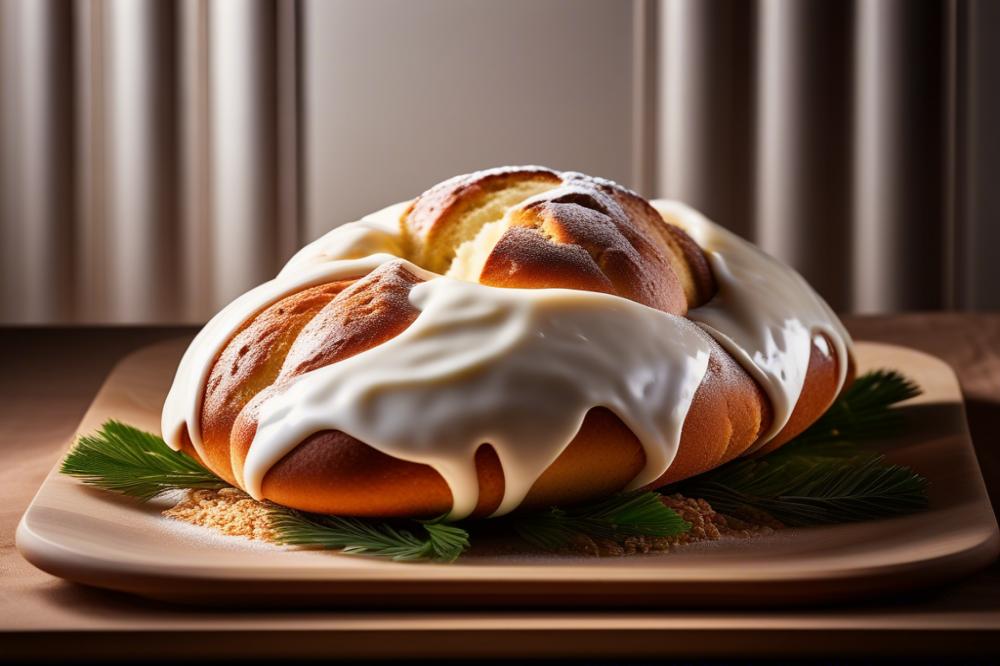
The flavor profile of Colomba Pasquale is a delightful exploration of citrus flavors. Orange and lemon zest are often added, creating a fresh and zesty aroma that is refreshing. These bright notes contrast beautifully with the sweetness of the bread, making each bite a burst of flavor. As a traditional sweet bread, it captures the essence of Easter and the joy of the holiday season.
An essential element of this recipe is the almond glaze. This topping is made with finely ground almonds, sugar, and egg whites. When baked, it forms a crispy layer that adds texture and richness. The nutty taste enhances the overall sweetness of the bread while providing a lovely crunch. Together, the glaze and bread create a harmonious balance that is simply irresistible.
When serving Colomba Pasquale, consider pairing it with other Italian desserts. It goes well with a cup of strong coffee or a glass of sparkling wine, adding a festive touch to any holiday gathering. Carb lovers will appreciate slicing it thin and spreading a dab of homemade marmalade for a breakfast treat. Some even enjoy it toasted with a pat of butter alongside a sweet cheese, bringing a different twist to traditional approaches.
For those interested in exploring further, it’s possible to combine Colomba with classic Italian pastries like cannoli or tiramisu. Each complements the other by introducing different textures and flavors. As families gather around festive foods, the rich cultural heritage of Italy shines through. This dessert brings people together during Easter celebrations, making it a centerpiece of holiday traditions.
Easter Celebrations and Festive Foods
Role of Colomba Pasquale in Italian Easter celebrations
Colomba Pasquale is a key element of Easter festivities in Italy. This sweet bread symbolizes peace and renewal, aligning perfectly with the spirit of the holiday. Families often bake or buy Colomba as a special treat during this time. The preparation of this Italian dessert often begins weeks in advance, allowing the rich flavors to develop fully. Traditionally, this bread is adorned with an almond glaze, providing a delightful crunch that enhances each bite.
Comparison with other traditional Easter foods
In addition to Colomba Pasquale, many other festive foods grace the Easter table. Different regions of Italy boast their own signature dishes. For example, Lamb is commonly served as a symbol of sacrifice and rebirth. Alongside savory meals, sweet breads and pastries also emerge as staples during this season. Each of these items carries its own cultural heritage, adding depth to the celebration. Throughout the country, families engage in baking activities, creating delicious treats that complement the festivities.
Importance of sharing baked goods as part of holiday traditions
Sharing baked goods plays a vital role in Easter traditions. When families gather, they often bring homemade pastries to share with each other. This practice strengthens bonds and fosters a sense of community. It is not unusual for neighbors and friends to exchange their creations as a gesture of goodwill. These shared moments resonate meaningfully, enriching the holiday experience. The act of making and sharing enhances the joy of the celebration, making each gathering feel special. Baking together also allows families to pass down recipes and memories, weaving their stories through generations.
Wrapping Up Our Celebration with Colomba Pasquale
The significance of Italian Easter bread goes beyond its delicious taste. This traditional treat represents renewal and joy, celebrated with family and friends during the Easter season. Making and sharing this baked good creates a sense of community, bonding people over time-honored customs.
Baking can be a joyful experience, especially when it involves loved ones. The sweet aroma of dough rising brings memories of the past and hopes for the future. As families gather, sharing stories and laughter, the act of preparing food can be a cherished ritual that enhances the spirit of the holiday.
Trying out the Colomba Pasquale recipe at home offers a fun way to participate in this tradition. Your kitchen will become a space filled with warmth and celebration, showcasing the heart of Italian culture. With each bite, you will taste the love and effort poured into the creation.
This Easter, embrace the chance to craft something special. Gather your family and friends as you bake together. Discover the joy of this unique recipe and enjoy the festive atmosphere it brings to your home.

