
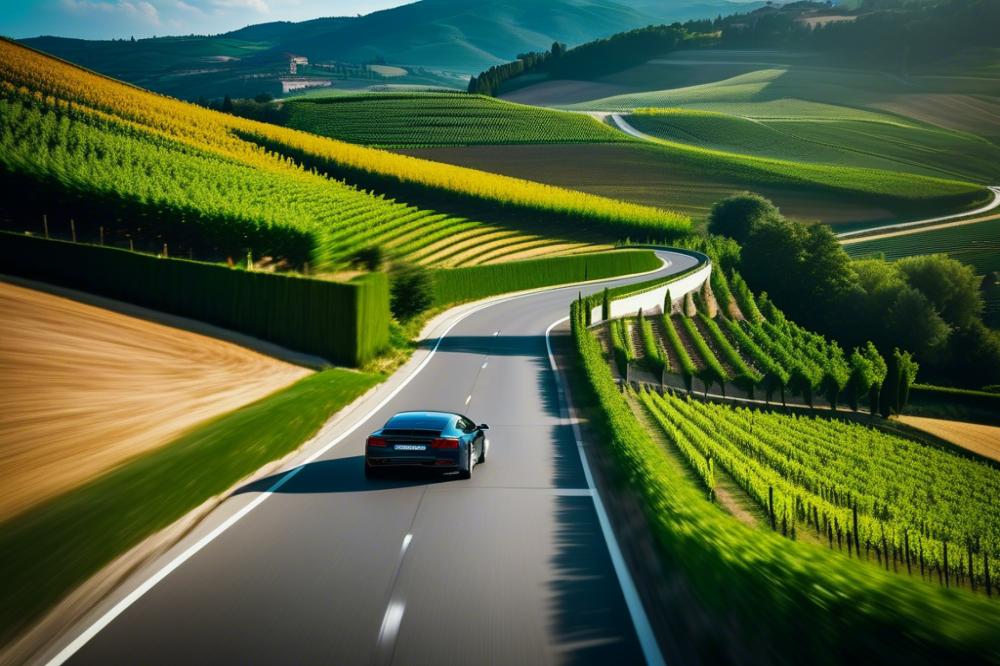
Italian Motorways and highways: An Overview
Italy is known for its breathtaking landscapes, delicious food, and rich history. However, to fully experience all it offers, driving on its highways is essential. The network of roads here is extensive, making it easier to explore various regions. Among these routes, the A1 motorway stands out as the main artery, connecting the north to the south, from Milan to Naples. This crucial highway is just one part of a larger system, offering many travel options.
Understanding Toll Costs is vital for anyone planning a road trip in Italy. Frequent travelers must be aware that toll charges can add up, affecting overall travel budgets. Every region has different rates, so knowing these prices can help in better planning. Just imagine journeying on a scenic drive, only to be surprised by unexpected fees. Awareness of these costs can enhance the travel experience significantly.
Best routes play a key role in ensuring a smooth journey. Well-chosen paths will not only save time but can also provide stunning views. Some areas are known for their picturesque scenery, making drives enjoyable and memorable. Driving tips, such as planning stops in quaint towns or scenic overlooks, can make every trip special.
Travel safety remains a top concern for many travelers on Italian Motorways. Road conditions vary, as do driving habits, and it pays to stay alert. Familiarity with local traffic laws and common driving practices can protect travelers from accidents. Overall, road trips in Italy can be unparalleled adventures that blend the joy of travel with a touch of caution.
This travel guide will cover essential points that will enhance your journey across Italy. Whether you are planning a weekend getaway or a longer excursion, knowledge about highways, Toll Costs, and safety tips can make a difference. With the right information, exploring Italy will transform from a need into a memorable experience.
Italian Motorways: An Overview
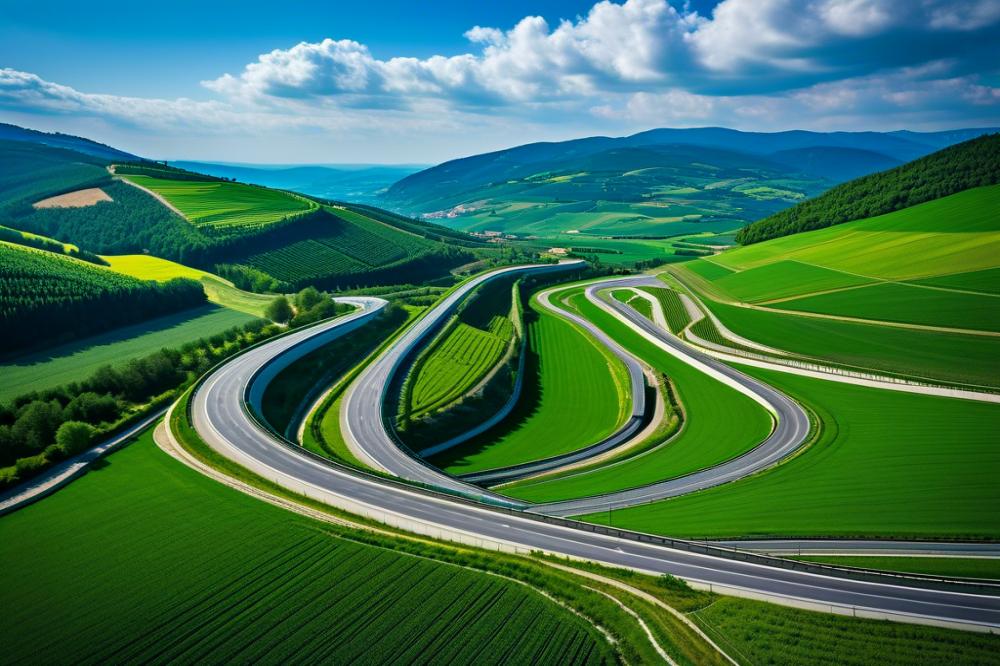
Motorways and highways in Italy are vital parts of the country’s transportation system. They connect major cities, allowing for efficient travel across the nation. Italian roads are categorized mainly into two types: autostrade (motorways) and strade statali (state roads). Each type plays a unique role in how people move from place to place.
Key features of these motorways include multiple lanes and well-marked exits. Most of them offer clear signage and regular rest areas for travelers. Drivers can find fuel stations, restaurants, and even visitor centers along the way. Toll charges apply on many of these routes. It’s essential to be prepared for these costs when planning your journey.
The A1 Motorway: Italy’s Main Artery
The A1 motorway stands out as the principal highway connecting several major cities. This road runs from Milan in the north to Naples in the south. Along its path, travelers can enjoy scenic drives that feature beautiful countryside and landmarks. The A1 connection makes it easier for road trips to popular Italian destinations.
A journey on the A1 is not only functional but also a chance for exploration. It serves as a vital route for tourists seeking popular attractions. Understanding toll charges along the A1 helps travelers budget for their adventure. Planning ahead with a travel guide can enhance the experience significantly.
Besides the A1, Italy has many other motorways to consider. Regions like Tuscany and the Amalfi Coast have their own scenic routes. travel safety is always a priority when choosing your best routes. Knowing driving tips and local regulations can make your trip smoother and more enjoyable.
Toll Costs on Italian Motorways

Traveling by highways in Italy often involves navigating a system of tolls. The toll system works on a pay-as-you-go basis. Drivers traditionally pick up a ticket when entering the motorway. When exiting, tolls are calculated based on the distance traveled.
Charges vary significantly across routes. A trip on the A1 motorway, the longest in Italy, can cost more than 30 euros for a standard car. Depending on the type of vehicle, fees can increase. For instance, trucks and larger vehicles typically incur higher toll amounts. This makes it essential to plan your route carefully, especially on a road trip.
Payment Methods
There are several convenient payment methods for travelers. Cash payments are accepted at most toll booths. Credit cards also work well for many drivers. However, if you want a smoother journey, consider using a Telepass. This electronic device allows for automatic payment, which can save time at busy toll stations.
Travelers should have a few tips in mind. Always keep some cash on hand for unexpected stops. Make sure your credit card has international capabilities in case you prefer that method. If you decide to use Telepass, sign up ahead of time to avoid any last-minute issues.
Understanding Toll Charges
It’s wise to check toll charges before starting your journey. Websites and travel guides offer updated information on fees by route. Some scenic drives may not have tolls, providing an enjoyable, cost-effective alternative. However, routes without tolls can take longer, so weigh your options carefully.
Drivers should prioritize safety when navigating these highways. Pay attention to signage that indicates toll costs and speed limits. Know when to expect toll booths, especially after long stretches of calm driving. Understanding how the toll system functions will lead to a more relaxing travel experience through Italy.
Best Routes for Travelers
Italy offers some of the most captivating road trip opportunities in Europe. Exploring this beautiful country by car allows travelers to create their own adventure. Highways and scenic drives wind through breathtaking landscapes, making every journey more exciting.
A popular choice for many is the A1 motorway. This major route connects the vibrant cities of Milan and Naples. Along the way, travelers can stop in historic towns like Bologna and Florence. The rich culture and stunning architecture found in these cities are a must-see for any explorer.
For those who appreciate nature, the coastal routes are a fantastic option. The Amalfi Coast Drive is renowned for its steep cliffs and shimmering sea views. This drive offers numerous vantage points to pause and soak in the scenery. Similarly, the Cinque Terre road offers a blend of rugged coastline and charming villages, ideal for photos and relaxation.
When considering a journey through the countryside, the Val d’Orcia region stands out. Famous for rolling hills and vineyards, this area showcases the essence of Tuscany. Visitors can discover local wineries and quaint farmhouses, adding a unique flavor to their road trip.
Connecting key cities and attractions is essential for a smooth travel guide. The route from Venice to Verona allows guests to explore Lake Garda along the way. Travelers will enjoy the picturesque views and a chance to experience the local culture.
Driving tips for these routes include being aware of toll charges. Toll booths can appear unexpectedly, so having cash or a credit card ready can save time. Road signs are often in Italian, so a translation app can prove helpful for navigation.
Safety should always be a priority on any journey. Always check local traffic laws before driving and remember that speed limits vary. Maintaining a safe distance from other vehicles is just as important as keeping an eye on the road conditions.
For those planning an Italy travel adventure, mapping out the best routes can enhance the experience. Every road tells a story and promises new memories. Each turn and twist might lead to an unexpected discovery, adding to the charm of traveling across this beautiful nation.
Driving Tips for Safe Travel
Driving in Italy comes with its own set of rules and regulations. Understanding these is crucial for a safe journey. First, remember that speed limits are different on highways. Generally, it’s 130 km/h on motorways. That said, always check road signs for local limits, as they can vary.
Italian drivers tend to be assertive, so stay alert. Use a car that’s in good condition before hitting the road. Check the brakes, tires, and lights. To comply with regulations, wear seat belts and avoid using mobile phones while driving. This helps you focus on the road and your surroundings.
Navigating Italian highways can be straightforward if you follow some simple tips. Use GPS apps to help find the best routes. The A1 motorway connects major cities and offers spectacular views. Plan your stops for refueling and resting. This makes the drive more enjoyable.
Moreover, be mindful of toll charges. Most highways in Italy require payment, and costs can vary based on distance. Keep some cash handy, as some toll booths may not accept cards. Keep an eye out for signs that indicate upcoming toll plazas.
Travel safety is paramount. Awareness of changing road conditions adds to a hassle-free journey. Weather can shift quickly, especially in mountainous areas. Fog and rain can affect visibility, so adjust your driving accordingly. Staying updated on the weather forecast helps you avoid surprises.
When embarking on a road trip, consider taking scenic drives. Italy’s countryside offers breathtaking views. Plan routes that allow you to see unique landscapes. These experiences can be the highlight of any journey.
Before you hit the road, familiarize yourself with local traffic laws. Knowing the rules can save you from unexpected troubles. Enjoy your adventure and drive safely through the beautiful roads of Italy.
Travel Safety on Italian Roads
Traveling through Italy can be an exciting adventure, but it is essential to prioritize safety. Common concerns for travelers include navigating unfamiliar roads and dealing with toll charges. Drivers should be ready for varied driving conditions, especially in rural areas. Speed limits and traffic regulations might differ from what visitors are accustomed to at home. Adapting to these factors is crucial for maintaining travel safety.
Emergency Contact Numbers and Services
In case of an emergency, knowing who to call is vital. The European emergency number, 112, is available across Italy. For accidents on the highways, dialing 116 will connect you to the motorway emergency services. They can assist with roadside issues like flat tires or mechanical failures. Remember to keep an emergency kit in your vehicle. It should include items like a reflective triangle, first aid supplies, and water. Being prepared can make a significant difference in any road trip.
Advice on Vehicle Rentals and Insurance
Renting a vehicle in Italy offers flexibility to explore scenic drives with ease. Ensure the car rental includes adequate insurance coverage. Basic liability is usually included, but consider additional coverage for peace of mind. This can help protect against any unexpected road issues. Always check the rental agreement for any restrictions or extra charges. Understanding the terms can save travelers from surprises later. If you plan to travel on the A1 motorway or other major routes, knowing about the road conditions ahead is beneficial.
Driving tips are widely available in many travel guides. Familiarizing oneself with local customs can enhance the journey. Italians may often drive confidently, sometimes leading to aggressive behavior on the roads. Keep a safe distance from other vehicles. Be aware of pedestrians and cyclists, especially in cities. They often share the streets and can be unpredictable.
Final Thoughts on Exploring Italy
Understanding toll costs, routes, and travel safety is vital for anyone planning a road adventure in Italy. Navigating the motorways can seem daunting, but with a little preparation, it can also be rewarding. Travelers can save money by knowing when and where to pay tolls. Selecting the right path can make all the difference in experiencing Italy’s stunning landscapes and rich history.
Exploring Italy by road opens up a world of opportunities. You’re not just passing through; you’re witnessing the charm of quaint villages and breathtaking vistas. Whether you’re discovering the rolling hills of Tuscany or the coastal beauty of Amalfi, each route offers something special. The freedom of the open road invites you to stop, explore, and enjoy at your own pace.
Travel safety remains a priority. Familiarize yourself with local driving laws and conditions. Consider having a GPS or a map app handy to navigate effectively. Remember that Italian drivers can be assertive, so stay alert.
Appreciating Italy through its highways and byways is a joyful experience. Each journey along the roads teaches something new and creates lasting memories. Embrace the adventure, savor the cuisine, and enjoy the scenic routes that highlight the best of Italy. Your road trip awaits!

