

Italian Olive Oil vs. Olive Oils from Spain, Tunisia, Turkey, and Australia: A Comparative Guide
Olive oil holds a special place in the world of gastronomy. This versatile ingredient enhances dishes with its rich flavors and brings a touch of Mediterranean culture to tables around the globe. Chefs and home cooks alike rely on its unique qualities in various culinary uses. Whether drizzled over salads, used in marinades, or simply enjoyed with bread, its importance cannot be overstated.
Among the many sources of this coveted oil, Italian Olive Oil stands out for its exceptional quality and variety. Renowned for its robust flavor profiles, it often becomes the gold standard against which others are measured. Tasting notes from this region can range from fruity to peppery, showcasing the diversity of its production methods and the climate of the Italian countryside.
However, Italy is not the only player in the olive oil market. Spain produces a significant amount, often celebrated for its smoothness and balance. Additionally, Tunisia has gained recognition for its high-quality oils that boast both flavor and health benefits. Turkey is also emerging as a noteworthy producer, offering oils with distinct characteristics. Meanwhile, Australia’s growing industry brings innovation and fresh perspectives to classic olive oil production.
As consumers seek to understand their options, an Olive Oil Comparison among these countries reveals much about their distinct characteristics and what they bring to the table. The exploration of these oils can help you choose the best product for your cooking needs. Whether you prefer the classical notes of Italian oil or the vibrant offerings from Spain, there is much to discover in the world of olive oil.
Italian Olive Oil

History and Tradition of Olive Oil Production in Italy
Italy has a rich history of olive oil production that dates back thousands of years. Ancient civilizations cherished this golden liquid for its flavor and health benefits. Today, production remains deeply rooted in Italian culture. Olive oil is not just an ingredient; it is a way of life for many Italian families. Craftsmanship is passed down through generations, with each family often having its own unique techniques. This dedication contributes to the country’s reputation as a premier supplier of fine oils.
Regions Known for High-Quality Italian Olive Oil
Certain regions stand out for their high-quality olive oil. Tuscany is often celebrated for its robust flavor profiles, while Puglia produces oils that are both fruity and spicy. Calabria is known for its strong, peppery taste, and Sicily offers a delightful combination of sweetness and bitterness. Each area benefits from different climates and soil types, impacting the final product. Lesser-known regions like Liguria also produce exquisite oils, showcasing the diverse offerings from this nation.
Characteristics and Regulations of Extra Virgin Olive Oil
Extra virgin olive oil from Italy has strict regulations that assure quality. This classification requires the oil to be made from the first pressing of olives, without any chemical treatment. It must have low acidity, usually below 0.8%. Flavor profiles can vary widely, ranging from grassy and herbal to nutty and fruity. Distinctive tasting notes often highlight the origin and variety of the olives used. Additionally, labeling requirements mandate that oils meet specific quality standards, providing consumers with confidence in their purchase.
Production methods vary, but traditional cold-pressing remains popular. This method preserves the delicate flavors and health benefits of the oil. Taste this oil to experience a product that tells a story of its origins. Using Italian olive oil in culinary dishes enhances flavors, making it a favorite among chefs. Sautéing vegetables, drizzling over fresh bread, or even using it in salad dressings showcases its versatility. Each drop carries the lush Italian landscape where it was born.
Comparison with Olive Oils from Spain
Overview of Spanish Olive Oil Production
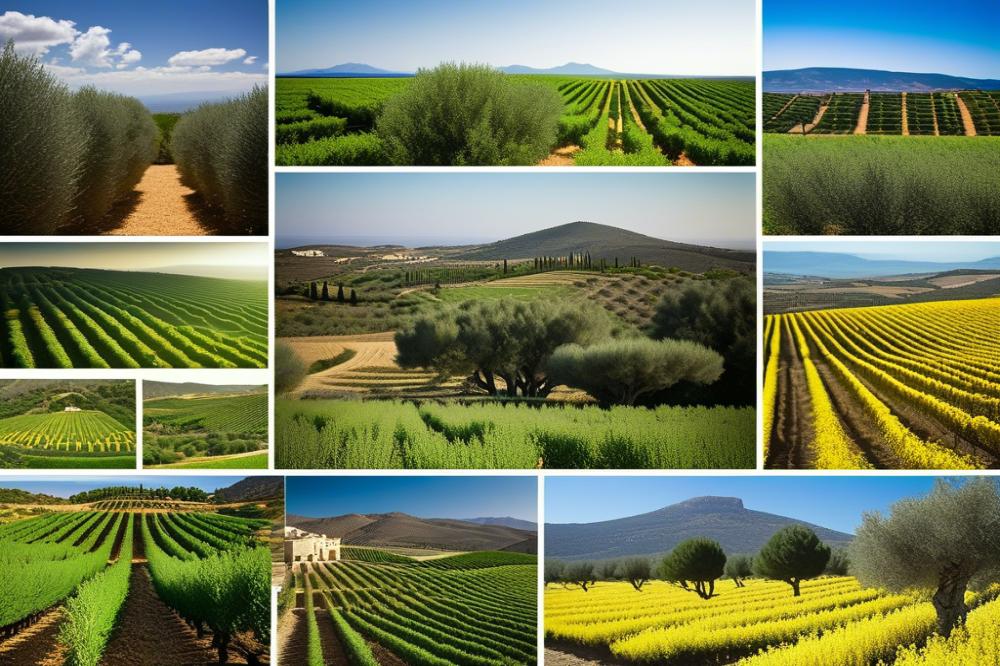
Spain stands as one of the world’s leading producers of olive oil. The country’s climate and landscape make it an ideal place for growing olive trees. In recent years, production methods have advanced, allowing farmers to create high-quality oils. Many Spanish producers focus on sustainability and organic practices. The focus is on maintaining the traditions of olive oil making while embracing modern technologies.
Key Regions and Varieties
Several regions in Spain are renowned for their olive oil. Andalusia is perhaps the most famous, giving rise to flavorful oils. The province of Jaén leads in production volume, while Córdoba and Granada also contribute significantly. Meanwhile, different olive varieties shape the character of the oil. Arbequina, Picual, and Hojiblanca are among the most popular. Each variety brings distinct qualities to the table.
Flavor Profiles and Tasting Notes of Spanish Olive Oils
Spanish olive oils feature diverse flavor profiles. The oils from Picual olives often showcase strong, robust flavors with a hint of bitterness. On the other hand, Arbequina oils tend to be mild and fruity, accompanied by a nutty finish. When tasting, you might notice grassy notes or peppery undertones. These characteristics make Spanish olive oils versatile and appealing to many palates.
Culinary Uses and Health Benefits
Culinary uses of Spanish olive oils are varied and extensive. They pair beautifully with salads, grilled vegetables, and even seafood. Drizzling extra virgin oil on bread enhances simple dishes. These oils are not just tasty, they also offer health benefits. Rich in antioxidants and healthy fats, they contribute to heart health and overall wellness. Incorporating them into your diet can have positive effects on your health.
Overall, Spanish olive oils compare favorably with options from Tunisia, Turkey, and Australia. Their intense flavors, combined with traditional production methods, have earned them a significant place in the culinary world.
Comparison with Olive Oils from Tunisia
History of Olive Oil in Tunisia
Olive oil has deep historical roots in Tunisia, dating back thousands of years. Ancient Phoenicians introduced olive cultivation to the region. Today, Tunisia is one of the largest olive oil producers in the world. The climate and soil conditions are ideal for olive trees. Olive oil production is a vital part of the Tunisian economy.
Discussion of Production Methods and Varieties
Tunisia primarily uses traditional production methods. Many farmers still harvest olives by hand, ensuring quality. Modern technology is also present, with some mills using advanced extraction methods. The country grows different olive varieties, with the Chemlali and Chetoui being the most well-known. Both varieties contribute to the distinctive characteristics of Tunisian olive oil.
Flavor Profiles and Tasting Notes Unique to Tunisian Olive Oil
Tunisian olive oil boasts a rich flavor profile. It often has fruity notes of green apples and artichokes. Depending on the variety, some may exhibit peppery undertones or a slight bitterness. Many consumers appreciate its balanced and harmonious taste. This oil can offer a pleasant and lingering finish with each bite.
Culinary Applications and Health Benefits
Tunisia’s olive oil is versatile in the kitchen. It shines as a finishing oil drizzled over salads and grilled vegetables. Home cooks often use it in marinades or to enhance the flavor of breads. Beyond culinary uses, extra virgin olive oil offers numerous health benefits. It’s rich in antioxidants and healthy fats, supporting heart health. Regular consumption contributes to overall wellness, making it a staple in the diet.
Comparison with Olive Oils from Turkey
Overview of the Turkish Olive Oil Industry
Turkey has a rich history in olive oil production. Many regions have cultivated olives for centuries. The country ranks among the top producers globally, with a focus on both local consumption and export. Production methods can vary significantly from one area to another, emphasizing traditional practices and modern techniques alike. This industry is vital for the economy, especially in rural areas.
Key Varieties and Regions
Several olive varieties thrive in Turkey. The Memecik, known for its fruity flavors, is among the most popular. Other varieties, like Ayvalık and Domat, also contribute to the diversity of Turkish olive oils. This nation boasts numerous regions, such as Aegean and Marmara, that produce high-quality oils. Each location adds its own characteristics to the final product, enhancing the range of options available.
Distinct Flavor Profiles and Tasting Notes of Turkish Olive Oils
Turkish olive oils exhibit a wide array of flavor profiles. Many are characterized by fresh, grassy notes with hints of artichoke and green almond. Some oils offer a peppery finish, indicating high quality and freshness. Factors like climate, soil type, and production methods play crucial roles in defining these tasting notes. Therefore, a single bottle might surprise with its complexity.
Culinary Uses and Health Benefits Associated with Turkish Olive Oils
Cooks often use Turkish olive oils in various dishes. They work well in salad dressings, marinades, and dips. Drizzling them over vegetables enhances flavor significantly. Beyond taste, these oils are known for their health benefits. Packed with antioxidants, they promote heart health and contribute to overall wellness. Their rich nutrient profile makes them a staple in kitchens around the world.
Comparison with Olive Oils from Australia
Development of the Olive Oil Industry in Australia
Australia’s olive oil industry has seen significant growth since its beginnings in the late 20th century. This nation offers a distinct environment, allowing for the cultivation of olive trees that thrive in its diverse climates. Many Australian producers have adopted both traditional and modern methods to enhance quality. The industry focuses on sustainability and innovation, drawing inspiration from olive oil traditions in Spain and Italy. Over the years, Australia has gained recognition for its high-quality oils, making an impact globally.
Production Methods and Unique Australian Varieties
Producers in Australia utilize a combination of tried-and-true production methods and cutting-edge technology. Harvesting typically occurs early to capture olives at their peak freshness. This approach often results in oils that contain higher levels of polyphenols. Australian olive varieties include ‘Frantoio’ and ‘Koroneiki,’ both known for their rich flavors. Additionally, local growers frequently experiment with lesser-known cultivars. Each variety has its own flavor profile, offering something for every palate.
Flavor Profiles and Tasting Notes of Australian Olive Oils
When it comes to flavor, Australian olive oils can be described as vibrant and fresh. Many oils exhibit grassy and fruity notes, with hints of pepper on the finish. Each producer presents something unique. Some may focus on a smoother, milder taste, while others offer bolder spiciness. This variety ensures that there is something for all culinary preferences. Flavor profiles can significantly vary based on the region and the specific olive types used, creating an exciting tasting experience.
Culinary Uses and Health Benefits
Australian extra virgin olive oils have versatile culinary uses. They shine in salad dressings, marinades, and drizzling over cooked dishes. Many chefs appreciate the quality and flavor they can bring to meals. Health benefits are another strong point. These oils are rich in antioxidants and healthy fats, contributing to overall well-being. Consuming them regularly may help improve heart health and provide anti-inflammatory properties. Awareness of these benefits has likely spurred increased popularity among health-conscious consumers.
Final Thoughts on Choosing Olive Oil
When comparing olive oils, some key differences emerge. Flavor profiles vary significantly. Italian oil tends to be robust and full-bodied. Spanish oils can be fruitier, with a hint of spice. Oils from Tunisia often have an earthy quality, while those from Turkey are known for their mildness. Australian olive oils frequently showcase freshness, reflecting their climate and modern techniques.
This variety provides distinct choices for all culinary needs. The Italian olive oil industry has carved out a strong global position. Known for its heritage and strict regulations, it sets high standards. Consumers often view this as synonymous with quality. Other countries, however, are gaining recognition for their own blends. Each region brings something special to the table.
Choosing the right oil depends on personal taste and intended use. For dipping, a fruity Spanish oil may enhance flavor. For drizzling over salads, the peppery notes of Italian might be preferred. Those looking for versatility can opt for a balanced Australian blend. Use oils from Tunisia in Mediterranean recipes to capture authenticity.
Ultimately, exploring various options can lead to discoveries in flavor. Embrace this journey, and enjoy the diverse world of olive oils.

