
Overview of Ancient Roman Ports
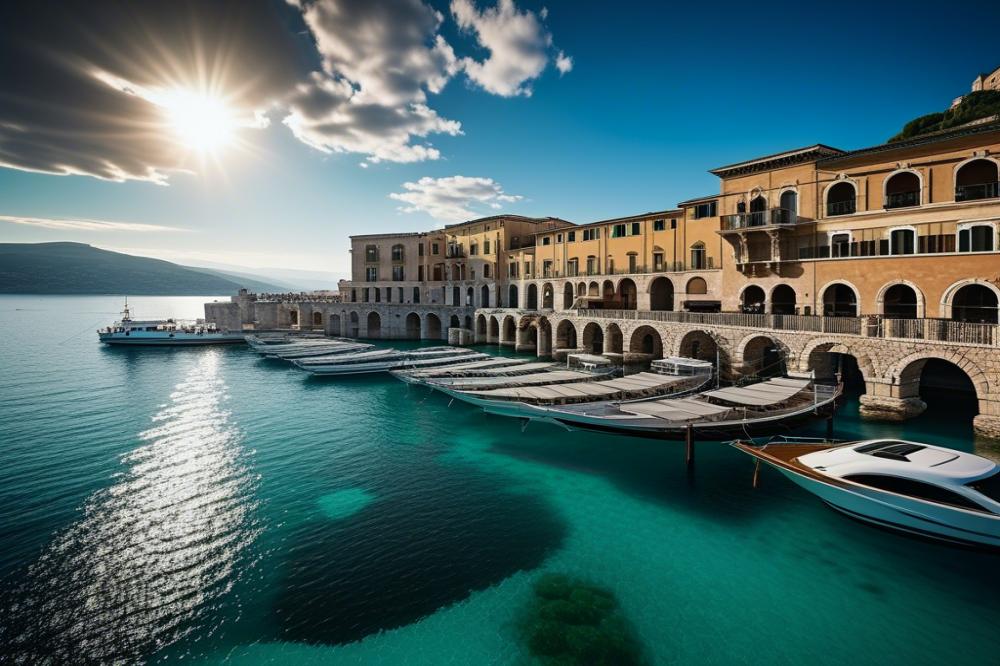
Roman Ports served as crucial maritime gateways that supported the vast reach of the Roman Empire. These coastal cities played a pivotal role in facilitating trade across the Mediterranean Sea. As a result, the development of port infrastructure enabled efficient transport routes that connected various regions. This extensive network was vital for Roman commerce, allowing for the exchange of goods, culture, and ideas.
maritime trade fueled the economy and contributed significantly to the empire’s expansion. By providing direct access to ships and cargo, these ports became hubs of activity. They were places where merchants, sailors, and traders converged, creating a vibrant scene that benefited all. Important commodities like grain, wine, and olive oil flowed through these maritime avenues, shaping both local and imperial economies.
Archaeological sites in Italy reveal the rich history of these ancient maritime centers. Excavations have unearthed remnants of docks, warehouses, and ships, offering insight into daily life in these bustling ports. The structures left behind tell stories of vibrant trade and interaction among cultures. Visitors today can walk through ruins that echo the past, illustrating the significant role these ports played in shaping the empire.
In summary, the significance of the Roman ports lies not only in their strategic location but also in their ability to facilitate the growth of Ancient Italy. By linking different cultures and economies, they crafted an intricate web that supported the empire’s ambitions. The legacy of these maritime gateways remains a testament to the ingenuity and determination of a civilization that once spanned continents.
Historical Significance of Roman Ports
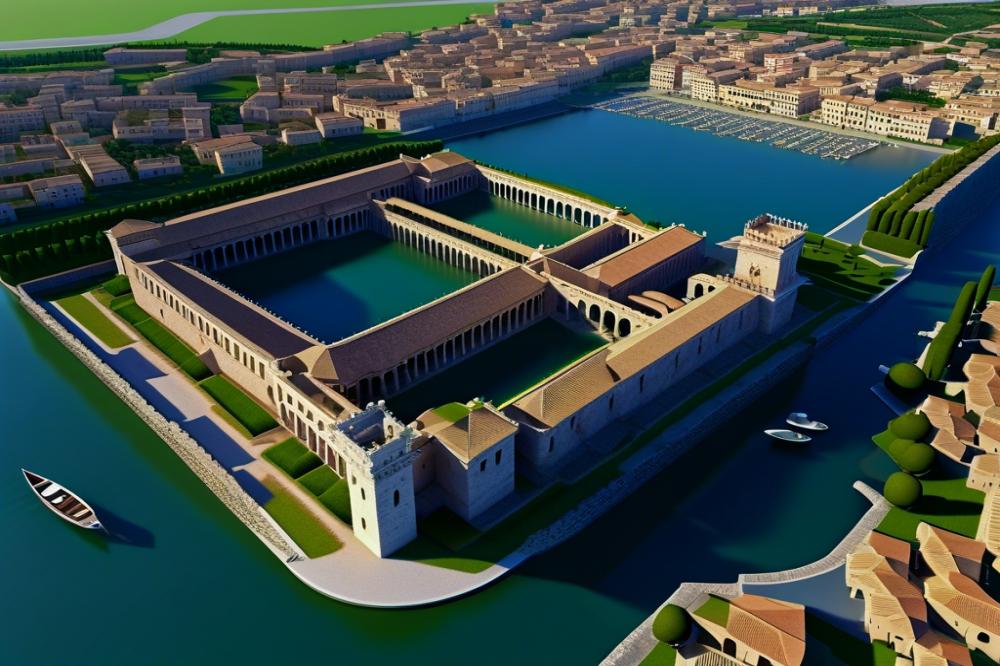
The ports of ancient Rome were central to the empire’s growth and prosperity. They served as vital hubs for maritime trade. As commerce expanded, the ports established critical links between various coastal cities. Roman infrastructure, such as harbors and docks, played a key role in this development.
Connections to the Mediterranean Sea proved invaluable. Through these waters, goods flowed from distant lands into the heart of the empire. This access allowed Rome to import vital resources like grain, luxury items, and raw materials. Trade routes across the Mediterranean expanded with every new port developed along the coast.
Interaction through ports also fostered cultural exchange. Merchants and travelers brought ideas and customs from various regions. This led to a rich tapestry of cultural influences that shaped Roman society. Archaeological sites today reveal evidence of this blend of cultures, showcasing everything from pottery to religious artifacts.
Much of the empire’s expansion relied on these coastal gateways. The strategic locations of ports allowed for military movements, as ships could quickly transport troops. Control over these areas meant dominance over maritime transport routes. Consequently, the ports often became focal points of power and trade.
Trade was not solely about the exchange of goods; it included ideas, technology, and lifestyles. For example, goods from the East introduced luxury fabrics and spices into everyday Roman life. Such exchanges enriched the tapestry of Roman civilization and reflected the empire’s vast reach. Understanding the importance of ports helps us appreciate their role in shaping not just commerce but also the expansive history of the Roman Empire.
Key Ancient Roman Ports in Italy
Ostia Antica: Rome’s Main Port and Its Role in Trade
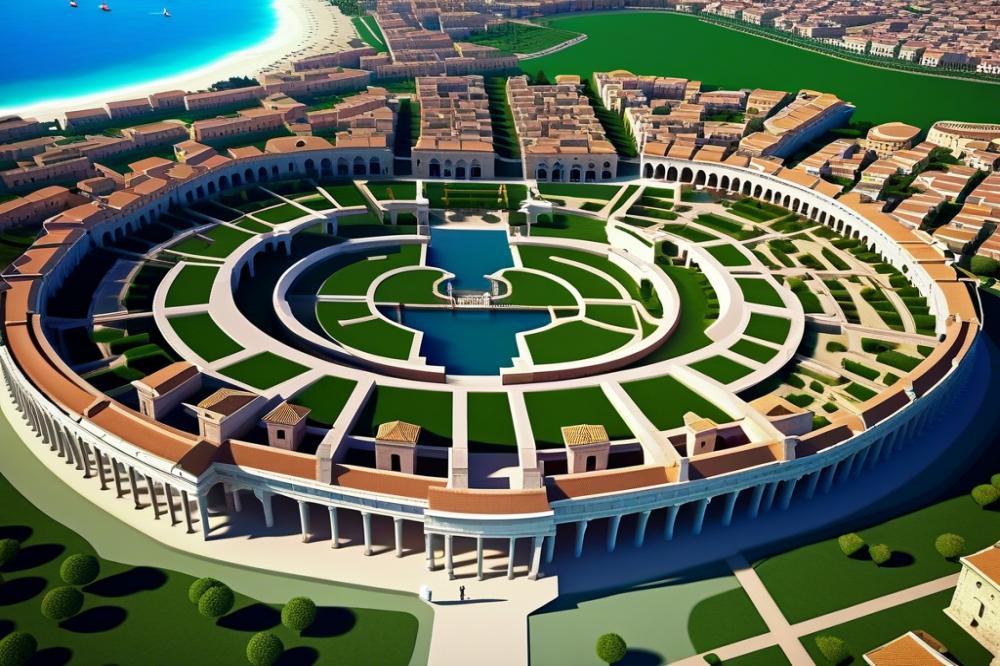
Ostia Antica served as Rome’s principal gateway to the Mediterranean Sea. Located at the mouth of the Tiber River, it played a crucial role in maritime trade. Goods from around the empire flowed through its bustling docks. This port facilitated Rome’s connection to distant lands, bringing in olive oil, grain, and wine. Ostia was more than just a supply hub; it was a lively urban center. Merchants and sailors made it a cosmopolitan locale, reflecting the diversity of the Roman Empire. It was here that commerce flourished and the economy grew, making the city essential for city life.
Portus: Advances in Port Infrastructure and Modern Excavations
Portus emerged as a major harbor for the city of Rome. Engineers designed this port with groundbreaking infrastructure, which included large basins and protective moles. These innovations allowed larger ships to dock safely. As Rome expanded, so too did the need for an efficient transport system. Portus answered that call, becoming a vital transit point for goods. Recent archaeological sites have revealed a great deal about its function. Excavations have uncovered warehouses and docks, shedding light on the workings of Roman commerce.
Other Notable Ports: Pompeii, Brindisi, and More
Not only Ostia and Portus shaped Rome’s trade routes. Other coastal cities, such as Pompeii and Brindisi, also played important roles. Pompeii was not just a resort; it thrived with a vibrant market, engaged in trade with the wider world. Brindisi, located in the heel of Italy, connected Rome to the Eastern Mediterranean. This port was a key point for import and export, influencing commerce significantly. The regions surrounding these ports reveal layers of history and empire expansion. Each site offers insights into the network that supported the Roman world.
Port Infrastructure and Maritime Trade
Advanced port facilities defined the landscape of the Roman Empire. These structures included robust docks, warehouses, and slipways. The design of ports allowed ships to load and unload cargo efficiently. Innovations in construction materials and techniques made many of these features withstand the test of time. Architects and engineers produced impressive works that catered to the needs of maritime trade.
Navigable waterways played a crucial role in the economy. Rivers and canals served as vital transport routes connecting inland regions to bustling harbors. These waterways facilitated the movement of goods and ensured that trade flourished. In addition to rivers, the strategic positioning along the Mediterranean Sea greatly boosted commerce. Shipbuilding also evolved during this era, with larger vessels designed for long voyages. This evolution allowed for transporting heavier loads over greater distances.
The coastal cities of Ancient Italy thrived due to their proximity to these ports. Increased accessibility led to vibrant marketplaces filled with diverse products. Merchants flocked to these areas, eager to exchange goods from different parts of the empire. The dynamics of Roman commerce reflected how essential ports were to trade networks. Archaeological sites provide a glimpse into how these cities developed and adapted over centuries. They reveal not only the structures built but also the lifestyles shaped by extensive maritime activities.
Empires expand when trade flourishes. Port infrastructure directly influenced the power of Rome. Reports from ancient texts highlight the significance of these maritime gateways. They were not just exits into the Mediterranean Sea; they were lifelines of the empire. As trade increased, so did the exchanges of culture and ideas. This vibrant interaction contributed to a unique tapestry of history that defined ancient times.
Archaeological Discoveries and Their Impact on Understanding Roman Ports
Major archaeological sites and findings related to ancient ports
Numerous archaeological sites throughout Italy reveal significant insights into ancient ports. Pompeii and Herculaneum, for example, provide well-preserved remains of structures that once facilitated maritime trade. Excavations in Ostia, the port city of Rome, have uncovered extensive port infrastructure. These finds include wharves, warehouses, and docking areas that served as bustling hubs for commerce. Researchers often marvel at the artifacts uncovered, such as amphorae that once held olive oil and wine. These items are not simply relics; they tell a story of trade networks across the Mediterranean Sea.
Importance of ongoing excavations in revealing trade practices
Ongoing excavations in coastal cities continuously reshape our understanding of Roman commerce. Each dig brings new artifacts to light, painting a clearer picture of how trade influenced daily life. Shipping routes, for example, have come into sharper focus through meticulous studies of ancient ships and cargo. Scholars examine these findings to better comprehend the scale and scope of maritime trade. Not only do these discoveries demonstrate the empire’s economic power, but they also reveal social aspects, such as the roles of merchants and dock workers.
How discoveries bypass time and enrich historical narratives
Findings from ancient ports help bridge the gap between the past and present. When excavations yield coins or trade documents, they provide a direct link to the world of the Roman Empire. Such discoveries enrich historical narratives by adding depth to what we know. They often challenge previously accepted ideas about ancient life and commerce. Archaeology unveils nuances of how the empire expanded and maintained its economy. Each artifact serves as a testament to a vibrant trade system that shaped the Mediterranean and beyond. As excavations continue, new stories emerge, enhancing our view of history.
The Influence of Ports on Empire Expansion
Ports played a vital role in the territorial growth of the Roman Empire. They were not just places for ships to dock; they were gateways to new lands. Coastal cities thrived around these ports, acting as hubs for maritime trade. Empires that controlled these strategic locations could expand their influence over vast areas. This network of ports facilitated the movement of goods and people across the Mediterranean Sea, connecting various regions.
Military logistics relied heavily on these maritime gateways. Armies needed supplies and reinforcements to conquer new territories. Ports served as primary points for the transport routes that delivered everything from food to weapons. The Roman military could launch campaigns efficiently thanks to this well-organized supply chain. An effective port infrastructure meant the difference between failure and success in military endeavors.
Case Studies of Specific Ports
Ostia, the ancient port of Rome, serves as a prime example. Located at the mouth of the River Tiber, it was crucial in facilitating Rome’s trade. Shipments of grain and other essential goods flowed through its docks. This ensured that the city of Rome was well-provisioned, supporting both its population and its military. Archaeological sites in Ostia reveal sophisticated facilities designed to manage the flow of merchandise.
Another key site was Portus, which served as a vital complement to Ostia. It had advanced structures for loading and unloading cargo, enhancing efficiency. As trade grew, so did its strategic importance. Products from across the Mediterranean reached Rome through this bustling gateway. Other coastal cities such as Pompeii also benefitted. Their ports supported local economies and provided resources for military expeditions.
The importance of ports in the context of empire expansion cannot be understated. The design and functionality of each maritime infrastructure reflected Rome’s ambition. Roman commerce thrived on the strength of these ports. Without them, the empire might not have achieved the same level of power and territory. Each port tells a story of connectivity and control within the vast reaches of the empire.
Reflecting on Italy’s Ancient Maritime Legacy
Italy’s ancient ports were more than just points of departure and arrival. They played a crucial role in the expansion and sustenance of the Roman Empire. These bustling hubs of activity allowed for the flow of goods, ideas, and cultures across vast distances. They connected various parts of the empire in ways that were previously unimaginable. Without these key maritime gateways, the empire might not have flourished as it did.
Consider the lasting influence of these sites. They paved the way for future generations to engage in maritime trade and learn the importance of connectivity. The impact of Rome’s ports can still be felt today. Modern shipping routes often echo the ancient patterns established so long ago. In a world where trade fosters relationships and fuels economies, their legacy is undeniable.
Preserving these archaeological treasures is essential for our understanding of the past. Sites like Ostia Antica and Portus are not just ancient ruins; they are valuable educational resources. By safeguarding these areas, society honors the achievements of a civilization that shaped so much of the world. Future generations deserve to experience and learn from these incredible remnants of history.
In summary, the importance of Italy’s ancient maritime sites goes beyond their historical context. They serve as reminders of human ingenuity and the power of trade. As we reflect on their significance, we must also commit to preserving these gateways for the enjoyment and education of those who come after us.

