

Introduction
Italy’s national flower is the stunning blue flower often known for its vivid colors and striking appearance. This flower, known as the Italy-s-lakes-and-rivers”>Cornflower, holds a special place in the country’s heart. Its deep blue hue symbolizes many aspects of Italian culture and heritage. From agrarian roots to modern symbolism, this plant represents more than just beauty.
The Cornflower plays an essential role in Italy’s flora, thriving in fields and meadows across the nation. Historically, it has significant agricultural importance. Farmers once considered it an indicator of healthy soil. Today, it serves as a reminder of a rich rural past, embodying the connection between landscapes and community.
Throughout history, the Cornflower has been embraced in various traditional uses. It appears in folklore, art, and even culinary creations. Its beauty has inspired poets and artists alike, symbolizing love, hope, and remembrance. As the world evolves, the need for conservation of such plants becomes crucial. Awareness about their ecological roles is more vital than ever.
This article aims to explore the intricate symbolism behind Italy’s national flower. It will delve into its botanical characteristics, cultural significance, and the efforts made to preserve this vibrant part of Italy’s heritage. Understanding the Cornflower allows us to appreciate not just a flower, but a piece of history that continues to blossom.
The Cornflower: Botanical Characteristics
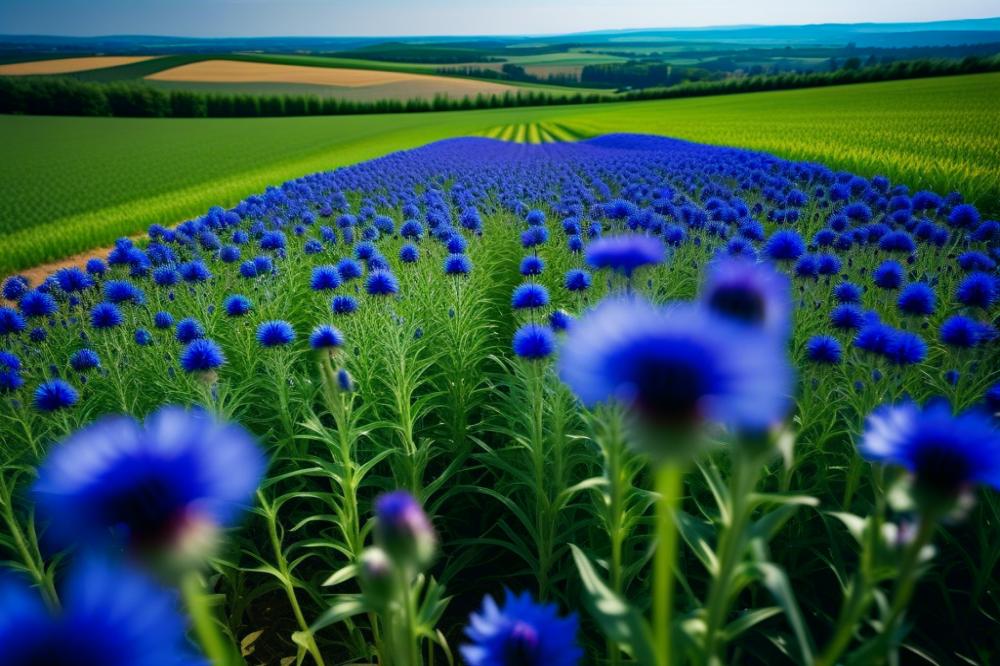
Often celebrated for its striking hue, the cornflower stands out among the flora of Italy. This vibrant blue flower captures attention in meadows and along roadsides. Its delicate petals radiate a brilliant shade reminiscent of a clear summer sky. Rich in both beauty and history, this plant holds a special place in the nation’s culture.
Scientific Classification and Features
Scientifically, the cornflower belongs to the Asteraceae family. Known by its Latin name, Centaurea cyanus, it exhibits a range of features that make it distinctive. The flower typically displays a cluster of petal-like ray florets arranged in a circular fashion. Each bloom reaches about 4 to 7 centimeters across. Additionally, the leaves are slender and can appear either serrated or lobed. This variability contributes to the plant’s overall charm.
Growth Habitats and Distribution in Italy
This national flower thrives in a variety of environments, particularly in agricultural fields and wild meadows. It often emerges in disturbed soils, such as those found in crop areas. Farmers sometimes view it as a weed due to its growth among grain crops. However, its agricultural significance should not be overlooked, as it also benefits biodiversity. Cornflowers can flourish from the northern regions to the south, adapting to Italy’s diverse climates. While once abundant, its presence has diminished in some areas, prompting conservation efforts. The historical background of this flower adds depth to its value, with traditional uses ranging from natural dye to herbal medicine.
Historical Background of the Cornflower
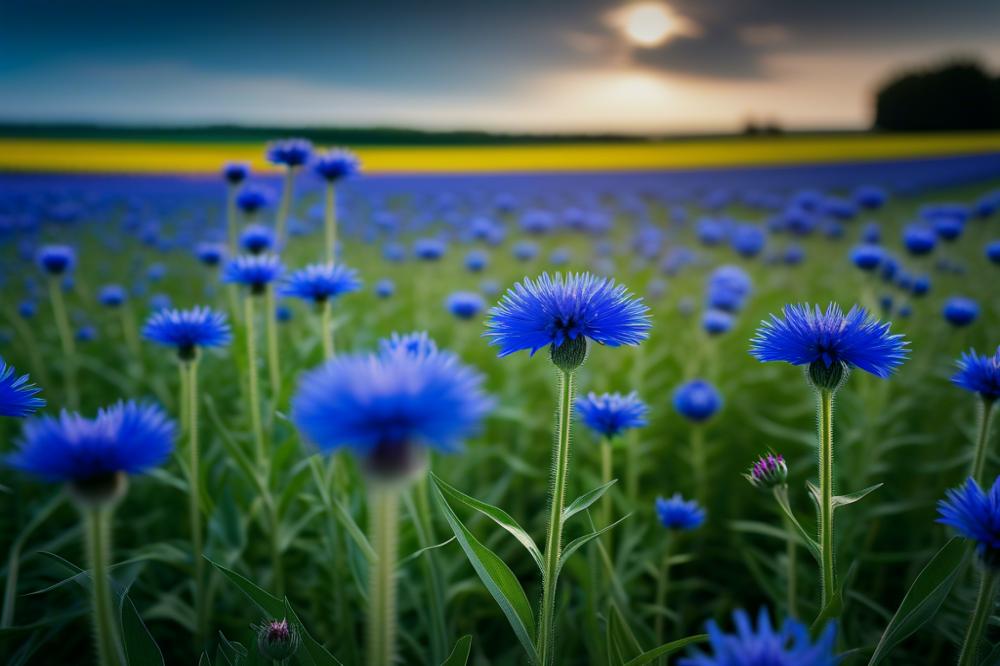
The cornflower, a striking blue flower, has roots deeply embedded in Italy’s agricultural landscape. Its origins can be traced back to the Mediterranean region, where it thrived among wheat fields. Farmers often regarded this flower as a symbol of beauty in their fields, celebrating its presence amidst crops. Over time, the plant became more than just flora; it became part of Italy’s cultural identity.
Numerous literary works throughout the ages have echoed the beauty and charm of this blue flower. Poets of the Romantic era admired its color and associated it with themes of love and longing. In art, painters often captured its vivid hue, using it as a striking contrast against golden wheat. Such cultural references reveal the significance of the cornflower in expressing emotion and sentiment in Italy’s artistic heritage.
The evolution of this flower’s status as a national symbol reflects changes in Italian society. During World War I, the cornflower became associated with bravery and sacrifice, symbolizing hope amid despair. Soldiers adopted the blue flower as a token of remembrance, further embedding it in the national consciousness. Its agricultural significance in peasant life also led to traditional uses in folklore, where it represented love and fidelity.
As interest in biodiversity grew, people recognized the need for conservation. Efforts aimed at preserving the cornflower’s natural habitats have increased. Environmental awareness plays a crucial role in protecting this unique flower and its ecosystems. Today, it stands not only as a national flower but also as a reminder of the need to safeguard Italy’s rich natural heritage.
Symbolism of the Cornflower

The cornflower holds a special place in Italy’s flora. It represents emotional depth and cultural richness. This blue flower often symbolizes hope and love. Tradition has woven its significance into the fabric of Italian life. Celebrations and folklore reflect its importance.
In Italian traditions, the cornflower is more than a pretty bloom. It is linked to agricultural significance, as it thrived in the fields. Farmers appreciated it not just for its beauty, but also for its role in the ecosystem. The flower is often seen during festivals, symbolizing prosperity and abundance.
Folklore and Celebrations
Many legends surround this blue flower. One tale speaks of a young bride who wore it as her good luck charm. Stories like these inspire generations, tying the flower to young love and fresh beginnings. During weddings, it appears in bouquets, honoring its meanings.
Traditional uses extend beyond mere decoration. People have utilized the cornflower in herbal remedies for centuries. Its petals are said to have calming effects, promoting relaxation and healing. This highlights the emotional depth associated with the plant. The folklore surrounding the flower fosters a sense of community and connection among people.
Modern Symbolism and National Emblem
In contemporary times, the cornflower serves as a national emblem. It represents the pride and spirit of Italy. Its striking blue hue has become synonymous with the country’s identity. Environmental conservation efforts aim to protect this cherished flower and ensure it thrives for future generations.
Today, the blue flower is featured in artwork and cultural expressions. Artists often depict it to capture Italy’s beauty and heritage. This ongoing representation showcases the plant’s lasting influence on Italian culture. Scholars argue that its botanical characteristics contribute to its appeal. The cornflower’s adaptability has made it a beloved symbol throughout time.
Agricultural Significance of the Cornflower

The Cornflower holds a distinct place in Italy’s agricultural landscape. This blue flower is not just a visual delight; it serves important functions in farming. From ancient times to the modern era, farmers recognized its value. It thrives in various types of soil, making it a resilient component of the local flora. Its adaptability has helped it become a part of many traditional farming systems.
This plant is praised for its role in promoting biodiversity. Grown among crops, it attracts essential pollinators like bees and butterflies. These insects support healthier ecosystems by pollinating various plants. A diverse environment can lead to stronger yields and healthier agricultural practices. Promoting such biodiversity helps sustain the environment and ensures food security.
Cultivation practices include sowing seeds in the spring. Farmers appreciate its low maintenance requirements. However, challenges do exist. Climate change has disrupted patterns, making conditions for growth less predictable. Pests can also threaten crops, leading to potential losses. Understanding these issues is vital for farmers who want to maintain this valuable aspect of Italy’s agriculture.
Cultural significance adds another layer to the Cornflower’s appeal. It is often seen in art and poetry, symbolizing various themes and emotions. Historical background shows how the blue flower has been cherished for centuries. Beyond aesthetics, it has traditional uses that date back to ancient practices, like natural dyes and herbal remedies. The connection between culture and agriculture is strong, linking farmers to their heritage.
Conservation efforts are crucial as well. With changing times comes the necessity to preserve this iconic species. Protecting its habitats is essential for maintaining its presence in the countryside. Farmers and environmental groups are collaborating to enhance its survival. As Italy embraces sustainability, the future of the blue flower remains a topic of great importance.
Traditional Uses of the Cornflower
Medicinal Properties and Historical Uses
The blue flower has been valued for centuries due to its medicinal properties. Historically, people used it to treat various ailments. Infusions made from the plant acted as a remedy for eye irritations. Some believed the cornflower helped with digestion as well. In folk medicine, it was often used to ease coughs and respiratory issues. The symbolism of this plant extends beyond its aesthetic appeal. It represents a connection to natural healing traditions that date back to ancient times. Many herbalists still recognize its importance in the world of natural remedies today.
Culinary Uses and Incorporation into Italian Cuisine
In Italian cuisine, the blue flower is not just a pretty addition; it has culinary uses as well. Chefs often incorporate it into various dishes for both flavor and decoration. Salads benefit from the color and mild taste of the petals. Pastas may also feature the flower to create visually appealing plates. Furthermore, cornflower tea has gained popularity for its distinct flavor and potential health benefits. This beverage is a refreshing option enjoyed by many. The culinary significance of this plant mirrors the diverse food culture of Italy, enhancing both taste and visual presentation.
Crafts and Ornamental Uses in Italian Culture
The cultural significance of the cornflower extends into crafts and ornamental uses. Artisans often include this flower in traditional handmade items. Decorative arrangements featuring the blue flower are popular during festivals and special events. Craftspeople utilize its vibrant color to add life to their creations. This floral beauty also graces paintings and tapestries, showcasing its aesthetic appeal. In gardens, many Italians plant it as a nod to their agricultural heritage. The cornflower’s ability to attract pollinators contributes to biodiversity within local flora. Such practices emphasize the importance of this flower not only in aesthetics but also in conservation efforts across the country.
Conservation Efforts for the Cornflower
Current Status of Cornflower Populations in Italy
In recent years, populations of Italy’s national flower have faced challenges. Habitat loss and changes in agricultural practices put pressure on this blue flower. Once plentiful in rural landscapes, areas where it flourished have diminished significantly. Many farmers now opt for monoculture practices, which limit biodiversity. This shift has a direct impact on the flora, leading to a decline in regional varieties, including the beautiful cornflower.
Conservation Programs and Initiatives
Various organizations are stepping up to tackle the issue. Conservation programs aim to restore natural habitats that support this iconic plant. Many initiatives focus on educating farmers about traditional uses and the agricultural significance of diverse crops. Planting native species alongside crops can boost ecosystem health. Additionally, efforts include seed banks that preserve unique genetic resources. These strategies seek to protect the cornflower while fostering a balance between culture and nature.
Importance of Preserving This Symbol of National Heritage
The blue flower holds deep cultural value in Italy. It represents not just beauty, but also a connection to the land and history. By retaining its presence, Italy honors its historical background and the traditions associated with this plant. From folklore to artwork, the symbolism of the cornflower resonates across generations. Protecting it contributes to the wider goal of preserving Italy’s rich natural heritage. Understanding its botanical characteristics is vital for future conservation efforts. Every effort made reflects an appreciation for both the environment and national identity.
Bringing It All Together
The cornflower holds a special place in Italy’s heart. As the national flower, it symbolizes not just beauty but also resilience and hope in challenging times. From its vibrant blue hue to its delicate petals, this flower embodies the spirit of Italian culture and history. It represents the connection people have with nature, reminding us of the rich landscapes that define Italy’s regions.
One important aspect to consider is the need to protect this cherished flower for future generations. Preservation of the cornflower is vital, as it faces threats from pollution and habitat loss. By taking steps now, we can ensure that future Italians can appreciate its beauty just as those before them did. Protecting natural symbols like this one fosters a connection to our roots and teaches younger generations about their heritage.
Finally, the cornflower serves as a bridge between nature and culture. This intersection reveals how flora influences art, literature, and identity in Italy. The connection between the people and their environment is powerful and significant. By valuing and preserving the cornflower, we celebrate not just a flower but also a part of Italy’s soul.

