
Introduction
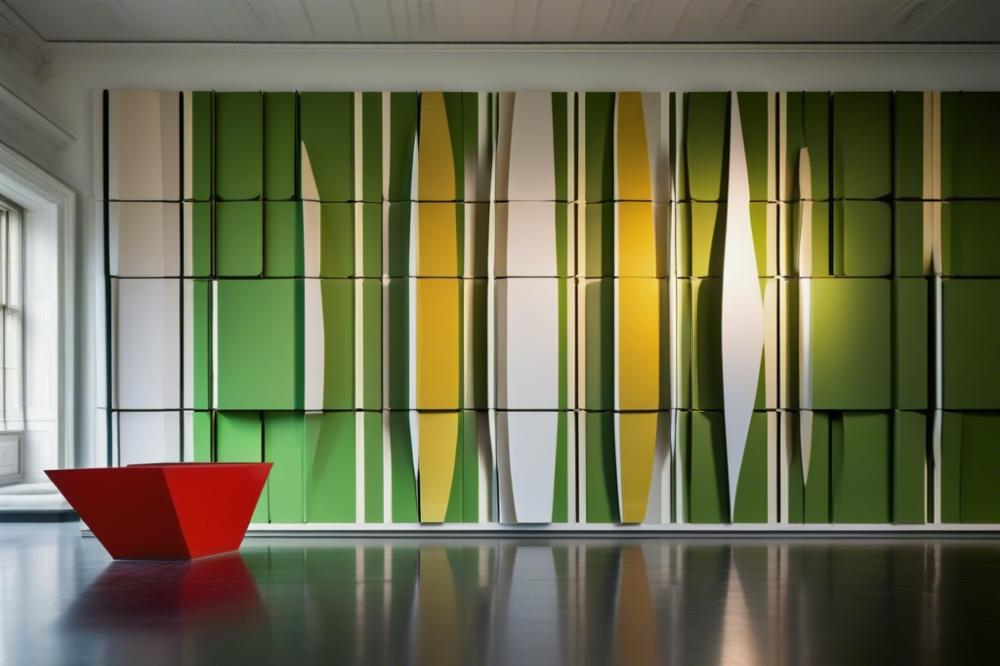
Lucio Fontana stands out as a significant figure in modern art. His contributions have reshaped how we understand space and form. The Italian artist played a crucial role in the avant-garde movement, challenging traditional art boundaries. His concept of Spatial Sculpture transformed the viewer’s experience. This idea revolutionized how artists engage with visual perception.
Spatial concepts are vital to understanding Fontana’s work. They expand the definition of sculpture beyond mere physical objects. Instead, his art invites viewers to explore the interplay between interior space and the external environment. This approach is especially relevant in the context of Italian art, where the historical focus has often been on classical representation.
Fontana’s innovative techniques, such as the slashed canvas, ushered in a new era of artistic innovation. By cutting through the surface, he created a dialogue between two-dimensional and three-dimensional art. This bold move forced audiences to confront the limitations of conventional painting. Every slash in the canvas became a gateway to a new realm of possibilities. His art urges reflection on how space interacts with form and color.
Through these groundbreaking methods, Fontana enabled a deeper understanding of art. His Spatial Sculpture not only breaks physical norms but also invites emotional responses. By reimagining the role of sculpture, he has left a lasting impact on contemporary art practices. The era of avant-garde art owes much to his visionary ideas. Whether through a canvas, a wall, or an installation, his legacy encourages us to perceive art differently.
Lucio Fontana: Life and Artistic Journey
Born in 1899 in Argentina, Lucio Fontana moved to Italy at a young age. He grew up in a family immersed in the world of art. His father was a sculptor, which influenced Fontana’s fascination with artistic forms from an early age. This connection to art continued to develop throughout his life, shaping his unique vision.
Key events in his life played a significant role in forming his artistic journey. After serving in World War II, Fontana returned to Milan, where the devastation of the war drew his attention to new ideas about space and art. This period pushed him to reconsider traditional forms and explore innovative methods. The destruction around him sparked a desire to break free from conventional boundaries.
In the early years, he experimented with sculpture and ceramics, using materials like clay and plaster. These initial works contained hints of the spatial concepts he would later fully embrace. His passion for the avant-garde movements influenced his shift towards modern art. This transition revealed a growing interest in the interaction between art and interior space.
As Fontana evolved, he introduced slashed canvases to his repertoire. Each cut became a metaphorical door into another dimension of his work. This technique challenged viewers’ visual perception and encouraged them to engage with the art differently. By slicing through the canvas, he created openings that invited people to see both the front and the back of the artwork.
Fontana’s belief in three-dimensional art marked a revolutionary moment in Italian art. He rejected the flatness that characterized much of traditional painting. Instead, he sought to create a dialogue between the canvas and the viewer’s space. This radical approach not only defined his legacy but also influenced countless artists. His artistic innovation paved the way for future exploration in art that transcended physical boundaries.
Overall, his journey reveals the profound connection between his life experiences and his artistic vision. Fontana’s desire to explore spatial relationships transformed how people understand and interact with art. Through his evolution, he created a lasting impact that continues to inspire artists today.
The Concept of Spatial Sculpture
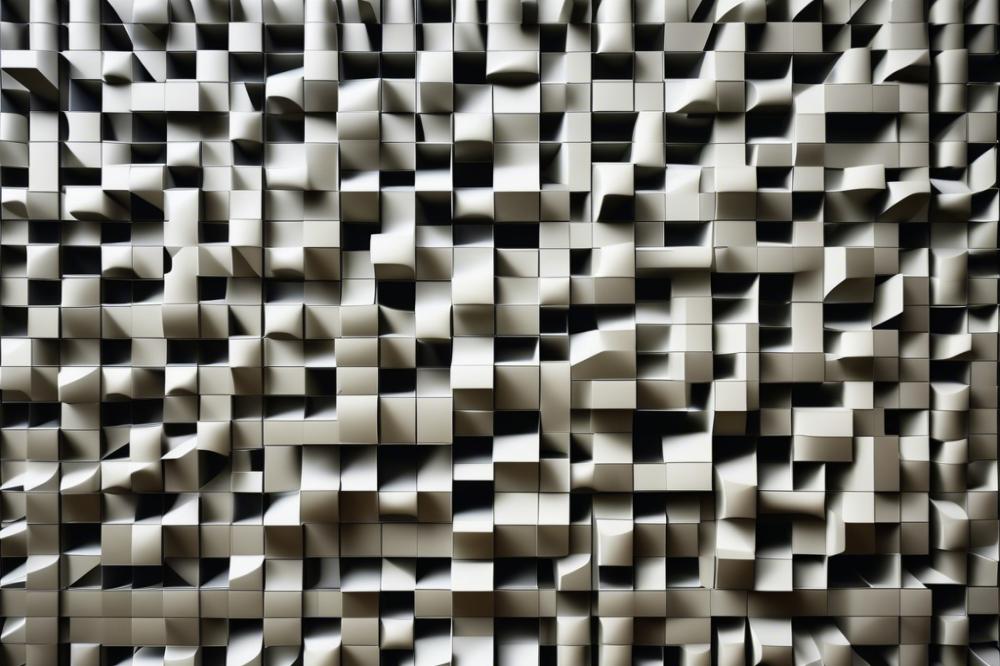
Spatial sculpture, in the realm of Lucio Fontana’s work, represents a transformative idea in modern art. It seeks to break away from traditional boundaries that typically confine sculpture to solid forms. In this approach, artists integrate interior space, allowing the artwork to coexist with the surroundings. Fontana’s method introduced viewers to a fresh understanding of space and form.
His famous slashed canvas exemplifies this artistic innovation. Instead of merely presenting a flat surface, it invites the onlooker into a dialogue between the artwork and its environment. The cuts in the canvas imply depth and an opening into an unseen realm. This technique is a testament to Fontana’s ability to dissolve the limits of two-dimensional art.
Examining Fontana’s work reveals much about visual perception and spatial concepts. Each piece engages viewers, encouraging them to consider not just what is in front of them but what lies beyond. It prompts a deeper exploration of form and space that transcends conventional expectations. Through this lens, his art challenges us to rethink how we interact with our surroundings.
Fontana stands at the forefront of avant-garde Italian art. He reshaped the definition of sculpture by embracing three-dimensional art that interacts with air and light. The essence of his creation lies in its invitation to explore the voids and surfaces that traditional art forms often overlook. By focusing on this relationship, he opens new avenues for understanding art in a spatial context.
Techniques and Innovations
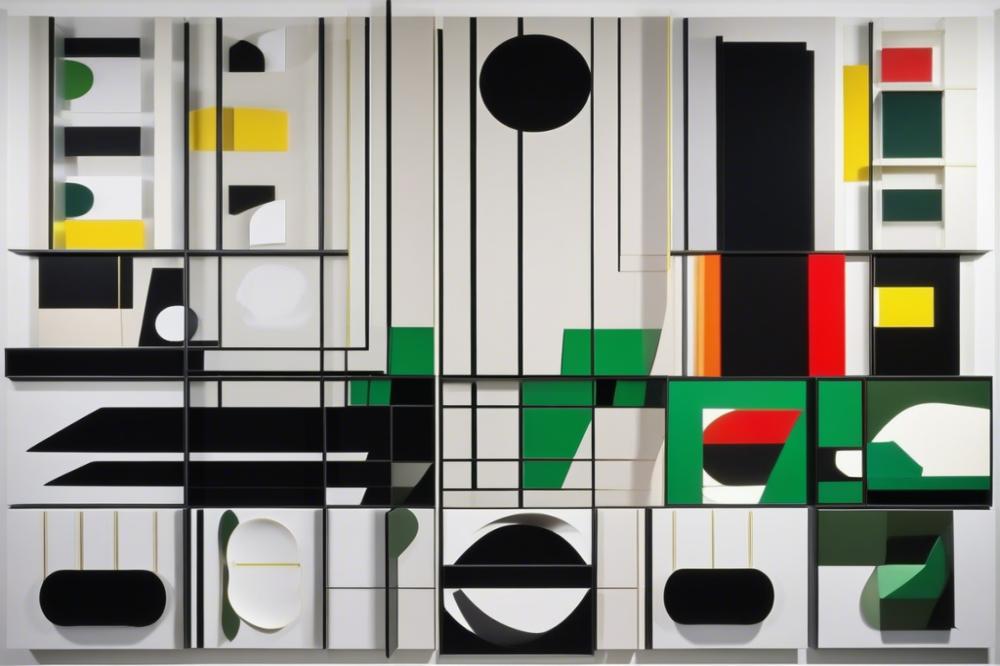
Fontana’s approach to art transformed traditional practices in exciting ways. One of his most famous techniques involves creating slashed canvas. These deliberate cuts open up the artwork, allowing viewers to see through to an interior space that challenges their visual perception. Each slash forces us to consider what lies beyond the painted surface, inviting a conversation about depth and dimension.
These innovations mark a significant shift towards modern art. Artists before him typically constrained their work to two dimensions. In contrast, his techniques introduce spatial concepts that blur the line between painting and sculpture. This is not merely a new method; it’s a new way of thinking about art itself. The slashed canvas serves as a bridge, connecting the two-dimensional world with three-dimensional art.
Artistic innovation is critical in expanding the boundaries of sculpture. By pushing beyond conventional limits, Fontana engages the viewer’s imagination. His avant-garde style leads to an experience that compels viewers to think critically. Rather than just admire an object, people must interact with the artwork in their minds.
The impact of this work stretches within Italian art and beyond. Each piece holds a unique narrative that speaks to both time and place. His pieces encourage dialogue not just about the physical aspects, but also their emotional background. In doing so, Fontana elevates art into a realm of exploration where traditional boundaries dissolve.
Consider the significance of these artworks. They reshape how we view sculpture in contemporary settings. Instead of being something to observe from a distance, they become a part of our reality. Thus, Fontana challenges audiences to rethink their relationship with art itself. This ongoing conversation between the artwork and the viewer is what makes his approach truly revolutionary.
Lucio Fontana and the Avant-Garde Movement
Context plays a significant role in understanding Fontana’s relationship with the avant-garde movement in the 20th century. This was a time of rapid change in art, where boundaries were pushed and new ideas flourished. As a prominent figure in modern art, he changed how people viewed traditional sculpture and painting. His bold techniques transformed the visual perception of these mediums.
Instead of sticking to classic forms, Fontana experimented with slashed canvas, creating openings that invited viewers to look beyond the surface. These cuts led to questions about what art could be. While many artists were focused on flatness and surface, he embraced the idea of interior space. This revolutionary thinking set him apart from his contemporaries, making him a pivotal influence in Italian art.
His artistic innovation extended into the realm of three-dimensional art. By emphasizing spatial concepts, he challenged the norms that defined sculpture. Traditional practices were no longer enough; art needed to engage with viewers on multiple levels. Fontana’s work prompted a deeper engagement with both the object and the space around it. He believed that art should disrupt conventions, and he did just that.
Many contemporary artists find inspiration in his approach. Movements such as Minimalism and even contemporary installation art draw from his ideas of space and simplicity. His techniques invite artists today to explore their materials and the environment surrounding them. Each piece becomes an experience rather than just an object to observe. This shift in focus resonates with a new generation, encouraging exploration and experimentation.
The impact of Fontana’s philosophy remains profound. He altered perceptions of art, not just for his audience but for future artists. Each slash and cut was a challenge to norms and expectations. The avant-garde spirit thrives through his legacy, continuously influencing the trajectory of modern artistic expression.
Legacy and Influence
The impact of Lucio Fontana on modern art and three-dimensional art remains profound. His innovative approach transformed how artists view and create space. By introducing concepts like the slashed canvas, he pushed boundaries in the artistic realm. Fontana’s vision extended well beyond mere paint on a flat surface. He invited viewers to consider interior space and how it relates to the art itself.
A key aspect of his influence lies in the way he shaped Italian art. His avant-garde techniques inspired many movements and artists that followed. Fontana’s work created pathways for new artistic explorations, laying the groundwork for future talents. As a pioneer, he challenged standard practices and helped redefine what sculpture could mean. Artists today gaze upon his contributions with admiration and recognition.
The spatial concepts he employed continue to resonate across various mediums. Current artists draw from his pioneering ideas, merging dimensions in fresh, exciting ways. His focus on visual perception also prompts conversations about the relationship between the viewer and the artwork. By breaking down barriers between painting and sculpture, he blurred lines that once seemed distinct.
Moreover, the dialogue he initiated about the essence of art remains critical. Many modern creators grapple with similar questions regarding form and function. This conversation moves beyond aesthetics, touching on deeper meanings and cultural relevance. Fontana’s work serves as a foundational model for exploring these ideas in varied artistic practices today. In that sense, he not only influenced Italian art but opened up a global conversation about creativity.
Final Thoughts
Redefining spatial sculpture has been a significant achievement of this particular artist. His approach transformed not only how space is perceived in art but also how it interacts with the viewer. By cutting through canvases and exploring depth, he invited audiences to consider the dimension of interior space. His work challenges traditional boundaries and encourages a contemplation of what lies beyond the surface.
Ongoing relevance exists in his innovations, which resonate deeply within modern art. Artists today face a world shaped by Fontana’s vision. Many contemporary creators strive to break similar barriers, pushing the limits of their mediums. This legacy continues to inspire those who view art as a dynamic conversation between the object and the observer.
Art possesses the power to evoke emotions and thoughts. Through his unique techniques, he broadened this experience, prompting viewers to engage with the very essence of creation. Reflecting on his influence reveals a rich landscape where boundaries blur, ever prompting us to explore further. In a world continuously evolving, his contributions maintain their significance, inviting new interpretations and discussions. Whether you are an artist or an admirer, there is much to glean from his innovative spirit.

