
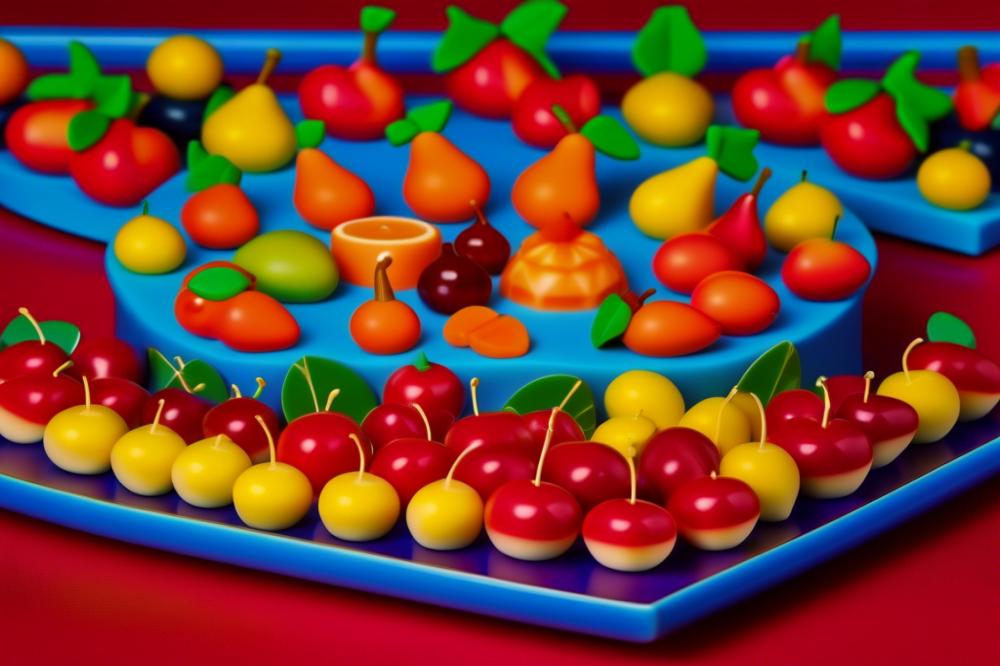
Chocolate-kiss”>Marzipan fruits: The Artistic Side of Italian Confectionery
Italian Confectionery holds a cherished place in the world of sweets. Each region boasts its own charming specialties, and desserts often tell stories of culture and tradition. One ingredient that shines in this landscape is almond paste. This sweet mixture has been a part of traditional recipes for centuries, displaying both flavor and versatility.
Chocolate-kiss”>Marzipan, with its smooth texture and sweet taste, plays a key role in many of these confections. Skilled artisans mold this paste into vibrant shapes, capturing the essence of fruits and other delightful figures. These creations are not just treats; they represent a form of food art that combines flavor and artistry in a unique way.
Creating marzipan fruits requires a high level of craftsmanship. Each piece is a labor of love, reflecting the dedication of the confectioner. The colors, details, and overall presentation showcase the skill involved in making these decorative confections. It is this attention to detail that elevates simple sweets into breathtaking edible artwork.
As we explore the world of these marzipan fruits, we come to appreciate the blend of culinary tradition and innovative designs. From festive occasions to everyday celebrations, these artistic desserts add a touch of joy to any table. The artistry behind each handmade piece invites us to indulge not just in flavor, but in the beauty of Italian sweets.
The History and Tradition of Marzipan
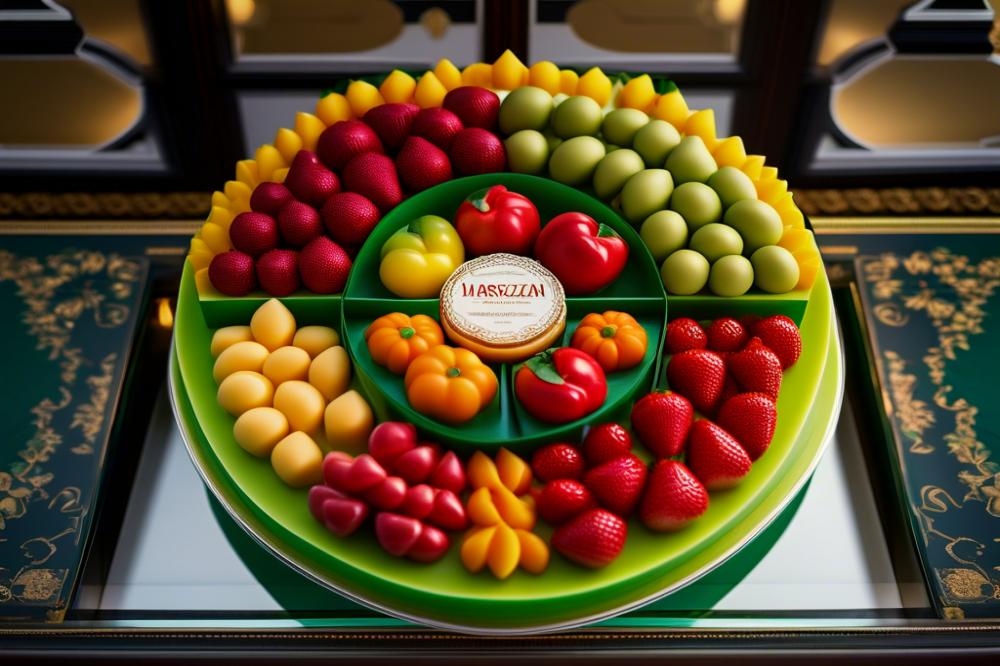
The origins of marzipan in Italy date back to the Middle Ages. Historical accounts suggest that it first appeared in Sicily. The use of almond paste as a sweet treat quickly spread throughout the Italian peninsula. Sugar became more readily available, which helped this delicacy evolve into the colorful fruits loved today.
Traditional recipes play a significant role in crafting these decorative confections. Families often pass down methods for creating almond paste from generation to generation. Making fruits from this paste requires skillful hands and a deep understanding of the craft. Various regions have their unique ways of shaping and flavoring these sweets.
Marzipan and Italian Celebrations
Culturally, almond-based sweets hold a special place in Italian celebrations. Festivities, such as weddings and holidays, often feature these delightful desserts. During Easter, for example, marzipan fruits are often presented as gifts. They symbolize abundance and joy, enhancing the celebratory atmosphere.
Food art is a vital part of Italy’s culinary identity. Many towns host fairs showcasing artisans who spend hours meticulously crafting these treats. Visitors often watch as skilled creators transform simple almond paste into astonishingly lifelike fruits. Appreciating these small pieces of art brings people together, highlighting the craftsmanship involved.
Regional Specialties
The connection between marzipan and regional specialties is evident across Italy. In Sicily, marzipan takes center stage during the Feast of Saint Agatha. Here, intricate shapes of fruits and vegetables are made to honor the occasion. In contrast, in Naples, you might find classic marzipan fruits shaped into beautiful displays, complete with vivid colors.
Different areas have their own distinct flavors and shapes. In some regions, additional ingredients like chocolate or citrus zest enhance the almond base. This versatility showcases the creativity of Italian sweets and reflects local traditions. Exploring these regional variations reveals how much each area values its dessert traditions.
Marzipan Fruits: A Celebration of Artistry
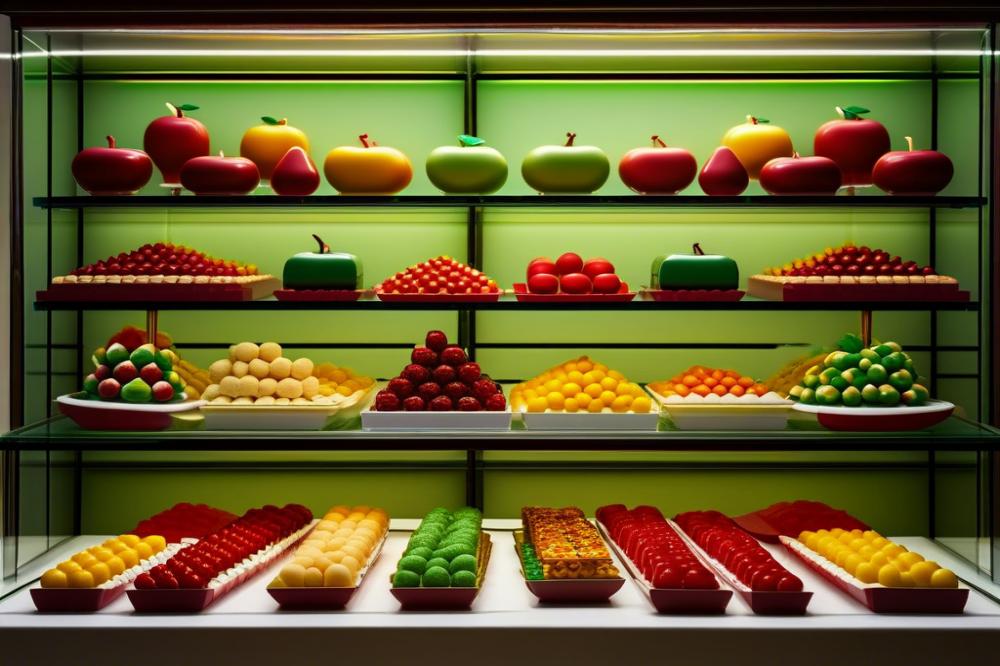
Marzipan fruits are captivating decorative confections that highlight the rich tradition of Italian sweets. These creations are not just tasty desserts; they are pieces of food art that showcase incredible craftsmanship. Each piece is shaped and colored to resemble real fruits, making them both delicious and beautiful.
Techniques for crafting these lifelike fruit shapes often involve skill and patience. Artists begin with almond paste, a mixture of ground almonds and sugar. This paste serves as the foundation for creating an array of fruits. Next, they carefully mold the paste into the desired shapes. Colors are achieved by using edible dyes, which help to mimic the vibrant hues found in nature. The attention to detail is astounding, with artists often adding tiny imperfections to enhance realism.
The artistic process behind these confections is fascinating. It starts by preparing the almond paste, which requires precision to achieve the right texture. Once the base is ready, the true creativity shines. Artists use tools and techniques that have been passed down through traditional recipes. Hands sculpt the paste, transforming it into familiar fruits like apples, pears, and oranges. Adding color can take this art form to a new level. Layers of paint are applied meticulously to achieve varied shades and highlights.
Many popular marzipan fruits can often be found in Italian sweets. Guests at celebrations might enjoy vibrant miniature strawberries or richly colored figs. Local artisans often showcase their craftsmanship by creating banana-shaped treats and realistic cherries. Each of these delicacies represents a blend of culinary skill and artistic vision, ensuring that every sweet becomes a feast for both the eyes and the palate.
Craftsmanship in Marzipan Production
Creating marzipan requires skill and a deep understanding of traditional recipes. The process begins with high-quality almond paste, which forms the base of these delicious treats. Next, confectioners mix in sugar and a few other ingredients. This mixture becomes the canvas for artistry. Many artisans use their hands to mold and shape it into eye-catching fruits or other sweets.
Attention to detail is vital in producing high-quality confections. Every element, from color to texture, must be just right. Painstaking methods are often used to achieve lifelike appearances. For example, some artisans employ edible dyes and various tools to add intricate designs. This level of craftsmanship separates exceptional desserts from mass-produced options.
Profiles of Renowned Italian Confectioners
Italy is home to several renowned confectioners who excel in food art. One such name is Pellegrino Artusi, who revolutionized Italian sweets in the late 19th century. His creative approach emphasized the marriage of flavor and beauty, influencing future generations. Contemporary masters like Giovanni Righi honor this legacy by creating remarkably detailed marzipan figures. Righi’s signature style often features shimmering finishes that mimic the natural gloss of real fruits.
Another notable craftsman is Antonella Bianchi. She specializes in seasonal items, reflecting the bounty of Italy’s markets. Bianchi’s approach highlights local ingredients and traditional methods, making her products a celebration of regional flavors. Her dedication to craftsmanship ensures that each piece is not only a dessert but also a work of art.
Commercial vs. Artisanal Marzipan
When comparing commercial options to artisanal products, the differences become clear. Mass-produced marzipan often lacks the complexity found in artisanal varieties. Commercial sweets typically focus on efficiency and volume rather than creativity. This results in uniform shapes and bland flavors, devoid of personal touch. On the other hand, artisan-crafted treats boast a variety of textures and unique designs. Each confection tells a story, reflecting the maker’s passion and dedication.
While commercial confections may be more accessible, the experience of tasting hand-made sweets is unparalleled. The flavors tend to be richer, and the presentations are far more engaging. True connoisseurs appreciate the difference and often seek out these decorative confections to enhance celebrations or simply to indulge. The world of artisanal marzipan continues to thrive. It captivates those who value the beauty of craftsmanship in their food.
Marzipan in Modern Italian Desserts
Modern pastry chefs are reinventing Italian sweets by exploring new ways to use almond paste. Fresh creativity mixes with age-old methods, bringing exciting flavors to traditional recipes. This combination leads to innovative desserts that capture attention, both visually and tastefully.
Food art has taken center stage in many dessert shops across Italy. Chefs now craft intricate designs that resemble real fruits. These decorative confections not only look good, but they also deliver unique tastes. The artistry involved in these sweets showcases remarkable craftsmanship. As a result, marzipan has become a favorite choice for creating stunning dessert displays.
Festive seasons often spark a flurry of dessert innovation. Many Italian celebrations feature these sweet creations at their tables. During holidays, the use of marzipan adds a personal touch to desserts. Chefs incorporate it into novelties like cakes and pastries, ensuring that these treats stand out. Seasonal desserts often blend classic flavors with contemporary twists. The goal is to surprise and delight everyone who tries them.
Among dessert enthusiasts, almond paste has gained popularity for its versatility. Chefs appreciate its ability to enhance various flavors while maintaining a distinct character. Many enjoy exploring how it can complement fruits in unexpected ways. This exploration reveals a new dimension of texture and flavor, appealing to diverse tastes. As more people discover its charms, marzipan continues to inspire and invigorate the world of desserts.
Reflecting on the Artistic Legacy
Marzipan fruits hold a special place in Italian confectionery. These delightful sweets showcase incredible craftsmanship and creativity. Each piece is a testament to the skill of artisans who transform humble ingredients into edible art. This tradition is not only about taste but also about cultural expression. Local festivals and celebrations often feature these artistic creations, highlighting their importance in Italian life.
The appeal of these confections is enduring. People of all ages continue to be enchanted by their vibrant colors and realistic shapes. They evoke a sense of nostalgia for many, reminding them of family gatherings and festive occasions. As culinary trends evolve, the charm of handcrafted marzipan fruits remains steadfast. There’s something magical about biting into a pear that looks almost real, with a surprise of sweet flavor hidden inside.
Exploring this intricate art form can be truly rewarding. Visiting artisan bakeries or attending workshops offers a glimpse into this fascinating world. Appreciating such craftsmanship enhances your understanding of confectionery, bridging the gap between food and art. So, next time you come across these beautiful fruits, take a moment to admire the artistry behind them. Enjoy not just the taste but the story they tell.

