
Introduction
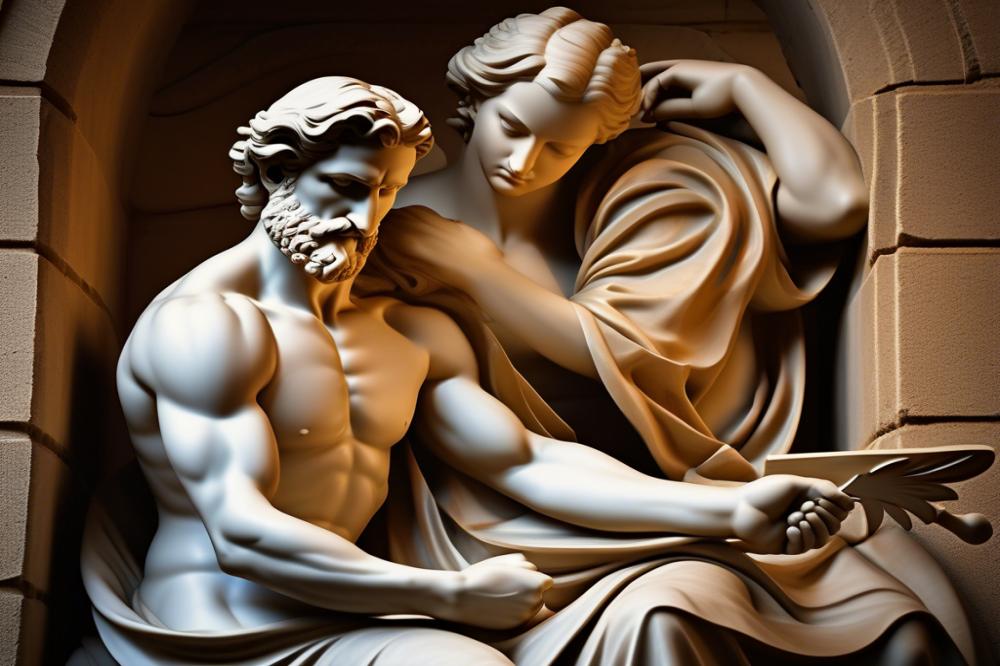
During the Renaissance, a period known for its remarkable revival of art and culture, one figure stands out for his incredible contributions: Michelangelo. This era was characterized by a rebirth of classical learning and the exploration of human creativity. Artists sought to capture the human experience in both form and color. Within this vibrant context, Michelangelo’s artistry reshaped the landscape of Italian art.
He is celebrated for his dual mastery in sculpture and painting, which shows his unparalleled skill in both mediums. When standing before the towering David carved from exquisite Carrara marble, one can sense the lifelike detail and emotion preserved in stone. Similarly, the breathtaking frescoes of the Sistine Chapel display his flair for color and composition, captivating viewers with their profound narrative and divine themes. Each masterpiece reflects an intense dedication to craft and an innovative spirit, propelling Artistic Techniques to new heights.
His influence on art is immeasurable. Countless artists have drawn inspiration from his work throughout the centuries. The strong lines and dramatic poses in his sculptures created a sense of movement rarely seen before. paintings like The Creation of Adam continue to inspire wonder and awe. Michelangelo’s legacy lives on, intertwining his genius with the essence of Renaissance thought. His contributions not only defined a generation but also established a foundation for future artists to build upon.
Michelangelo: The Master of Sculpture

When we think of the greats in sculpture, one name often stands at the forefront. The masterful approach to carving found in every piece showcases an incredible understanding of both form and material. His ability to breathe life into Carrara marble remains unmatched. The meticulous process involved reflects a deep commitment to artistry. Each cut resonates with passion and precision.
Techniques in working with Carrara marble highlight his skill. This fine white stone was the chosen medium due to its fine grain and ability to hold detail. A sculptor must carefully choose their tools. Chisels and hammers play a vital role in transforming rough blocks into exquisite forms. The artist would often spend hours studying the stone before making the first cut. Patience and determination are essential traits in this delicate craft.
Iconic masterpieces like David and the Pietà illustrate his exceptional vision. David stands as a symbol of strength and human potential. Every detail, from the veins in his hands to the expression on his face, captures a moment in time. Meanwhile, the Pietà evokes deep feelings of sorrow and peaceful acceptance. The tender portrayal of Mary cradling Jesus speaks volumes through its intricate details. Such pieces continue to influence artists, inspiring generations with their beauty.
Exploring artistry in three-dimensional forms reveals the depths of creativity involved. The Renaissance period sparked a revolution in how art was perceived. Artists began to explore human emotion, anatomy, and expression in unprecedented ways. This shift allowed for richer narratives in visual forms. Each sculpture tells a story, evoking responses through mere stone. The fervent dedication to mastering the craft set a new standard in the art world.
The Painter’s Chisel: Michelangelo as a Fresco Artist
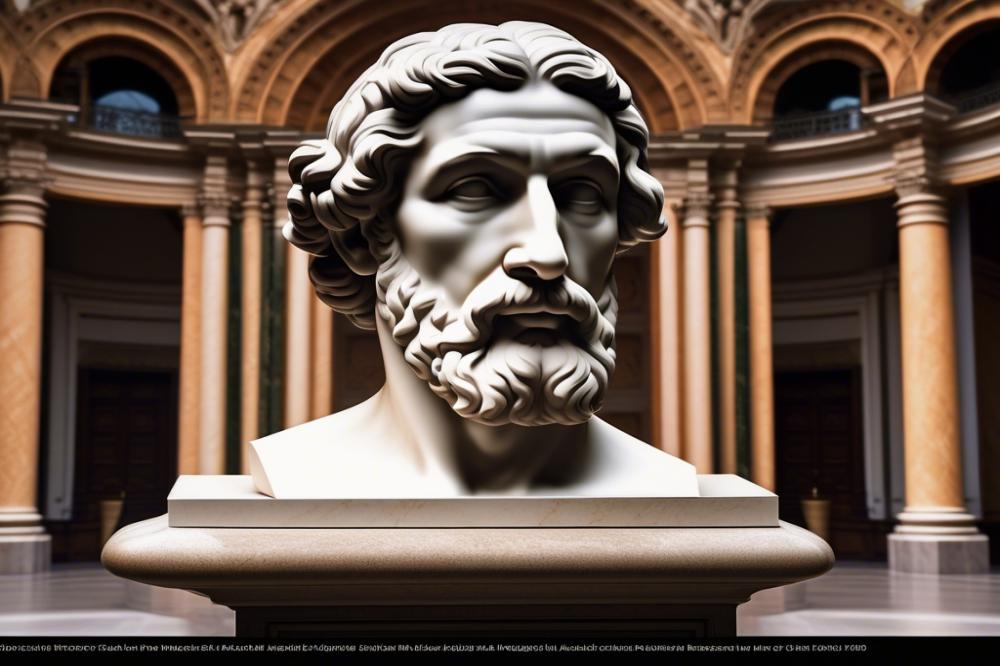
The Italian master is renowned for his talent in both sculpture and painting. His fresco techniques represent a significant achievement in Renaissance artistry. Notably, the Sistine Chapel ceiling stands as a stunning example of his brilliance. Here, he employed vibrant colors and grand themes to depict biblical stories.
Using a unique method, Michelangelo created expressive figures that evoke emotion. His understanding of human anatomy allowed him to craft flowing forms that seem to leap off the ceiling. This mastery over the fresco medium showcases his creativity and skill. The details are breathtaking, drawing admirers from around the globe.
Another key work, The Last Judgment, executed on the altar wall of the same chapel, further highlights his impact. This monumental fresco captures the complexity of judgment day with dynamic composition and intricate figures. It reveals not only his artistic ability but also a deep theological understanding, painting a scene that resonates with viewers.
The interplay between sculpture and painting is fascinating. Michelangelo viewed these arts as closely connected. His background in carving Carrara marble informed his painting techniques. The three-dimensional shapes in his frescoes reflect a sculptor’s eye, creating a sense of volume and depth rarely seen in flat art.
This relationship influenced other artists during the Renaissance. They sought to emulate his innovative approach, pushing the boundaries of what painting could achieve. As a result, many masterpieces emerged that celebrated the human form and spirit, forever changing the landscape of Western art.
Influence on Later Generations
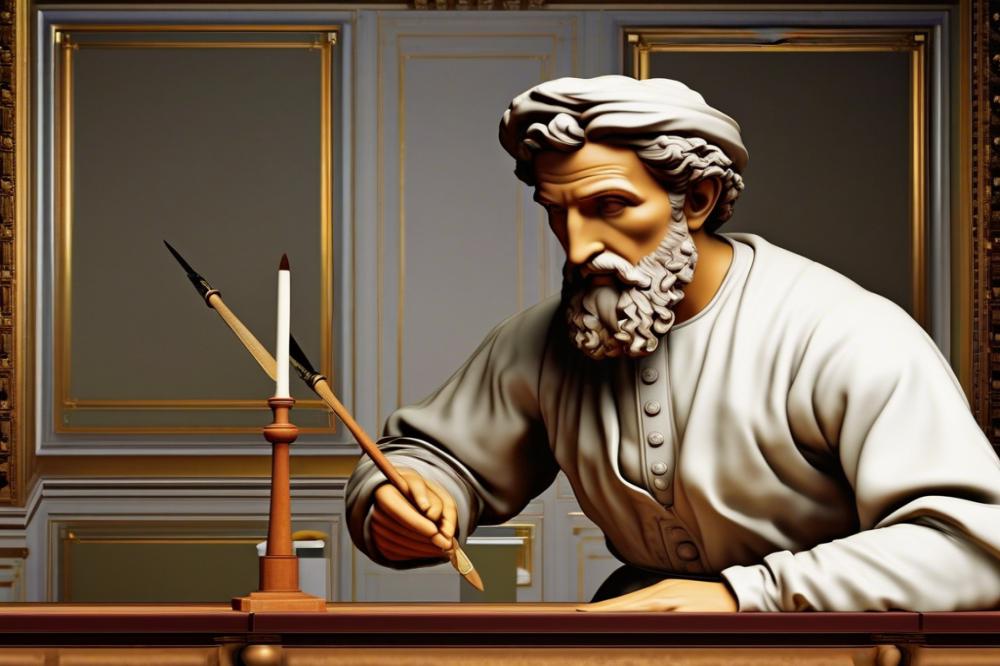
The impact of Michelangelo on future artists is profound and undeniable. He shaped the very essence of artistry during the Renaissance. His ability to blend painting and sculpture brought forth masterpieces that set new standards. Many artists who followed him sought to emulate his mastery of form and emotion.
Baroque art found its roots in the techniques Michelangelo perfected. The dramatic expressions and dynamic forms in his works inspired later generations to explore deeper emotional connections through their own art. Colors became more vibrant, and compositions took on a sense of movement. Artists learned to channel the strength of muscular figures and flowing drapery that he excelled at. Fresco techniques he developed enhanced the visual storytelling in art, influencing countless murals in churches and public buildings.
Many modern artists also draw inspiration from his work. The likes of Henry Moore and Alberto Giacometti have acknowledged the sculptor’s mastery. Their sculptures resonate with the same sense of human experience and emotion found in the masterpieces of the past. Even contemporary painters reflect his themes of the human condition, incorporating techniques that echo his creativity. Carrara marble remains popular among sculptors who want to capture the same ethereal quality present in Michelangelo’s pieces.
This lasting influence speaks to the power of artistic expression. Generations continue to study his methods, seeking to understand what made his work so compelling. New approaches to art often harken back to his intellect and skill. Michelangelo’s legacy is not just in the art he produced but in the innovation he sparked in others, ensuring that the spirit of creativity endures.
Michelangelo’s Legacy in Italian Art
His impact on Italian art is undeniable. Masterpieces like the Statue of David and the Sistine Chapel frescoes have left a permanent mark on the world of creativity. Artistry during the Renaissance flourished due to his remarkable achievements. His ability to blend sculpture and painting pushed boundaries in ways few can imagine.
Visitors to Italy often seek out his works, which continue to captivate audiences. Watching a statue carved from Carrara marble come to life is a profound experience. Each detail showcases the mastery behind his techniques. Those who stand before these pieces feel a connection to the past, to a time of incredible innovation.
Influence reaches far beyond Italy. Artists across the globe cite him as an inspiration. His approach to form and space reshaped how we think about both discipline and imagination in art. The passion in his work speaks to the human experience, making his creations relatable, no matter the era.
Preserving these artworks is crucial for future generations. Each sculpture and fresco provides a glimpse into the artistic values of the Renaissance. They tell stories of ambition, struggle, and triumph. By safeguarding his legacy, we not only honor the artist but also the cultural heritage that shapes our understanding of art.
Studying his teachings remains vital today. Courses on his methods fill many art schools, revealing the depth of his influence. Young artists learn to appreciate the beauty of craftsmanship, much like he did. This transmission of knowledge helps foster a new wave of creativity inspired by the past.
In a world that constantly changes, his masterpieces stand as eternal touchstones. They encourage explorations of beauty and complexity. Highly regarded as a genius, he challenged conventional norms and opened doors to fresh perspectives on artistry. Future artists can draw from his work, allowing his spirit to live on through their creations.
Final Thoughts on Michelangelo’s Legacy
Michelangelo’s extraordinary contributions to art, both as a sculptor and a painter, are nothing short of remarkable. His ability to breathe life into marble and transform canvas into vibrant emotion reflects his unparalleled talent. The sculptures he created, such as David, showcase not only technical mastery but also deep human emotion. Likewise, the frescoes in the Sistine Chapel reveal a profound understanding of form, color, and light. Each piece tells a story that transcends time and continues to resonate with viewers.
Understanding his work is essential for grasping the evolution of art itself. His innovative techniques and intense focus on human anatomy set the foundation for future artists. Generations that followed have drawn inspiration from his approach to creativity. This influence can be seen in countless works across different mediums. The art world owes much to this master’s vision.
Appreciating Michelangelo’s masterpieces is vital. Each artwork offers a glimpse into not only his genius but also the cultural shifts of his time. Studying these works allows us to connect with history and understand the essence of creativity. In a world where art often feels overlooked, it’s important to reflect on why we celebrate figures like him. Engaging with his legacy nurtures our appreciation for art and encourages deeper thought about our own expressions.
In summary, Michelangelo’s impact remains incredibly strong in the realms of sculpture and painting. His creations invite us to explore our humanity and inspire us to embrace creativity. Let us take the time to appreciate his masterpieces—they are not just significant relics; they are essential keys to understanding the rich history of art itself.

