
Naval Tactics and Ship Maneuvering in Ancient Roman Warfare
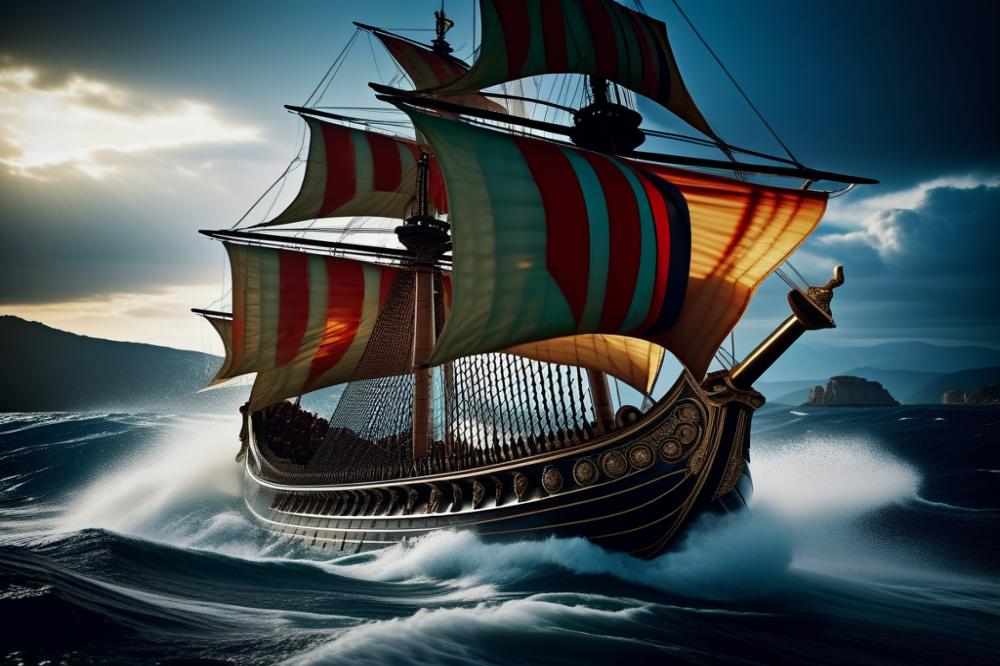
The might of naval power in ancient Rome was not just about wooden ships and skilled sailors. It represented a fundamental aspect of military strategy that determined the outcomes of numerous conflicts. Rome’s expansion across the Mediterranean was greatly supported by its naval capabilities. Control over the seas allowed for the transportation of troops, supplies, and information, influencing battles far beyond the shores.
Naval tactics were intricate and required a deep understanding of sea conditions. Ships had to navigate through various terrains, often facing treacherous winds and unpredictable waves. In many instances, the choice of tactics could turn the tide of battle. For example, during the Punic Wars, the Romans adapted their strategies to counteract the naval prowess of Carthage. They developed new technologies and methods that enhanced their capabilities, including the famous corvus, a boarding device that allowed for hand-to-hand combat on enemy vessels.
Ship maneuvering became crucial during engagements at sea. The ability to outmaneuver an opponent often meant the difference between victory and defeat. Roman commanders needed to make quick judgments based on their ships’ speed, the weight of their cargo, and their distance from the enemy. Additionally, formations played a vital role. By arranging ships in a line or a crescent, commanders were better able to trap enemy vessels and maximize their firepower.
In essence, understanding the sea was as vital as knowing land warfare. The successful Roman fleet showcased the strength of their ships and the wisdom of their leaders. This ability to harness naval might allowed them to dominate maritime routes and protect their rising empire. With every battle fought on water, Rome developed its naval strategy further, illustrating just how essential it was for their military triumphs.
For those interested in exploring more about the maritime challenges faced by ancient civilizations, #anchor_text_1# offers great insights. Meanwhile, scholars looking into naval warfare strategies can find more detailed discussions in #anchor_text_2#.
The Roman Navy: Structure and Composition
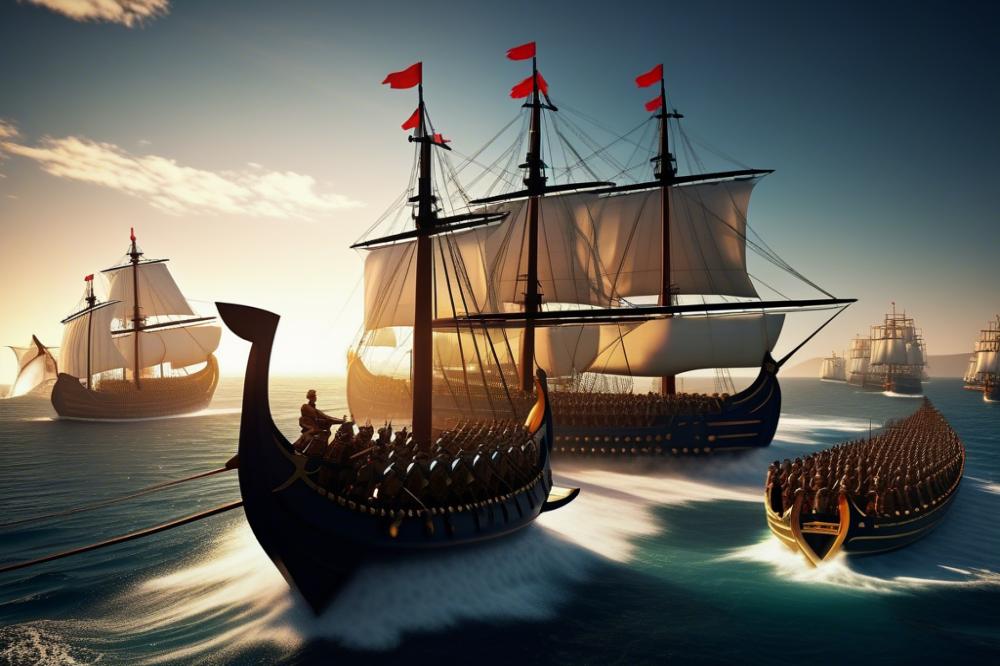
The Roman naval fleet played an essential role in the power of Rome. It was not just a collection of ships, but a sophisticated system designed for warfare and control of the seas. At its core, the navy consisted of various vessels that were built for speed and maneuverability.
Among the most feared vessels were the triremes. These agile ships featured three rows of oars on each side. The design allowed for rapid movement, making it easier to outpace enemy fleets. Quinqueremes were another prominent type. These ships had five rows of oars and could carry more men and supplies. Their larger size made them effective for both battle and transport.
Organization within the navy was crucial. The fleet had a command structure to coordinate naval operations. Officers known as duces or praefecti led ships into battle and managed their crews. Sailors were skilled in navigation and rowing, vital for successful missions. A well-trained crew could mean the difference between victory and defeat.
Marines also played a significant role in Roman naval tactics. These soldiers were specially trained for combat on water. When a naval vessel approached an enemy ship, the marines would board and engage in hand-to-hand fighting. Their presence elevated the effectiveness of naval assaults.
This fleet was not just about combat. Supply and support vessels were equally necessary for maintaining the Roman presence on the seas. They ensured that troops had the resources they needed for extended campaigns. Together, these elements formed a complex network that sustained Rome’s military endeavors.
The Roman navy, with its diverse ships and trained personnel, demonstrated the might of the republic. Without a strong naval force, the control of trade routes and coastal regions would have been nearly impossible. The structure and composition of this maritime power played a prominent role in the overall strategy of Roman warfare.
Historical Context of Roman Naval Warfare
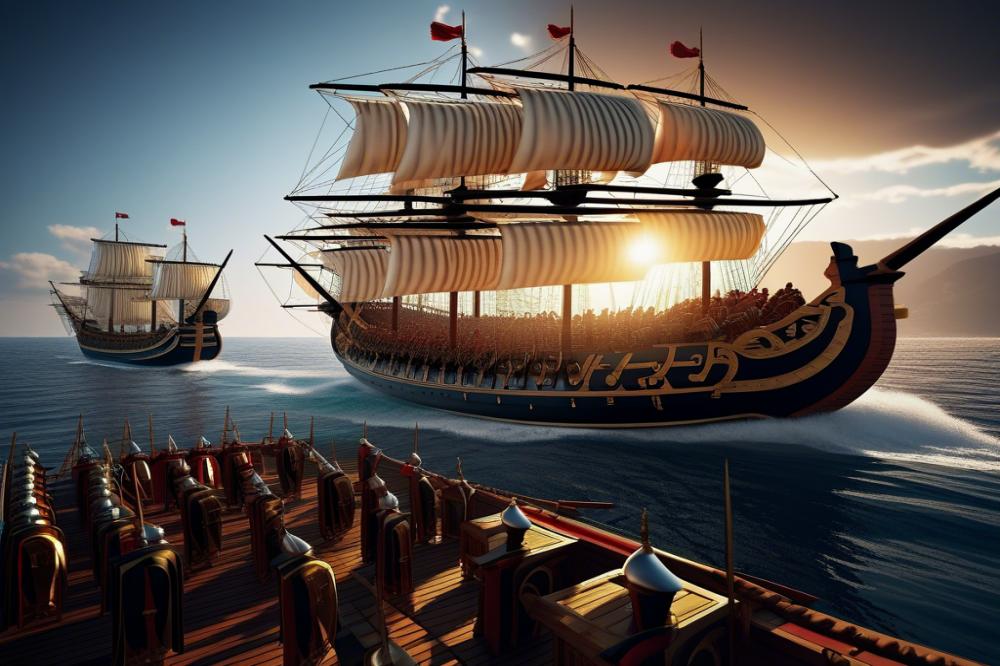
Naval warfare in ancient Rome was more complex than many people realize. While the Romans are often celebrated for their military might on land, their dominance at sea was equally crucial. The key to understanding this lies in the Punic Wars, a series of conflicts between Rome and Carthage. These wars, spanning from 264 to 146 BCE, showcased the critical importance of naval supremacy. Controlling the Mediterranean Sea became essential for trade routes and military strategy.
Originally, the Roman navy was somewhat underdeveloped. The Romans relied on their allies’ ships and had little experience in seafaring. This changed dramatically during the First Punic War. To compete, they built a fleet equipped with a device known as the corvus. This boarding bridge turned naval battles into more familiar land battles. With this invention, Romans could board enemy ships and fight hand-to-hand. Clearly, it marked an evolution in naval tactics.
During these conflicts, the Roman fleet faced significant challenges. Carthaginian naval prowess was formidable. However, as the wars progressed, Roman shipbuilding techniques improved rapidly. The Romans began to construct larger and sturdier vessels. They adapted their ships to carry more troops and supplies. This move provided them with greater logistical support during engagements.
Subsequent naval encounters changed how Roman commanders strategized. They learned to utilize the weather and currents to their advantage. Knowledge of local geography became crucial in planning attacks. The Battle of Mylae in 260 BCE stood out as a pivotal moment. Here, Roman forces won a decisive victory, signaling their emergence as a dominant naval power. Over time, the Romans also adopted tactics from their adversaries, further enhancing their capabilities.
Moreover, the significance of naval warfare did not diminish after the Punic Wars. As the Republic transformed into the Empire, control over the Mediterranean became more vital than ever. Trade flourished, and the Romans needed to protect their merchant fleets. This necessity led to the continued development of naval tactics, fostering a more formidable Roman navy. Throughout these years, naval supremacy played a crucial role in Rome’s expansion and dominance in the ancient world.
Key Naval Tactics Employed by the Romans
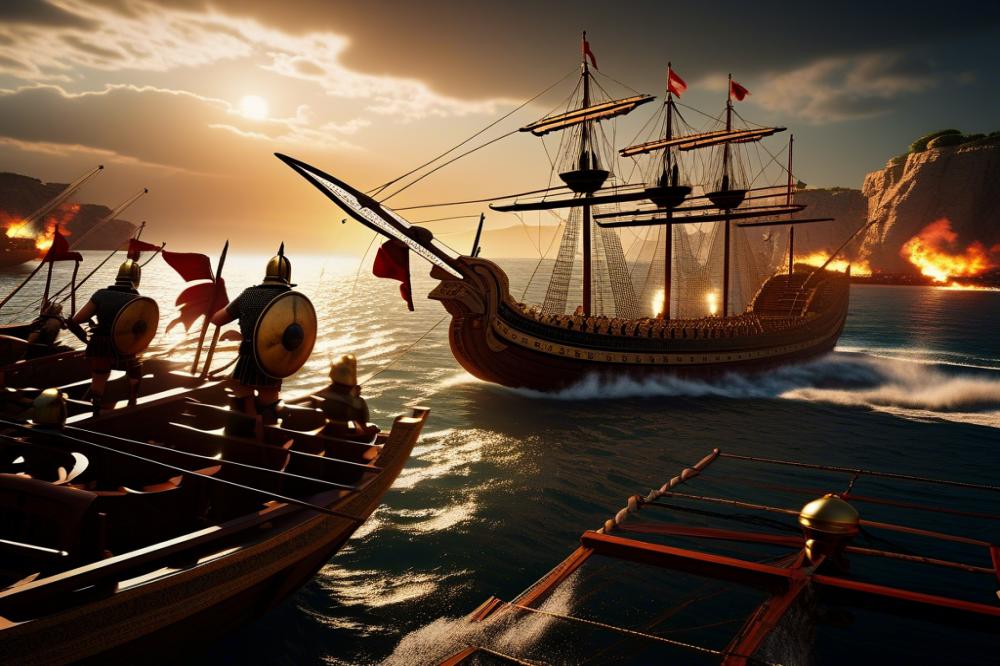
Roman naval warfare was marked by strategic thinking and innovative tactics. The Romans faced many enemies on the water. Their ability to adapt and overcome was crucial for success. One prominent tactic involved boarding enemy ships. This technique allowed them to engage in hand-to-hand combat, where their soldiers excelled.
The corvus, a unique invention, played a significant role in these naval encounters. This device was a boarding bridge that provided an advantage. When lowered onto an enemy vessel, it created an easy path for Roman soldiers to storm aboard. Many historians believe this gave them a distinct edge during battles.
Ramming was another critical tactic. Roman galleys featured reinforced bows designed for this purpose. By crashing into enemy ships, they could inflict substantial damage. Skillful maneuvering was necessary to use this technique effectively. Shifting battle formations allowed them to strike while minimizing their vulnerability.
Lining ships in formation showed another strategic layer. When the Romans positioned their vessels in a curved line, it maximized the effectiveness of their ramming attempts. This formation also helped shield weaker ships from direct attacks. Such arrangements required precision and discipline from the crew, which the Romans mastered over time.
Coordinated attacks were often employed to overwhelm opponents. The Romans excelled at executing complex maneuvers during surprise engagements. These required perfect timing and communication among the crew. Such tactics could turn the tide of battle and leave enemies unprepared for a counterassault.
Ultimately, the combination of boarding, ramming, and strategic ship formations defined Roman naval tactics. Their approach to warfare on the seas demonstrated their ability to innovate. Through careful planning and execution, they maintained dominance in naval engagements for centuries.
Ship Maneuvering Techniques
During battles, the ability to maneuver ships effectively was crucial for the Romans. Ancient naval confrontations often relied on strategy and position. Different techniques could turn the tide of a confrontation. One important aspect was the use of speed. Fast ships could catch enemy vessels off guard. The Romans preferred sleek designs that enhanced agility. Such ships were often built low in the water. This made them stable and hard to hit, especially during rapid movements.
Turning swiftly was another vital skill in naval warfare. It allowed a ship to evade incoming attacks while positioning itself for a counterstrike. The Romans employed oarsmen for quick navigation, providing solid propulsion in various conditions. Excellent coordination among the crew made executing these maneuvers possible. When faced with larger ships, smaller Roman vessels would dart in and out. This tactic kept the larger opponents from maintaining a solid formation.
Strategic placement on the battlefield was equally significant. Ships would often form lines to maximize their offensive capabilities. The Roman Navy excelled in enveloping enemy vessels using their numbers. This tactic created overwhelming pressure on foes while minimizing the risk to their own ships. Additionally, distracting the enemy was a common approach. Often, ships would feign retreat, drawing adversaries into a trap. Establishing a false sense of security was crucial in this tactic.
An effective tactic was ramming. Roman ships featured reinforced prows, allowing them to strike with great force. Speed enhanced the impact. Opponents often underestimated the Roman approach, only to be met with sudden aggression. Precision in aiming during a ramming attack was necessary. This tactic destroyed enemy ships in moments, shifting the balance of power in an instant.
In terms of ship design, durability and maneuverability went hand in hand. A ship needed to withstand attacks while being nimble enough for quick movements. Upgrades to design created vessels that could make sharp turns. Some Romans even added sails to enhance speed when conditions allowed. A flexible approach to naval warfare was essential. Different circumstances demanded adaptations in tactics and ship usage.
Ultimately, ship maneuvering techniques in Roman warfare shaped the outcomes of countless battles. Mastery over these strategies gave the Romans a distinctive edge at sea. The power of speed and agility remained critical factors throughout their naval history. Understanding these tactics helps us appreciate the complexities of ancient naval combat.
Training and Preparation of Crews
In ancient Rome, the success of naval battles relied heavily on the training methods for sailors and marines. Preparing these crews was not a casual affair; it required dedication and a structured approach. Roman commanders understood that discipline was key. Repeated drills kept sailors sharp and ready for action. This repetition helped them respond quickly when faced with the chaos of battle at sea.
Sailors spent countless hours mastering their various duties aboard ships. Each crew member had specific tasks vital to the operation of the vessel. From navigation to handling weapons, all roles were important. Learning to communicate effectively under pressure became essential. The ability to follow commands swiftly could mean the difference between victory and defeat.
The Romans utilized a rigorous training regimen that focused on physical fitness as well as technical skills. Rowing was a critical component of training sessions. Crew members developed strength and endurance by practicing on the galleys. Even land-based exercises supplemented their preparation. Such readiness enhanced their performance when the time to engage in naval encounters arrived.
Discipline went beyond just physical skills. Mental toughness also played a huge part. Crews had to stay calm, especially when they faced enemy ships. They trained for various scenarios that included unexpected assaults and severe weather conditions. Flexibility in tactics became a hallmark of their training. Through this focused preparation, Roman fleets built a reputation for being formidable opponents on the water.
The influence of preparation on naval outcomes became clear in major battles. When crews were well-prepared, they executed complicated maneuvers with ease. Aristocrats and commoners alike acknowledged the impressive capabilities of Roman ships at sea. In contrast, poorly trained crews often struggled in battle. Inefficient responses could lead to catastrophic failures. Time after time, well-honed skills and cohesive team dynamics proved decisive.
The legacy of Roman naval operations illustrates the importance of comprehensive crew training. It helped establish a clear understanding of roles, yielding streamlined processes on ships. Such meticulous preparation not only shaped battles but also laid the groundwork for future maritime warfare strategies. Understanding these elements gives insight into the effectiveness of Roman naval tactics and crew readiness.
Technological Innovations in Roman Ships
The Roman navy benefited from significant advancements in shipbuilding and technology during its rise. Builders designed ships to be faster and more durable than their predecessors. They experimented with various materials. The use of timber for hulls became standard, enhancing strength without adding excessive weight.
Both sails and oars played crucial roles in Roman naval vessels. Oared ships could move swiftly, especially in close combat situations. By using sails, crews could harness the wind for longer voyages or when pursuing enemies. Each method had its advantages, depending on the conditions of the sea.
Innovations such as the corvus were game-changers in naval warfare. This device allowed Roman ships to board enemy vessels, turning naval engagements into infantry battles. The ability to transition from sea to land warfare was essential during confrontations with other powers, like Carthage.
Improvements in navigation tools also contributed to the effectiveness of Roman fleets. The development of more accurate maps and better compasses facilitated exploration and combat. As knowledge of the seas expanded, commanders could develop sophisticated strategies.
The design of ships evolved over time to enhance maneuverability in battle. Warships became lighter and more agile, allowing for intricate movements. Fleets learned to execute complex formations during engagements, which increased their chances of victory.
There was a marked shift in tactics due to these technological advancements. As ships became more versatile, commanders could adapt their strategies to different combat scenarios. Innovations changed how battles were fought, influencing everything from the speed of attacks to the boarding of enemy vessels.
Influence of Geography on Naval Tactics
Geography played a crucial role in shaping Roman naval strategies. Battles often took place close to shores, where conditions changed rapidly. Understanding local waters, such as their depth and currents, could make the difference between victory and defeat. Each region presented its own challenges, dictating how ships should maneuver and engage the enemy.
Tides were another factor that influenced tactics. High or low water could either expose a fleet’s vulnerabilities or provide cover during a strategic retreat. When the Battle of Mylae occurred in 241 BCE, the Romans relied heavily on their knowledge of the fluctuating tides of the Aegadian Islands. They capitalized on this understanding to outmaneuver the Carthaginian fleet.
Weather conditions also had significant impacts. Storms could wreak havoc on an unprepared fleet, scattering ships and disrupting formations. During the First Punic War, Roman commanders learned the hard way about the dangers of navigating rough waters. These experiences pushed them to build sturdier ships and reconsider their approach to naval engagements.
In addition to tides and weather, the shape of the coastline could dictate tactics. Some battles took place near narrow straits that limited maneuvers. At the Battle of Ecnomus in 256 BCE, the Roman fleet capitalized on a broad shoreline, allowing them to deploy their massive galleys effectively. Flanking moves became easier due to the geographical advantages offered by the land.
Local knowledge wasn’t just a benefit; it was often a decisive factor. Romans frequently secured victories by understanding the peculiarities of the waters they fought in. Case studies reveal many instances where geography turned the tide of war, proving that it was not merely a backdrop but a strategic element in its own right.
Overall, the interplay between geography and naval tactics defined much of Roman warfare at sea. Commanders who paid close attention to the environment could shift the odds in their favor. With every engagement, the lessons learned about local waters and conditions contributed to their growing dominance on the Mediterranean Sea.
Final Thoughts on Naval Tactics and Ship Maneuvering
The role of naval tactics and ship maneuvering in Roman warfare cannot be overstated. Operations at sea often determined the outcome of key conflicts for the expanding empire. Skilled commanders utilized various strategies to outmaneuver their enemies. By incorporating innovative techniques like the corvus, they transformed marine battles into ground-like confrontations. This adaptability was vital in triumphs over rival fleets.
Moreover, Roman naval power laid the groundwork for future maritime strategy. Many of their methods and tactics influenced naval battles for centuries. As nations developed their fleets, they frequently looked to Roman examples for guidance. Innovations in ship design and warfare techniques remained relevant well into the medieval era and beyond.
Reflecting on their legacy, it’s clear that Roman tactics were not just temporary solutions. Concepts like blockading and flanking became staples in naval combat. By mastering ship maneuvering, they established a precedent that would echo through history. Later naval powers studied their successes and failures. The complexity of naval warfare owes much to early Roman practices.
As we look at maritime strategies today, the impact of Roman naval dominance is palpable. Many principles they developed have endured, proving their importance over time. Their ability to adapt and innovate serves as an inspiration even in modern contexts. The story of Roman naval warfare reminds us that understanding history is crucial in shaping the future. The tides may change, yet the foundations of naval tactics remain a profound influence. Future scholars and strategists continue to unearth lessons from #anchor_text_3# and #anchor_text_4#.

