

Introduction
The Roman Empire was known for its vast reach and powerful influence, not just on land but also at sea. Recognizing the importance of maritime dominance, ancient Rome developed a formidable naval power. This force played a critical role in various conflicts, significantly shaping the course of its history.
Naval tactics became a vital component in the broader spectrum of ancient warfare. As cities and territories earned strategic advantages, mastery over the seas often determined victories in battles. The ability to project power across water was essential for both defense and expansion. This necessity birthed a naval strategy that complemented land operations, enhancing overall military effectiveness.
Central to Rome’s naval strength were the impressive triremes, sleek ships particularly designed for speed and agility. These vessels could swiftly maneuver through difficult waters, making them formidable opponents. Maritime logistics further supported the Roman fleet, allowing for the transport of troops and supplies, which was critical for sustaining long campaigns.
Effective warfare tactics were rooted in the understanding of naval engagements. The Romans knew how to exploit their naval superiority, engaging enemies with carefully planned ship manoeuvring. As naval battles unfolded, the outcomes would often hinge on these strategic decisions made by commanders. Thus, the evolution of Roman naval tactics solidified its position as a dominant maritime power.
In the annals of naval history, the legacy of the Roman fleet stands out. Their ability to adapt and innovate in the face of challenges contributed to their long-lasting influence. By mastering both the art of naval warfare and the intricacies of sea logistics, the Romans set a standard that would resonate for centuries.
Roman naval tactics

The naval tactics of ancient Rome played an essential role in their military success. Understanding these methods helps us appreciate how the Roman fleet used their forces effectively. Key elements shaped their approach to naval battles, including ship types and formations. Triremes were the backbone of their maritime strategy. These fast and agile ships allowed the Romans to outperform their enemies in water.
Engaging enemy fleets required careful planning and execution. Commanders focused on building a strong naval strategy before confronting rivals. Decisions made before battles often determined victory or loss. Roman generals studied their opponents’ movements and reacted accordingly. The element of surprise frequently gave them an advantage.
Various types of encounters demanded different tactics. In some scenarios, the use of formations was critical. For example, the use of the “dromon” formation allowed ships to create a wall of vessels. This method not only protected individual triremes but also altered the dynamics of sea fights. Disrupting enemy formations with ramming techniques was a key tactic as well.
Maritime logistics also shaped Roman naval warfare tactics. Supply chains had to be secure to keep fleets operational. Food and equipment needed for both crews and ships were fundamental to outcomes. Thus, behind the scenes, there existed a complex network supporting the impressive feats of the Roman navy.
Sea power was not merely about the number of ships. Combat experience, training, and leadership took precedence. This understanding of warfare tactics set Rome apart from other ancient civilizations. The Romans adapted their methods based on lessons learned from previous conflicts, continuously evolving their strategies. Naval history reveals how these improvements contributed to Rome’s dominance over the Mediterranean.
The Roman Fleet and Its Composition
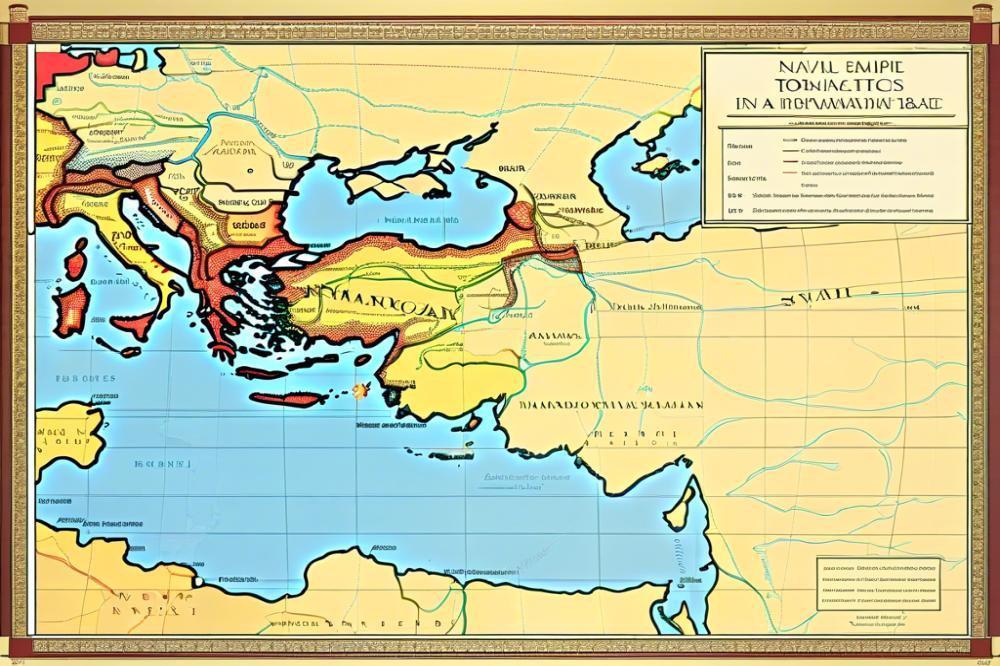
The Roman fleet was a key element of ancient Rome’s naval power. Its organization was complex yet effective. Initially, the Romans relied on allied ships to assist in maritime battles. With growing conflicts, they established their own naval forces. This shift marked a significant evolution in their warfare tactics.
Types of Ships
Among the various types of vessels, triremes were particularly vital. These ships had three rows of oars on each side, allowing for impressive speed and maneuverability. Capable of carrying hundreds of soldiers, triremes played a crucial role in naval engagements. They were designed for both ramming enemy vessels and transporting troops swiftly. Other types included quinqueremes, larger than triremes and featuring more rowers, enhancing their offensive capabilities.
Evolution of Naval Ships and Technology
Through time, ship design transformed. Ancient Rome adopted and adapted naval technology from other civilizations. As they expanded their reach, improvements on hull shape and sailing methods became evident. The introduction of the corvus, a boarding device, changed naval battles significantly. This innovation allowed for easier boarding of enemy ships, which fundamentally altered tactics. Maritime logistics also evolved, with better supplies and communication methods supporting longer campaigns.
Impact of Ship Design on Naval Tactics
Design played a significant role in naval battles. Faster ships could outmaneuver slower opponents, providing strategic advantages. The ability to ram enemy vessels was crucial. It shifted tactics towards aggressive engagement. Interestingly, the more ships a fleet had, the more options they had on the battlefield. This influenced strategic planning enormously. The success of a naval strategy often depended on the capabilities of the ships involved. Ancient Rome’s mastery of ship design and technology reinforced their dominance in the Mediterranean region, making their naval history notable.
Maritime Logistics and Support
In ancient warfare, the role of maritime logistics cannot be overstated. Naval operations demanded comprehensive planning and supply chains. A Roman fleet relied heavily on efficient organization to maintain its effectiveness during campaigns. Without proper logistics, even the most skilled sailors would face significant challenges.
Methods of supply and troop transport by sea were crucial aspects of naval strategy. Ships like triremes not only engaged in naval battles but also served as transport vessels. Troops were moved swiftly across the Mediterranean, facilitating the rapid response to threats. Fresh supplies and reinforcements could mean the difference between victory and defeat.
Impact on Naval Strategy
Logistics played a direct role in the success of warfare tactics. A well-supplied fleet could sustain longer campaigns and maintain morale among soldiers. In contrast, a fleet caught unaware and poorly provisioned would struggle. It is here that the nature of naval power begins to emerge – a strong fleet must be supported by effective supply lines.
Naval Bases and Their Role
Naval bases were essential for supporting military operations. These strategic locations provided safe harbors for ships and a place to store supplies. They functioned as crucial nodes in the broader network of maritime logistics. As ancient Rome expanded its influence, establishing bases became a priority for maintaining control over the sea.
With each naval campaign, the need for efficient logistics grew more pronounced. Bases allowed for quick repairs of ships and supported the training of sailors. Every successful operation incorporated logistics into its planning. Understanding this dynamic was key for Roman commanders, shaping their decisions on where and how to engage enemies.
Notable Naval Battles and Their Tactics
Analysis of Key Naval Battles in Roman History
The Roman fleet faced several important naval battles throughout its history. One standout confrontation was the Battle of Mylae in 241 BCE. This encounter marked a significant victory for Rome during the First Punic War. Utilizing triremes, which were swift and maneuverable, the Romans managed to outsmart the Carthaginian forces. Their effective use of ramming tactics played a crucial role in defeating a more experienced enemy. Each vessel’s design contributed to their maritime strategy.
Another significant event occurred during the Battle of Actium in 31 BCE. This clash involved the forces of Octavian and Mark Antony. Employing a combination of naval tactics, Octavian’s fleet executed a well-planned encirclement. The outcome shifted not only the balance of power within Rome but also its approach to future naval encounters. Each of these battles showcased unique techniques and tactics present in ancient warfare.
Tactical Decisions and Outcomes of Notable Confrontations
Decisions made during naval engagements can often turn the tide of battles. For instance, in the Battle of Mylae, the Romans adapted their strategies based on previous experiences. They learned how to incorporate land tactics into their naval fights. This blending of tactics proved advantageous against Carthaginian ships. Consequently, the Roman fleet gained vital control over Sicilian waters.
At Actium, key decisions revolved around troop placement and logistics. Octavian’s ability to cut off escape routes for Antony’s fleet demonstrated thoughtful planning. This confrontation resulted in a decisive defeat for Antony. The nature of the outcomes from these battles influenced Roman sea power for generations.
Influence of These Battles on Roman Sea Power and Expansion
Victories at sea allowed Rome to expand its influence across the Mediterranean. Control over maritime routes prompted economic growth. The outcomes of these naval encounters also affected Roman diplomatic relationships. Gaining dominance over Carthage secured Roman interests in North Africa. As a result, their naval capabilities grew, allowing for further territorial expansion.
Additionally, victories set a precedent for future naval warfare tactics. Rome’s strategies evolved over time, incorporating lessons learned in previous battles. The importance of maritime logistics became evident. Securing supply lines ensured fleet effectiveness. Winning engagements provided raw materials and resources essential for expansion.
Comparison of Tactics Used in Different Naval Engagements
Comparing various naval battles reveals distinct tactical differences. While the Romans excelled in ramming tactics at Mylae, Actium showcased a greater emphasis on strategic positioning. This development reflected changes in warfare tactics influenced by lessons learned. In both cases, flexibility in approach proved essential.
Carthaginian forces often relied on their established prowess. However, Roman adaptability granted them advantages. Similar ships, such as the triremes, revealed similarities in structure. Yet their operational strategies differed widely based on circumstances. Each battle played a crucial role in shaping the course of Roman naval history.
By examining these confrontations, we gain insight into the complexities of ancient Rome’s maritime campaigns. The evolution of naval strategy highlights the impact of each naval battle on Rome’s growth as a dominant sea power. Every decision made during these engagements laid the groundwork for the naval tactics that would follow.
The Influence of Naval Power on Ancient Rome
The role of naval power in the expansion of ancient Rome cannot be overstated. Control of the seas enabled the Romans to project their military strength far beyond their land borders. This capability was vital for conquering new territories. Their navy facilitated a network of supply routes, securing food and resources essential for sustaining their armies.
Maritime logistics played a critical role in Rome’s military effectiveness. The Roman fleet, primarily composed of triremes, was expertly designed for speed and maneuverability. These ships allowed for quick movements during naval battles, reinforcing ground forces when needed. A strong navy also meant better protection against piracy and rival powers threatening trade routes.
Impacting the political landscape, control over the Mediterranean Sea became synonymous with dominance. This body of water, referred to as “Mare Nostrum” by the Romans, was essential for facilitating commerce and cultural exchange. Control of these waters brought economic prosperity. It enabled Rome to export goods across distant lands while importing wealth and luxury.
Naval strategy evolved substantially as Rome engaged in numerous engagements at sea. Early on, they borrowed tactics from their adversaries and later developed their unique approaches. The defeat of Carthage in the Punic Wars showcased the transformative power of a formidable fleet. This victory reshaped the balance of power in the Mediterranean.
The legacy of Roman naval tactics continues to influence modern naval history. Many concepts from ancient warfare remain relevant today. Strategic use of resources, supply lines, and ship design all find their roots in ancient Rome’s approach to sea power. Other civilizations looked to Rome as a model for building their navies.
Understanding this historical context adds depth to our comprehension of naval dynamics throughout history. The Roman commitment to enhancing their maritime capabilities underscores a pivotal factor in their vast empire. Without naval supremacy, the course of Rome’s history could have been dramatically altered.
Final Thoughts on Roman Naval Warfare
Summary of Key Points
Roman naval tactics were highly adaptable, reflecting the empire’s needs. Ships like the trireme were central to their approach, allowing for speed and agility. Additionally, the use of boarding tactics showcased a preference for direct engagement. They understood that controlling the Mediterranean meant more than just land victories; the seas had equal importance. Cunning and strategic maneuvers often swayed battles in their favor.
The Lasting Impact on Military Strategy
The influence of Roman naval warfare reaches far beyond its time. Many elements of their strategies have shaped modern naval practices. For example, the concept of combined arms—using different forces in concert—originated from their approach. Similarly, maneuvering to gain the upper hand on the water has applications even today. Naval power was not merely supplementary; it became a fundamental component of military operations.
Significance of Naval Power in Ancient Rome and Beyond
The dominance of the Roman fleet highlights the strategic importance of naval strength. Control over the oceans allowed for trade, military movements, and communication. This concept remains relevant as nations today recognize the value of maritime power. In ancient warfare, victor and vanquished could be decided by ship engagements alone. Understanding this legacy can help us appreciate how naval strategy continues to evolve in contemporary conflicts. The Romans set the stage for naval dominance, underscoring that power on the sea can influence the course of history.

