Olivo Barbieri’s Aerial Photography: Reinterpreting Cities from Above
Olivo Barbieri stands out as a vital voice in contemporary Italian art. His unique approach merges technology with traditional visual methods, creating works that elevate our understanding of urban spaces. Through his lens, cities transform into imaginative landscapes, reshaped by the artist’s vision. This perspective opens doors for new artistic interpretation, showcasing a modern dialogue about the environment we inhabit.
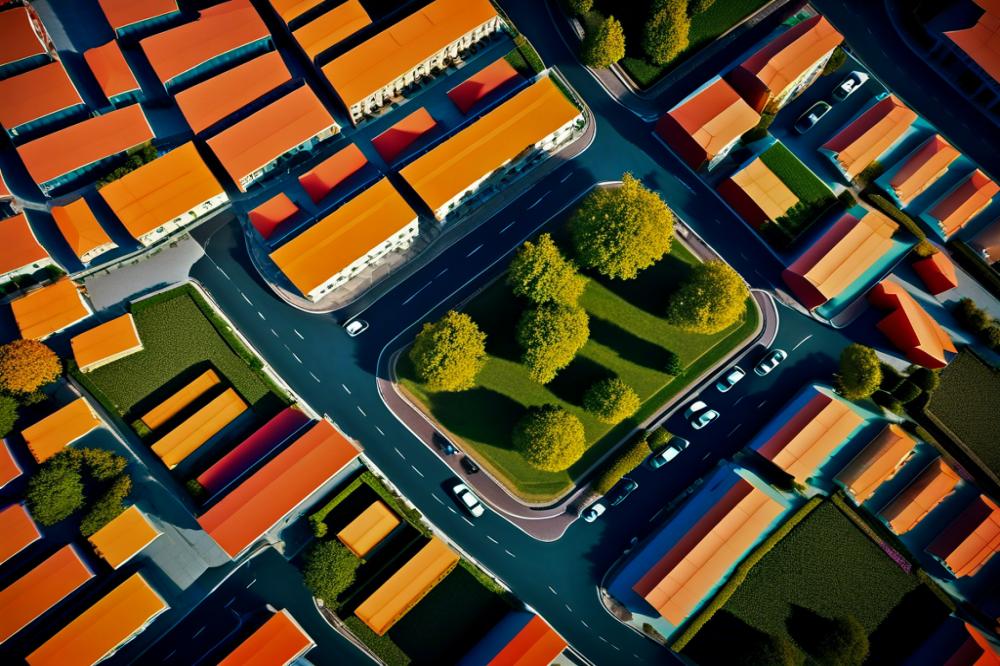
Aerial Photography plays a crucial role in contemporary visual art. It offers a fresh viewpoint that challenges our assumptions about urban landscapes. Photographers like Barbieri use elevation to reveal intricate details often overlooked at ground level. This technique allows for a deeper exploration of cities’ structures and dynamics. Urban exploration through this medium invites viewers to reconsider the significance of their surroundings.
As urban spaces continue to evolve, representation in art becomes ever more important. Artists are tasked with capturing the essence of cities, merging the familiar with the unexpected. Barbieri’s work encourages audiences to see familiar places in an entirely new light. Each image tells a story, revealing the complexities of urban life while highlighting the artistry of architecture and design.
The interplay of perspective and the innovative use of space in Barbieri’s photography reflects a broader trend in modern artistic practices. This approach connects people to their environments in profound ways. By presenting cities from high above, Barbieri not only explores urban landscapes but also ignites conversations around what it means to inhabit these bustling areas. His work sheds light on the intricate relationship between humanity and the urban fabric.
Aerial Photography as an Artistic Medium
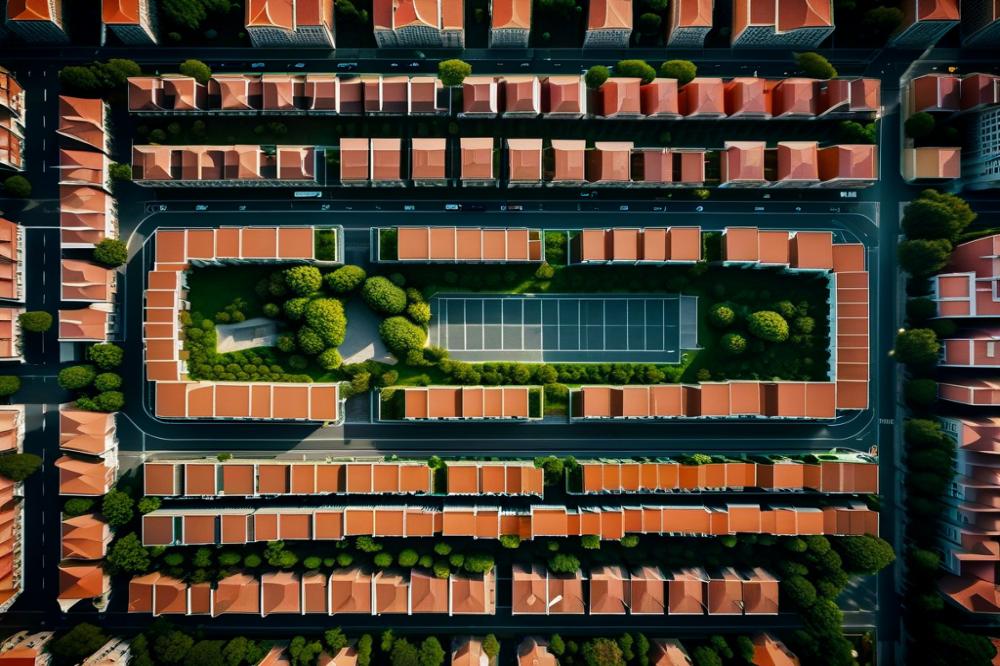
Aerial photography is a captivating genre in visual art that allows viewers to see cities from a distinct perspective. This form of photography offers a bird’s-eye view, reshaping our understanding of urban landscapes. It highlights patterns, colors, and structures that might go unnoticed at ground level. In this way, it serves as a powerful tool for representation, inviting viewers to explore their surroundings in new ways.
Historically, this medium evolved alongside advancements in technology. Early attempts at capturing images from the sky began with balloons and kites in the 19th century. Over time, the use of drones and aircraft transformed access to aerial perspectives. Contemporary photography has embraced these innovations, enabling artists to expand their creativity and explore urban exploration in ways never before possible.
Olivo Barbieri stands out in this realm with his distinct approach to urban photography. He employs unusual techniques, such as tilt-shift photography, which creates an impression of miniature worlds. This method alters depth perception, often making bustling cities appear more like handcrafted models. Such artistic interpretation invites viewers to question their assumptions about reality and scale. By capturing sprawling cityscapes from a higher elevation, Barbieri challenges the traditional ways we view and think about urban environments.
The interconnectedness of architecture, patterns, and people becomes apparent through his work. Barbieri’s photography invites contemplation, forcing us to see familiar places in unfamiliar ways. His pieces often encourage a deeper understanding of the urban experience. As he plays with light and shadow, he creates images that resonate on multiple levels. Whether through the movement of traffic or the arrangement of buildings, the essence of urban life shines through his lens.
In summary, aerial perspectives in photography not only document cities but also provoke thought. This genre has come to play a significant role in how we perceive the world. With artists like Barbieri at the forefront, the boundaries of representation are continually pushed, offering fresh insights into the relationship between people and their environments.
Reinterpreting Urban Landscapes
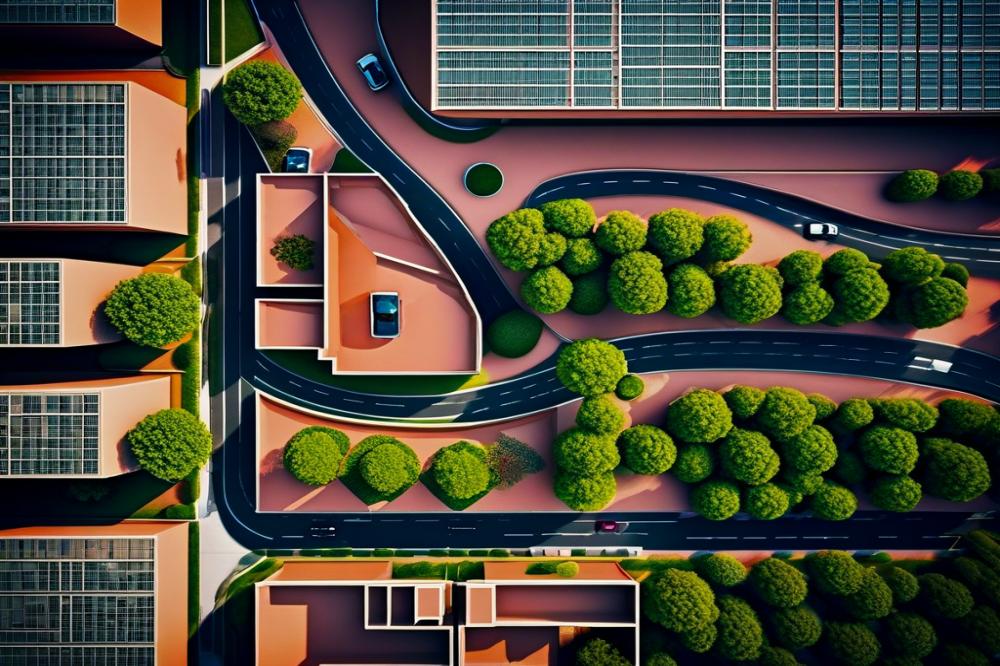
Olivo Barbieri’s work invites viewers to explore the relationship between elevation and urban representation. A fresh perspective emerges when looking at cities from above. This elevation reveals patterns and structures often hidden at ground level. In traditional views, urban landscapes can feel chaotic or outdated. Barbieri’s photography presents them as organized and cohesive.
Through artistic interpretation, he challenges conventional perspectives of cities. Instead of focusing solely on the hustle of street life, his aerial views highlight spatial relationships. Buildings, roads, and parks transform into visual art in their own right. This shift in viewpoint allows for a deeper understanding of urban environments. It encourages viewers to appreciate the complexity of city planning and design.
Furthermore, his work shifts the viewer’s focus from the individual to the collective. Urban exploration takes on a new meaning in his images. Wide expanses filled with people and structures tell stories that often go unnoticed. By altering how we see our surroundings, Barbieri’s photography creates a bridge between everyday life and artistic expression.
The impact of this aerial perspective significantly changes how one perceives urban environments. Observers become more aware of their surroundings. Daily commutes might feel different after experiencing cities through his lens. The scale and layout of spaces make a lasting impression, altering perceptions of familiarity. As people view the world from above, they begin to reassess their relationship with the very places they inhabit.
Therefore, Barbieri’s photography not only captures images; it evokes thoughts and discussions. As contemporary photography continues to evolve, so does the conversation surrounding urban representation. The complexity of cities becomes apparent, showcasing beauty in places often deemed mundane. His work exemplifies how art can broaden understanding and appreciation for urban life.
Artistic Interpretation and Visual Narrative
Olivo Barbieri’s work reveals the profound role of artistic interpretation in engaging with urban landscapes. By capturing cities from an elevated perspective, he transforms the mundane into the extraordinary. Each photograph serves as a portal, drawing viewers into a reimagined world. His use of angles and height plays a crucial role in changing how we perceive familiar places.
In his imagery, symbolic elements provide deeper layers of meaning. The contrast between bustling city life and the tranquil elements within it creates a narrative that invites contemplation. By observing the way light interacts with structures, viewers can see a dialogue between nature and urban development. These layers enhance the representation of his subjects, bridging the gap between reality and art.
Composition and color are pivotal in creating a visual narrative in his photographs. Bold colors can heighten emotions, while softer tones evoke a sense of calm. The arrangement of elements within the frame guides the eye, leading to discoveries that might otherwise go unnoticed. With every shot, Barbieri constructs a story, allowing audiences to explore themes of urban exploration and societal connection.
Contemporary photography often seeks to challenge perceptions, and Barbieri exemplifies this goal. His aerial shots reveal the hidden intricacies of cities, showcasing patterns and relationships often overlooked. The elevation at which he captures these scenes facilitates awareness of scale and context. This not only changes the viewer’s understanding but also invites rethinking urban dynamics.
Each photograph is an invitation to experience the world differently. Barbieri’s lens offers a fresh intake on familiar spaces, prompting a reconsideration of the everyday. Through his artistic approach, he emphasizes the relevance of visual art in understanding our environment. Audiences find themselves enveloped in a narrative that resonates on multiple levels.
Impact on Contemporary Photography and Art
Olivo Barbieri’s work has left a significant mark on the field of contemporary photography. His aerial visuals provide a fresh viewpoint on urban landscapes. By showcasing cities from above, he invites audiences to see familiar places in an unfamiliar light. This shift in perspective challenges traditional representations of urban life. It makes viewers question how we understand and engage with our surroundings.
Barbieri’s approach to photography also contributes to the discourse on urban exploration. His artistic interpretation sparks discussions about how cities are built and experienced. Through his lens, vast cityscapes transform into intricate patterns and textures. These images highlight the complexity of urban life, revealing hidden stories within their frameworks. In doing so, he encourages others to explore the interplay between their environments and their perceptions.
Critics and art enthusiasts have recognized his contributions with enthusiasm. Exhibitions featuring Barbieri’s work often draw crowds eager to witness his remarkable visions. Art galleries and museums showcase his photographs as examples of modern visual art. His unique style has led to a deeper appreciation for elevation in photography. Reviewers often highlight how his images evoke emotion and provoke thought.
This recognition has positioned him as a pivotal figure in contemporary photography. Many photographers look to his work for inspiration, trying to replicate his innovative perspectives. The dialogue surrounding his art impacts both emerging and established artists alike. Through his lens, a new way of seeing is presented, marking a shift in how cities are visually represented.
Reflections on Olivo Barbieri’s Impact and the Future of Aerial Perspectives
Olivo Barbieri has significantly shaped the world of aerial photography. His innovative approach changes how we view urban landscapes. By capturing cities from above, he provides a fresh representation of our everyday environments. These captivating images challenge traditional perspectives, making us rethink the spaces we inhabit.
Understanding cities today requires more than just a ground-level view. Barbieri’s work emphasizes how altitude offers fresh insights. Viewing urban settings from above reveals patterns and connections often overlooked. It encourages viewers to explore not just the architecture, but the complex relationships within urban life.
As technology evolves, the potential for growth in aerial photography seems boundless. Drones and enhanced imaging techniques allow for more accessible and detailed captures. This change will likely foster new artistic expressions and deepen our connection with cities. One wonders how future creators will adapt and push boundaries even further.
In summary, Barbieri’s contributions elevate the discourse around urban exploration. He shows us the poetics of cities from above, illuminating their intricate designs. As we embrace new technologies, aerial imagery can continue to transform our understanding of urban life. The future holds promising possibilities for both artists and viewers alike.