
Palazzo Colonna in Rome: A Lavish noble residence with Stunning frescoes
Overview of Palazzo Colonna
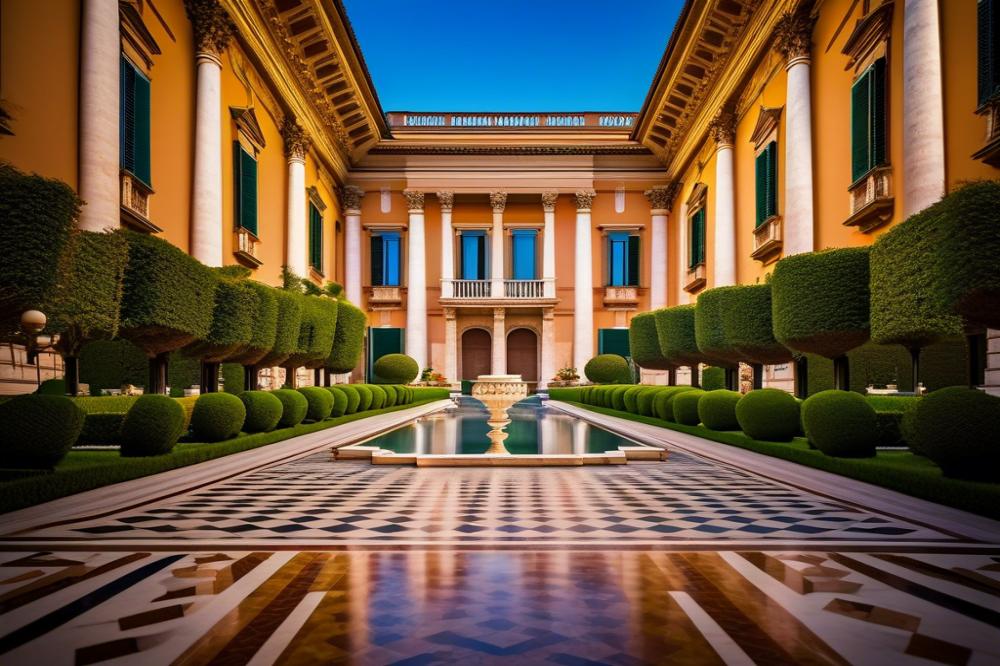
Palazzo Colonna stands as a striking example of Roman history and art. This grand structure serves not only as a magnificent noble residence but also as a beacon of cultural heritage. It is nestled within the bustling streets of Rome, captivating tourists with its elegance and rich past. Visitors are often mesmerized by the stunning frescoes that decorate its walls. These intricate works of art tell stories, filled with vibrant colors and skillful craftsmanship.
Significance in Roman History and Architecture
The significance of this building goes far beyond its physical presence. It reflects the evolution of architectural styles, particularly the baroque design that emerged in Rome during the 17th century. Such features exemplify the opulence favored by Italian noble families of the time. Over the years, the palace has witnessed numerous historical events, further embedding it within the fabric of the city’s story. Today, it stands as a prominent Italian landmark, known for its artistic and architectural marvels.
Connection to Italian Noble Families
As a testament to the power and influence of noble families, the Palazzo Colonna has served as a residence for the esteemed Colonna family for centuries. Their legacy is woven into the very foundations of this impressive establishment. It symbolizes the wealth and status that these families held in Roman society. Many elements throughout the palace reflect the lifestyle and culture of its noble inhabitants. Understanding this connection deepens one’s appreciation for Rome’s historical tapestry and the enduring significance of its architectural gems.
History of Palazzo Colonna
Origins and Construction Timeline
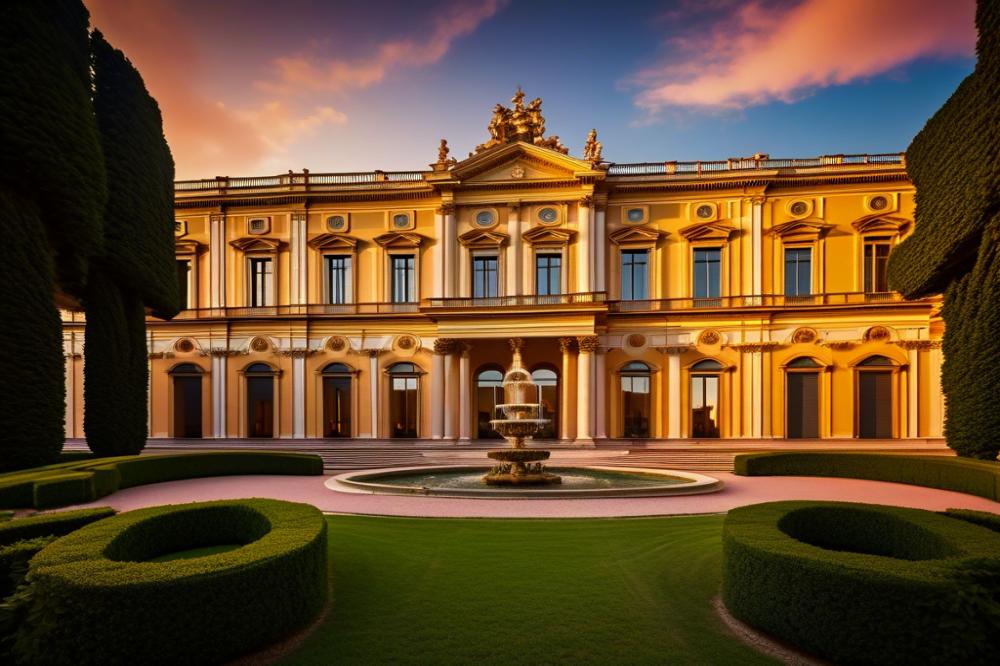
The Palazzo Colonna has roots dating back to the 14th century. Initially, it served as a residence for the Colonna family, one of the most significant noble families in Rome. Construction began in 1700, transforming the original structure into a grand baroque palace. Over the years, renovations added layers of artistry to its walls and ceilings. The family invested heavily in its design, employing renowned artists. These artists created frescoes that continue to captivate visitors. Each renovation helped establish the palace as a symbol of Roman elegance.
Key Historical Events Associated with the Palace
Through the centuries, important events unfolded within its walls. The palace witnessed gatherings of political significance, especially during the Renaissance and Baroque periods. Many influential figures visited, making it a hub of culture and power. Even battles for control of Rome brushed against its doors. In 1870, when Rome became the capital of Italy, the Colonna family’s influence began to wane. Despite this, the palace remained a significant landmark, attracting attention from historians and tourists alike.
Influence of the Colonna Family on Rome’s Cultural Heritage
The Colonna family played a vital role in shaping Rome’s cultural landscape. They were patrons of the arts, commissioning numerous works that adorn the city. Their dedication to architecture brought forth stunning buildings, visible throughout the historic center. Notable artists like Caravaggio and Bernini were part of this artistic era. Their contribution extended beyond the visual arts into literature and politics as well. The family’s impact on tourism remains evident today. Many visitors seek to learn about their legacy while exploring Italy’s artistic treasures.
Architectural Features
Baroque Style Elements
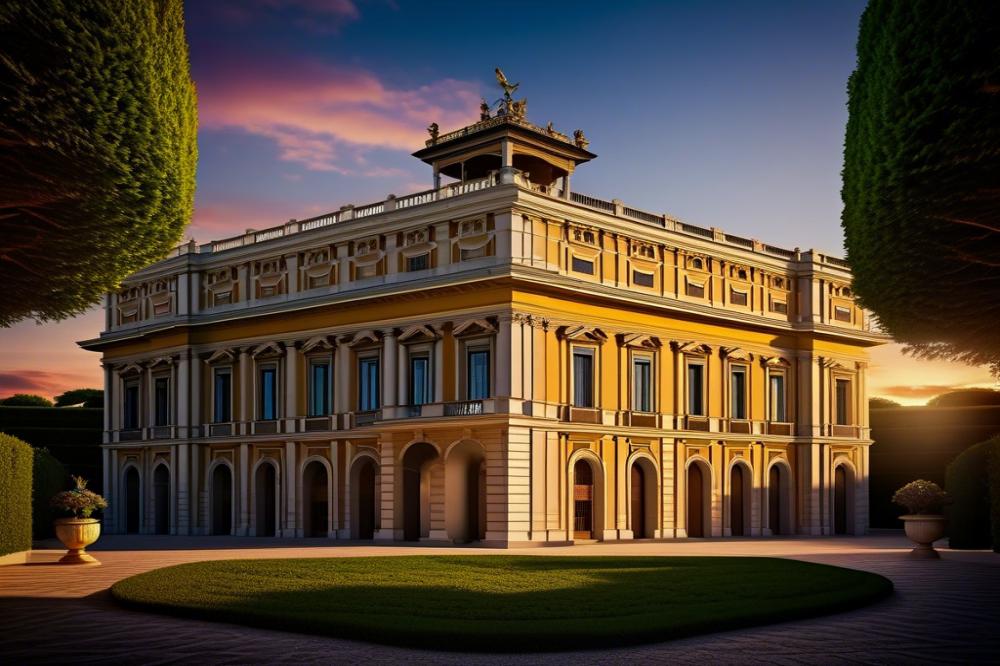
The Palazzo Colonna showcases Baroque style elements that are striking and ornate. This architectural style emerged in the 17th century and reflects a sense of drama and grandeur. Sweeping curves and intricate details adorn both the exterior and interior spaces. Decorative motifs, such as cherubs and floral patterns, can be found in various rooms. They add a lively character to the residence’s charm. Rich colors and stunning materials further enhance the lavish feel of this noble home. Many aspects of the design celebrate the artistic achievements of the era.
Design of the Exterior and Interior Spaces
The exterior of the building presents an impressive facade, blending seamlessly with the urban landscape of Rome. Marble columns and elaborate cornices stand out, capturing the essence of Italian landmarks. Large windows provide natural light to the opulent interiors. Inside, high ceilings are adorned with breathtaking frescoes that tell stories of history and mythology. Each room feels like a gallery, showcasing art that has survived through the ages. Visitors often wander from room to room, mesmerized by the craftsmanship. The grand staircase leads to a series of salons that exemplify elegance and sophistication.
Notable Structural Components and Renovations
Throughout its history, this residence has undergone significant renovations to preserve its glory. Structural components have been restored and enhanced to retain their original charm. For example, the use of local materials reflects the building’s cultural heritage. Various noble families have contributed to its updates over the centuries, adding their own touch. Noteworthy renovations include the restoration of the frescoes, which highlight the incredible artistry of the period. These improvements make it a prime destination for tourism in Rome. Each inch of the Palazzo Colonna speaks to the rich history of the city and its people.
Frescoes and Artistic Masterpieces
The Palazzo Colonna in Rome is renowned for its stunning frescoes that adorn its grandiose walls. These artworks showcase the skill and passion of several prominent artists from different periods. Each room within the palace tells a story through its decor, reflecting the rich history of noble families and the vibrant culture of Italy.
Many notable painters contributed to the breathtaking frescoes found in the residence. One such artist is Pietro da Cortona, a key figure in Baroque art. His dynamic compositions and use of light fill the ceiling of the main gallery, captivating all who enter. Guercino, another master, also left his mark with a ceiling piece that illustrates the divine and mythical. These artists, among others, brought life to the walls, creating a visual feast for visitors.
Symbolism plays a crucial role in these artworks. Many frescoes depict themes of virtue, divine intervention, and the celebration of nature. Flowers and celestial bodies often appear, serving as metaphors for beauty and transient life. Such imagery resonates deeply with viewers, connecting them to higher ideals. Through these masterpieces, one can glimpse the aspirations and cultural heritage of the era.
Tourism flourishes around these artistic gems. People from all over the world come to appreciate the craftsmanship and historical context of the Baroque style. The Palazzo stands as an important part of Italy’s landmarks, showcasing the country’s rich artistic tapestry. Each visit provides an opportunity to witness the legacy of noble families that once inhabited these opulent rooms.
Cultural Importance and Modern Tourism
Palazzo Colonna as a Symbol of Roman Nobility
The Palazzo Colonna stands as a proud representation of Rome’s noble families. It reflects centuries of history and the grandeur associated with aristocratic life. Visitors can feel the weight of past generations in its halls. The architecture showcases the baroque style, revealing how power and wealth were displayed through design. Frescoes adorn the walls, telling stories of glory and lineage. Each artwork offers a glimpse into the cultural heritage of Italy. The palace symbolizes the influence and importance of the Colonna family in Roman history.
Current Role as a Tourist Attraction
Tourism in Rome thrives on iconic sites, and this palace is no exception. Travelers flock to experience its stunning interiors and artistic masterpieces. Open to the public, visitors can explore various rooms that hold art and history in equal measure. Walking through the halls feels like stepping back in time. People often share their excitement about discovering such a magnificent attraction. The mix of history and beauty draws art lovers from all over the world, making it a must-see landmark.
Events and Exhibitions Held at the Palace
Throughout the year, the palace hosts a variety of events and exhibitions. These gatherings highlight both contemporary art and historical works. Special tours are designed to enrich the visitor experience further. They showcase the exquisite frescoes and unique architectural details. Educational programs often accompany these exhibitions, inviting deeper understanding of Rome’s rich past. Cultural engagements at the site promote appreciation for art and history among a diverse audience. Such activities reinforce the palace’s role in preserving and celebrating Italian heritage.
Reflections on Palazzo Colonna
Palazzo Colonna stands as a remarkable testament to the rich history of Rome. This noble residence tells stories of a powerful family that shaped the city over centuries. Its stunning frescoes captivate art lovers and historians alike, drawing visitors into a world of beauty and culture. Each room offers a glimpse into the lavish lifestyle of the Colonna family, showcasing art that has withstood the test of time.
Visiting this landmark provides more than just an opportunity to view impressive artworks. It invites guests to ponder the legacy of noble families in shaping Rome’s cultural heritage. From the grand architecture to the intricate details of the paintings, every corner reveals the dedication to artistry and craftsmanship.
Those who venture to explore Palazzo Colonna will find themselves immersed in its rich past. Discovering the layers of history inside its walls can be an unforgettable experience. Each visit holds the potential for new insights into not just the building, but the era it represents. So, if you are in Rome, make sure to explore this hidden gem. It’s a chance to connect with the grandeur of a bygone age, where art and history intertwine seamlessly.

