
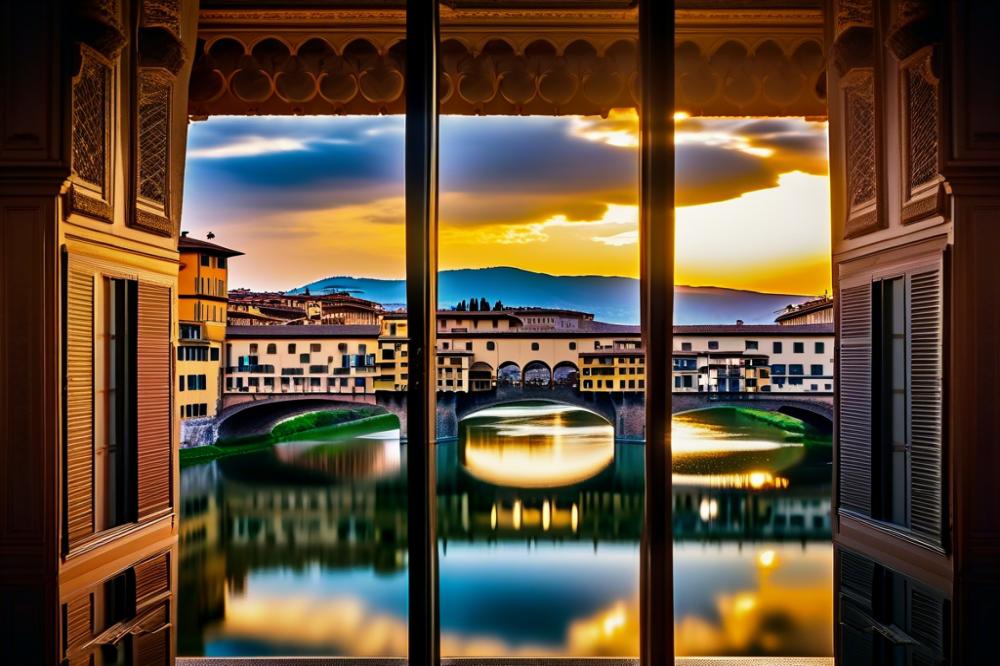
Palazzo Corsini in Florence: A Baroque Jewel on the Arno River
Palazzo Corsini stands as a remarkable example of Baroque architecture in Florence, situated elegantly along the banks of the Arno River. This striking palace embodies the rich artistic and historical legacy of Italy. Built in the late 17th century, it showcases the opulence of the era and reflects the grandeur associated with Italian palaces.
Art enthusiasts and history buffs are drawn to Palazzo Corsini for its stunning frescoes and beautifully landscaped gardens. Inside, visitors can marvel at the intricate details that reveal stories of past generations. Each room tells a tale, merging art with history in a seamless way.
The allure of this grand palace attracts tourists from around the globe. It serves not only as a visual masterpiece but also as a vital piece of the cultural heritage that defines Florence. Those who wander its halls and explore the lush gardens find themselves immersed in a unique experience, a slice of Florence’s glorious past. The combination of art, architecture, and scenic views makes it a must-see destination.
The History of Palazzo Corsini
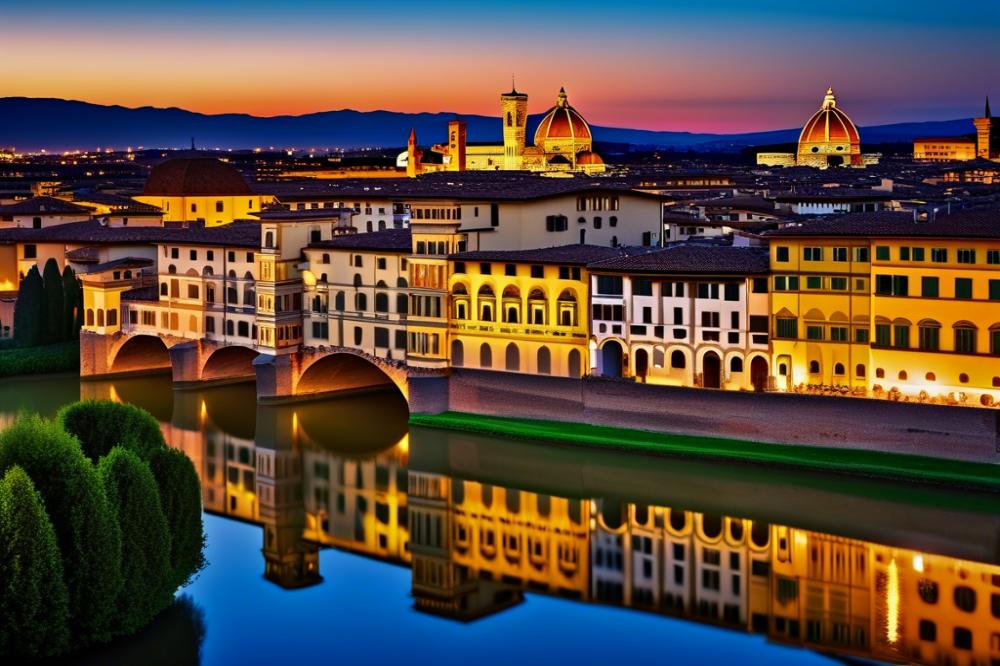
The origins of this magnificent structure date back to the 17th century. Built between 1659 and 1680, it represents a significant period in Florence’s architectural development. Designed by the architect Giovanni Battista Foggini, the palace showcases the grandeur of Baroque style, which flourished during this time. Erected along the banks of the Arno River, its location offers stunning views and strategic advantages.
The Corsini family played a crucial role in the history of Florence. Starting as merchants, they grew to become one of the most prominent families in the city. Their wealth allowed them to commission exquisite art and support various cultural endeavors. This influence ensured their place in the city’s elite circles, shaping Florence’s cultural heritage for generations.
Over time, the family expanded their power through political connections and marriages. Their reach extended beyond Florence as they participated in national affairs. Notably, Pope Clement XII, a member of the Corsini clan, led the papacy from 1730 to 1740. His reign marked a period of significant influence over both the church and Italian politics.
Significant historical events unfolded within the walls of Palazzo Corsini. It served as a gathering place for artists, intellectuals, and influencers. The palace witnessed discussions that shaped art and culture in Florence. Its gardens, designed with meticulous care, became a favorite retreat for many notable figures.
Walking through its opulent halls, one can admire the stunning frescoes that adorn the ceilings and walls. These masterpieces tell stories of mythology and history, capturing the imagination of visitors. With intricate details, they reflect the artistic achievements of the era.
Today, Palazzo Corsini stands not only as an architectural gem but also as a testament to the rich history of the Corsini family. It continues to attract tourists who seek to experience the beauty, art, and legacy found within its confines. This blend of history and craftsmanship makes it a valuable attraction along the Arno River, drawing people into its fascinating past.
Architectural Marvel of the Baroque Era
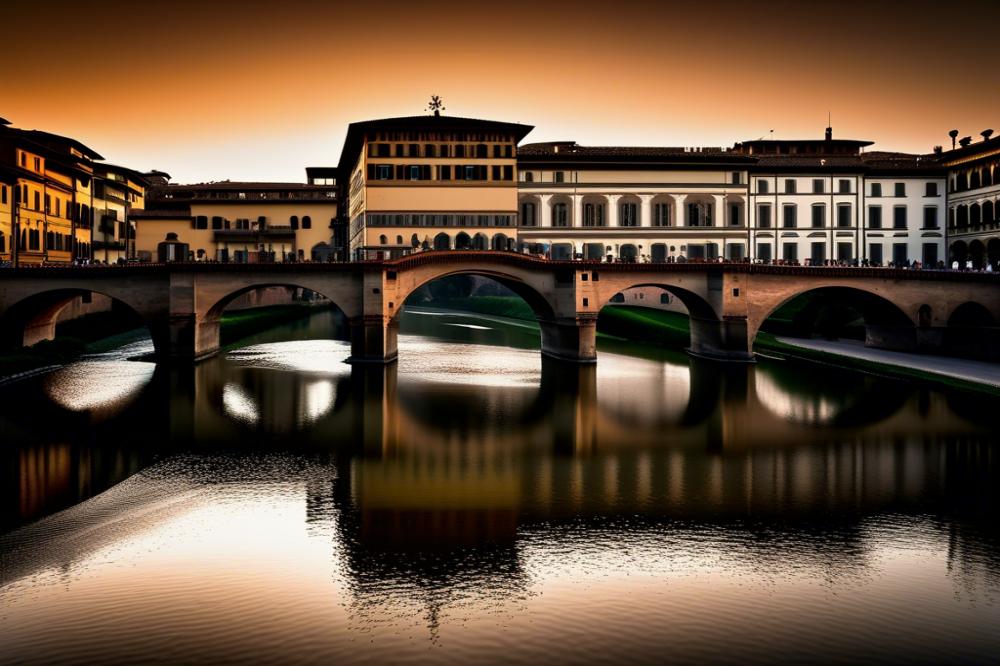
Palazzo Corsini is a remarkable example of the Baroque style in Florence. Built in the 17th century, this exquisite building reflects the opulence of Italian palaces of that era. Matteo Nigetti, the architect behind its design, infused his vision with artistic flourishes and structural innovation. The facade of the palace captivates visitors, showcasing a rich interplay of shapes and details. Expansive windows and ornate stonework create an inviting atmosphere that commands attention along the banks of the Arno River.
This architectural gem blends harmoniously into the landscape surrounding it. Its elegant outline complements the natural beauty of the riverside, enhancing both art and history in the context of Florence. Gardens are thoughtfully integrated into the overall design, providing a serene space for reflection. Lush greenery and carefully arranged flowers frame the building, inviting tourists to explore further. Impressive frescoes adorn the interiors, capturing the essence of Baroque artistry and telling stories of yesteryears.
The use of symmetrical forms and grand staircases contributes to the majestic aura of the structure. Each element serves a purpose, balancing aesthetics with functionality. Additionally, the interplay of light and shadow on the building’s surfaces deepens its visual appeal. Visitors are often drawn to the intricate details found at every corner, from statuary to decorative cornices. Every feature tells a story, making the palace a vital part of Florence’s cultural heritage.
As tourists wander through this stunning example of Baroque architecture, they can appreciate how the design merges with its surroundings. The Arno River acts as a reflective backdrop, highlighting the palace’s beauty. Prominent in the landscape, its grandeur sets it apart as a key destination in Florence. Many come not only to admire the architecture but also to experience the history intertwined with it.
This palace, with its refined aesthetic and historical significance, remains a testament to the artistic achievements of its time. Each visit offers a chance to delve deeper into the richness of Florence’s past. With its gardens, frescoes, and strategic placement along the river, the experience is profound. Visitors leave with a sense of connection to the vibrant legacy of Italian artistry and architecture.
Art and Frescoes within the Palace
Palazzo Corsini stands as a canvas of history and art. It is home to a remarkable collection reflecting the rich cultural heritage of Florence. Inside, visitors encounter stunning frescoes that breathe life into the palace’s walls. These artworks capture key moments, themes, and stories from Italian history.
Focused on the intricate designs, one can see the creative work of notable artists. Giovanni Battista Azzolino, for instance, played a crucial role in designing some of the magnificent ceilings. His frescoes add a touch of drama and color throughout the halls. Visitors often marvel at the serene landscapes and vibrant figures that adorn the walls.
The influence of other artists can also be felt within these grand spaces. Some paintings were crafted by Francesco Curradi, whose work enhances the beauty of the rooms. Curradi’s unique style brings an air of elegance that complements the Baroque architecture. The integration of art with structure showcases the palace’s significance in the broader context of Italian palaces.
Each artwork tells a part of the story related to the Corsini family and their illustrious past. Exploring the gallery spaces reveals a deeper understanding of Florence’s artistic journey. It is evident that these pieces are not just decorations; they are integral to the narrative of the palace itself.
Frescoes fill the grand corridors, capturing the attention and imagination of all who wander through. Visitors often find themselves stepping into an era where art played a vital role in cultural expression. The collaboration between skilled artists and the palace’s architecture creates an environment that enchants every guest.
Gardens surrounding the site further enhance its appeal. They offer a peaceful escape, allowing tourists to reflect on the artistic wonders nearby. Each element, from the intricate details of the ceilings to the lush green spaces, contributes to a rich cultural tapestry.
Anyone visiting can sense the historical significance behind every brushstroke. Palazzo Corsini serves as a testament to the artistic achievements of its time. The blend of art, architecture, and history makes it a must-visit location along the Arno River. Engaging with these masterpieces allows one to truly appreciate Florence’s legacy as a center of art and culture.
The Enchanting Gardens of Palazzo Corsini
Surrounding the magnificent Corsini palace, the gardens are a true testament to Baroque design. They represent a perfect blend of nature and art, each carefully curated element adding to the beauty of the estate. These gardens offer a serene escape amidst the vibrant streets of Florence, located along the banks of the Arno River.
Walkways meander through the lush greenery, encouraging exploration. Visitors can find themselves wandering past neatly trimmed hedges and blooming flowerbeds. The pathways are sometimes lined with old stone, adding to the historical feel of the place. Every turn reveals sculptures that tell rich stories of art and history.
Visitors to these gardens quickly notice the harmony in design. Baroque style emphasizes grandeur, and these gardens do not disappoint. Intricate patterns emerge in the layout, where symmetry plays a crucial role. Fountains sprinkle water into the air, reflecting sunlight and adding to the gardens’ allure.
Throughout the gardens, impressive statues add character. They invite onlookers to pause and admire the craftsmanship. Some of these sculptures capture deities or mythological figures, linking back to Italy’s deep cultural heritage. Each piece contributes to the overall aesthetic charm, seamlessly connecting the outdoor environment with the lavish architecture of the palace.
This garden serves more than just a visual delight. They are a critical part of the palace complex, functioning as a natural extension of the historical residence. Guests searching for a quiet place can find stillness amid the chaos of tourism in Florence. Each visit uncovers more history, beautifully illustrated through lush landscapes and artistic elements.
In conclusion, the gardens surrounding this stunning palace reflect the elegance of Baroque design. They enhance the experience of exploring one of Italy’s prized jewels. Those who take the time to roam these grounds will find a rich tapestry of art, nature, and history waiting to be discovered.
Palazzo Corsini in Modern Tourism
Today, Palazzo Corsini stands as a captivating destination in Florence. Many visitors seek out this architectural gem along the Arno River. Its rich history and stunning art draw admirers from across the globe. Travelers come to explore the Baroque style and the lush gardens surrounding the palace. Other Italian palaces might not have the same allure for everyone, but Corsini offers a distinct charm.
The interior of this magnificent site showcases exquisite frescoes and elegant details. Guided tours play a key role in enhancing the visitor experience. Knowledgeable guides provide insights into its artistic significance and historical context. Tours typically include visits to the grand rooms and abundant gardens, allowing tourists to fully appreciate the palace’s splendor.
Special events throughout the year attract even more attention. Cultural heritage festivals often feature exhibitions and performances at the palace. These occasions spotlight the importance of art and history in Florence. Each event adds value to the local tourism scene, encouraging visitors to linger longer in this vibrant city.
In recent years, the palace has worked to broaden its appeal. This includes initiatives aimed at engaging younger audiences. Workshops and interactive exhibitions have been introduced, making art more accessible to all ages. Families, students, and art lovers find something to appreciate during their visits.
Ultimately, Palazzo Corsini serves as a vital part of Florence’s narrative. It not only showcases stunning architecture but also embodies the city’s historical essence. As tourists explore its halls and gardens, they become part of a larger story that has unfolded over centuries. This connection to the past enriches the experience and promotes a deeper understanding of Florence’s artistic legacy.
Final Thoughts
Palazzo Corsini stands as a stunning example of Baroque architecture along the banks of the Arno River. This historic building is not just a testament to Italy’s artistic heritage; it symbolizes the grandeur of a time when art and architecture flourished. Many visitors find themselves captivated by its ornate details and intricate frescoes, elements that speak volumes about the era’s creativity.
Cultural significance is evident in every corner of the palace. Each room, adorned with exquisite works, tells stories of past nobility and artistic innovation. This place invites guests to explore history in a tangible way, connecting them to the rich past of Florence. For those passionate about art, it offers an inspiring glimpse into the styles and techniques that define Baroque artistry.
For tourists, the allure of Palazzo Corsini remains strong. It attracts countless art lovers and history buffs each year. People come to admire not only the beauty of the structure but also the environment that surrounds it. The tranquil setting along the river enhances the experience, making it a perfect backdrop for both reflection and photography.
In summary, this magnificent palace continues to hold a special place in the cultural landscape of Italy. Its historical importance and artistic treasures highlight the best of what Florence has to offer. As visitors wander through its halls, they engage with a legacy that transcends time, solidifying the palace’s status as a true jewel along the Arno River.

