
Introduction
The Palazzo dei Normanni, also known as the Royal Palace of Palermo, stands as a testament to the rich history of Sicily. This historical landmark showcases a blend of Norman, Arab, and Byzantine influences that define the region’s cultural identity. As one of the most significant palaces in Italy, it draws visitors who want to understand Palermo’s complex past.
In Palermo, the Royal Palace reflects a distinctive architectural harmony. Many structures in the city exhibit a variety of styles, but none quite match the grandeur found here. The UNESCO World Heritage designation underlines its importance, highlighting the value of preserving such treasures.
Sicilian culture is profoundly shaped by its diverse influences. The Norman influence shines through in the structural designs, while Arab influence appears in intricate decorative elements. Byzantine influence adds depth to the artistry, creating a rich tapestry of visual experiences.
A visit to the Cappella Palatina is a must. This chapel, located within the palace, epitomizes the artistic fusion that characterizes Palermo architecture. Each element tells a story of the people and traditions that have passed through this magnificent site. The Palazzo dei Normanni is not just a building; it is a living piece of history that continues to captivate those who explore its grand halls.
Palazzo dei Normanni: A Historical Landmark
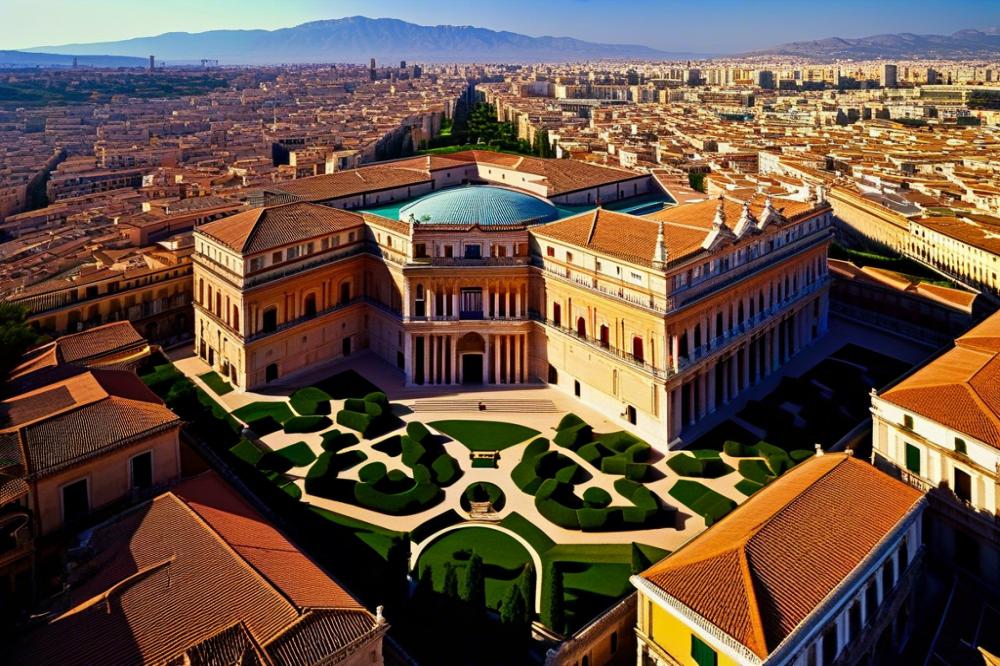
The Palazzo dei Normanni in Palermo has a rich and storied past. Constructed in the 9th century, it reflects a blend of various cultures and influences over the centuries. Originally a fortress, the structure evolved into the Royal Palace of the Kings of Sicily during the Norman period.
This palace served as a significant residence for many rulers, illustrating the power dynamics of its time. Kings conducted their affairs from within these walls, making it a center of political activity. During the reign of Roger II, Sicily became a melting pot of Norman influence, Arab influence, and Byzantine influence, all evident in the architecture.
Palermo’s history is intertwined with the palace’s existence. Over time, it witnessed the rise and fall of various empires and cultures. Each era left its mark on the building, creating a beautiful tapestry of Sicilian culture. The Cappella Palatina, located within the palace, is a prime example of this unique architectural fusion. Murals, mosaics, and intricate carvings symbolize the artistic achievements of the time.
UNESCO World Heritage status was awarded to the site, recognizing its historical significance. Tourists flock to see its stunning features, blending styles that tell stories of a diverse past. This location remains a vital part of Palermo’s identity, celebrating centuries of rich traditions and cultural exchange.
Norman Influence on Palazzo dei Normanni
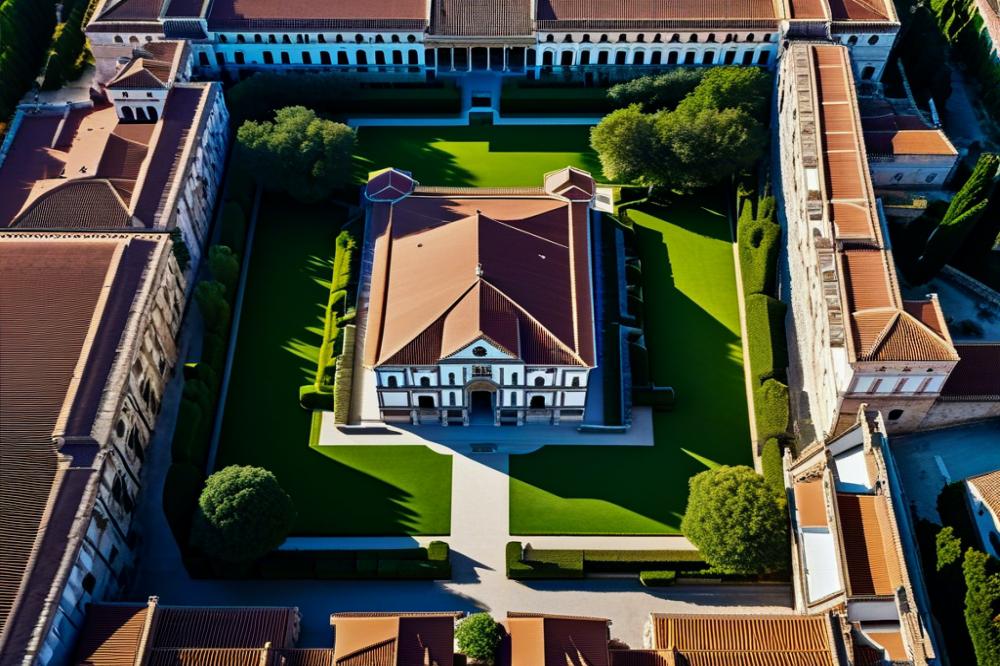
Norman architecture displays a fascinating blend of styles, combining strength and beauty. This influence is evident in the Palazzo dei Normanni, a remarkable example of how cultures intertwine. Norman builders favored solid construction and grand designs. The impressive stonework and solid arches reflect these characteristics well.
Key features of the palace demonstrate this influence clearly. For instance, the use of thick walls and robust columns illustrates strength. The grand entrance and expansive courtyards invite visitors into an impressive atmosphere. Look closely, and you’ll notice intricate carvings on many surfaces. These artistic elements harken back to a time when craftsmanship was paramount.
Governance under Norman rulers transformed Sicilian culture significantly. They embraced local customs while infusing their own traditions. This approach created a rich tapestry of life in Palermo, where different communities coexisted. The establishment of the Royal Palace as a center of power marked a turning point in Palermo history. Moreover, the Cappella Palatina shows how these influences intertwined beautifully, as it mixes Norman, Arab, and Byzantine styles. This harmonious blend has greatly contributed to its designation as a UNESCO World Heritage site.
Understanding the Norman influence allows us to grasp the complexity of Sicilian heritage. It helps explain why the Palazzo remains a historical landmark of significant importance. Visitors often marvel at the architecture, which tells stories of past rulers and their impact. This grand palace stands not just as a building but as a symbol of a rich and diverse cultural past.
Arab Influence in the Palazzo dei Normanni
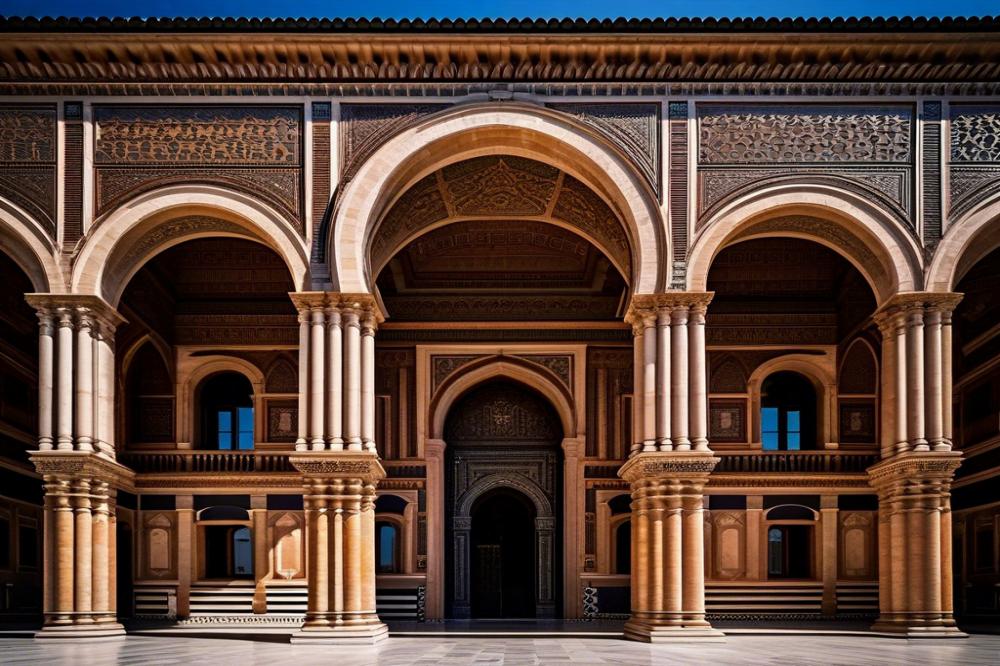
The Palazzo dei Normanni is a blend of various architectural elements, notably showcasing strong Arab influence. The use of intricate geometric patterns and arabesques is common throughout the structure. Key features include horseshoe arches and detailed mosaics that highlight this influence. These elements reflect the skilled craftsmanship of Arab artisans during the time.
Arab culture had a significant impact on both the construction and decoration of the Royal Palace. Builders adopted materials and techniques from their Arab predecessors. They utilized local stone and combined it with exquisite tile work. This melding of styles shows how different cultures contributed to Palermo history.
Mosaics in the Cappella Palatina are prime examples of Arab influence. The colors and designs are vivid, showcasing an artistic blend that captivates visitors. In addition, the architecture outside reflects an Arab aesthetic, with lush gardens and fountains adding to the beauty. Each aspect enhances the overall appeal of this historical landmark.
Sicilian culture is enriched by such architectural styles that combine Norman, Arab, and Byzantine influences. Visitors to the palace can see how these diverse elements coexist harmoniously. The unique structure serves as a testament to the island’s rich history and cultural evolution. Indeed, UNESCO World Heritage status highlights the importance of preserving this remarkable site.
Byzantine Influence and Artistic Elements
The Palazzo dei Normanni showcases significant Byzantine contributions, particularly evident in its architectural design. This historical landmark reflects a rich blend of various influences, including Norman and Arab styles. Byzantine art, renowned for its vibrant mosaics, adds a unique flair to the overall aesthetic of the palace.
Significant architectural styles often stem from Byzantine techniques, which focused on creating grand and intricate spaces. Arches and domes characterize much of the palace, highlighting the sophistication of ancient builders. Such features can be seen in places like the famous Cappella Palatina, where these elements create an impressive atmosphere.
Inside the palace, mosaics serve as a testament to the artistry of the Byzantine period. They not only depict religious themes but also showcase elaborate designs that capture the eye of every visitor. The use of gold leaf and vivid colors makes these artworks remarkable pieces within Sicilian culture.
The combination of these artistic expressions creates a dialogue between different cultural influences. Byzantine influence has left a lasting mark on Palermo history, shaping the identity of the region. Indeed, this palace stands as a proud example of how various styles combined to create something exceptional, now recognized as a UNESCO World Heritage site.
Cappella Palatina: A Gem of Cultural Synthesis
The Cappella Palatina stands as an exceptional example of Sicily’s rich past. Nestled within the Royal Palace, it is a crucial part of Palermo history. This chapel, built in the 12th century, showcases the incredible blend of architectural styles that reflect the various cultures that influenced the region. Visitors often find themselves captivated by its beauty and historical significance.
Architecturally, the chapel captures the essence of Norman, Arab, and Byzantine styles. Intricate mosaics glisten on the walls, telling stories of both sacred themes and cultural diversity. Columns featuring floral designs highlight Arab artistic influence. Meanwhile, the grand dome echoes Byzantine traditions, inspiring awe among viewers. Each detail contributes to a tapestry of artistry that transcends time.
This space plays an essential role in reflecting Sicilian culture. It emphasizes the coexistence of different religions and cultures throughout history. The Cappella Palatina serves not only as a religious site but also as a symbol of harmony. UNESCO World Heritage status recognizes its importance, showing how vital this historical landmark is to understanding the unique character of the island.
The serene atmosphere invites contemplation and appreciation. People from around the globe visit to glimpse the synthesis of influences that define Sicily. Here, one can truly see the fusion of Norman influence, Arab influence, and Byzantine influence. The chapel becomes a storybook, where each mosaic and arch holds a piece of the island’s narrative. Every visit provides a richer understanding of its cultural heritage.
Palazzo dei Normanni as a UNESCO World Heritage Site
In 2015, the Palazzo dei Normanni was designated as a UNESCO World Heritage Site. This recognition highlights its historical and cultural importance. UNESCO’s designation means that this landmark is considered valuable for all of humanity. The site showcases the rich history of Palermo, marked by Norman influence, Arab influence, and Byzantine influence.
Preserving such a monument is vital for future generations. It allows people to connect with Sicilian culture and understand the diverse architectural styles that have shaped the region. The Royal Palace, with its stunning Cappella Palatina, exemplifies these influences beautifully. Every stone and tile tells a story of Palermo’s past and its complex identity.
The palace plays a significant role in promoting Palermo as a historical destination. Tourists from around the world come to see its grandeur. Visitors are drawn to the intricate designs and vivid mosaics that reflect the blend of cultures. As people learn about this site, they gain insight into Sicily’s rich heritage.
Museums and exhibitions within the complex further enhance this experience. They provide deeper understanding of the historical landmark and its role in Italy’s history. This cultural engagement helps foster respect for diverse traditions and shapes our appreciation for shared history. The Palazzo dei Normanni stands as a testament to the enduring legacy of the interplay between various cultures.
Final Thoughts on the Palazzo dei Normanni
The Palazzo dei Normanni stands as a testament to the rich tapestry of cultural history in Palermo. This landmark merges the Norman, Arab, and Byzantine architectural styles, showcasing the island’s diverse heritage. Each period has left its mark, resulting in a structure that reflects the intricate past of Sicily.
Understanding these influences allows deeper appreciation for the site. The Norman influence provides a sense of strength and grandeur, while traces of Arab influence add intricate beauty and warmth. The joint presence of these styles tells a story of coexistence and creativity from centuries past. Visitors experience this blend in every detail, from elaborate mosaics to imposing arches.
For anyone interested in history or architecture, the Palazzo dei Normanni is a must-see. Walking through its halls offers a chance to connect with the past. This site is not just an architectural feat; it symbolizes the confluence of cultures that have shaped Sicily. Regardless of your interests, this piece of history invites all to explore and appreciate its timeless beauty.
In conclusion, a visit to this iconic site enriches understanding of Sicily’s heritage. When in Palermo, make it a point to witness this blend of cultural significance. It’s more than just a building; it’s a living museum of stories waiting to be discovered.

