

Public Transport in Italy’s Cities
Public transportation in Italy’s cities is a vital part of daily life. Many residents and visitors depend on effective urban transport systems to navigate bustling streets and historic neighborhoods. Efficient transportation not only eases city travel but also reduces congestion and lowers pollution levels.
Understanding the various modes of public transit available in Italian cities can enhance your travel experience significantly. Cities like Rome, Milan, and Florence offer a variety of options, including metro systems, buses, trams, and taxis. Each mode provides unique advantages, catering to diverse needs throughout the urban landscape.
metro systems serve as a backbone for commuter services in major cities, allowing quick access to key destinations. Meanwhile, buses cover wider areas, reaching neighborhoods that the metro might not penetrate. Trams, with their charming routes, often navigate through the heart of historic districts. Taxis can be a convenient choice when speed or comfort is a priority, offering a door-to-door service unavailable in other forms of public transit.
Comprehending the different options available in Italian Cities Transport is essential for creating an enjoyable travel itinerary. Whether you are exploring ancient landmarks or modern attractions, utilizing public transport can save time and resources. Understanding this system will not only enhance your travel experience, but it will also immerse you in the culture of Italy. Public Transport Italy truly embodies the spirit of the nation, making mobility a seamless experience.
Public Transport Italy: An Overview
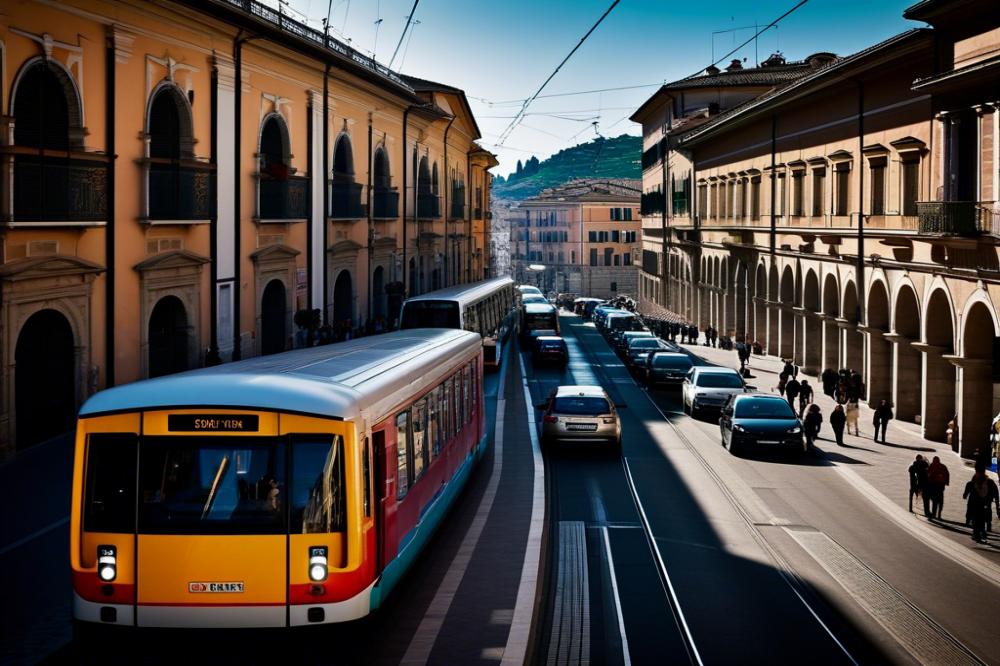
Public transport refers to the various modes of transportation that are available for use by the general public. This system plays a vital role in urban transport, serving millions every day. It offers an affordable way to navigate city life without the need for personal vehicles. As cities continue to grow, efficient public transit becomes crucial for reducing traffic congestion and promoting sustainable travel habits.
Several major cities in Italy boast extensive public transit systems. Rome, Milan, and Naples are among the most notable. In Rome, you can find a network of metro lines, buses, and trams. Milan takes pride in its advanced metro and tram systems, making city travel efficient. Naples, known for its unique geography, offers a combination of metro and funicular services that connect bustling neighborhoods.
Statistics reveal interesting trends regarding transportation preferences in these urban areas. In Rome, nearly 60% of residents rely on public transit daily. Data shows that a large percentage of travelers favor buses and metros over personal cars. In Milan, around 75% of commuters choose public transportation for their daily trips. This reflects a growing acceptance of shared transportation options in urban environments.
In addition, there are many discussions about the overall satisfaction with available services. Many users appreciate the convenience of taxis for quick trips, especially at night. However, others often prefer the affordability of buses and trams. Overall, these choices highlight how public transit not only shapes daily routines but also impacts the environment and economy.
The significance of public transit cannot be overstated. It acts as a backbone for urban transport across Italy. As cities strive toward smarter transportation solutions, the importance of comprehensive, reliable transit systems is more evident. Each mode of transit plays a role in shaping how people experience city life.
Metro Systems in Italian Cities
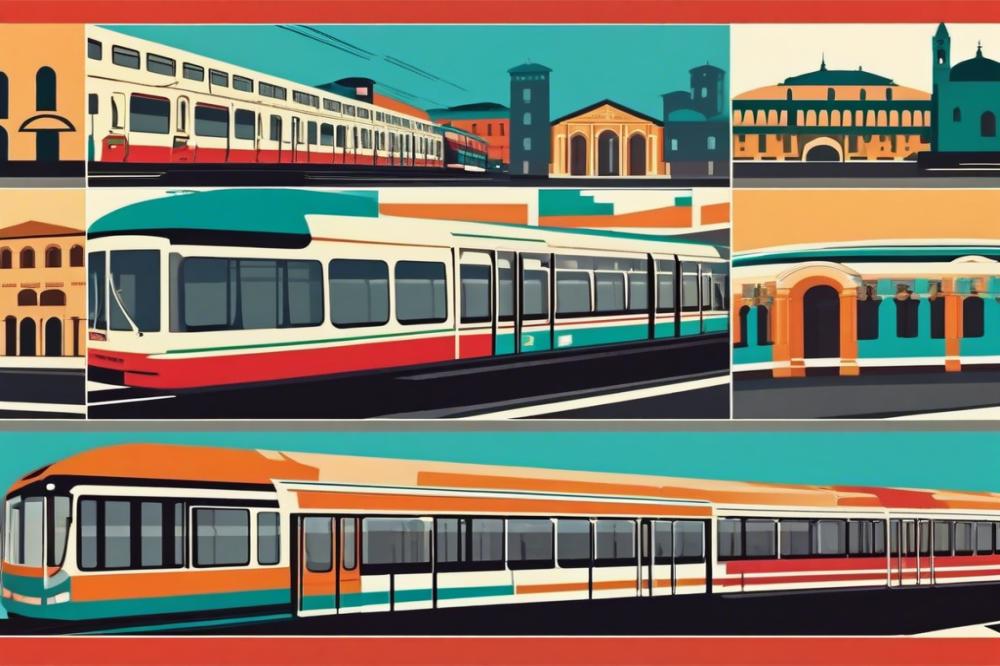
Milan and Rome host some of the largest metro networks in Italy. Milan’s metro, known as the Metropolitana, features four main lines that span the city and surrounding areas. Rome’s system, the Metropolitana di Roma, consists of several lines that connect the historic city with suburbs and key attractions. Both metro systems play vital roles in urban transport and public transit in their respective cities.
Frequency is a key characteristic of these metro systems. Trains run frequently during peak hours, allowing commuters to travel without long waits. For instance, in Milan, trains may arrive every 2 to 5 minutes. Coverage is also impressive; these networks reach many neighborhoods, making them accessible to a broad range of users. Rome’s metro connects essential sites such as the Colosseum and Vatican City, which helps tourists and locals alike.
Ticketing is straightforward in both cities. Passengers can purchase single tickets or opt for day passes. In Milan, users also have the option of getting a rechargeable card for added convenience. This method simplifies the process of using public transport, enhancing the overall traveling experience.
Using metro systems offers clear advantages for city travel. Speed is one of the most significant benefits. Getting around quickly is crucial, especially during busy hours. Beyond that, the efficiency of trains minimizes travel time within the cities. Connectivity to many urban transport options, like buses and trams, helps users navigate effortlessly.
Many commuters prefer the metro over other forms of transportation. Traveling by subway removes the hassle of road congestion and parking issues. For those on a tight schedule, this becomes a huge advantage. Furthermore, metro travel provides a consistent experience, making it easy for regular users to plan their journeys.
In summary, the metro systems in Milan and Rome embody effective urban transit solutions. They accommodate a variety of passengers, from daily commuters to tourists exploring historic landmarks. Overall, the use of these metro networks greatly enhances urban travel in Italy.
Buses: Essential for City Travel
Buses play a crucial role in urban transportation across Italy. Major cities like Rome, Milan, and Naples have extensive bus networks. These systems connect neighborhoods to city centers, making them vital for commuters and tourists alike. With frequent services and various routes, buses can be a reliable option for getting around.
City buses come in several forms. Standard city buses stop at designated stops along preset routes. There are also long-distance coaches, which connect cities across the country. These coaches offer a comfortable way to travel between major Italian destinations. They are often used for both business and leisure purposes, catering to a wide range of passengers.
Affordability is another advantage of using bus transport. Ticket prices are generally low, making it an economical choice for many. Discounts are available for students and seniors, which helps make urban transit accessible to all. Buses frequently run at regular intervals, reducing wait times. This accessibility ensures that anyone can take advantage of this public transit system.
Navigating the bus system can seem daunting at first. Finding the right bus stop and understanding routes might be challenging for newcomers. Therefore, it is wise to carry a city map or download transport apps that show live schedules. Checking signs at bus stops helps in confirming arrival and departure times. Familiarizing oneself with local languages can also be beneficial, especially when asking locals for help.
In Italy, there’s no shortage of options for transportation. Along with metro, trams, and taxis, buses provide a flexible way to explore the city. For tourists, hopping on a bus can lead to unexpected adventures. Every stop can introduce a new part of urban life, offering glimpses into local culture. This makes bus travel a great way to experience the true essence of Italian cities.
Trams: A Scenic Mode of Transportation
Trams form a vibrant part of public transport in Italy, especially in cities like Milan and Turin. In Milan, the tram network includes over 17 lines, stretching across the city and providing easy access to many landmarks. History meets modernity here, as some trams are vintage models that add a unique flair to the experience. Turin, known for its beautiful architecture, also boasts a well-connected tram system. This network serves as a convenient way to explore the city’s charm, connecting key locations with ease.
Traveling by tram offers visitors a mix of convenience and scenery. As the tram glides through the streets, passengers can admire historic buildings and vibrant neighborhoods. This mode of transport allows for a much closer look at the lifestyle within these urban landscapes. Tourists often find that trams are less rushed compared to buses or taxis. There’s no need to worry about parking, and they can hop on and off at leisure. For those wanting to see the city, trams provide an enjoyable and relaxing option.
Ticketing for trams is typically straightforward. Most cities use a unified ticketing system that covers various forms of urban transport, including metro and buses. Tickets can be purchased at vending machines located at tram stops or through mobile apps. Prices vary depending on the length of travel and the city. It’s important to validate your ticket before boarding. Schedules are generally reliable, with trams running frequently throughout the day. Early morning rides make for a peaceful commute, while evening trams can bustling with activity.
Tourists should remember that trams can get crowded during rush hours. However, this also enhances the experience, as it immerses you in the local atmosphere. Knowing when peak hours are can help plan your journey better. Many tram lines operate late into the night, providing a safe way to travel after dinner. Overall, using trams makes exploring Italy’s cities both accessible and memorable.
Taxis and Ridesharing in Italy
In Italy’s bustling urban areas, taxis serve as a primary means of transportation. These services are readily available around city centers and popular tourist spots. Hailing a taxi on the street is common, but you can also find designated taxi stands. Look for the lighted “Taxi” sign to locate them easily.
Comparing traditional taxis with ridesharing services reveals some differences. Taxis typically have a metered fare system, while ridesharing options, such as Uber, offer fares calculated through their app. Ridesharing can sometimes be cheaper, especially during non-peak hours. However, established taxi services may be more reliable during busy times.
Regulations govern the operation of taxis in urban areas throughout Italy. Taxi drivers must possess a special license and often display identification inside their vehicles. Costs associated with taxi rides vary by city and distance traveled. Initial fares include a start fee, followed by additional charges per kilometer. Ridesharing apps usually show the expected fare before you book your ride, providing clarity regarding costs.
Using taxis effectively requires some strategies. Speak clearly when giving your destination. It’s helpful to know key landmarks in the area. Having the name of your hotel or location written down can avoid confusion. When traveling during nighttime, consider booking in advance for safety and convenience. Always confirm that the driver has activated the meter once you enter the taxi.
For a smoother experience, be aware of peak hours and avoid busy times if possible. Shorter trips within tourist hotspots may be better suited for public transit options like metro or buses. Still, taxis remain a practical choice for those needing flexibility. Staying informed about the different options available can significantly enhance your city travel experience in Italy.
Tips for Using Public Transport in Italy
Public transport in Italy can be a great way to explore cities. First-time travelers might find it a bit overwhelming. However, some simple tips can make the experience smoother.
Practical Advice for First-Time Travelers
Always keep your belongings close. Pickpockets can be a concern, especially in crowded areas. Having a map or downloaded app on your phone is helpful. Before starting your journey, familiarize yourself with the routes. Maps are usually available at stations, but having your own can save you time.
Information on Purchasing Tickets and Passes
Tickets for metro, buses, and trams can be bought at kiosks, machines, or online. Always validate your ticket before boarding. Fines for not doing so can be steep. Consider getting a day pass if you plan to travel multiple times. These passes can provide savings and convenience for urban transport.
Understanding Schedules and Timetables
Schedules vary by city and type of transportation. Most metro services are reliable, but buses and trams may run late. During peak hours, be prepared for crowding. Checking real-time updates on an app can help you stay informed about delays.
Punctuality and Etiquette on Public Transport
Being on time is important when using public transit. Always arrive a few minutes early to catch your ride. Offering your seat to the elderly or pregnant individuals is polite. Avoid talking loudly on the phone. Keeping your voice down contributes to a pleasant atmosphere for everyone.
Using public transport in Italy can be a rewarding experience. With these tips, navigating metro, buses, trams, and taxis will feel less daunting.
Final Thoughts on Public Transport in Italy
Public transport in Italy offers many advantages for both locals and travelers. Saving money is one significant benefit. By choosing to ride buses, trams, or the metro, expenses drop dramatically compared to using taxis or renting a vehicle. Furthermore, these options reduce traffic, helping to maintain cleaner air in bustling urban areas.
Exploring cities through various transport means adds a cultural layer to your journey. Public transport connects you to locals and everyday life, allowing you to experience the true essence of Italian cities. Whether you are jumping on a tram in Milan or catching a bus in Rome, you’ll discover hidden gems more easily than if you were in a car. Such experiences enrich your visit and foster a sense of adventure.
Choosing metro systems also speeds up travel times significantly. With frequent stops located near key attractions, urban transport can take you from one landmark to another more efficiently. This access allows you to spend less time traveling and more time enjoying what each city has to offer.
Ultimately, the most rewarding aspect of traveling through Italy’s cities lies in the variety of transport options available. Navigating through the extensive network of trams, buses, and the metro not only simplifies your journey but broadens your exploration. Making the most of these urban transport choices can transform an ordinary visit into an extraordinary adventure filled with memorable experiences.
When visiting Italy, dive into the culture by relying on public transport. Embrace the charm of the journey as much as the destination itself. Navigating cities this way will allow you to connect with Italy in a deeper, more meaningful manner.

