Introduction
Understanding the demographics of Italy is essential for grasping the complexities of its society. The country presents a rich tapestry of regional differences that shape the lives of its citizens. While North Italy often boasts economic strength and urbanization, South Italy faces challenges related to economic disparity and population decline. This article will explore key themes that illustrate how Italy is changing: migration patterns, an aging population, and the impact of cultural diversity.
Migration plays a crucial role in shaping population trends. For years, individuals have moved from the south to the north in search of better opportunities. This movement has implications for both regions. North Italy experiences an influx of workers, while South Italy grapples with youth leaving for cities. Such patterns highlight the unevenness of growth and development across the nation.
The aging population presents another pressing concern. Older individuals make up a significant portion of society, particularly in the south. This shift influences healthcare needs and economic stability. With declining fertility rates, concerns grow regarding future workforce availability, especially in regions already facing economic challenges.
Additionally, economic disparities between the north and south underscore the need for targeted solutions. Northern regions tend to thrive, supported by industrial growth and urban centers. In contrast, southern areas often deal with higher unemployment and fewer resources. These differences affect daily life, impacting everything from education to public services.
Urbanization adds yet another layer to Italy’s demographic story. Cities in the north attract migrants with promises of jobs and better living conditions. Meanwhile, many towns in South Italy are witnessing shrinking populations and rising abandonment rates. These changes affect cultural dynamics and community structures, further complicating the picture.
By examining these factors, we can better understand how regions in Italy differ and evolve. The interplay of migration, aging, economic realities, and urban growth plays a pivotal role in shaping Italy demographics today.
Italy demographics
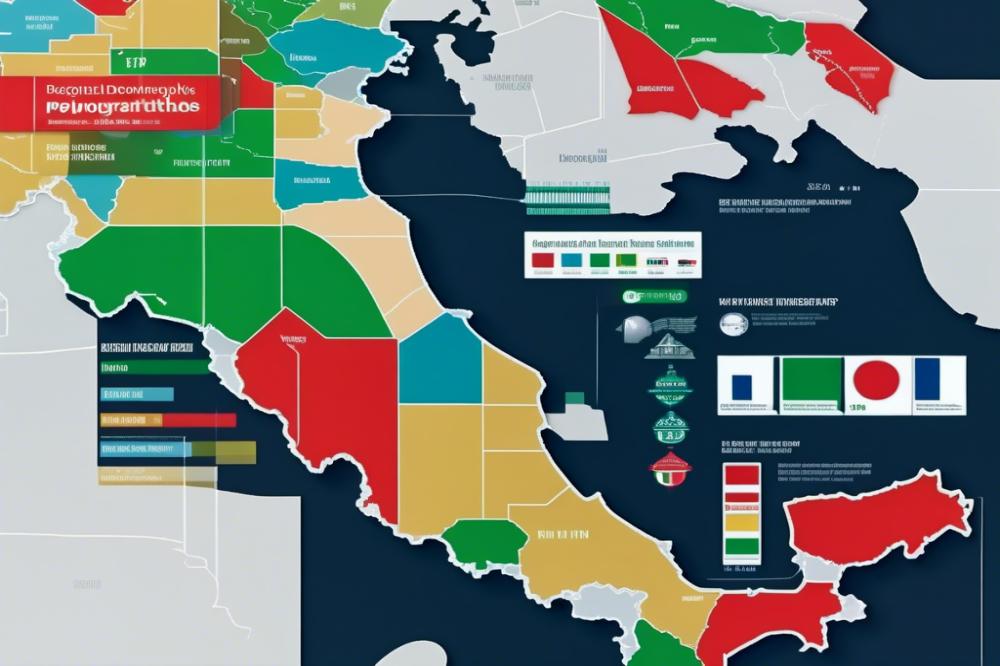
Population statistics in Italy reveal significant regional differences. North Italy, for example, has a population density that is much higher than that of South Italy. The northern regions boast bustling cities like Milan and Turin, which attract many people in search of better opportunities. In contrast, many areas in the south face population decline due to youth migration toward urban centers in the north. This shift is part of a more extensive trend where young Italians leave their hometowns for jobs and education.
Fertility rates play a crucial role in shaping demographic changes across the country. Over the past few decades, South Italy has witnessed lower birth rates compared to the north. This decline is alarming, particularly for southern regions with aging populations. Families often choose to have fewer children, resulting in long-term effects on the workforce and economy. The situation becomes even more challenging as the existing population grows older without a sufficient influx of younger citizens.
Urbanization in Italy varies remarkably between the north and south. Northern cities continue to expand, emphasizing technological and financial sectors. This growth creates vibrancy and attracts migrants from other countries. Conversely, southern areas often experience slower growth, struggling with economic disparities. Many towns face challenges due to lack of investment and job opportunities, which drive residents away.
Cultural diversity also showcases stark contrasts from North to South. Northern regions exhibit a mix of influences, from the alpine cultures in the north to distinctive culinary traditions. In the south, traditions are often more homogeneous, affected by historical ties to agriculture and family. This combination of cultural backgrounds enriches the Italian experience, yet it highlights the different lifestyles and outlooks within the nation.
Migration patterns continually impact Italy’s demographics. Immigrants contribute to the labor force in both the north and south but face different challenges. Cities in the north often have resources to support newcomers, while the south struggles to provide adequate services. This discrepancy leads to varying experiences for immigrants depending on where they settle.
The current state of Italy’s demographic landscape is influenced by aging populations. As birth rates decrease and life expectancy increases, the population is gradually aging. This trend raises concerns about healthcare, pensions, and the potential burden on younger generations. Addressing these issues requires careful planning and cooperation between regions.
Overall, Italy’s demographic shifts illustrate a country in transition. The interplay of varying fertility rates, migration patterns, urbanization, and cultural diversity reflects a rich yet complex tapestry. Understanding these factors is key to grasping how Italy is changing from north to south.
Regional Differences: North Italy
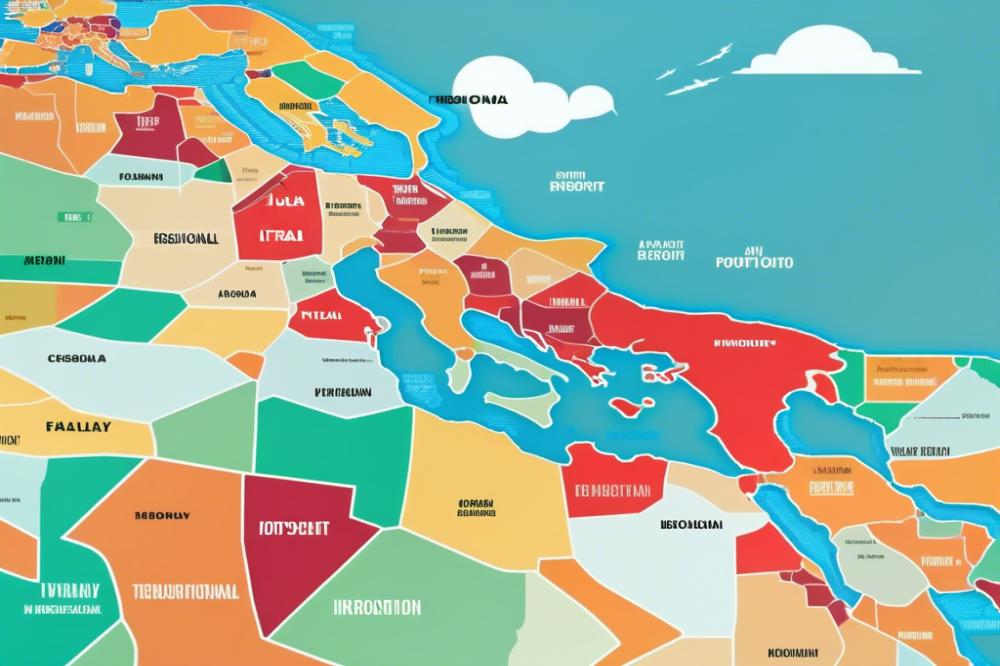
In Northern Italy, population trends tell a different story than in the South. Cities like Milan and Turin are bustling with life. These urban areas experience higher population density compared to their southern counterparts. Economic opportunities in Northern regions attract many seekers of a better life. Manufacturing and finance thrive here, driving people to settle in search of jobs.
Urbanization plays a significant role in these dynamics. It transforms landscapes and living conditions. As more individuals flock to cities, rural areas face challenges. Some towns struggle as people migrate toward urban hubs. This shift creates vibrant metropolitan centers. Yet, it also contributes to population decline in smaller communities.
Fertility rates in the North remain lower than those in the South. Families are often smaller, influenced by career ambitions and higher living costs. The desire for financial stability seems to take precedence over larger families. In contrast, Southern regions still see slightly higher fertility rates. Cultural diversity adds to the mix, making Northern cities dynamic but often fragmented.
Migration patterns indicate significant movement. People from all over the world come to work in Northern Italy. This influx enriches the cultural fabric but also complicates social dynamics. As more migrants settle, cities must adapt to new cultures and languages. The situation emphasizes both challenges and opportunities in these areas.
Another pressing concern is the aging population. Areas like Lombardy and Veneto are witnessing an increase in older residents. Many young adults leave for better prospects elsewhere. This trend creates a demographic imbalance. The workforce shrinks, raising questions about future economic sustainability. Northern Italy must address these challenges to maintain growth while supporting its aging population.
Economic disparities between North and South highlight the divide. Northern regions enjoy a robust economy, while the South still grapples with high unemployment. This economic gap impacts migration as young people seek chances in the North. Opportunities are often found in industries that flourish in urban settings.
In summary, the demographic portrait of Northern Italy is complex. Urbanization, economic conditions, and changing family structures influence population trends. As cities grow, they face the dual challenge of embracing diversity while addressing social issues. Understanding these regional differences helps illuminate the broader changes occurring across the country.
Regional Differences: South Italy
Southern Italy faces significant challenges that impact its demographic landscape. The region has seen a steady population decline, affecting communities deeply. Many families are moving away to seek opportunities elsewhere, leading to empty homes and shrinking towns. Some areas have been particularly hard hit, where once-thriving villages now witness a stark contrast in vitality.
Economic disparities magnify the issues in South Italy. High unemployment rates prevail, particularly among young people. Jobs are scarce, and many graduates find themselves leaving for North Italy or even other countries. This economic instability discourages families from having more children, resulting in decreasing fertility rates.
The aging population compounds these problems. A greying demographic places pressure on social services and healthcare systems. Younger people frequently relocate, leaving behind an older generation that requires more assistance. This shift alters the community’s fabric, increasing the burden on local economies.
Cultural diversity remains a vibrant aspect of Southern Italy. Immigration has transformed the social landscape, with many newcomers bringing different traditions and cultural practices. This mix can be seen in the arts, cuisine, and daily life. However, it sometimes causes tension between long-time residents and newcomers, highlighting the complexities of migration patterns in the region.
Urbanization also plays a role in these demographic changes. Cities in the South may offer more amenities and opportunities, leading people to congregate in urban areas. Conversely, rural communities face even greater decline as younger individuals leave for city life. This urban-rural divide presents challenges to local governments striving to maintain balance.
In summary, the demographic situation in South Italy reveals several interlinked issues. Population decline, economic disparities, and a rising elderly demographic all prompt concern. Despite these obstacles, the cultural diversity and emerging migration patterns show a region in flux, adapting to new realities.
Migration Patterns
Italy has experienced significant internal migration trends from South to North. Many people from South Italy leave their homes in search of better jobs and opportunities. This movement has reshaped the demographic landscape. It highlights stark regional differences, particularly in economic circumstances.
Economic disparities between the North and South are a major factor. North Italy boasts more robust economic growth and higher employment rates. As a result, younger generations from Southern regions flock to cities like Milan and Turin. They seek employment in various sectors. Urbanization is quickening in these northern cities, attracting those who want a better quality of life.
International migration adds another layer to Italy’s demographics. Immigrants from outside the European Union bring cultural diversity to the country. They settle in various regions, especially urban centers. Their economic contributions are significant, filling gaps in the labor market where local workers may be lacking. This helps to counteract some demographic challenges, like the aging population in South Italy.
Population decline is a pressing issue in many Southern regions. Low fertility rates contribute to this trend. Families often feel the pressure to migrate north for financial stability. Thus, communities face shrinking populations and an increase in older residents. This situation creates concerns about sustainable regional development.
Moreover, migration patterns influence local cultures and social structures. Many areas in the North now reflect a blend of Italian and immigrant cultures. Communities are changing as they adapt to new influences. This evolution can foster innovation but may also lead to tensions around identity and integration.
The impact of these movements is profound. As young workers leave the South for the North, those regions must find ways to retain talent. Policies addressing youth employment and local development initiatives are critical. While migration offers people hope, it also requires significant adjustments to demographics and labor markets.
Aging Population
The aging population trend in Italy reveals distinct regional differences. In North Italy, cities like Milan and Turin are experiencing an influx of younger professionals due to urbanization. This contrasts sharply with South Italy, where many areas face significant population decline. Here, aging is more pronounced, as younger generations migrate to larger cities or even abroad in search of better opportunities.
Healthcare systems in Italy are under pressure from an increasingly older demographic. With longer life expectancies, many regions must adapt to the needs of the elderly. North Italy has more resources to handle these challenges, with advanced medical facilities and greater investment in social services. However, South Italy’s economic disparities limit access to care for senior citizens. This creates a pressing need for targeted strategies in less affluent regions.
Fertility rates also play a crucial role in shaping these dynamics. Nationally, birth rates are at an all-time low. Younger people are delaying starting families due to economic uncertainty. In South Italy, the rate of childbirth is particularly low. Social norms and economic pressures contribute heavily to the trend. Families face hardships, making child-rearing a daunting task. In comparison, some areas in North Italy have higher fertility rates, albeit still below replacement levels.
Moreover, the relationship between aging and regional factors is evident. Migration patterns show that many young people leave less developed areas for better prospects. As the youth leave, the average age of the remaining population increases. Communities in South Italy struggle more as they deal with both an aging population and a declining workforce. Maintaining vibrant communities amidst these trends presents an ongoing challenge for local leaders.
Cultural diversity also influences how regions cope with aging. Different attitudes toward elderly care exist across Italy. In South Italy, family structures tend to be more traditional, often providing support to older relatives. Furthermore, this cultural aspect can enhance the quality of life for seniors. However, it does not entirely mitigate the economic barriers that families face.
As Italy continues to confront these changes, understanding regional differences becomes essential. Policymakers must grasp the nuances of demographic shifts, particularly concerning health care and social service needs. Additionally, addressing low fertility rates and encouraging family stability may be vital for long-term sustainability. Ultimately, these factors will shape the future of both North and South Italy, affecting every aspect of daily life.
Urbanization Trends
Urbanization patterns in Italy reveal distinct differences between the North and South. In North Italy, cities like Milan and Turin thrive, showing rapid urban growth. This expansion attracts many young people looking for jobs and better opportunities. On the other hand, South Italy is experiencing a slower pace of urban growth. Here, cities like Naples or Palermo face challenges in keeping their populations stable.
As urban areas flourish in the north, they create a wealth of economic opportunities. Many industries and services attract workers from nearby towns and regions. Consequently, this migration pattern significantly shifts the population distribution. Families seek to move closer to these thriving cities in search of better living standards.
Rural depopulation presents a pressing issue in the southern regions. Many young individuals leave their hometowns, leading to a population decline. Older generations are left behind, resulting in an aging population. The consequences of this trend are serious, impacting local economies and community wellbeing. As people gravitate towards urban centers, the rural lifestyle diminishes.
Economic disparities between North and South further exacerbate these issues. In the North, job opportunities in technology, finance, and design are abundant. Conversely, the South faces higher unemployment rates and lower economic growth. Fertility rates in these regions are also telling; they are generally lower in urban areas where families delay having children.
Alongside these demographic shifts, cultural diversity flourishes in urban centers. Cities in the North attract residents from different backgrounds, enriching community life. Yet, in the South, the cultural fabric faces risk as migration patterns change. As populations dwindle, traditional customs and practices may diminish.
In summary, urbanization in Italy starkly contrasts between its regions. The North is booming while the South struggles. Understanding these trends gives valuable insight into regional demographics and the future of Italian society.
Economic Disparities
Italy exhibits striking economic disparities between its northern and southern regions. North Italy boasts a thriving economy, driven by strong industrial sectors and vibrant urban centers. In contrast, South Italy struggles with high unemployment and lower wages. This imbalance significantly influences migration patterns, as people often seek better opportunities in the north.
Young adults frequently move from the south in search of jobs. Cities like Milan and Turin attract talent from various backgrounds, creating a diverse workforce. Meanwhile, many southern towns face population decline. As job prospects dwindle, younger generations leave, leaving behind an aging population that increases the burden on social services.
Differences in economic policies further widen the gap. Northern regions benefit from significant investment and innovation. This investment fosters urbanization, enhancing living standards and boosting local economies. Conversely, southern areas receive less attention and funding, making it difficult for them to keep pace.
Fertility rates have also played a role in shaping demographics. In regions with strong economies, families tend to have fewer children, focusing on career development. South Italy, however, has higher fertility rates, partly due to cultural values around families. Yet, these higher rates are not enough to counteract the outmigration of young people.
Cultural diversity in the north enriches its economy. In cities, different backgrounds combine to inspire entrepreneurship and creativity. Southern areas maintain distinct regional identities, but this can hinder broader economic collaboration. Bridging these regional differences is crucial for a more balanced future.
Aging populations pose long-term challenges for both regions. As younger workers leave the south, the number of active participants in the workforce decreases. This trend raises questions about economic sustainability and social security systems. Without intervention, these trends will have far-reaching implications for Italy’s future.
Final Thoughts on Italy’s Demographic Landscape
Summarizing the key findings, it is evident that Italy experiences profound regional differences that shape its demographic landscape. The trends indicate a growing divide between the North and South, with the northern regions enjoying stronger economic opportunities and younger populations. Southern areas, on the other hand, contend with aging citizens and a declining workforce.
Future implications of these changes are significant. As the population ages, Italy will wrestle with challenges in healthcare and pension systems. Young people are migrating towards the North, leaving the South increasingly vulnerable to economic decline. This trend may exacerbate existing disparities and create further strain on social services.
Addressing these issues requires a multi-faceted approach. Investments in education and job creation in the South could help retain the youth. Strengthening regional infrastructure may also promote better living standards. A concerted effort to balance the economic scales will be crucial for a cohesive society.
In conclusion, Italy stands at a crossroads. The current demographic shifts demand immediate attention. Policymakers must think critically about the future. A proactive strategy can help mitigate the challenges posed by an aging population and regional inequalities. Ignoring these trends could lead to deeper divides, ultimately affecting Italy’s social fabric.