Introduction
Italy is known for its rich history, beautiful landscapes, and diverse cultures. The demographics of this country reflect a tapestry woven through centuries of change. With its unique blend of urban and rural areas, understanding the population statistics reveals much about life in this Mediterranean nation. Analyzing the different regions provides insight into how various factors shape and influence the demographics across Italian provinces.
Diving into a provincial analysis is important for many reasons. Regions may vary significantly in terms of population density, age distribution, and socioeconomic factors. For example, the bustling cities like Rome and Milan often attract younger populations seeking job opportunities. In contrast, rural areas might show a different age distribution, with a larger proportion of older residents. Such contrasts highlight the regional diversity found throughout Italy.
The purpose of this article is to present a detailed examination of Italy demographics through a regional lens. By looking at province population numbers and other key factors, readers will gain a clearer understanding of the current trends. Immigration trends also play a crucial role, bringing new influences to communities across the provinces. Each section will explore how these aspects interact and contribute to the overall demographic landscape of Italy.
regional breakdown of Italy
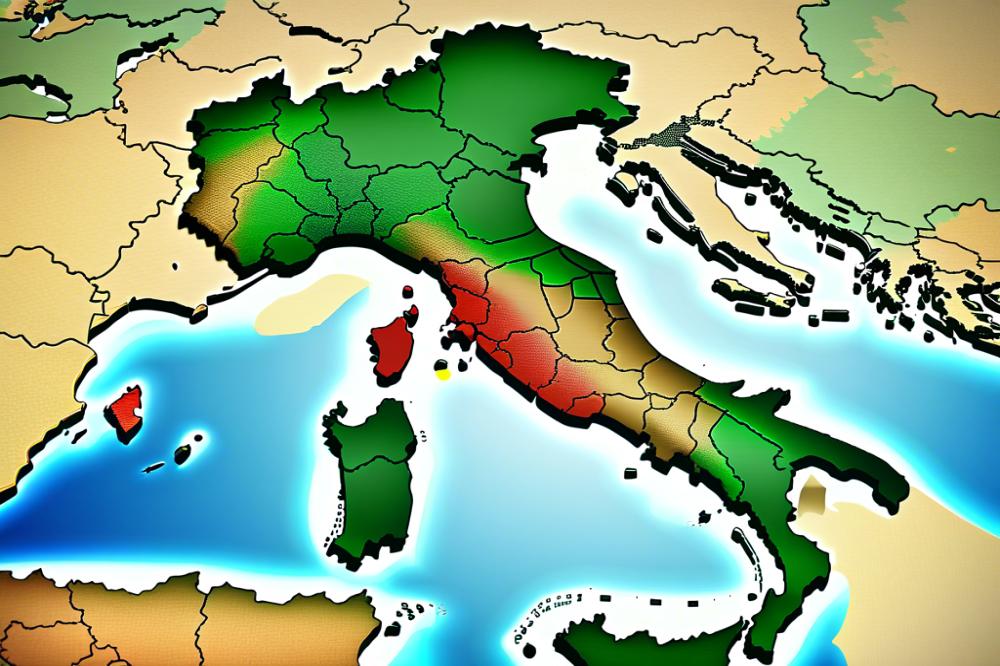
Italy is made up of 20 regions, further divided into 107 provinces. Each province has its own character and contributes to the overall culture of the country. For instance, the northern regions like Lombardy and Veneto experience different demographics compared to the southern regions such as Calabria and Sicily. Urban areas tend to have higher population densities, while rural provinces offer a different lifestyle.
Description of Italy’s Provinces
Understanding the Italian provinces is essential for a demographic analysis. These provinces vary in size, population, and economy. For example, Lombardy, with its capital Milan, is one of the most populated areas. It showcases bustling urban life and industrial strength. In contrast, regions like Molise are less populated and represent a more pastoral lifestyle.
Key Regions in Italy and Their Characteristics
Regions like Tuscany are known for their rich history and art. The picturesque landscapes attract tourists and help bolster the local economy. Meanwhile, regions in the south, such as Puglia, have a unique agricultural focus, producing olive oil and wines. This regional diversity is crucial, as it shapes local traditions and influences demographic trends.
Population Statistics for Each Region
Population statistics reveal significant differences across regions. Northern areas usually have higher average incomes and greater urbanization. In contrast, southern provinces often deal with challenges like unemployment and aging populations. Age distribution plays a key role, as younger people frequently migrate from rural provinces to urban centers in search of better opportunities.
Significance of Regional Diversity
Regional diversity in Italy highlights the contrasts within the country. Different socioeconomic factors affect lifestyle and community spirit. Immigrants often settle in more urbanized provinces, impacting local cultures and economies. Understanding these dynamics is crucial for developing policies that address the unique needs of each province.
Population Statistics and Density
Current population figures for Italy reveal a nation home to over 58 million people. This statistic reflects a diverse mix of cultures, traditions, and lifestyles across its various regions. Each province exhibits specific demographic attributes, showcasing distinct trends in population density.
Analysis of Population Density by Province
Population density varies significantly among the Italian provinces. In urban areas like Milan and Rome, the number of individuals living per square kilometer is remarkably high. Conversely, provinces in the southern part, such as Calabria and Sicily, often have larger areas but fewer inhabitants. This disparity illustrates the concentration of people in cities compared to the sparsely populated rural regions.
Comparison of Urban vs Rural Population Distribution
When examining urban versus rural population distribution, important differences arise. Urban centers tend to attract younger individuals seeking job opportunities and education. In contrast, rural areas often have an aging population that remains attached to traditional lifestyles and agricultural practices. This demographic analysis highlights the challenges and opportunities unique to each environment.
Impact of Population Density on Local Economies
Population density has significant effects on local economies. High-density urban areas often benefit from increased economic activity and investment. A bustling city can provide diverse job opportunities, but it also grapples with challenges like congestion and pollution. On the other hand, rural provinces may experience slower economic growth, largely due to a lack of infrastructure and resources. Understanding socioeconomic factors in these regions can help inform policies that promote balanced development.
Shifts in age distribution, along with immigration trends, further complicate the demographic landscape. Younger populations in cities face different challenges than older populations in the countryside. As immigration patterns change, provinces must adapt to new cultural dynamics and economic needs, adding layers of complexity to Italy’s regional diversity.
Demographic Analysis
Age Distribution Across Italian Provinces
Population statistics reveal significant differences in age distribution across Italian provinces. Some areas boast a youthful population, especially in regions with universities. Others face an increasing number of elderly residents. These patterns contribute to the overall demographic landscape of the country. Urban locations typically attract younger people seeking education and employment. In contrast, rural areas often show an older demographic. The blend of these age groups shapes the social fabric of each province.
Trends in Aging Population and Youth Demographics
Italy is experiencing notable trends toward an aging population. Many provinces are reporting a rise in residents aged 65 and older. Factors influencing this trend include better healthcare and lower birth rates. Youth demographics, however, tell a different story. While some provinces see young families, others may struggle with brain drain as youth relocate for jobs. This dichotomy illustrates a broader national concern about balancing the needs of different age groups.
Impact of Immigration Trends on Demographics
Immigration is another key factor affecting population dynamics. Many Italian provinces welcome immigrants, which changes the demographic landscape. These newcomers bring diverse cultural backgrounds and skills. Their presence often stimulates local economies and enriches communities. However, some regions face challenges due to integration. Striking a balance between welcoming newcomers and ensuring social cohesion is essential.
Regional Variations in Demographic Characteristics
Regional diversity is clear in Italy’s demographic characteristics. Different provinces exhibit varied population density and socioeconomic factors. Industrial areas, for instance, tend to have higher populations compared to agricultural regions. Additionally, urban versus rural settings greatly influences lifestyle, job opportunities, and services available to residents. Understanding these variations is crucial for policymakers. Tailoring strategies to specific regional needs can foster better community development.
Socioeconomic Factors Influencing Demographics
Overview of Economic Conditions in Different Provinces
Economic conditions across the Italian provinces vary widely. Northern regions often exhibit strong industrial bases, such as Lombardy and Emilia-Romagna. Conversely, southern provinces like Calabria and Sicily frequently struggle with higher unemployment rates. This disparity creates a diverse socioeconomic landscape. When people think of regional breakdowns, they notice factors like income levels and job availability. Areas with thriving businesses attract new residents, while those with stagnation see population declines.
Correlation Between Socioeconomic Factors and population statistics
Various socioeconomic elements directly influence population statistics. Regions with higher levels of education and income often report growth in their younger populations. In contrast, places with limited job opportunities tend to witness an aging demographic. The age distribution within provinces can tell much about their economic health. A younger population is usually a sign of hope and vitality, while an older one can signify potential challenges for the future.
Effects of Migration Patterns on Local Economies
Migration trends play a significant role in shaping local economies. Many choose to leave lower-income provinces for urban centers that promise better prospects. This movement intensifies issues in rural areas, where many services could face decline due to concentrated out-migration. With migration, labor markets shift, often leading to growth in urban regions. Additionally, immigration trends bring diversity to cultural and economic life, impacting provincial dynamics.
Role of Employment Opportunities in Demographic Shifts
Employment opportunities are crucial in influencing demographic changes. Provinces that create jobs often attract young talent, while those lacking work face stagnation. Regions with a surplus of well-paying jobs experience significant population density increases. On the other hand, high unemployment can lead to lower birth rates and increased outward migration. This trend underscores the importance of job creation in maintaining a balanced regional diversity across Italy.
Final Thoughts
Regional population breakdowns reveal significant insights into Italy’s demographics by province. Diverse trends emerge, showcasing differences in age, migration, and economic activities. Northern regions often display higher population density, while some southern areas face decline. Urban centers like Rome and Milan continue to attract residents, leading to bustling growth. In contrast, smaller towns struggle with aging populations and a lack of job opportunities.
Implications of these demographic trends are crucial for policy and planning. Local governments must address the increasing burden on healthcare and social services in growing cities. Investment in infrastructure is necessary to support expanding populations. Additionally, areas with decreasing populations require strategies to revitalize communities and attract newcomers. A focus on education and employment can enhance opportunities in these provinces.
The future outlook on population changes in Italy seems complex. As international migration patterns shift, some regions might experience new influxes. With an aging population, younger generations may need encouragement to stay. Policymakers will need to adapt to these evolving dynamics. Overall, understanding these population statistics is essential for shaping a sustainable future for all provinces.