
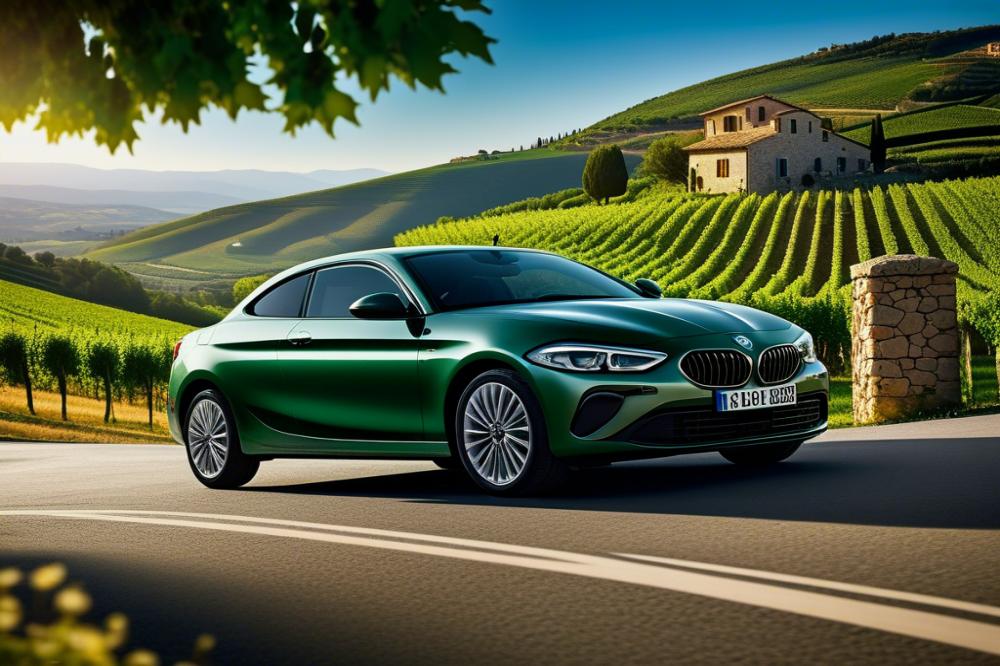
Traveling Through Italy
Exploring Italy is a dream for many travelers. This beautiful country offers rich history, stunning landscapes, and delightful cuisine. From the canals of Venice to the rolling hills of Tuscany, there is so much to see. While trains are a popular option, renting a car offers a unique way to experience the local culture at your own pace.
Why Rent a Car?
The appeal of car rentals has grown significantly in recent years. With a car, travelers can reach hidden gems off the beaten path. Popular destinations like Amalfi Coast and Cinque Terre can be more accessible. However, one must carefully consider car rental costs and how they fit into a vacation budget.
Purpose of This Article

This article aims to provide essential information regarding Renting a Car in Italy. Knowing the Car Rental Rules Italy is vital for a smooth experience. Topics will include driving tips, insurance options, and rental car requirements. Understanding road rules is equally important, as they vary from country to country. Travelers will also learn about fuel policies and age restrictions, which can impact a trip. We will also discuss toll roads and hidden fees, so there are no surprises along the way.
With a little planning and knowledge, driving in Italy can be a memorable adventure. Let’s dive into the details and get you ready for a fantastic Italian road trip.
Renting a Car in Italy
Renting a car in Italy can be an exciting way to explore the country. Begin by choosing a reliable rental agency. You can find companies at airports or in city centers. Booking online in advance often saves money and guarantees availability.
Rental Car Requirements
Before heading to the rental office, gather essential documents. A valid driver’s license is a must. If your license isn’t in English, an International Driving Permit (IDP) is recommended. You should also have a credit card for securing your rental. Cash and debit cards may not be accepted.
Age Restrictions and Driver’s License Requirements
Most agencies set a minimum age for drivers, typically 21 years old. Drivers under 25 may incur a young driver fee. This extra cost can significantly increase car rental costs. In addition, some companies place maximum age limits as well. Always check the specific rules of the rental provider.
Italy’s road rules differ from those in other countries. Familiarize yourself with local driving regulations before hitting the road. Speed limits, for example, are strictly enforced. Make sure to adhere to posted signs and respect speed limits. Be aware that toll roads are common throughout Italy. They can add unexpected expenses, so have cash or a credit card ready.
Insurance options vary by company. You may find basic coverage included in the price. However, additional insurance can provide extra peace of mind. Look into collision damage waivers or personal liability coverage options. Reviewing these policies can help avoid hidden fees later.
GPS navigation can be beneficial while driving. Consider renting a GPS device or using a navigation app on your phone. Download offline maps for locations with limited service. Italy’s winding roads can present challenges, especially in rural areas.
Finally, fuel policies vary among rental agencies. Some may require you to return the car with a full tank. Others might offer prepaid options. Understanding fuel policies ahead of time can help you avoid extra charges.
Car Rental Costs
Understanding car rental costs in Italy is important for travelers. Daily rental rates can vary based on the car type and rental company. On average, expect to pay between €30 to €100 per day. Luxury vehicles will obviously cost more while economy cars could be cheaper. You should also check for any additional fees that might be tacked on. These can include airport surcharges, young driver fees, and costs related to one-way rentals.
When renting a car, fuel policies need attention. Some companies offer a full-to-full policy, meaning you return the car with a full tank. Others might provide a full tank but charge extra for unreturned fuel. Fuel types can also differ, with many cars in Italy running on diesel. Always verify what fuel is required before departure.
Hidden fees can often surprise unsuspecting renters. Look out for charges related to GPS navigation. Some rental firms charge for this service. Extra charges might also apply if you are under the minimum age requirement. It’s crucial to read the terms and conditions carefully to avoid unpleasant surprises.
Insurance options can make a significant difference in rental costs. Basic coverage usually comes with the rental. However, consider purchasing additional insurance for peace of mind. Third-party liability is typically included, but collision damage waiver might not be. Researching insurance details is wise before committing to a rental.
Italy driving tips are essential for a smooth journey. Familiarize yourself with Italy road rules before hitting the streets. Speed limits generally range from 50 km/h in cities to 130 km/h on highways. Be aware of toll roads as they are prevalent. Always keep some cash or a credit card handy for these payments.
Before starting your trip, check rental car requirements. These often include a valid driver’s license and a credit card. Many companies have an age restriction of 21 years old. However, additional fees may apply for drivers under 25. Make sure to confirm these details with the rental agency.
Insurance Options
When planning to rent a car in Italy, it’s essential to understand the insurance landscape. Mandatory insurance coverage exists for anyone driving a rental vehicle. This basic insurance protects against third-party liability. It’s wise to know this is included in the rental cost.
Beyond the obligatory coverage, several additional options enhance your protection. Collision damage waiver (CDW) is a common choice. It limits your financial responsibility if the vehicle is damaged in an accident. Theft protection is another option you might consider. This insurance helps mitigate losses if the car is stolen during your rental period.
Choosing the right insurance depends on your personal travel needs. If you plan to explore off-the-beaten-path locations, CDW could be vital. Driving in urban areas may present higher risks, so additional coverage might bring peace of mind. Consider your own car insurance policy as well. Sometimes, you might already be covered when renting a vehicle abroad.
Traveling habits play a significant role in making an informed choice. Evaluate the risks of toll roads and driving in busy cities. Hidden fees can be a surprise when picking up the car. Checking for age restrictions is also crucial, especially for drivers under 25. It’s best to weigh the potential costs against what you might save.
Remember also to ask about fuel policies. Some companies require you to return the tank full. Others may charge for refueling at a higher rate. If you’re unsure about GPS navigation, opt for a rental that includes one. Consider how easily you can navigate Italy’s road rules.
Ultimately, take the time to review what each insurance option covers. Ensure you understand the specifics. This way, you can embark on your Italian adventure with confidence. Feeling prepared helps you enjoy the beauty of the roads without unnecessary worry.
Italy Road Rules
Driving in Italy can be an adventure. Understanding the road rules is vital for a smooth experience. Familiarizing yourself with local regulations can save you headaches.
Important Regulations
One major rule is that all drivers must carry their driver’s license, vehicle registration, and proof of insurance. These documents are non-negotiable during police checks. There are also specific rules about using seat belts, which are mandatory for all passengers. Fines for violations can be hefty. Drink-driving laws are strict, and having a blood alcohol content over 0.05 percent can lead to serious penalties.
Driving on the Right Side
In Italy, cars drive on the right side of the road. This might be an adjustment for some visitors. Always remember that the left lane is for overtaking. Emergency vehicles must be given the right of way, so keep an eye out for them. Roundabouts require yielding to vehicles already inside, which can be confusing at first.
Speed Limits and Signage
Speed limits vary based on the type of road. On highways, the limit is usually 130 km/h (about 81 mph). In urban areas, it drops to 50 km/h (31 mph). Stay cautious in residential zones, where limits may be even lower. Signs are typically clear but pay attention to any changes that indicate lower limits. Round blue signs denote speed limits, while red circles signal restrictions or no entry.
Toll roads are common, and costs can add up. Be sure to have cash or a credit card for toll booths. As for fuel, gas stations often have varied hours. It’s advisable to fuel up when you can to avoid running low.
Plan for GPS navigation, as it can help you avoid getting lost. Some car rental agencies offer GPS as an additional service. Lastly, age restrictions often apply. Drivers under 25 may encounter higher rates or additional fees.
Keep an eye out for hidden fees from rental agencies. These can often include additional charges for extra drivers or upgrades. Make sure to clarify all costs upfront to avoid an unwelcome surprise.
Italy Driving Tips
GPS Navigation Recommendations for Travelers
Car navigation can make your journey smoother. Many travelers find mobile apps like Google Maps or Waze to be reliable. They offer real-time traffic updates and help avoid delays. Consider downloading offline maps as well, especially when visiting remote areas. Having a GPS device or using a smartphone is wiser than relying on traditional paper maps. Also, check if your car rental company provides a GPS unit. Sometimes, this is an added cost that might be worth it.
Driving in Urban vs. Rural Areas
Driving in cities like Rome or Milan can feel overwhelming. Streets are narrow, and traffic can be dense. In these spots, patience is key. Look out for ZTL zones, which restrict access to certain areas. Violating these rules could lead to fines. On the flip side, rural driving offers breathtaking views and less congestion. Still, watch for winding roads and animals. These factors require extra caution. Be mindful of local drivers, as they might not always follow road rules.
Insights into Toll Roads and Payment Methods
Italy has many toll roads called “autostrade.” They help you get to your destination faster, but they come with a price. Prepare to pay in cash or use a credit card at toll booths. Some major highways may have electronic toll systems. Using an automatic toll transponder can save you time and hassle. Keep some coins handy for smaller tolls along the way. Always check for any hidden fees related to toll use when reviewing your rental car contract.
Handling Local Driving Habits
Local driving habits may surprise you. Italians are known for their fast pace and assertive driving. Don’t be alarmed if drivers seem aggressive. This is often just the norm. Use your turn signals generously as they help communicate your intentions. Be cautious at roundabouts; they can be tricky and chaotic. Additionally, understand that pedestrians may not always have the right of way, especially in busy areas. Keeping calm and adjusting to these habits can enhance your experience.
Final Thoughts on Exploring Italy by Car
Renting a car in Italy offers travelers an unmatched opportunity to explore at their own pace. The country’s stunning landscape and charming towns are often best experienced on the road. However, understanding the costs associated with car rental is crucial for a smooth experience. Various factors can influence car rental costs, including the type of vehicle, rental duration, and the time of year you visit. Keep an eye on these details to avoid surprises.
Driving rules in Italy can differ greatly from what you may be used to. Familiarity with local regulations and speed limits is essential for a hassle-free journey. Remember to watch out for ZTL (Limited Traffic Zones) in city centers. Violating these can lead to fines, so always plan your route carefully.
Insurance should not be overlooked either. Verify what your rental includes and consider additional coverage for peace of mind. Being well-informed about your insurance can save you from unnecessary expenses later. It’s a good idea to learn some Italy driving tips, especially regarding parking and road etiquette. Locals can be aggressive, so defensive driving is advised.
Renting a car undoubtedly adds flexibility to your travel. You can visit hidden gems, picturesque villages, and breathtaking viewpoints off the tourist track. Enjoy spontaneous stops along the way. Make sure to have a good navigation app to help you find your way. Prepare for varying road conditions, and stay alert especially in rural areas.
In summary, taking the wheel in Italy can lead to unforgettable adventures. With careful planning, understanding the rules, and being mindful of rental specifics, you can enhance your experience. Equipped with this knowledge, set out and enjoy the freedom that comes with exploring Italy by car. Happy travels!

