

Introduction
In ancient Rome, gardens were not just for beauty; they were significant in daily life. Roman herb gardens played a crucial role in various aspects of society. People utilized these spaces for their culinary uses, creating flavorful dishes that delighted the palate. Herbs, grown in abundance, provided essential flavor to traditional cooking, transforming simple meals into delightful feasts.
Medicinal plants thrived in these gardens as well. Many ancient Romans relied on herbal remedies to treat illnesses and injuries. The knowledge of these plants was often passed down through generations. Some remedies were simple, while others came from complex methods. These medicinal qualities made herbs vital to Roman healthcare practices.
Additionally, herbs held a symbolic significance in Roman culture. Different plants came with meanings tied to ancient rituals and beliefs. For example, specific herbs were used to ward off evil spirits or bring good luck. Plant symbolism was deeply embedded in the minds of the people and shaped their daily lives.
This article will explore the various aspects of herb gardening in Rome. It will shed light on gardening practices and the broader scope of Roman agriculture. By looking at these gardens, we can understand how ancient herbs influenced culinary traditions, healthcare, and even cultural beliefs. Such topics connect us to our past, revealing the intertwined relationship between humans and nature.
The Role of Roman herb gardens in Culinary Practices

Herbs played a vital role in Roman kitchens. Many common herbs were used in traditional cooking. Plants like basil, dill, and oregano found their way into various dishes. These flavorful ingredients were not just for seasoning; they also contributed to the overall experience of dining.
Basil, often associated with love and fertility, added freshness to sauces and salads. It was especially prominent in dressings that enhanced the flavor of meats and vegetables. Dill had its place too, acting as a key ingredient in pickling. Romans valued dill not just for its taste but also for its medicinal properties, making it a popular choice in herb gardens.
Oregano was another staple, used extensively in sauces, meats, and breads. Its robust flavor spoke volumes about Roman cuisine. Such culinary uses significantly influenced gastronomy in that era. The presence of these herbs elevated dishes, transforming simple meals into experiences of taste and aroma.
Gardening practices varied across regions, yet many were characterized by the cultivation of herbs near living spaces. This close proximity encouraged frequent use. Home cooks had quick access to fresh ingredients, allowing them to elevate their cooking on a daily basis.
Roman dining customs often involved elaborate meals where herbs took center stage. Herbs were used not just for flavor but also for their symbolic significance. Tables adorned with fresh herbs conveyed abundance and good health. Ancient rituals also included herbs, as they were believed to invoke protection and blessings during feasts.
The intertwining of culinary uses and symbolic meanings made herbs valuable in daily life. Families grew medicinal plants alongside culinary ones. This practice illustrated their understanding of food as medicine, emphasizing holistic health. Historical botany reveals that herbs were crucial not just for sustenance but also for well-being.
Medicinal Plants in Roman Herb Gardens

In antiquity, herbal remedies played a vital role in health care. Romans frequently turned to plants for healing properties. They believed certain herbs could cure ailments and promote wellness. These remedies often included a mix of techniques handed down through generations, integrating both knowledge and tradition.
Key medicinal plants Cultivated in Roman Gardens
A variety of medicinal plants flourished in Roman gardens. Among them was chamomile, valued for its calming effects. Thyme served as both a seasoning and a treatment for respiratory issues. Mint was popular for digestive complaints, while fennel was believed to promote overall health. Each plant carried distinct uses, reflecting the rich tapestry of historical botany.
Practices of Herbalism and Their Connection to Roman Medicine
Herbalism intertwined closely with Roman medicine. Skilled practitioners relied on their understanding of plant symbolism and folk traditions. They combined these approaches with more formal techniques found in medical texts. Ancient rituals often accompanied the use of herbs, enhancing their perceived effectiveness. Usage ranged from ointments to teas, showcasing a diverse application in daily life.
The Role of Herbs in Ancient Healthcare and Wellness
Herbs were fundamental in maintaining health and well-being. Roman agriculture included herbs that could alleviate pain and irritation. Many households maintained small gardens for easy access to necessary plants. The connection between culinary uses and medicinal value cannot be understated. Cooking with these herbs also reflected their immense symbolic significance in society.
Overall, the integration of herbal remedies marked a significant aspect of Roman life. The combination of practical gardening practices and cultural beliefs helped shape healthcare in antiquity.
Symbolic Significance of Herbs in Roman Culture
In ancient Rome, herbs carried deep symbolism tied to various rituals. Plant symbolism played a crucial role in connecting the physical world to the divine. Each herb held meaning, often linked to the gods or natural forces. Festivals and ceremonies frequently included specific plants to invoke blessings or honor deities.
Herbs were not just for culinary uses. Many were significant in religious and cultural practices. For instance, laurel was a symbol of victory, often worn by generals. It represented triumph and was present during celebrations like triumphal parades. In contrast, the use of certain medicinal plants also reflected the Romans’ understanding of health and spirituality.
Rituals typically involved offerings of herbs to the gods. These offerings showcased gratitude or sought favor in both personal and communal endeavors. The aromas and colors of the plants enhanced the ritual experience, enriching the meaning behind the act. Additionally, these herbs were often placed on altars during special occasions.
A strong connection existed between herbs and Roman identity, shaping their beliefs and practices. Gardening was more than cultivation; it was part of their culture. Every garden told a story, representing not only sustenance but also history and community ties. The knowledge of historical botany helped Romans utilize their environment effectively for both practical and spiritual needs.
Traditional cooking also reflected the significance of herbs. Meals included flavors from various plants, enhancing not just taste but the experience of sharing food. This integration of herbs in everyday life highlighted their importance in Roman agriculture. Essentially, they intertwined the mundane with the divine, creating a rich tapestry of meaning.
Gardening Practices and Roman Agriculture
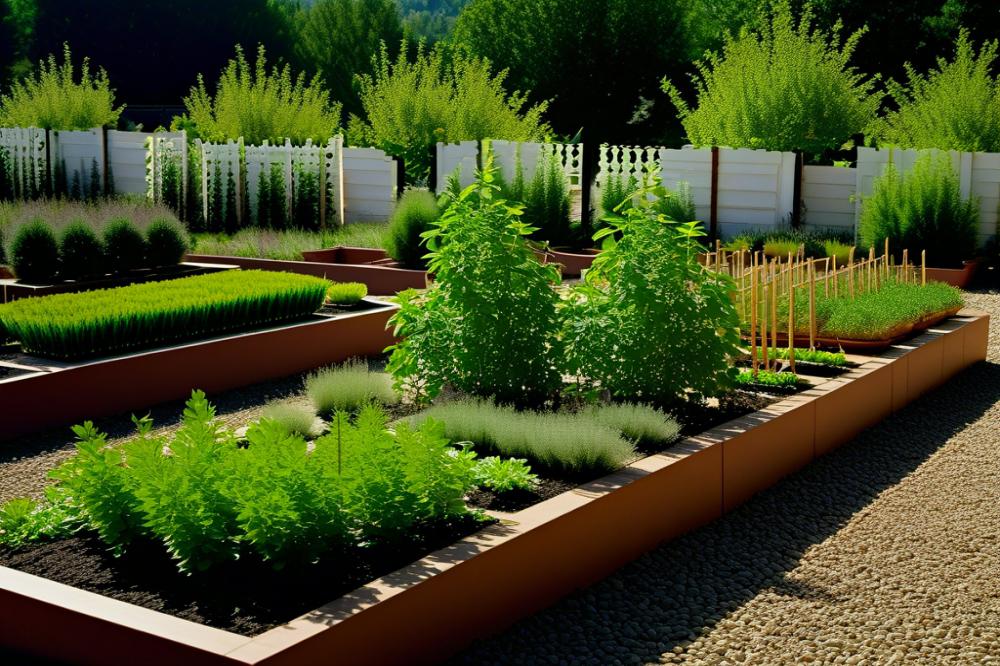
Ancient Romans had a diverse approach to gardening. They utilized various gardening techniques that showcased their understanding of nature. Raised beds were common in both public and private spaces. These beds helped with drainage and soil temperature, making plants thrive.
Maintenance of herb gardens involved careful attention. Regular watering was crucial, especially in dry periods. Romans also believed in the importance of weeding to prevent competition for nutrients. They knew that mulching could help retain moisture in the soil.
Herb gardens were not isolated; they often fit into broader agricultural practices. Many households grew herbs alongside vegetables and fruits. This integration enabled families to have a more sustainable source of food. Companions like garlic and onions were thought to boost the health of neighboring plants.
Historical botany reveals how Romans meticulously selected and bred plants. Specific traits were chosen for culinary uses or medicinal benefits. This selective breeding led to a variety of herbs with unique flavors and properties. Techniques such as cross-pollination increased plant diversity in gardens.
Medicinal plants held great importance in Roman culture. They relied on these herbs for herbal remedies during illnesses. Ancient rituals also used certain plants to symbolize health and purification. The significance of each plant went beyond its physical use; it often had rich symbolism tied to folklore.
Plant symbolism played a vital role in ancient life. For instance, rosemary was often associated with remembrance. Basil, on the other hand, had strong ties to love and protection. Romans were aware of these meanings, using them in daily life and rituals.
Traditional cooking benefited from the range of herbs cultivated. Dishes were uniquely flavored, showcasing the culinary knowledge of the time. Chowder, sauces, and stews frequently featured local herbs. Spice merchants brought exotic herbs, further enhancing Roman cuisine.
The Legacy of Roman Herb Gardens
Roman gardening left a lasting mark on many cultures that followed. Techniques and methods from ancient times influenced the way gardens developed across Europe and beyond. Many societies adopted similar styles to grow plants. This shows how adaptable and impactful their gardening practices were.
The culinary uses of herbs from antiquity have not faded. Many dishes today still incorporate flavors from herbs used in ancient times. Basil, thyme, and rosemary, for instance, were staples in Roman kitchens. These ingredients continue to be essential in traditional cooking around the world.
Medicinal plants played a crucial role in the lives of Romans. Herbal remedies were commonplace for treating various ailments. Knowledge of these healing plants has persisted through the centuries. In modern herbal medicine, some remedies still harken back to ancient practices. This connection demonstrates how effective many of these plants were at the time.
Another interesting aspect is the symbolic significance attached to various herbs. Romans integrated plant symbolism into their daily lives and ancient rituals. For example, rosemary was associated with remembrance, while laurel symbolized victory. Such meanings have survived, finding their way into contemporary gardens and dishes.
Historical botany can trace many of today’s herbs back to Roman agriculture. Knowing the origins of these plants enriches our understanding of their uses and significance. As gardeners explore the past, they often revive methods that enhance biodiversity. By looking back, modern gardeners can appreciate a richer experience.
Maintaining knowledge of ancient gardening practices is vital. It connects us with the past while providing insights into sustainable practices. Learning from Roman techniques can inform current trends in gardening. New generations benefit from understanding how ancient methods can work alongside modern innovations.
Wrapping Up the Journey Through Roman Herb Gardens
Visitors to ancient Rome would have found herb gardens reflecting a blend of practical and symbolic significance. These spaces served not just as a source of ingredients for meals, but also as a means of healing through various medicinal plants. Families tended to gardens, carefully cultivating herbs that played roles in rituals, personal well-being, and social gatherings. Culinary uses intertwined with health, demonstrating how the Romans appreciated the versatility of their natural surroundings.
The impact of Roman horticultural practices still resonates in modern society. Today, many people eagerly grow herbs in their backyards or on windowsills, inspired by the historical connection to nature’s bounty. This trend highlights the importance of understanding how ancient practices shape our contemporary lives. Simple plants like basil, thyme, and rosemary have roots not only in the soil but also in history, enriching our experiences with flavors and nostalgia.
In looking back at these ancient gardens, we gain insights into the importance of nature in human life. Exploring the diverse uses of herbs in Roman times provides perspective on how cultures valued plants for multiple reasons. Studying these practices invites reflection on our own relationship with the natural world. Ultimately, the significance of ancient herb gardens extends beyond historical interest; they remind us of the enduring connections we share with the earth and its resources.

